
- Vinegar: Mix two parts water with one part distilled vinegar. Soak the feeder as you would with soap and water. Rinse and dry completely before refilling.
- If your feeder is dishwasher-safe, use it for routine cleaning. But don’t use it on moldy feeders. Avoid high heat to prevent warping.
Guide to Cleaning Your Hummingbird Feeder
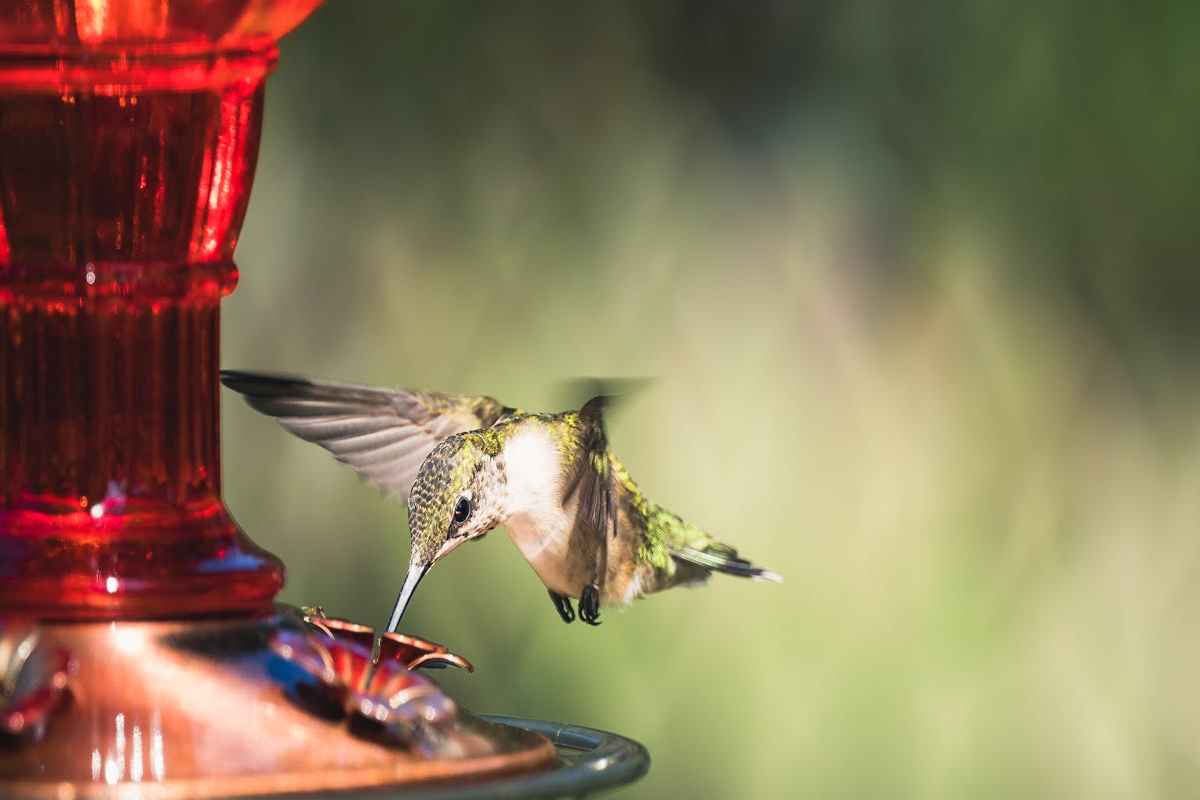
Hummingbird Feeder Techniques
How to clean hummingbird feeder? A clean feeder is vital for hummingbird health. It encourages these beautiful birds to visit often. Dirty feeders can deter hummingbirds. They prefer clean nectar and avoid spoiled or moldy food. Follow these simple steps to keep your feeder fresh and inviting.
Cleaning Steps
Step 1: Empty the Feeder. First, empty the feeder. Discard any leftover nectar. Then, rinse the bottle with hot water. Avoid reusing old nectar, especially in hot weather, as it can spoil within a short period. If the feeder isn’t emptied often, reduce the nectar to prevent waste.
Step 2: Disassemble the Feeder. To clean it well, take it apart as much as possible. Most models allow you to remove feed gates and bee guards. This helps you access every part of the feeder.
Step 3: Soak the Feeder Prepare a cleaning solution with warm water and dish soap in a sink or bowl. Soak the feeder parts for 1 to 2 hours. This loosens any nectar residue or mold, making it easier to scrub away.
Step 4: Scrub the Feeder Use a cloth or bottle brush to scrub the feeder, focusing on any mold and sticky residue. For narrow-neck bottles, add a spoonful of rice, dish soap, and water. Then, shake the feeder to dislodge the dirt.
Steo 5: After you clean Hummingbird Feeder, rinse each part with cold water until you remove all the soap. This removes any remaining soap. Soap residue can spoil the nectar’s taste and deter birds.
Step 6: Dry the Feeder Lay all feeder pieces on a dish towel to dry completely. Once dry, reassemble your feeder and refill it with fresh nectar.
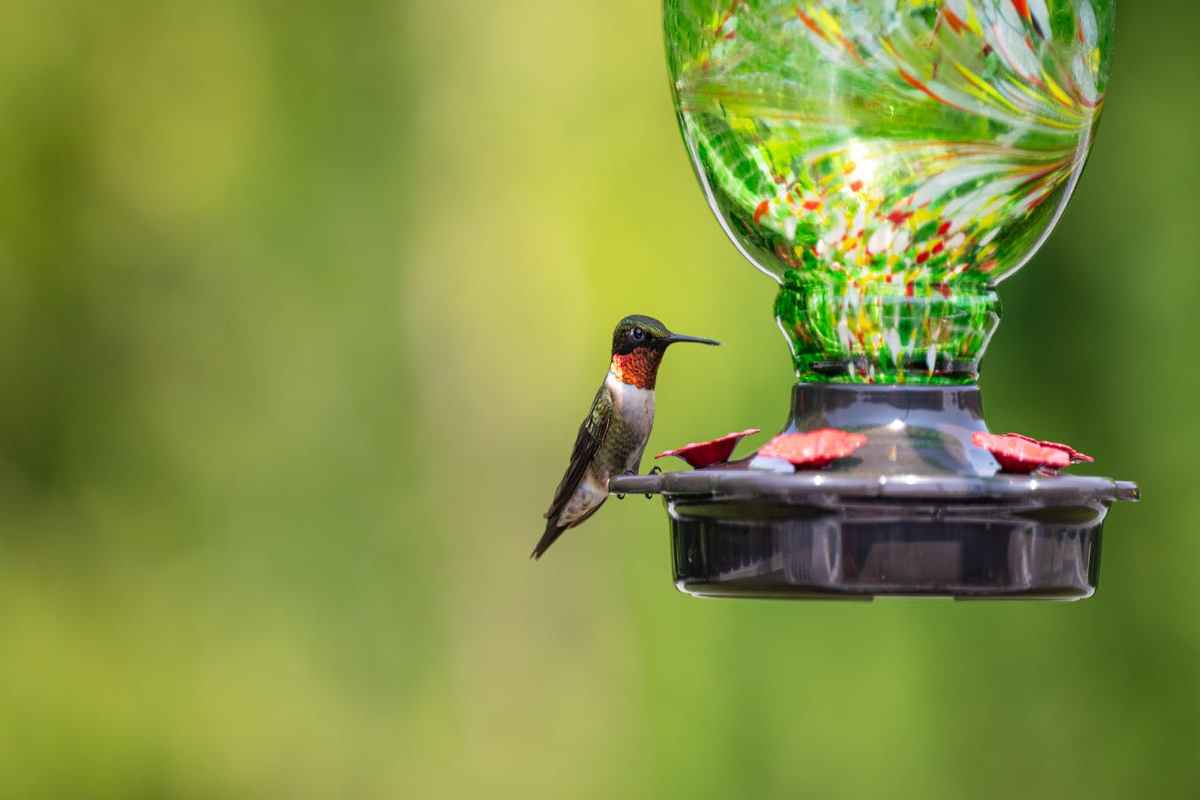
Clean Hummingbird Feeder Techniques
How Often to Clean Your Hummingbird Feeder
Replace the nectar every 3-5 days and clean the feeder weekly. In hot weather, nectar spoils faster, so clean the feeder every 2-3 days. If many birds visit your feeder, clean it more often. It will help prevent quick nectar depletion and residue buildup.
Alternative Cleaning Methods
- Vinegar: Mix two parts water with one part distilled vinegar. Soak the feeder as you would with soap and water. Rinse and dry completely before refilling.
- If your feeder is dishwasher-safe, use it for routine cleaning. But don’t use it on moldy feeders. Avoid high heat to prevent warping.

MD Imdadul Haque is the founder of BirdzFly, a research-backed resource on North American backyard birds. Drawing on years of independent study into bird identification, behavior, and migration patterns, he writes in-depth guides designed to help US birders understand the species in their own backyards — from common feeder visitors to seasonal migrants passing through.