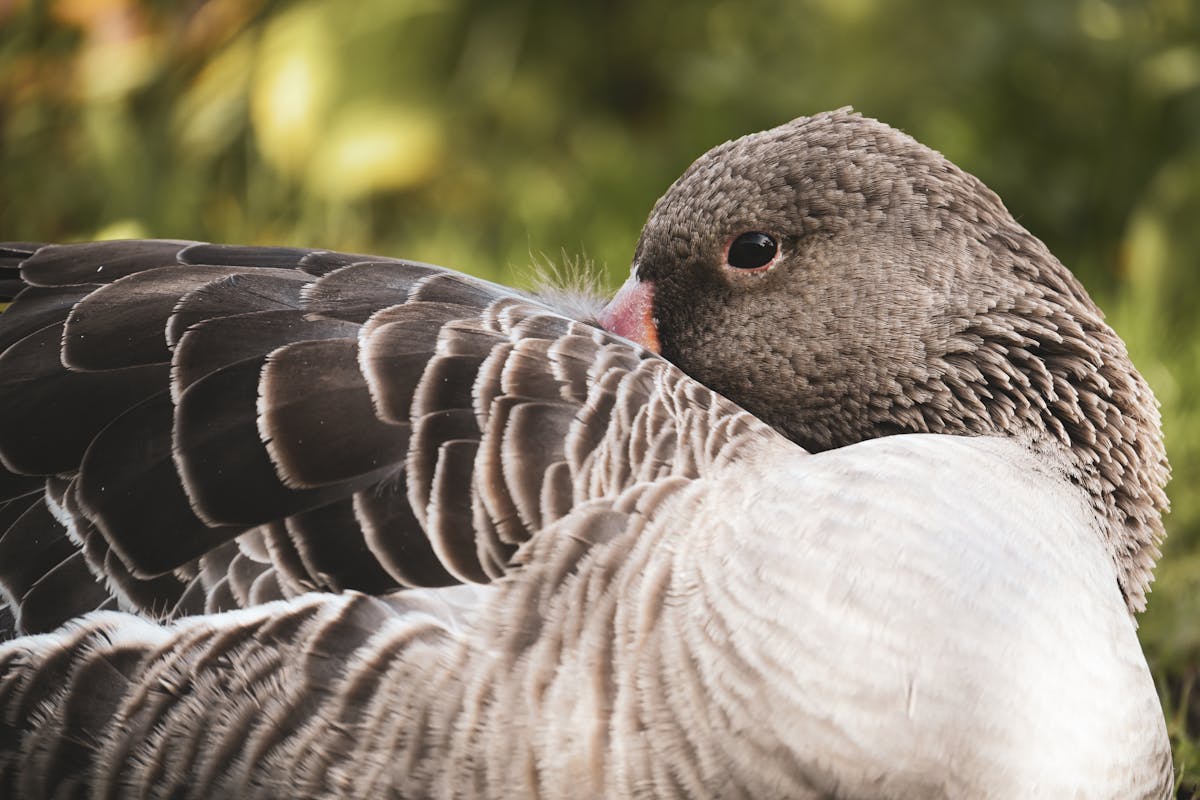
Entice Birds to Feeders
Ever wonder why, despite placing and stocking your bird feeders carefully, you haven’t had a single feathered friend in your yard? If so, you’re not alone. This is a challenge most bird lovers have faced: How can you attract birds to your feeders?
Understanding Your Local Birds
The first step in attracting birds is to understand your neighborhood’s natural environment. Familiarize yourself with the local birds. This knowledge helps you get visitors faster.
Key Points to Remember:
-
Food and safety matter most to birds.
-
Birds search for food just like humans search for meals.
Spend time choosing healthy food for your local birds before filling your feeders. This effort is vital for creating an inviting feeding ground.
Attracting Birds with Water
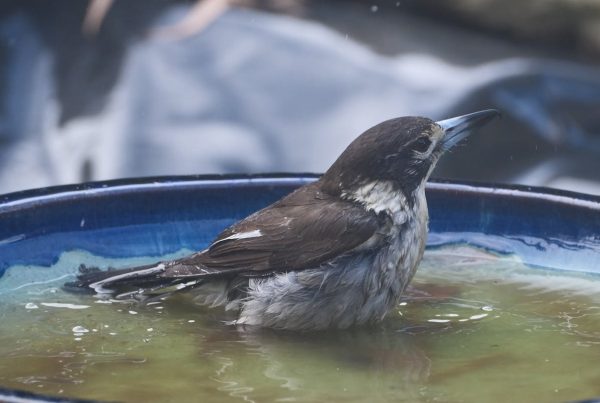
Did you know that most birds have a limited sense of smell? They rely mostly on sight and sound. In winter, the sound of water can easily attract birds.
Tips for Water Sources:
-
Use a water fountain or birdbath.
-
Plant colorful flowers that attract birds.
Placement of Feeders
Place your feeders in a safe zone, away from predators. Here are some tips for feeder placement:
-
Height: Feeders should be at least 5 feet off the ground.
-
Location: Use different heights for various bird species.
-
Cover: Surround feeders with trees or tall bushes for safety.
Recommended Feeder Types:
-
Tube feeders for small birds like finches.
-
Platform feeders for larger birds like cardinals and doves.
Creating a Natural Space
To make your space appealing, plant native flora. Avoid chemicals and consider planting:
-
Fruit-bearing trees like cherry trees.
-
Bushes like raspberries.
-
Tubular flowers for hummingbirds and orioles.
The Importance of Colors
Colors around your feeder can attract birds. Here’s what works best:
-
Vivid colors: Red, orange, and yellow grab attention.
-
Blue: Some birds, like blue jays, prefer blue.
Make sure to use non-toxic paints for your feeders.
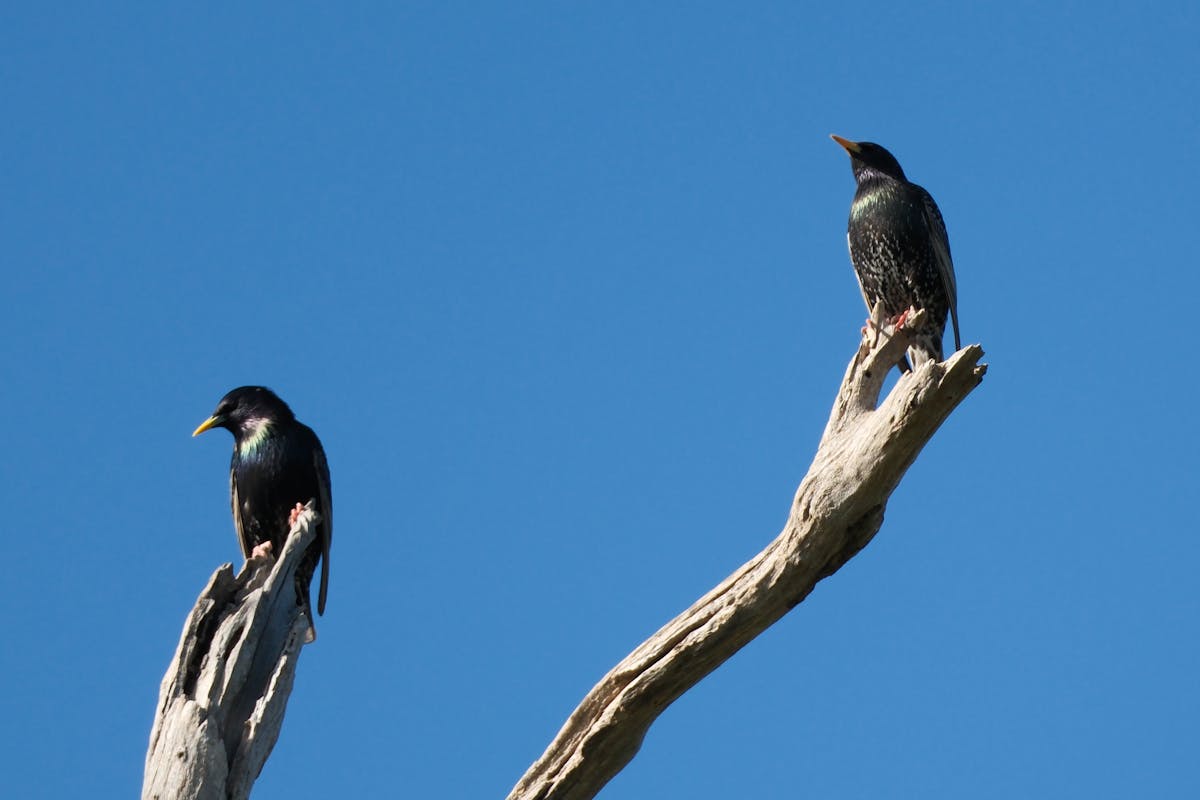
Birds to Feeders
Choosing the Right Bird Food
Food is the most crucial factor for attracting birds. Here are some recommended seeds:
-
Black oil sunflower seeds: Popular with most birds.
-
White proso millet: Loved by juncos and small sparrows.
-
Fruit offerings: Preferred by woodpeckers and robins.
-
Peanuts: Enjoyed by jays and nuthatches.
-
Nectar: For hummingbirds.
Avoid Mixed Seeds
Stay away from mixed seeds with fillers. These can discourage some birds from visiting. Instead, use separate feeders for different seed types.
Seasonal Feeding Strategies
Vary the types of seeds throughout the seasons:
-
Summer: Use sunflower seeds that don’t spoil easily.
-
Fall: Offer mixed seeds for protein.
-
Winter: Provide seeds with high fat and calorie content.
Best Time to Set Up Feeders
The best time to set up bird feeders is mid to late autumn. Most birds migrate in the fall to find food and shelter. In summer and early autumn, natural food sources are plentiful, making feeders less attractive.
By following these tips, you can turn your backyard into a bird paradise!

MD Imdadul Haque is the founder of BirdzFly, a research-backed resource on North American backyard birds. Drawing on years of independent study into bird identification, behavior, and migration patterns, he writes in-depth guides designed to help US birders understand the species in their own backyards — from common feeder visitors to seasonal migrants passing through.