
Garden Birdwatch 2026
Big Garden Birdwatch is the largest garden wildlife survey in the world. Every last weekend of January, hundreds of thousands of gardeners and nature enthusiasts participate in the event. They contribute their sightings to help build a picture of how garden birds are doing.
How to Participate
It’s easy to take part. All you need to do is:
-
Pick an hour between 23 and 25 January.
-
Sit outside in your garden and count the birds.
-
Tally the birds that land in your patch, noting the highest number of each bird species you see at a time.
For example, if five house sparrows enter and leave, and then seven house sparrows arrive, you would mark down seven house sparrows. It is also important to submit a count even if you didn’t see any birds — this too is valuable information for those crunching the numbers.
Visit Big Garden Birdwatch for more information and tips on when and where to see birds.
Common Birds You Might See
Here is a list of birds you are likely to see:
-
House Sparrow:
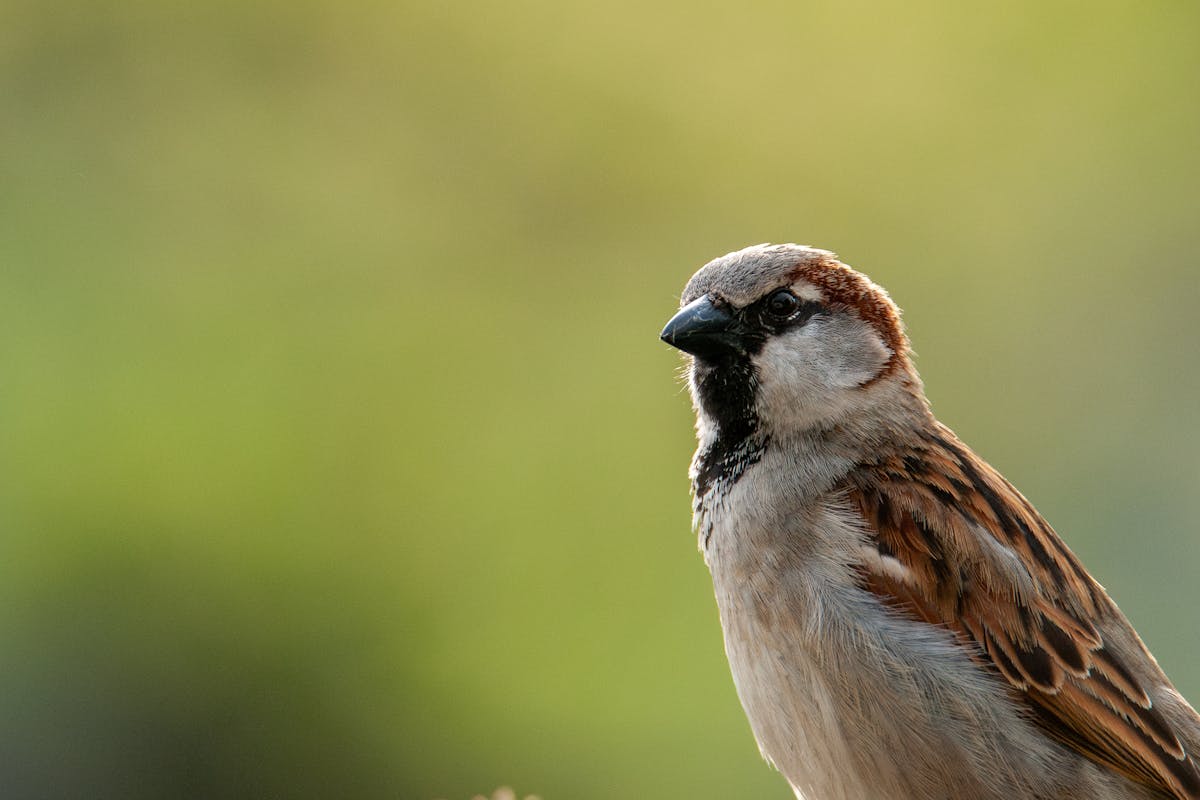
House Sparrow
A social garden bird that nests in holes in buildings or groups of nest boxes. Males are easy to identify with their brown streaked backs and black bib. They feed on seeds and grains but require invertebrates to feed their young.
-
Blue Tit:
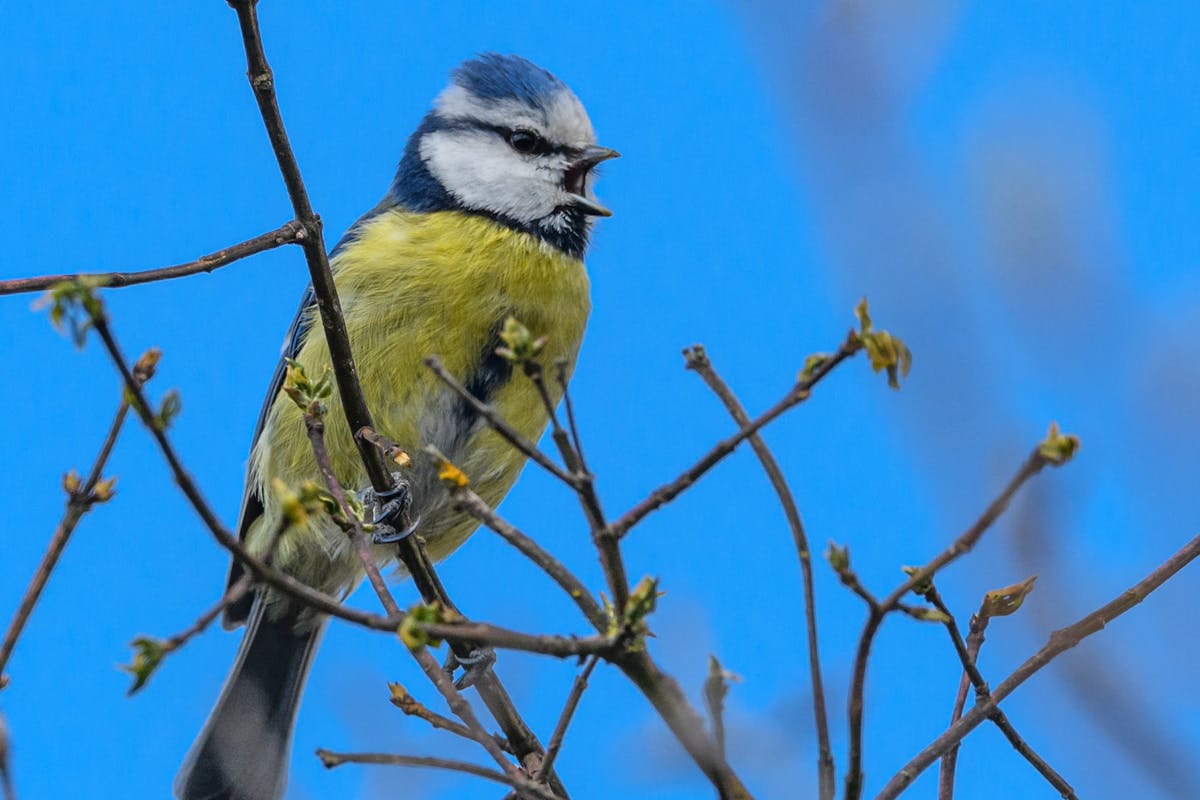
Blue Tit
This attractive bird has a blue cap and wings. At feeders, blue tits eat peanuts and sunflower hearts. In spring, they pick caterpillars and insects for their brood.
-
Starling:
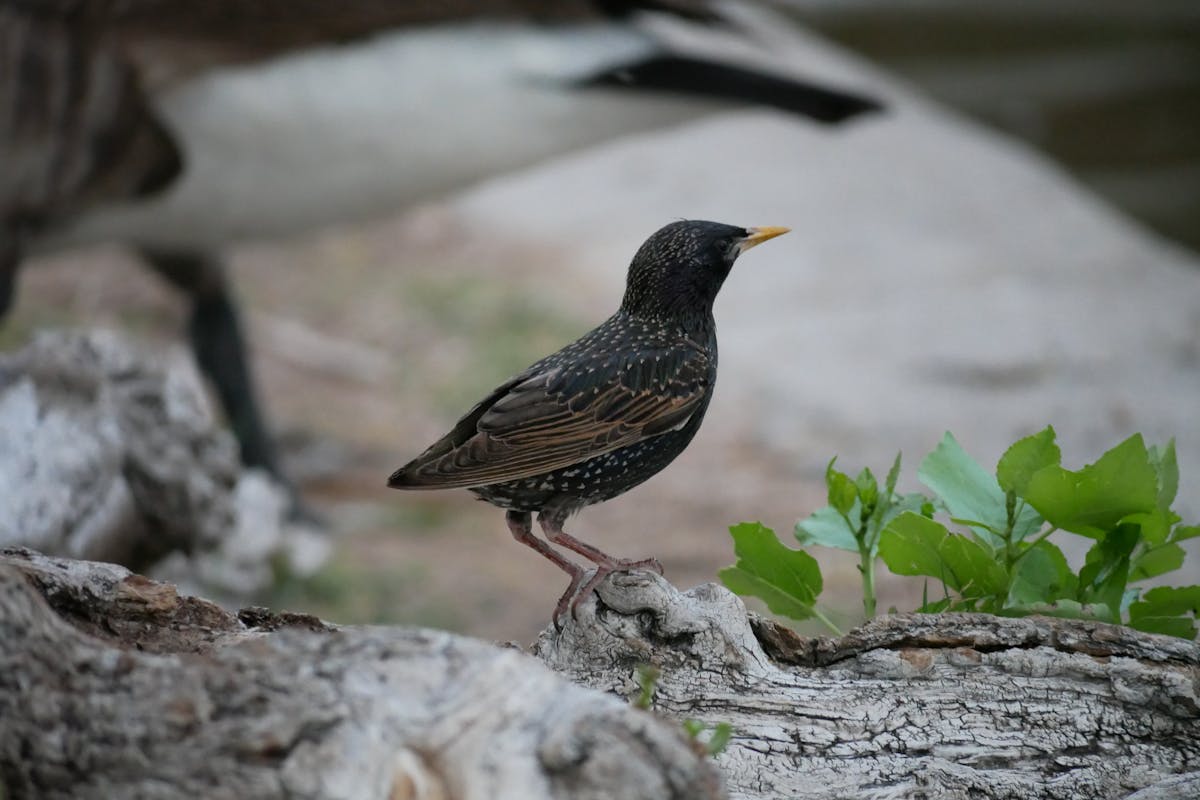
Starling
Handsome birds with black feathers that have iridescent highlights. They gather in large numbers to feed and roost. In winter, they go to garden feeders, but in summer, they eat invertebrates.
-
Woodpigeon:
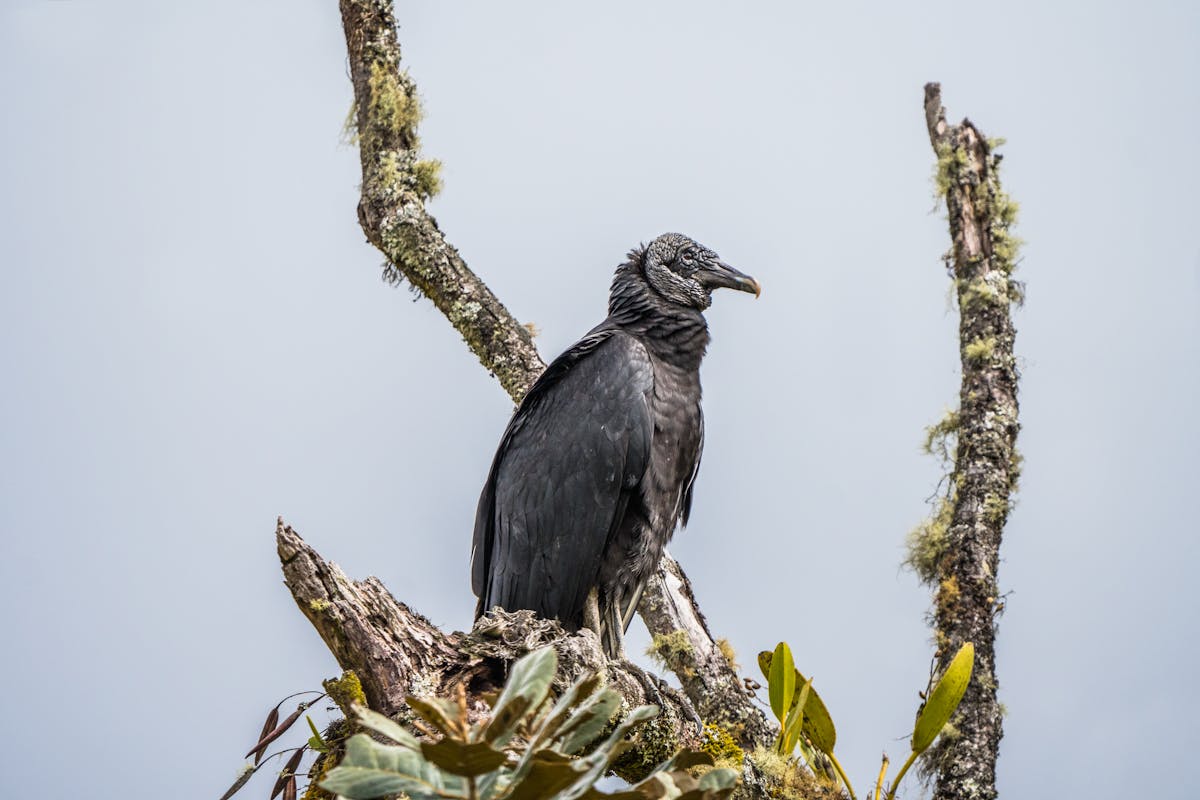
Woodpigeon
This beautiful bird has pale pink breasts and a grey-blue head. It is the biggest pigeon in Britain. Woodpigeons eat insects and a variety of plants.
-
Blackbird:
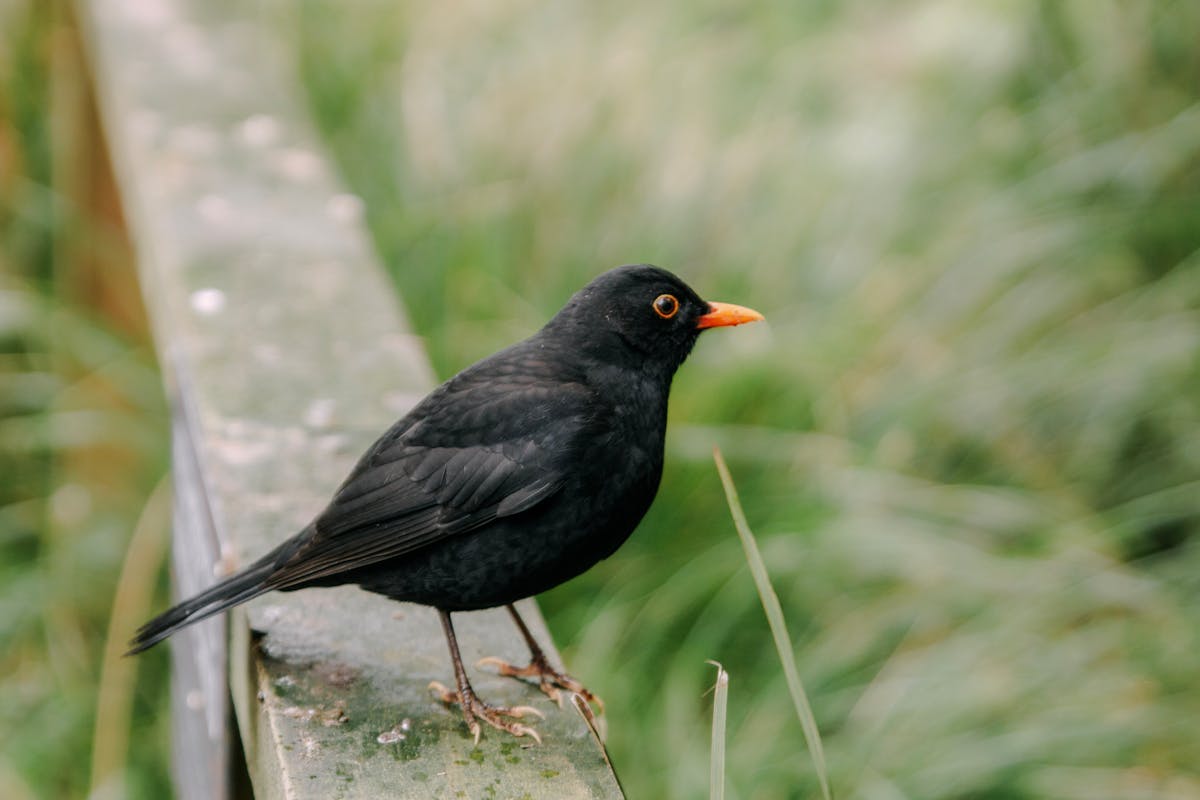
Blackbird
The male blackbird has a classic tuxedo look. Blackbirds mostly feed on invertebrates and fruit, nesting in forks of trees and shrubs.
-
Robin:
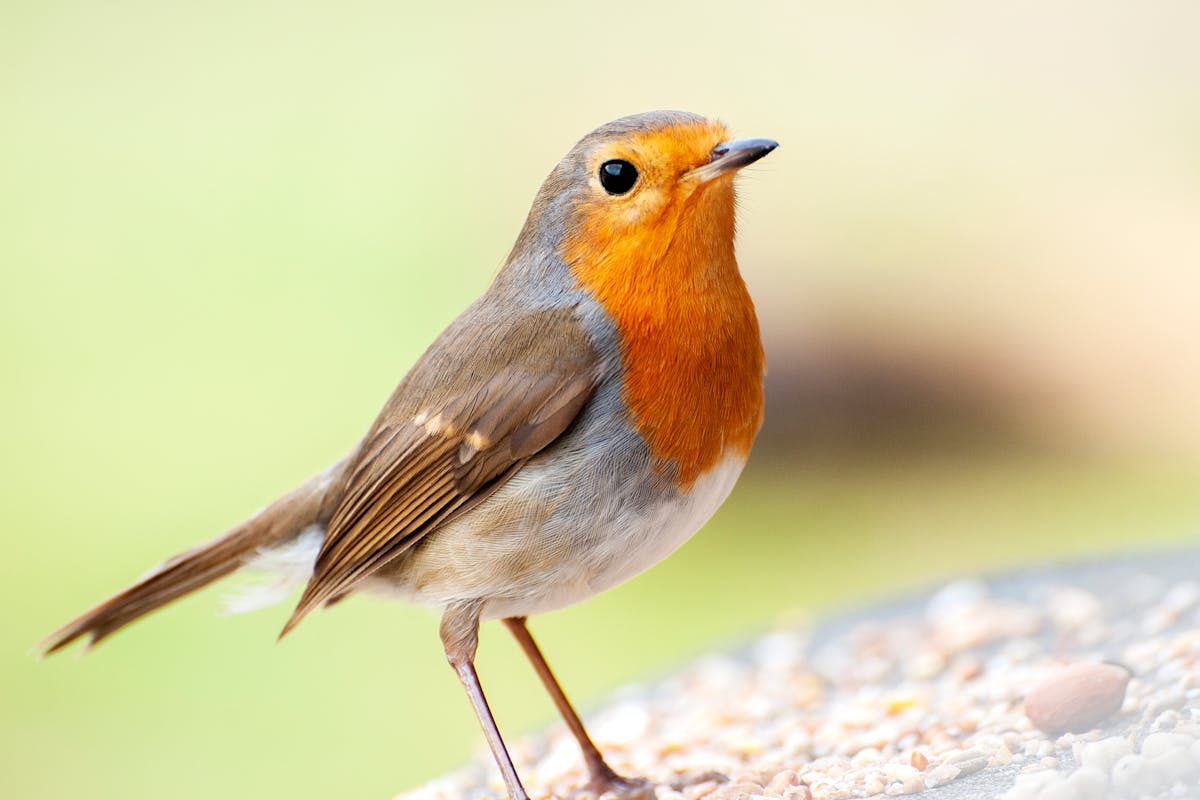
Robin
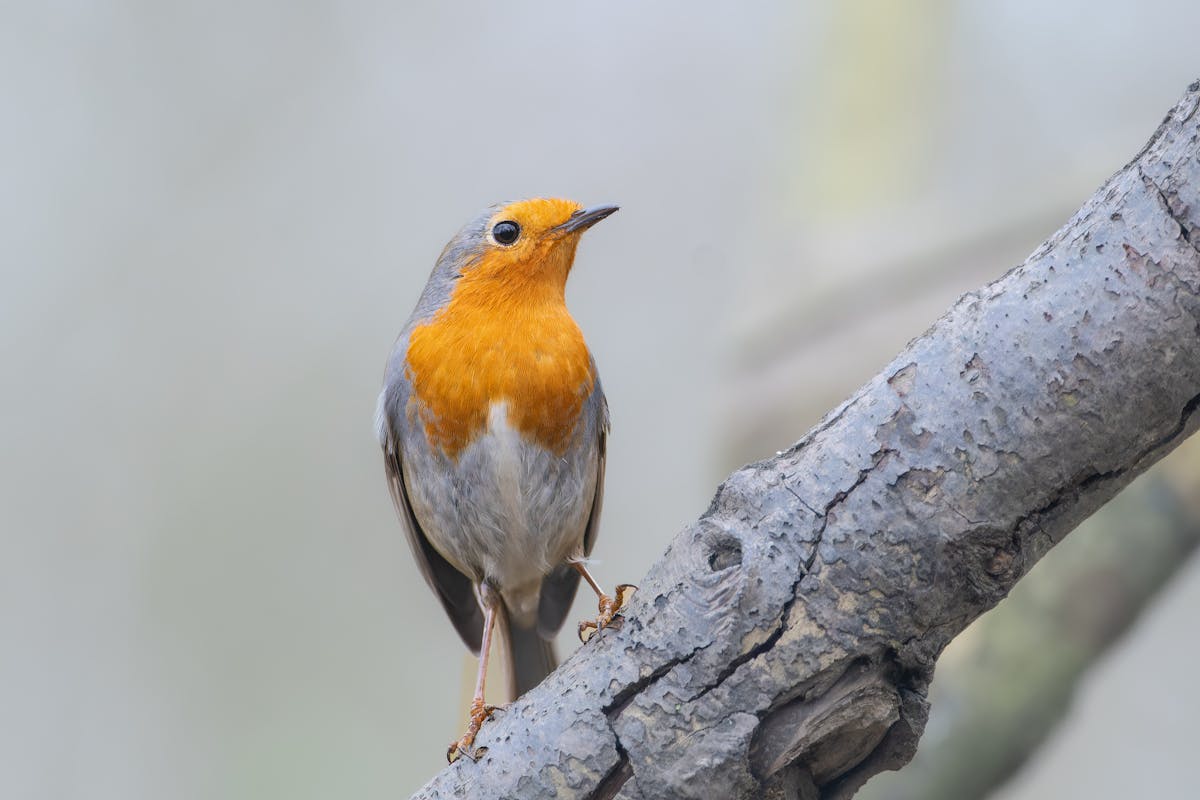
Robins are fiercely territorial and sing year-round. They feed on the ground and prefer seed mixes and sunflower hearts over peanuts.
-
Blackcap:
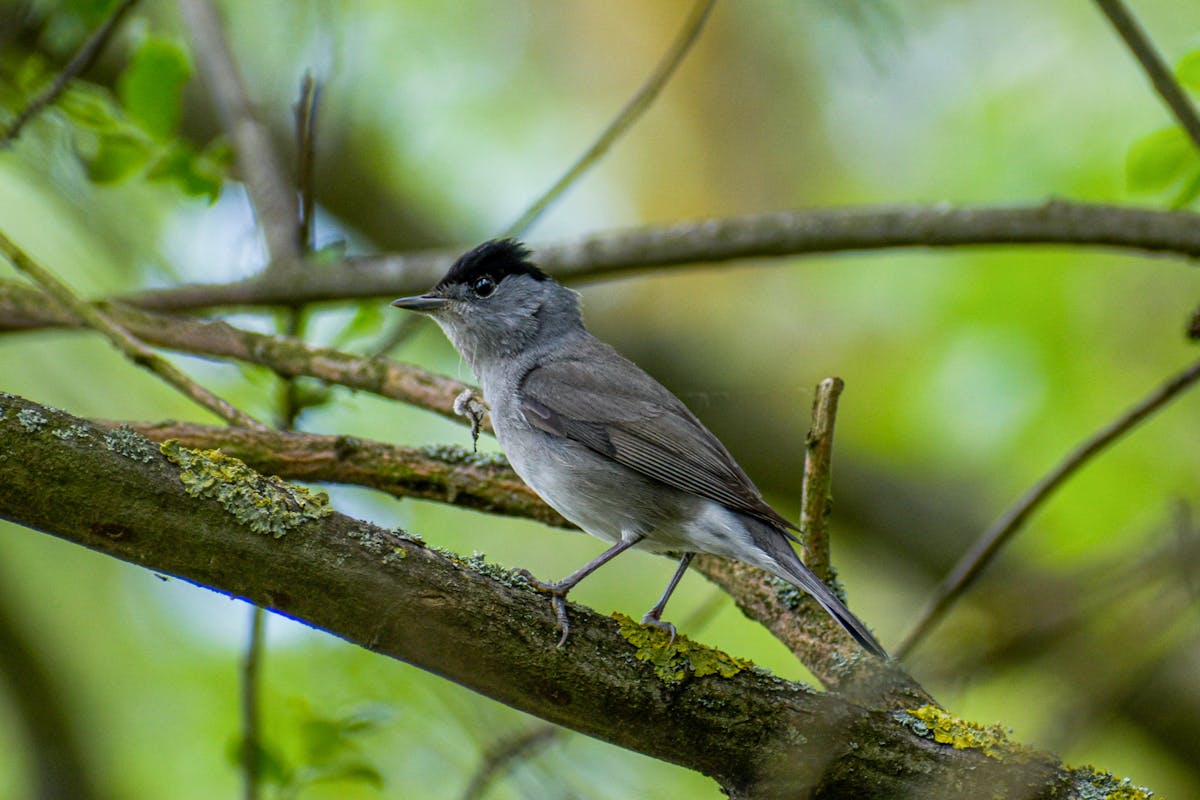
Blackcap
This bird seldom ventures into gardens. Males have a black cap, while females have a chestnut brown one. Blackcaps eat berries and can be aggressive at feeders.
-
Redwing:
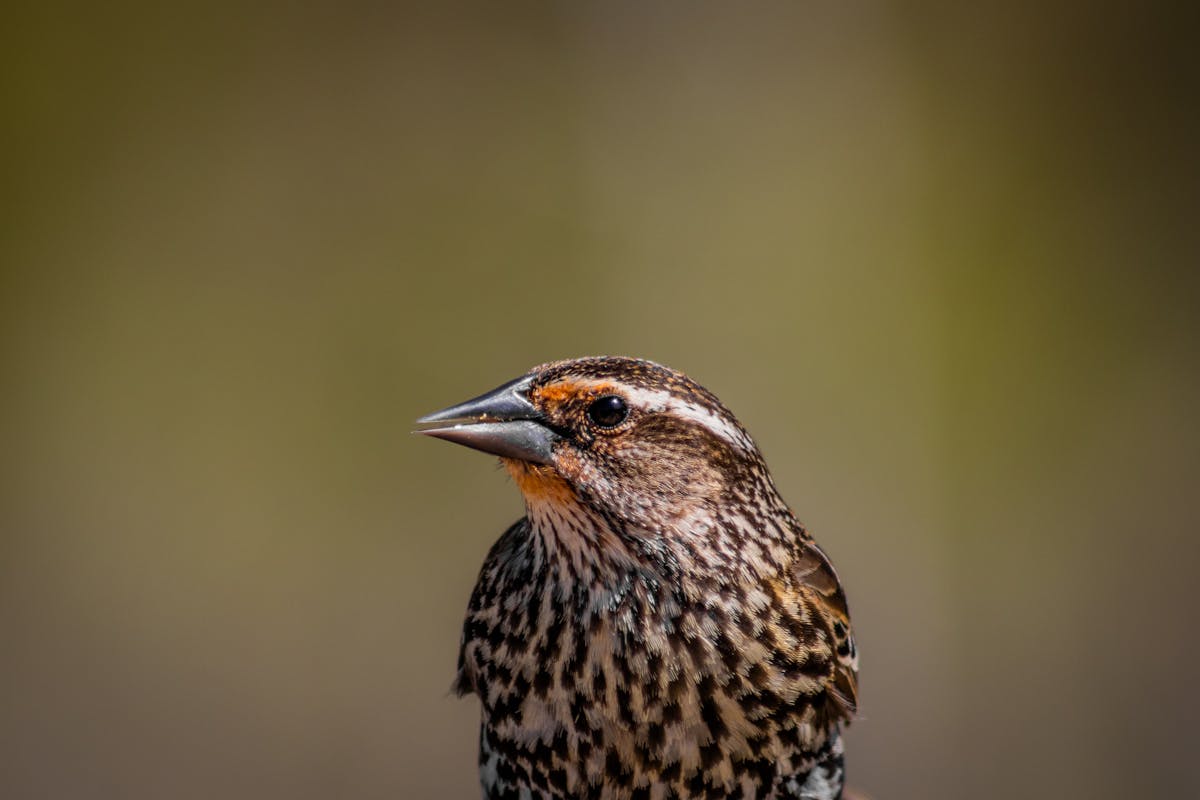
Redwing
Britain’s smallest true thrush, it has a creamy bar above the eye and orange-red spots under the wings. They are rarely seen in gardens but will feed on berries during hard weather.
-
Fieldfare:
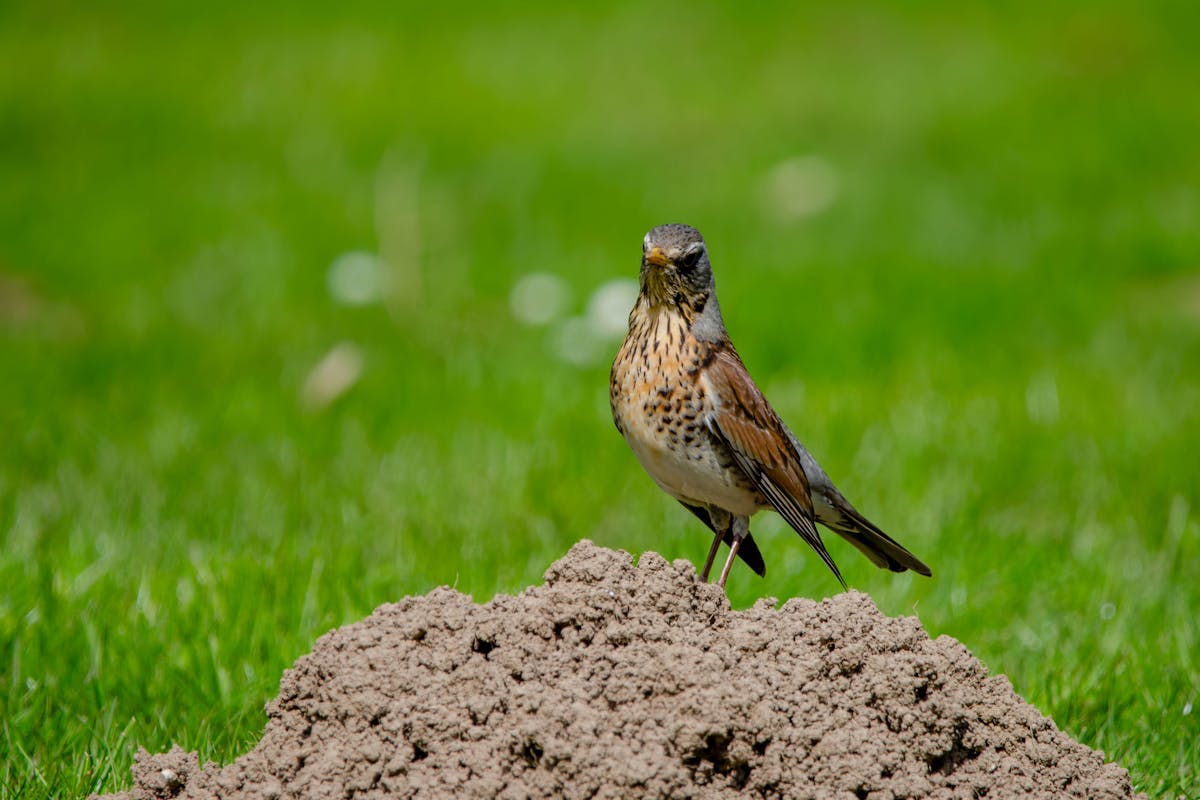
Fieldfare
Bigger than the redwing, fieldfares have a grey head and chestnut body. You can see them in flocks eating berries and windfall apples.
-
Long-tailed Tit:
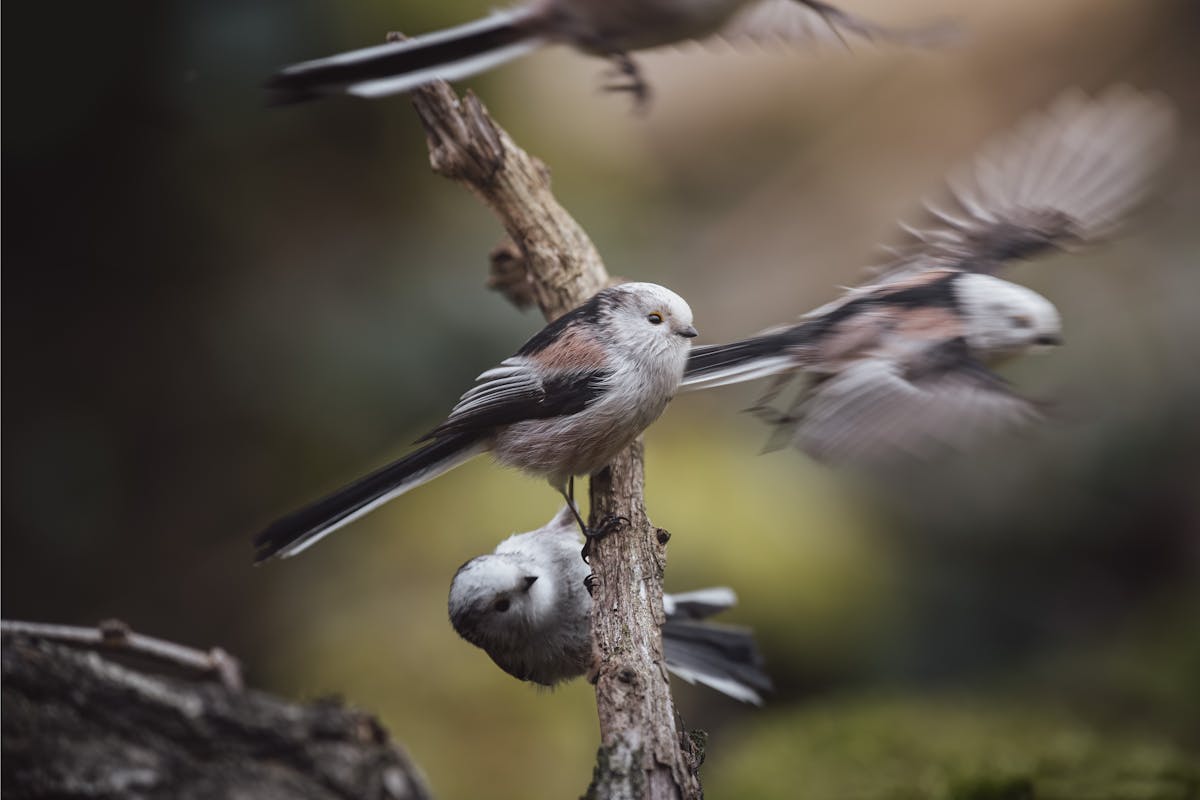
Long-tailed Tit
This bird has a long tail that stands out against its blush-pink and white body. They forage for insects and worms in woodlands but visit gardens in summer for peanuts.
-
Waxwing:
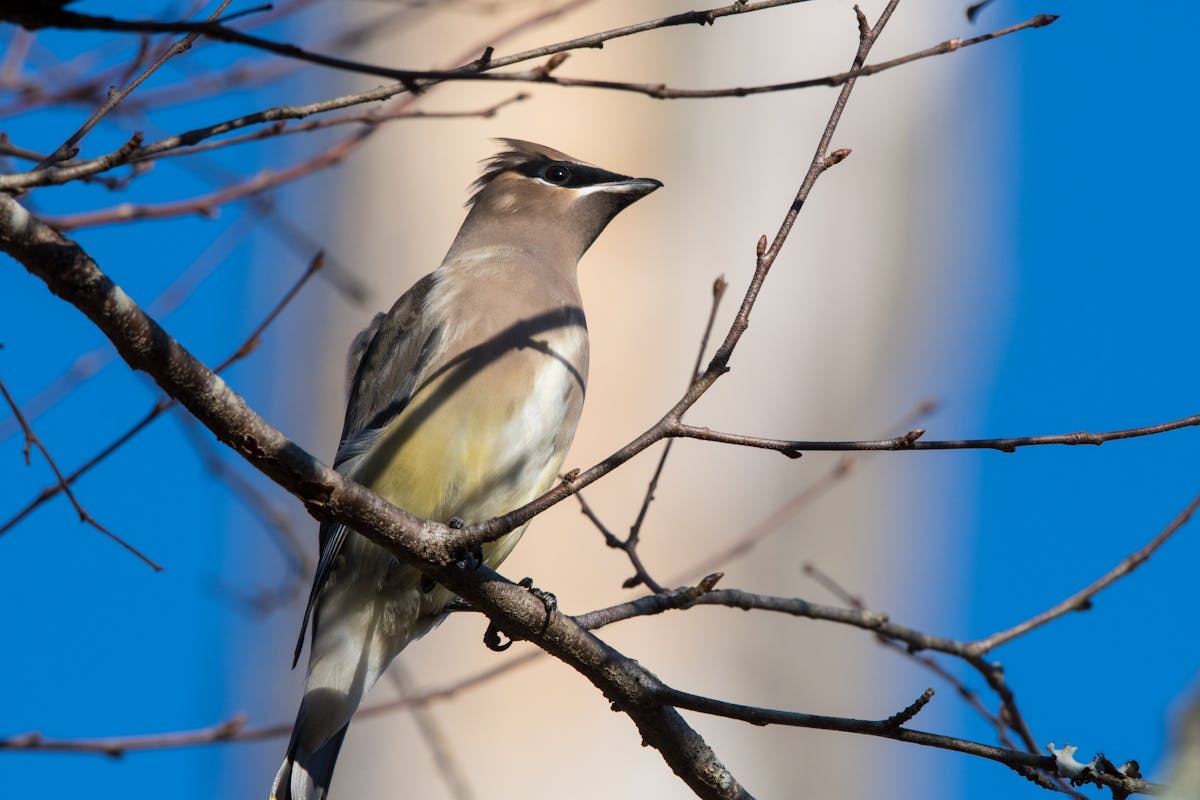
Waxwing
These winter visitors have reddish-brown plumage and a distinctive orange crest. They eat berries and come to gardens in times of food shortage.
-
Greenfinch:
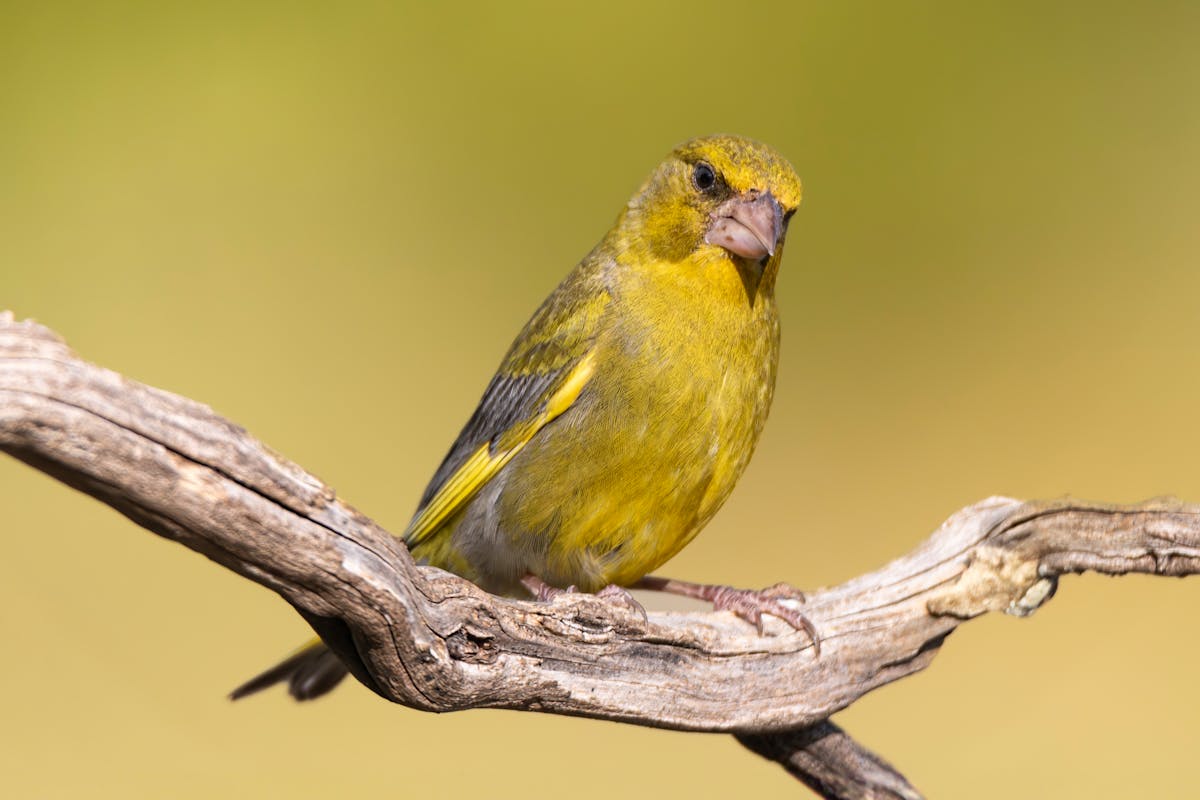
Greenfinch
Similar in size to a house sparrow, the greenfinch is common in gardens, feeding on sunflower seeds. However, disease has caused a reduction in their numbers.
Enjoy your birdwatching!

MD Imdadul Haque is the founder of BirdzFly, a research-backed resource on North American backyard birds. Drawing on years of independent study into bird identification, behavior, and migration patterns, he writes in-depth guides designed to help US birders understand the species in their own backyards — from common feeder visitors to seasonal migrants passing through.