
Bring Birds to Feeders – BirdzFly
Attract Backyard Birds to Your Feeders
Have you ever been disappointed by your bird feeder, only to find no feathered friends visiting your backyard? You’re not alone! Many bird lovers face this challenge. But don’t worry—there are ways to attract birds to your feeders.
Feeder Tips: Creating a Reliable Food Source
To get the best results, it’s a mix of things. Here are some tips to ensure your feeders are a dependable and inviting source of food:
-
Know Your Local Birds: Do this in a neighborhood you are familiar with. Learn about the birds in your area to attract them effectively.
-
Food and Safety: Birds are like us; they need food and safety for survival. Providing adequate supplies of food and water is essential.
Before filling your feeder, think about what delicious and appropriate food you can offer. This effort will create an inviting scene for the birds. Once they find a consistent food source, they will come back regularly.
Create a Safe Space
Birds need a safe location for feeding. Here’s how to set up your feeders:
-
Height Matters: Feeders should be at least 5 feet off the ground to keep them safe from cats and squirrels.
-
Types of Feeders: Use:
-
Tube feeders for small birds like finches and chickadees.
-
Platform feeders for larger birds like cardinals and doves.
-
-
Shelter: Position feeders near trees or large bushes for cover.
Enhance the Environment
To attract birds, consider these ideas:
-
Plant Native Species: Create a natural landscape with chemical-free plants. You can even grow fruit-producing plants like cherry trees and raspberry bushes.
-
Color Matters: Bright colors attract birds. Here’s what works best:
-
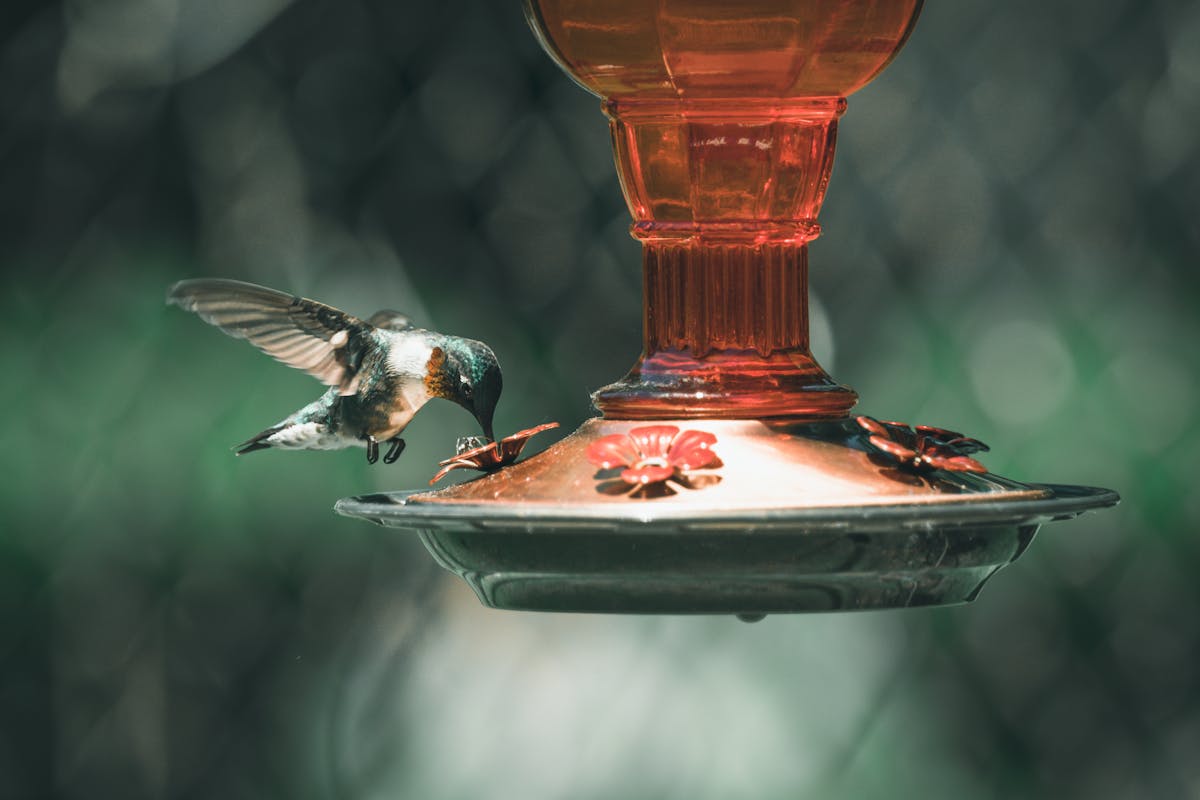
Red, Orange, Yellow: These colors are the most appealing and often indicate food sources.
-
Green: Less attractive, but blue jays like it.
-
Remember to use nontoxic paints on feeders to keep birds safe.
How to Bring Birds to Feeders – BirdzFly
The Right Food for Your Feathered Friends
Food is the main reason birds visit your feeder. Here are some tips for the best bird food:
-
Keep it Fresh: Replace bird seeds every two weeks. Avoid moldy or rancid seeds.
-
Seed Types: Here are some favorites:
-
Black Oil Sunflower Seed: Welcomes most birds.
-
White Proso Millet: A favorite of doves and small sparrows.
-
Fruity Food: Good for woodpeckers and robins.
-
Peanuts: Enjoyed by blue jays and nuthatches.
-
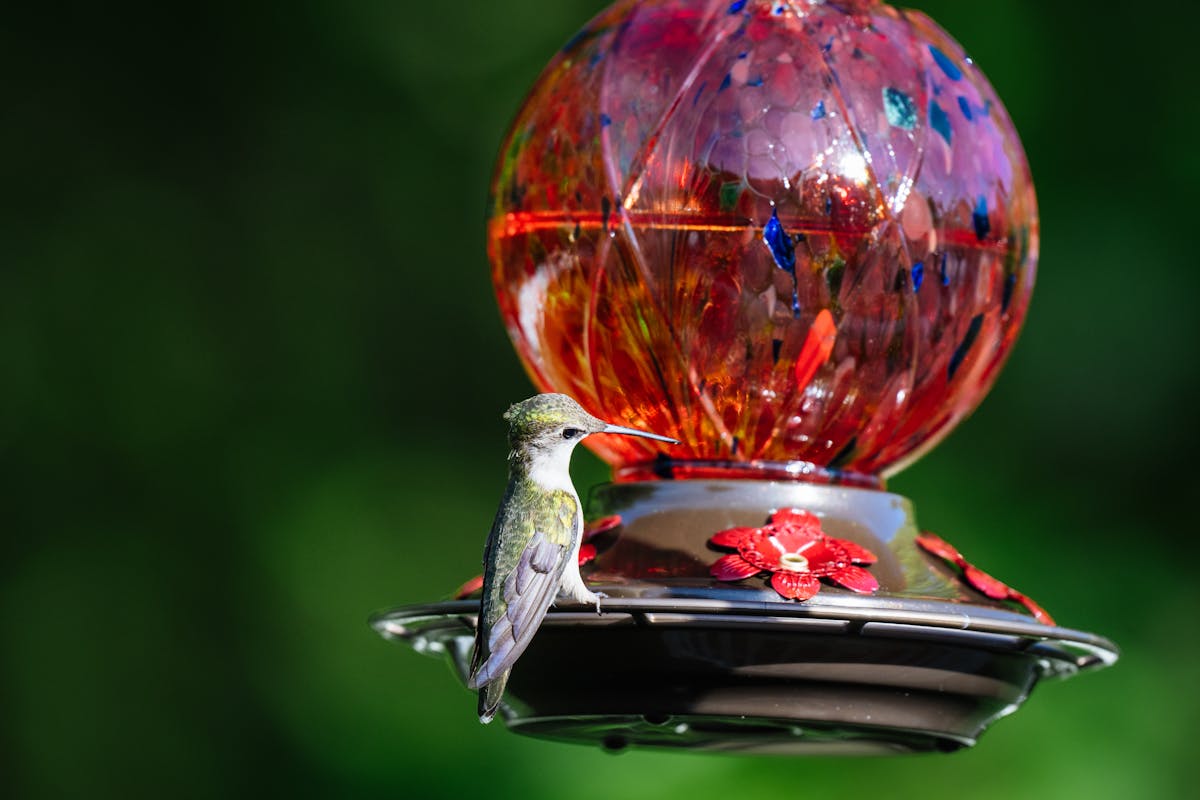
Nectar: For hummingbirds.
-
Avoid Mixed Seeds
Skip mixed seeds with fillers that birds don’t like. This can lead to wasted seeds and fewer visits. Instead, separate different types of seeds into different feeders to attract more birds.
Seasonal Changes
Change the types of seeds throughout the year:
-
Summer: Use sunflower seeds; they won’t spoil easily.
-
Autumn: Provide mixed seeds for extra protein.
-
Winter to Spring: Offer high-fat seeds for energy as birds care for their young.
Best Time to Set Up Feeders
The best time to establish a bird feeder is mid to late fall. Many birds migrate during autumn to find food and water. In summer and early autumn, birds have plenty of natural food sources, making them less likely to visit feeders.
By following these tips, you can create a welcoming environment for your feathered friends and enjoy watching them in your backyard!

MD Imdadul Haque is the founder of BirdzFly, a research-backed resource on North American backyard birds. Drawing on years of independent study into bird identification, behavior, and migration patterns, he writes in-depth guides designed to help US birders understand the species in their own backyards — from common feeder visitors to seasonal migrants passing through.