
Heated Bird Baths in Winter
The Importance of Heated Bird Baths in Winter
Birds look for warm sanctuaries and unfrozen water during winter. Heated bird baths are essential for their survival. This guide explains why a reliable, ice-free water source is vital for these feathered visitors in your garden during the colder months.
How Birds Cope with Winter
You will learn about the remarkable ways birds cope with winter and how a heated bird bath can:
-
Aid in their health
-
Brighten up your chilly garden with colorful footprints and songs
Birds also exhibit natural behaviors, such as:
-
Foraging
-
Bathing
-
Nesting
Understanding these behaviors is key to creating a bird-friendly environment. Bathing is crucial for feather maintenance, flight efficiency, and insulation. But why are clean feathers so important?
The Role of Bathing in Feather Care
In the wild, birds bathe using natural water sources like:
-
Ponds
-
Rivers
-
Puddles
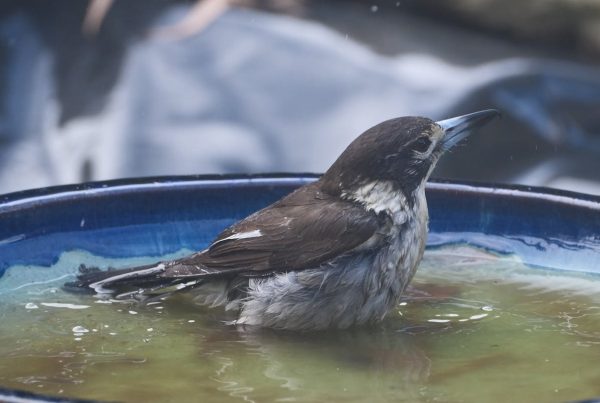
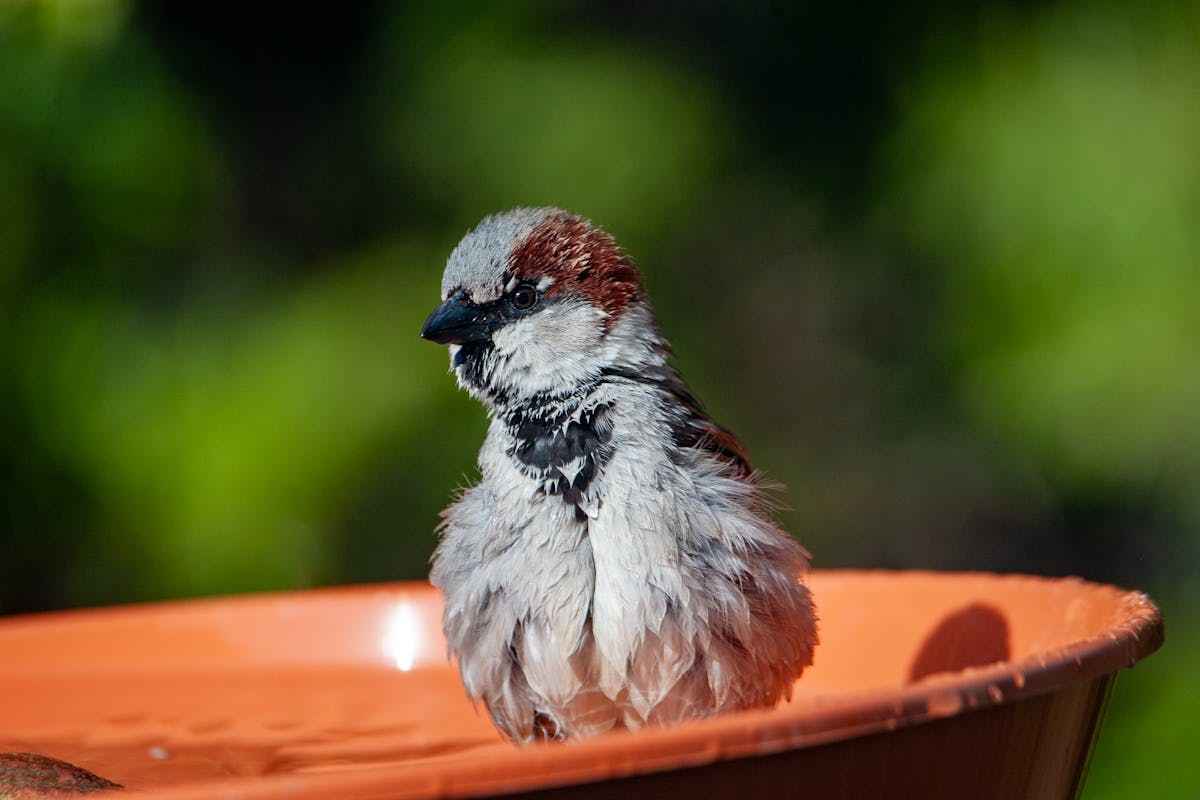
They splash in the water, which helps remove dirt and parasites from their feathers. Many birds also preen after a bath. Preening keeps feathers water-resistant and in top condition. In urban areas, where natural water sources are scarce, bird baths become essential for these vital grooming actions.
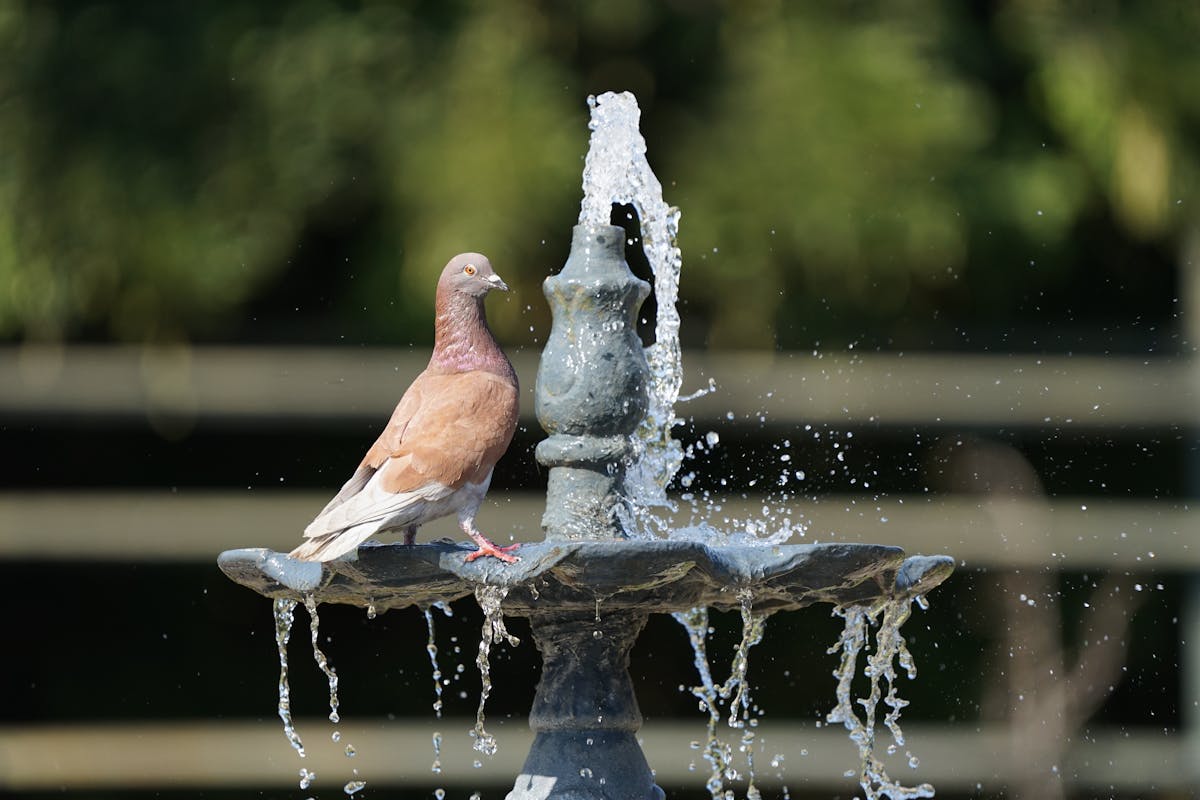
Bird Baths in Winter Risks of Frozen
The Risks of Frozen Water Sources
In winter, the cold poses a major threat to birds. Natural water sources, such as lakes and streams, can freeze, cutting off access to critical bathing sites. For birds, bathing is not just about hygiene; it is vital for their feather health, which is essential for warmth and mobility in frigid temperatures.
Without access to liquid water, birds cannot maintain their feathers properly. This can lead to:
-
Poor feather quality
-
Risks of injury from ice
-
Difficulty in flight
Are Heated Baths Safe for Birds?
Heated bird baths can be safe for birds, depending on the water temperature. The water should be just above freezing, around 35-40°F (1.7-4.4°C). This temperature prevents freezing but is cool enough to protect birds from icing up their feathers.
Choosing the Right Heated Bird Bath
When buying a heated bird bath, consider these features:
-
Thermostatic controls to maintain water temperature slightly above freezing
-
Durable materials like frost-resistant ceramics or sturdy plastics
-
A shallow design, no more than 1-2 inches deep
-
Power options: electric, solar-powered, or battery-operated
-
Stability to withstand high winds or the weight of larger birds
-
Easy to clean to maintain a healthy bathing environment
DIY Heated Bird Bath Ideas
For a hands-on approach, DIY heated bird baths offer creative opportunities. Some ideas include:
-
Using a small, submersible water pump to keep water flowing and prevent freezing
-
Choosing a dark-colored bath to absorb more sunlight and keep water warmer
These simple strategies not only help birds survive winter but also connect you with nature right in your backyard.
Maintaining Your Heated Bird Bath
As seasons change, ensuring unfrozen water is crucial. Heated bird baths provide a great solution. To maximize benefits:
-
Clean the bath regularly to avoid harmful bacteria
-
Monitor water temperature to ensure it is appropriate
-
Check the heating element and electrical connections for wear and tear
Proper maintenance will support birds’ grooming routines throughout the cold months and attract various bird species to your garden. These steps enhance the experience for you and your feathered visitors.

MD Imdadul Haque is the founder of BirdzFly, a research-backed resource on North American backyard birds. Drawing on years of independent study into bird identification, behavior, and migration patterns, he writes in-depth guides designed to help US birders understand the species in their own backyards — from common feeder visitors to seasonal migrants passing through.