
Hummingbird Migration Patterns
Hummingbird Central – Central (Meeting Place) for Hummingbird Lovers!
What’s going on right now with the hummingbirds visiting your garden this summer and fall?… find out by using the sightings map!
Most hummingbirds migrate from Central America or Mexico in the winter, returning in early spring to breed in southern U.S. states and some western states as soon as February, and northward into more northerly states and Canada later in the spring. The early spring arrivals are usually males.
Some, however, do not migrate, such as in California and the northern coast of the Pacific Ocean as well as in countries of Central America and South America.
The Migration Triggers
While the birding co
Migration of Hummingbirds
The community has differing opinions on what really heralds the start of migration. Hummingbirds are known to sense changes in daylight length and perhaps availability of nectar and insects. It is also an instinctive decision of whether or not to migrate.
Making the Trip
During migration, a hummingbird’s heart races up to 1,260 beats per minute and its wings beat 15 to 80 times a second.
To supply this high level of energy, a hummingbird will add 25-40% of their body weight before they depart for their long journey over land and water.
Flight Patterns
-
Hummingbirds fly solo.
-
They occasionally take the same route they flew earlier in their life.
-
They fly no higher than the tree tops or water.
-
Baby birds have to find their way alone.
Hummingbirds are typically day-flying birds because nectar and flowers are more accessible while the sun shines. Flying low helps them see and stop at food supplies along the way. They are also skilled at taking advantage of tailwinds, which helps them reach their destination more quickly and conserve energy.
Travel Distances
-
In one day, a hummingbird can travel up to 23 miles.
-
During migration, they can cover distances of 500 miles or more.
-
Their average speed is 20-30 mph, but they may reach three times that speed during courtship dives.
The spring migration is tough on hummingbirds as they head back north from their wintering grounds in southern Mexico and Central America.
Challenges Faced
-
Delays may last for a few minutes or several days at more favorable locations with ample food.
-
Powerful cold fronts pushing south across the Gulf create challenging flying conditions.
-
Birds face headwinds and driving rain over long distances, with little or no refuge.
-
There is often nothing to eat out in the open sea.
First Sightings
The earliest arrivals, usually males, can be spotted in Texas, Louisiana, and other spots on the Gulf Coast from late January to mid-March. Sightings are reported farther north as spring progresses, including in Canada.
We monitor the spring migration of hummingbirds from late January to early May. Our viewers help by reporting their first sightings in their areas, and we also note sightings in spring and fall.
Get Involved
-
Zoom/Pan Map for more detail, and click on the icons for sighting info.
-
Tap the icon below to get a list of contacts for sightings in 2025.
For optimal viewing, use a desktop. On a smartphone, turn sideways.
Hummingbird Species
Hummingbird Species
-
Ruby-throated
-
Rufous
-
Black-chinned
-
Anna’s
-
Allen’s
-
Costa’s
-
Calliope
-
Blue-throated
-
Broad-billed
-
Broad-tailed
Buff-bellied Rivoli’s Other/Unknown
Map Details
Zoom or pan the map for more information. Click the icons for sighting details.
Click below to see a list of summer and fall sightings for 2025.
For optimal viewing:
-
Use a desktop computer or tablet.
-
For smartphones, turn your device to landscape mode.
Hummingbird Species
Common Hummingbirds:
-
Ruby-throated
-
Rufous
-
Black-chinned
-
Anna’s
-
Allen’s
-
Costa’s
-
Calliope
-
Blue-throated
-
Broad-billed
-
Broad-tailed
-
Buff-bellied
-
Rivoli’s
-
Other/Unknown
Creatures of Habit?
Some people believe that the same hummingbirds return year after year, often visiting the same feeder!
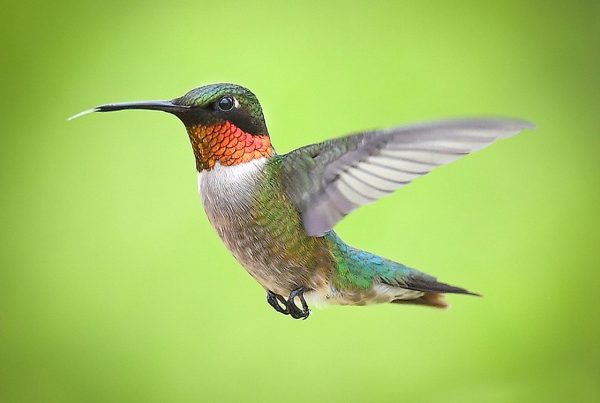
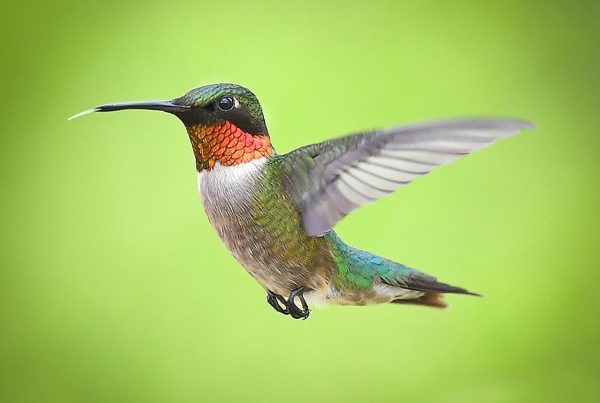
Ruby-throated Hummingbird Spring Migration
The first Ruby-throated Hummingbirds arrive in spring, usually males. They return to Texas and Louisiana from late February to mid-March. In northern states and Canadian provinces, they typically show up in April or May.
Spring Arrival Dates:
-
Texas and Louisiana: Late February to mid-March
-
Northern States/Canada: April to May
Arrival dates can change each year due to weather and other factors.
The Fall Hummingbird Migration
Many people ask, “When do hummingbirds go south?”
In August and September, hummingbirds begin their southward journey. They refuel in the morning, travel midday, and eat again in the afternoon.
During August:
-
You may see 10-20 Ruby-throated hummingbirds at once.
-
By the first week of September, this number can increase to 25-40.
In September, Ruby-throats gather in Florida, Louisiana, and along the South Texas coast before heading to southern Mexico. Some choose to fly over the Gulf of Mexico, while others travel over land through Mexico. A few Ruby-throats also winter along the Gulf Coast from Texas to Florida.
Other Migration Patterns:
-
Some hummingbirds move south along the Rocky Mountains into Mexico and Central America.
-
A few species stay in Central America year-round.
Viewer Submissions
Read more sightings from the fall of 2024, collected by our website viewers.
Hummingbird Fall Migration Map
Watch our video on YouTube to see Ruby-throated Hummingbirds feeding during their southward migration in early September 2017. Remember to turn on your sound to hear their humming and chattering!
Winter Resident Hummingbirds in the U.S.
The number of hummingbirds overwintering along the Gulf Coast has increased. Many are seen at feeders in South Texas and on the South Louisiana coast during mild winters.
Common Winter Species in South Louisiana:
-
Ruby-throated
-
Rufous
-
Black-chinned
-
Buff-bellied
Some hummingbirds, like Anna’s, stay all year in warmer coastal valleys and southern deserts.
Other Hummingbird Species Migration Behavior
Anna’s Hummingbird is unique among Pacific Northwest hummingbirds. It doesn’t always migrate south for the winter.
Migration Insights:
-
More species and larger numbers of migrating hummingbirds are found at the Continental Divide.
-
The “Great Basin High” creates reliable tailwinds that assist their migration.
Pacific Flyway:
-
Rufous, Calliope, and Black-chinned Hummingbirds travel north from Mexico to their summer homes.
As flowers die in lowlands, these birds fly higher into blooming alpine meadows. In late summer and early fall, they follow the mountains back to Mexico.
Rufous Hummingbirds
Rufous Hummingbirds are known for their wide-ranging habitats. They breed as far north as southeastern Alaska and winter in southern Mexico. Some sightings occur along the U.S. Gulf Coast and even as far as South Carolina and Tennessee.
Migration Patterns:
-
They travel up the Pacific Coast in spring and down the Rocky Mountains in fall.
-
They arrive in Washington and British Columbia by May and may start heading south by July.
Anna’s Hummingbird
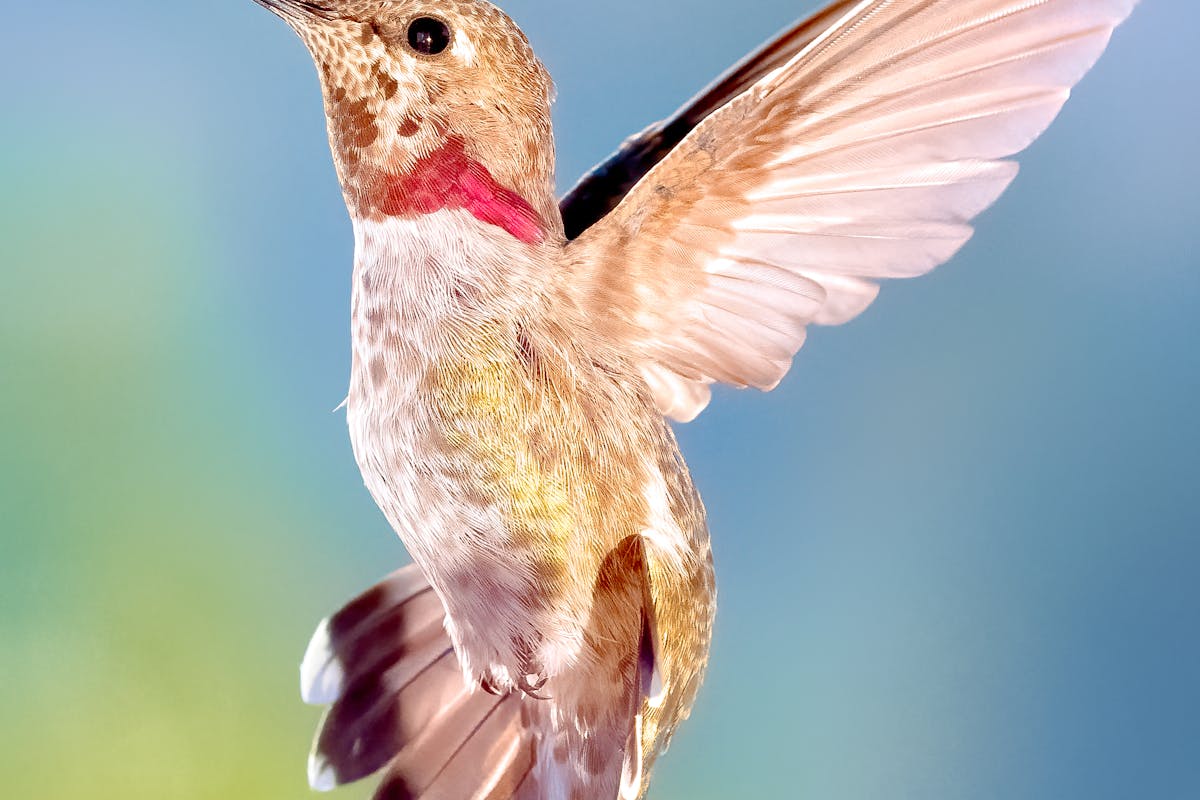
Anna’s Hummingbird is familiar along the Pacific Coast. It nests from Vancouver, Canada, to northern Baja California and is known to linger during winter.
Distribution:
-
Found along the western coast of North America, from southern Canada to northern Baja California.
-
Some individuals are spotted beyond their typical range in southern Alaska, New York, Florida, and Louisiana.
Anna’s Hummingbirds have the northernmost year-round distribution of any hummingbird. They gain weight during cold weather by converting sugar to fat.
Costa’s Hummingbirds
Costa’s Hummingbirds are small desert-dwelling birds. They breed mainly in the Mojave and Sonoran Deserts and winter in southern California and Mexico.
Allen’s Hummingbirds
Allen’s Hummingbirds are found in winter as far south as southern Mexico. They travel up the Pacific Coast in late winter and return through the mountains in late summer.
Black-chinned Hummingbirds
The breeding range of the Black-chinned Hummingbird extends from southern British Columbia to northern Mexico. They winter in southern California, southern Arizona, and parts of Texas and Mexico.
Calliope Hummingbirds
Calliope Hummingbirds breed in high subalpine forests of the northwestern U.S. and Canada. They migrate through Arizona and New Mexico for winter in southwestern Mexico.
Broad-tailed Hummingbird
Broad-tailed Hummingbirds migrate north in spring and winter in the highlands of Mexico.
Popular Hummingbird Feeders This Year
Hummingbird Central Shop
Find feeders, books, and more!
Hummingbird Central is part of the Amazon Services LLC Associates Program. We earn fees by linking to Amazon and affiliated sites, at no extra cost to you.

MD Imdadul Haque is the founder of BirdzFly, a research-backed resource on North American backyard birds. Drawing on years of independent study into bird identification, behavior, and migration patterns, he writes in-depth guides designed to help US birders understand the species in their own backyards — from common feeder visitors to seasonal migrants passing through.