
Hummingbird Nest Sizes
The nests and eggs of hummingbirds are wonders to behold. These tiny creations show the resourcefulness of the smallest birds. The female hummingbird, who does all the nest-building and chick-rearing, creates a small, stretchy, and well-camouflaged nest for her two jelly-bean-sized eggs.
The Hummingbird Nest
Overview
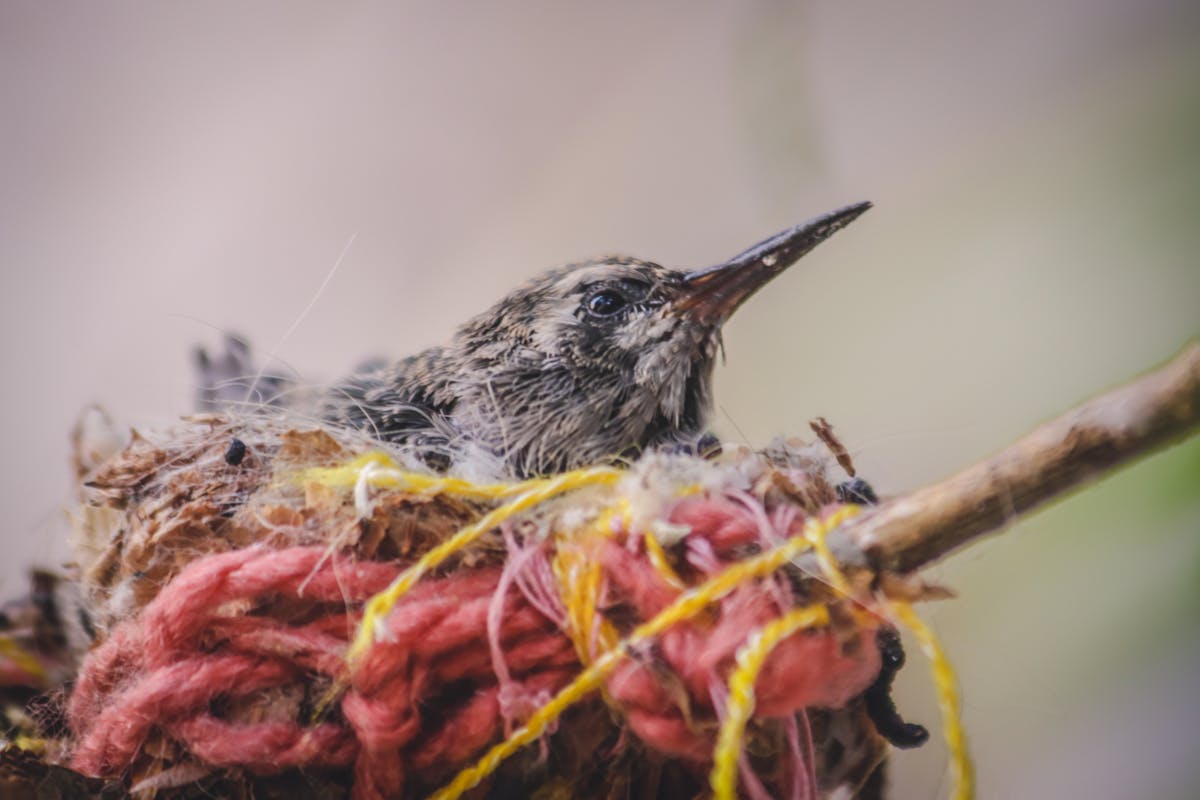
The nest of a hummingbird is a neatly constructed cup, usually no larger than a nut or golf ball.
Construction
-
Made by Females: The female builds the nest alone for about a week after mating. The male does not help.
-
Habitat: Nests are often found in protected spots among trees and shrubs, ranging from 6 to 90 feet above the ground.
Materials
Hummingbirds use various materials to build their nests:
-
Plant Down: Soft fluff from dandelions, thistles, and cattails.
-
Web Silk: This elastic adhesive holds the nest together and allows it to expand as the chicks grow.
-
Lichen and Moss: Used on the outside to conceal the nest.
Fun Fact: Nests are used for only one season. A female may build another nest nearby, but she abandons the first one after the chicks leave.
The Hummingbird Egg
Hummingbird eggs are among the smallest of all bird species, yet they seem large compared to the bird’s body size!
Characteristics
-
Size: They are very small, similar in size to a small navy bean or jelly bean.
-
Color: Hummingbird eggs are a plain, flat white, which may help reflect sunlight and prevent overheating.
-
Number of Clutches: A clutch usually contains 2 eggs, sometimes just 1. The eggs are laid 1-2 days apart.
-
Incubation: The female incubates the eggs for 15-18 days, starting after the second egg is laid. This allows both chicks to hatch at the same time.
Note: A hummingbird egg can be about 17% of the mother’s weight—a large fraction for such a small bird.
Raising the Young
After hatching, baby hummingbirds are featherless and helpless. The mother feeds them a diet rich in nectar and insects, regurgitating it directly into their mouths. The chicks usually fledge (leave the nest) at about three weeks of age.
Hummingbird Nesting: All You Need to Know
Hummingbird nests are one of nature’s great wonders. They are tiny and perfect, but hard to find. From below, they look like bumps on branches, hidden by leaves above.
Fascinating Hummingbird Nest Facts
-
Hummingbird nests are easily missed due to their small size.
-
Females build nests 10 to 90 feet above the ground, usually in trees or shrubs.
-
Nests are tiny cups made of velvet, with spongy floors and elastic sides that stretch as the young grow.
-
Hummingbird eggs are about the size of navy beans.
-
Most females lay two eggs and brood them for 15-18 days.
-
Young hummingbirds leave the nest between 18 to 28 days after hatching.
Attracting Hummingbirds to Nest
To attract hummingbirds, plant nectar-rich flowers in your garden. However, they need specific materials for nesting. Consider planting the following plants:
-
Catkin-bearing trees and shrubs: These provide soft fibers for nesting. Common options include:
-
Willow
-
Witch hazel
-
Alder
-
American elm
-
Cottonwood
-
Ironwood
-
Poplar
-
Birch
-
Beech
-
Mulberry
-
Maple
-
Also, include plants with fuzzy leaves like lamb’s ear and grasses that produce soft fibers. These attract hummingbirds searching for nesting materials.
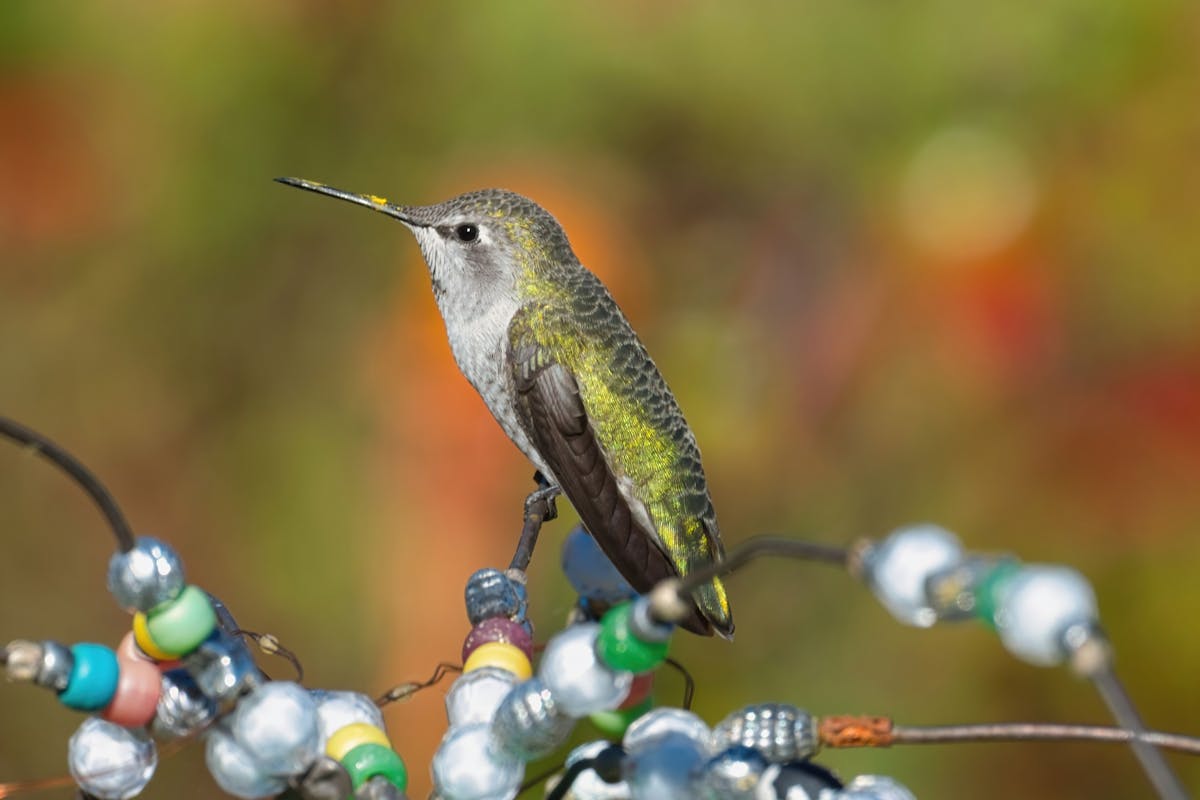
Hummingbird on Tree
Hummingbird Nest Characteristics by Species
Each hummingbird species has unique nesting habits. Here are some highlights:
-
Anna’s Hummingbird: Builds a simple platform by December and then makes the nest on it.
-
Black-Chinned Hummingbird: Deep cups with inward-curving rims.
-
Blue-Throated Hummingbird: Often nests on electric wires near cabins.
-
Broad-Tailed Hummingbird: Returns to the same site for nesting in subsequent years.
-
Calliope Hummingbird: Constructs multiple nests stacked on top of each other.
-
Costa’s Hummingbird: Can have up to six nests in a 100-foot area.
-
Rivoli Hummingbird: Builds the largest and highest nests in North America.
-
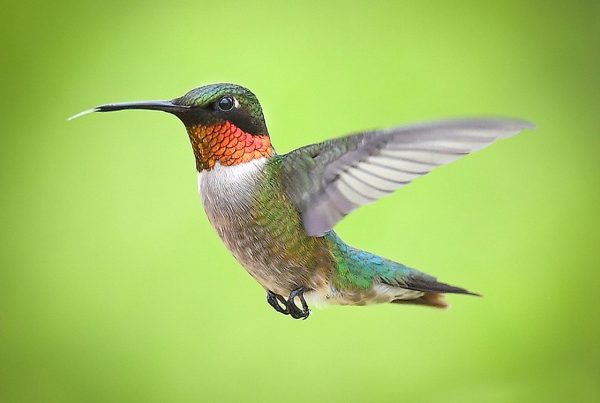
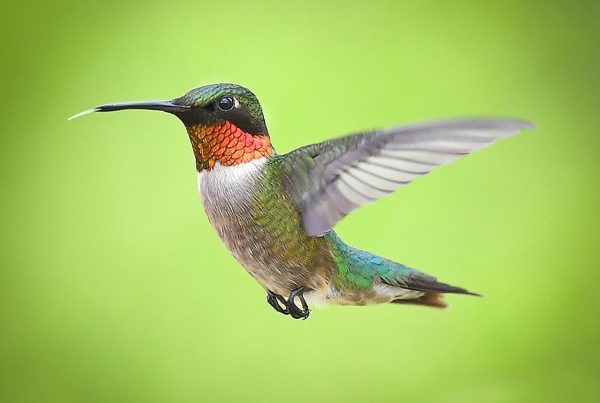
Ruby-Throated Hummingbird: Uses spider silk to attach nests and may lay eggs in a second nest while feeding young in the first.
-
Rufous Hummingbird: Known for being aggressive around their nest.
Do Hummingbirds Reuse Their Nests?
Hummingbird nests are tiny miracles. They are strong for their size but typically not reused. The female usually builds a new nest for each brood, even in the same year. Sometimes, they may build on top of an old nest if the site is good.
Conclusion
Hummingbirds are fascinating creatures with incredible nesting habits. By understanding their needs, we can create environments that support these tiny birds.
Want to learn more amazing facts about hummingbirds?

MD Imdadul Haque is the founder of BirdzFly, a research-backed resource on North American backyard birds. Drawing on years of independent study into bird identification, behavior, and migration patterns, he writes in-depth guides designed to help US birders understand the species in their own backyards — from common feeder visitors to seasonal migrants passing through.