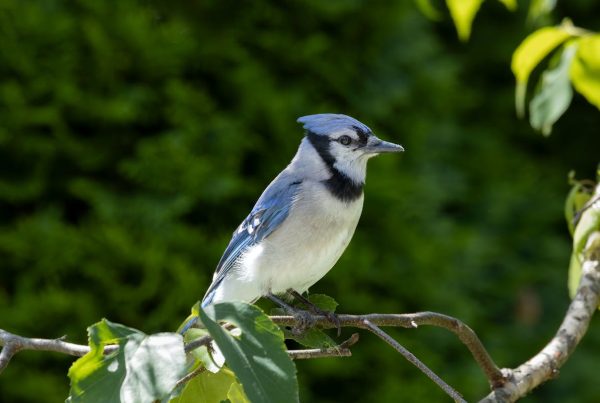

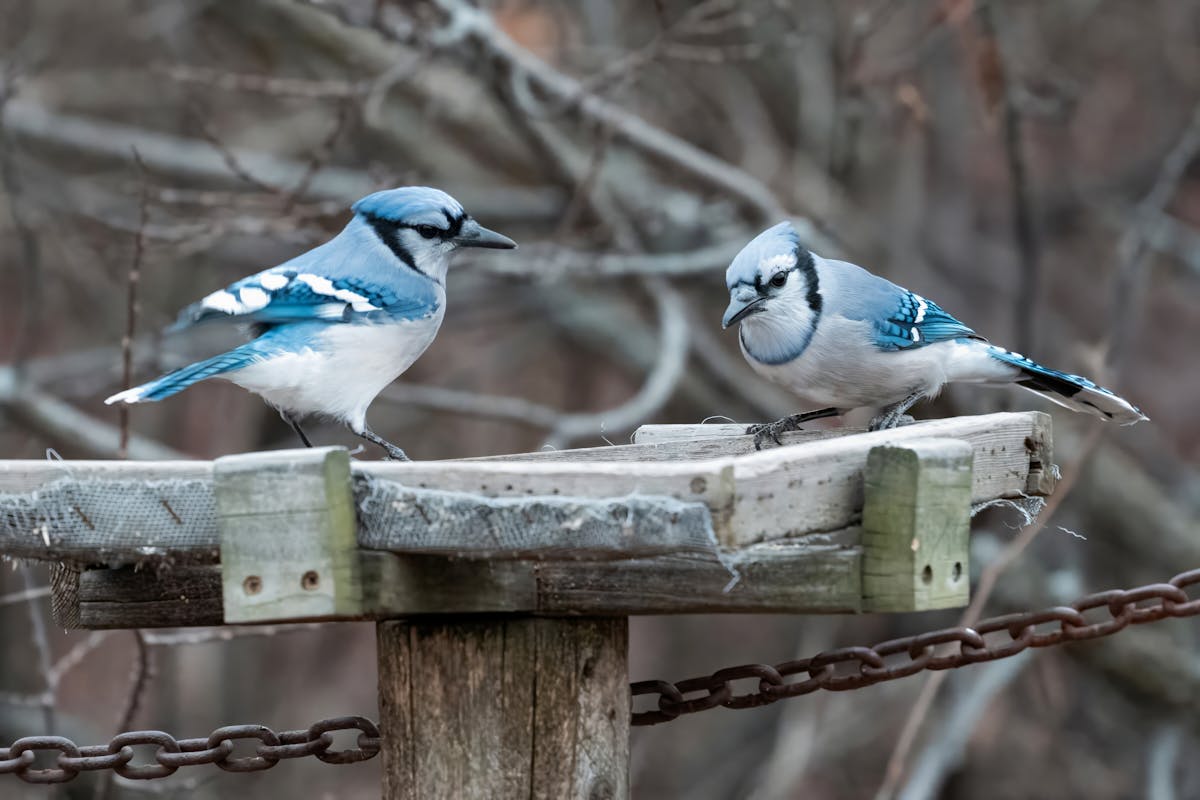
blue jay bird eat
Blue jays are omnivorous birds, consuming a variety of foods. Their diet includes:
-
Nuts
-
Seeds
-
Grains
-
Fruits
-
Insects
In some seasons, up to 75% of their diet may be plant-based. They often forage on the ground, in trees, and in shrubs.
Plant-Based Foods
Nuts and Acorns
-
A dietary staple, especially in fall and winter.
-
Blue jays store and bury acorns, helping to disperse oak trees.
Peanuts
-
A treat at backyard feeders, whether in or out of the shell.
-
Blue jays can stash multiple peanuts at once.
Seeds
-
They prefer sunflower seeds and various weed seeds.
-
Cracked corn is also a popular choice.
Grains
-
Blue jays eat several types of grains.
Fruits and Berries
-
Wild fruits like cherries, grapes, and blackberries are seasonal favorites.
Animal-Based Foods
Insects
-
In spring and summer, blue jays search for protein-packed insects to feed their young.
-
Their diet includes beetles, caterpillars, spiders, grasshoppers, and snails.
Wasps and Hornets
-
Blue jays hunt wasps and caterpillars for food.
Smaller Vertebrates
-
They occasionally eat small animals like mice, lizards, or frogs.
Bird Eggs and Nestlings
-
While blue jays may raid nests, this makes up a small part of their diet.
Carrion
-
They may eat the remains of dead animals.
Seasonal Diet Changes
Blue jays adapt their diet with the seasons:
-
Spring and Summer: Their diet shifts to include more insects to support their young.
-
Fall and Winter: Nuts, acorns, and seeds dominate their diet. They store food for leaner months but remain active in foraging.
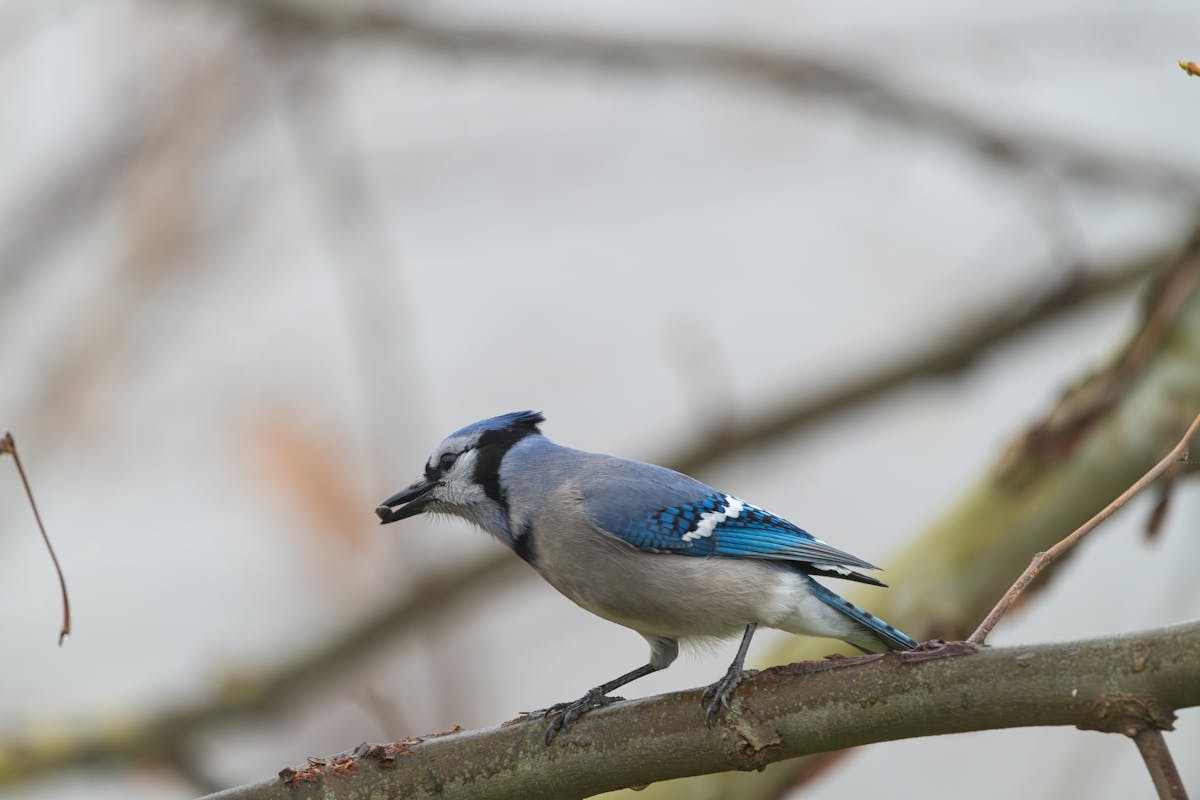
blue jay bird eat behaviour
Habitat and Behavior
Blue jays thrive in various forests, especially oak forests, and are common in urban areas. They are known for their intelligence and strong family bonds.
Nesting and Parenting
-
The female incubates the eggs and is fed by her mate during this time.
-
After hatching, both parents care for the nestlings.
Young Jays
-
Young can venture up to 15 feet from the nest before fledging.
-
Parents may delay feeding until the young return to the nest.
Communication
-
Blue jays use their crest to communicate.
-
Lower crest indicates calmness.
-
Raised crest signals aggression.
-
Vocalizations
-
They have a large “vocabulary” of sounds and can mimic other birds, even human words.
Food Storage
Blue jays store food in their throat and upper esophagus, allowing them to carry multiple acorns at once. This skill helps them gather thousands of acorns during autumn.
Migration
Blue jays are unique as they migrate north and south. Recent studies show that less than 20% of blue jays migrate, while many stay year-round.
Despite being common, blue jays remain fascinating birds with many mysteries to uncover.