
Introduction
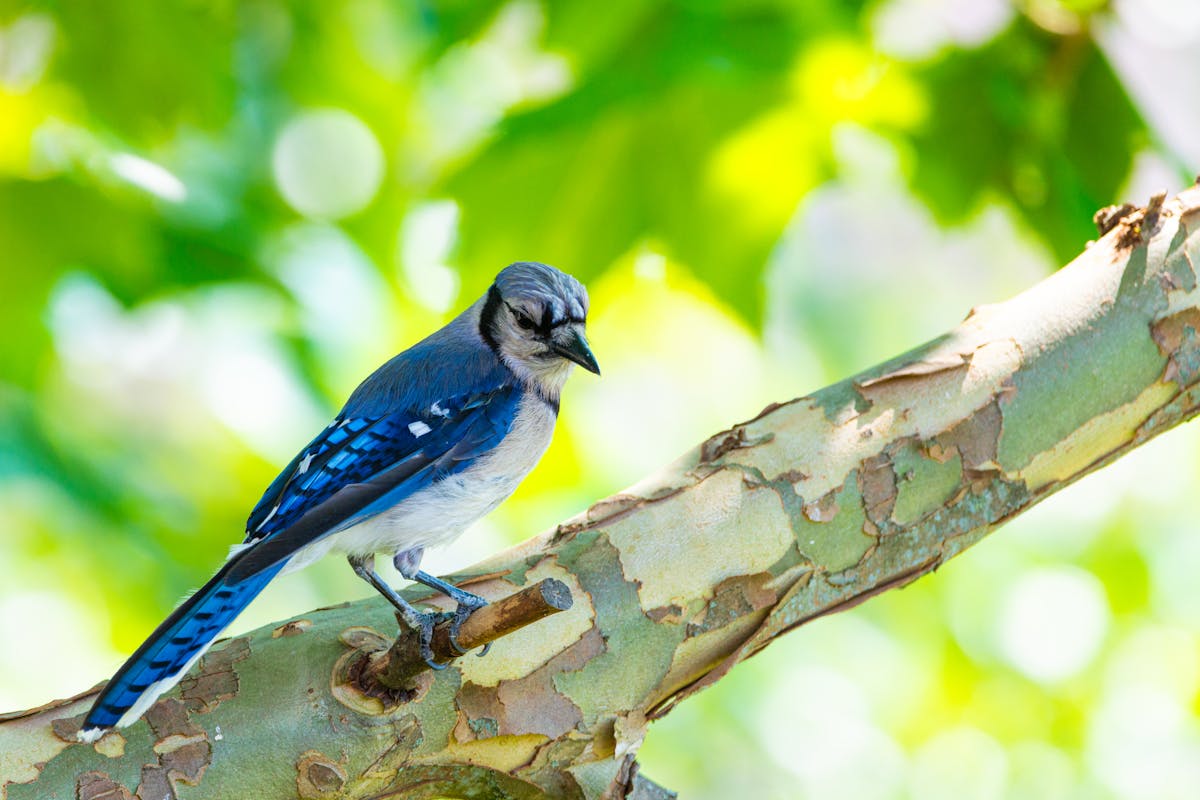
Blue Jay Facts 25 Surprising Things About This Brilliant Bird
The Blue Jay divides people. Some birders love it for its brash demeanor, fine feathers, and dazzling intellect. Others dislike it due to its noisy behavior and thieving nature.
Both camps often miss the bigger picture.
The Blue Jay is an important bird in North America. It stands out for its smart thinking and complex behaviors. Despite their vocalizations and boldness at feeders, they possess an incredible inner life. They plan for tomorrow, recognize individuals, gossip, and possibly plant millions of trees.
Here are 25 facts about Blue Jays that will change how you see this familiar bird.
Blue Jay Biology and Appearance
Fact 1: Blue Jays Aren’t Blue
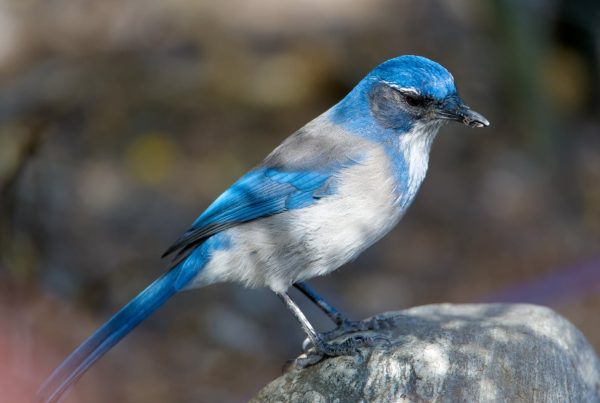
Blue Jay feathers have no blue pigment. The intense blue comes from structural coloration—tiny air pockets in the feathers refract light. When you crush a Blue Jay feather, the blue disappears, turning it grayish-brown. Other birds, like Indigo Buntings and Bluebirds, do this too.
Fact 2: The Black Necklace Signals Social Standing
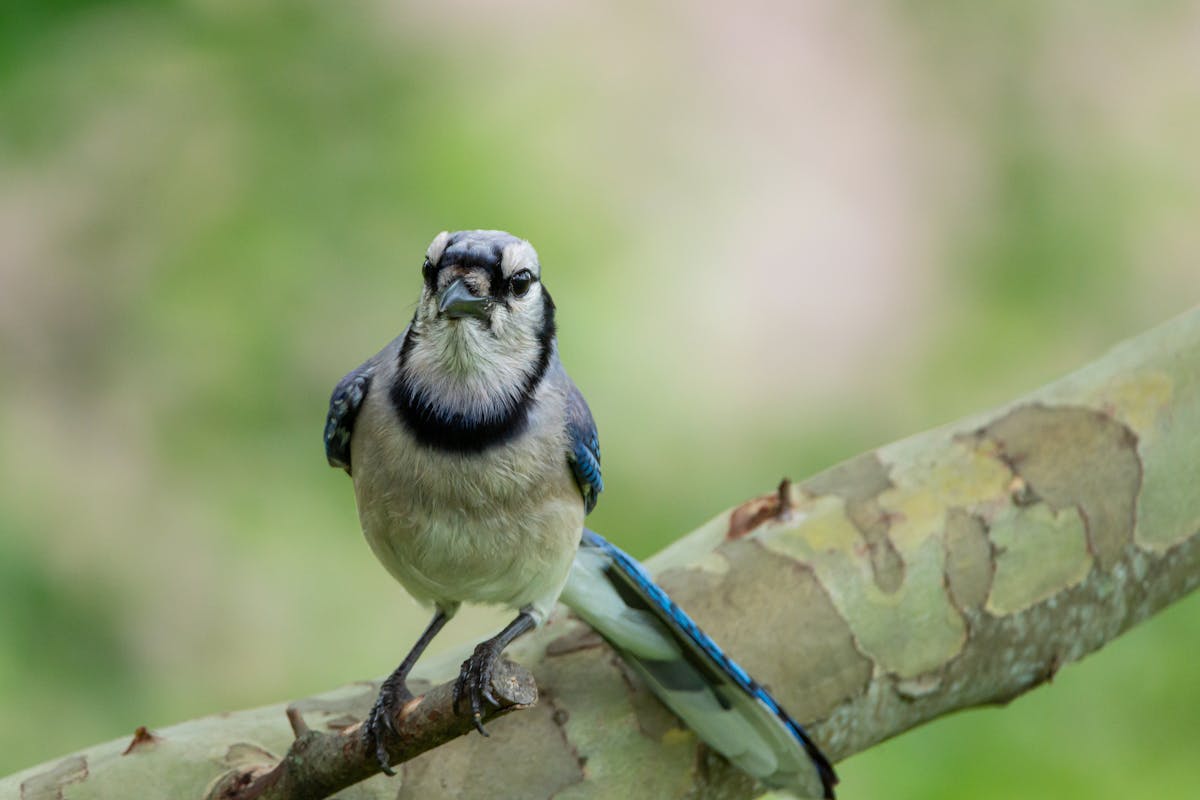
The thick black necklace on a Blue Jay’s upper breast varies in intensity. It may signal social rank or individual identity to other jays.
Fact 3: Their Crest Shows Emotion
The crest of a Blue Jay isn’t just for show. A raised crest signals alertness, aggression, or excitement. A flattened crest indicates fear or submission. A half-raised crest suggests a neutral stance. Observing a Blue Jay’s crest reveals its mood.
Fact 4: Males and Females Look the Same
Male and female Blue Jays look alike. You can only tell them apart through behavioral observation or molecular testing.
Blue Jay Intelligence
Fact 5: Blue Jays are Considered North America’s Smartest Birds
This claim is backed by science. Blue Jays and their corvid cousins, like crows, perform well on cognitive tests. In captivity, they have shown:
-
Use of tools (e.g., using newspaper strips to rake food)
-
Planning ahead (storing food for future shortages)
-
Self-recognition (passing the mirror test)
-
Cause-and-effect reasoning
Fact 6: Blue Jays Have Phenomenal Memory
Blue Jays are scatter-hoarders. They cache thousands of food items, mainly acorns and seeds. They can recall spatial memory, recognize landmarks, and possibly remember when they cached items.
Fact 7: They Make Plans for the Future
Research shows Blue Jays cache food when they anticipate future scarcity. They tend to cache more foods that will remain edible longer.
Fact 8: They Can Identify Individual People
Blue Jays can recognize individual human faces. They remember who poses a threat and may alarm call at that person for years while ignoring others.
Blue Jay Behavior and Communication
Fact 9: Blue Jays Teach Their Young
Adult Blue Jays model complex behaviors for young birds. This social learning helps younger birds observe and copy important activities. Family groups stay together for their first year, enhancing learning opportunities.
Fact 10: A Complex Warning System
Blue Jays create different alarm calls for various predators. Their general alarm, a “jay-jay,” alerts all birds. They also make specific calls for hawks, prompting nearby birds to freeze or flee.
Fact 11: Blue Jays Mimic Hawks
Blue Jays mimic the calls of Red-shouldered and Red-tailed Hawks. This mimicry may serve to warn other birds, scare them away from feeders, or practice their calls.
Fact 12: Diverse Vocalizations
Blue Jays produce a wide variety of sounds beyond the typical “jay” call. They make soft clicks, whistles, buzzing sounds, gurgles, and squeaks. Many are surprised to learn these quieter calls come from Blue Jays.
Fact 13: Mated Pairs Sing Softly
Blue Jays have intimate vocalizations called “whisper songs” during courtship. These songs hint at the complex social lives of these birds.
Blue Jay Ecology and Diet
Fact 14: Blue Jays Are Essential to Forests
Blue Jays play a crucial ecological role. They eat and stash acorns extensively. According to research, a single Blue Jay can cache and plant 4,500 acorns each fall. Their caches help oak seedlings grow, contributing to the northward expansion of oak forests.
Fact 15: They Have a Special Throat Pouch for Acorns
Blue Jays can temporarily store up to 5 acorns in their expandable throat pouch and one in their bill. This efficiency enables them to transport thousands of acorns in a season.
Blue Jay Facts
Fact 16: They Eat More Than You Think
What Blue Jays eat includes:
-
Acorns
-
Beechnuts
-
Other nuts and seeds
-
Berries
-
Fruits (like grapes)
-
Insects (grasshoppers, beetles, caterpillars)
-
Carrion
-
Nestlings (rarely)
-
Mice
-
Frogs
-
Salamanders
While they have a reputation as “notorious nest predators,” studies show that eggs and nestlings make up less than 1% of their diet.
Fact 17: They Drink Water Uniquely
Blue Jays drink by scooping water with their lower bill and tipping their head back to swallow. This method compensates for their lack of a typical swallowing mechanism.
Blue Jay Family Life
Fact 18: Blue Jays Mate for Life
Blue Jay pairs are generally monogamous and stay together year after year. Their faithful behavior is similar to other birds that mate for life. They work closely to build nests, incubate eggs, and raise chicks.
Fact 19: Strong Parental Care
Both male and female Blue Jays are assertive nest defenders. They will dive-bomb and chase away threats, regardless of their size.
Fact 20: Family Groups Stay Together
Blue Jay family groups, including a mated pair and their offspring, often remain together through winter and into the next breeding season. They share information about local food sources and predator warnings.
Blue Jay Migration and Survival
Fact 21: Not All Blue Jays Migrate
Most Blue Jays are year-round residents. Some migrate in certain years, making their migration patterns complex and not fully understood.
Conclusion
In time for setting some Christmas attitudes, the Blue Jay that you have been watching in your feeder is not only a beautiful nuisance. Our cousin, the forest planter, sees your sad face. It imagines the future and communicates in ways we are just starting to grasp. This being is a smart, eco-conscious entity.
When a sparrow visits your yard next, take the time to listen. The crest, the calls, the behavior in caches, the family dynamics — it is all there for anyone who wants to pay attention. For more on its symbolic and spiritual meaning, see our deeper guide.
Type in at least three characters Find more bird facts, species guides and backyard birding tips at BirdzFly com

MD Imdadul Haque is the founder of BirdzFly, a research-backed resource on North American backyard birds. Drawing on years of independent study into bird identification, behavior, and migration patterns, he writes in-depth guides designed to help US birders understand the species in their own backyards — from common feeder visitors to seasonal migrants passing through.