blue jay bird Explain.
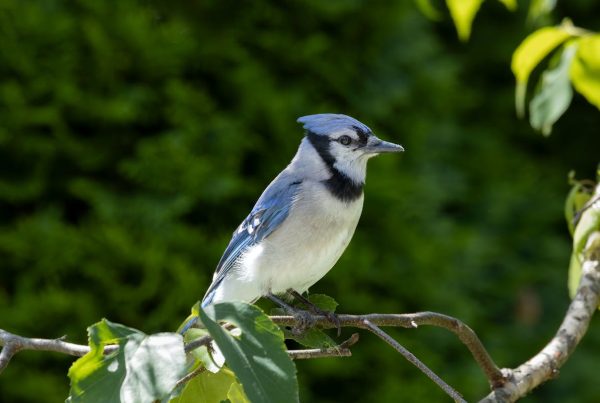
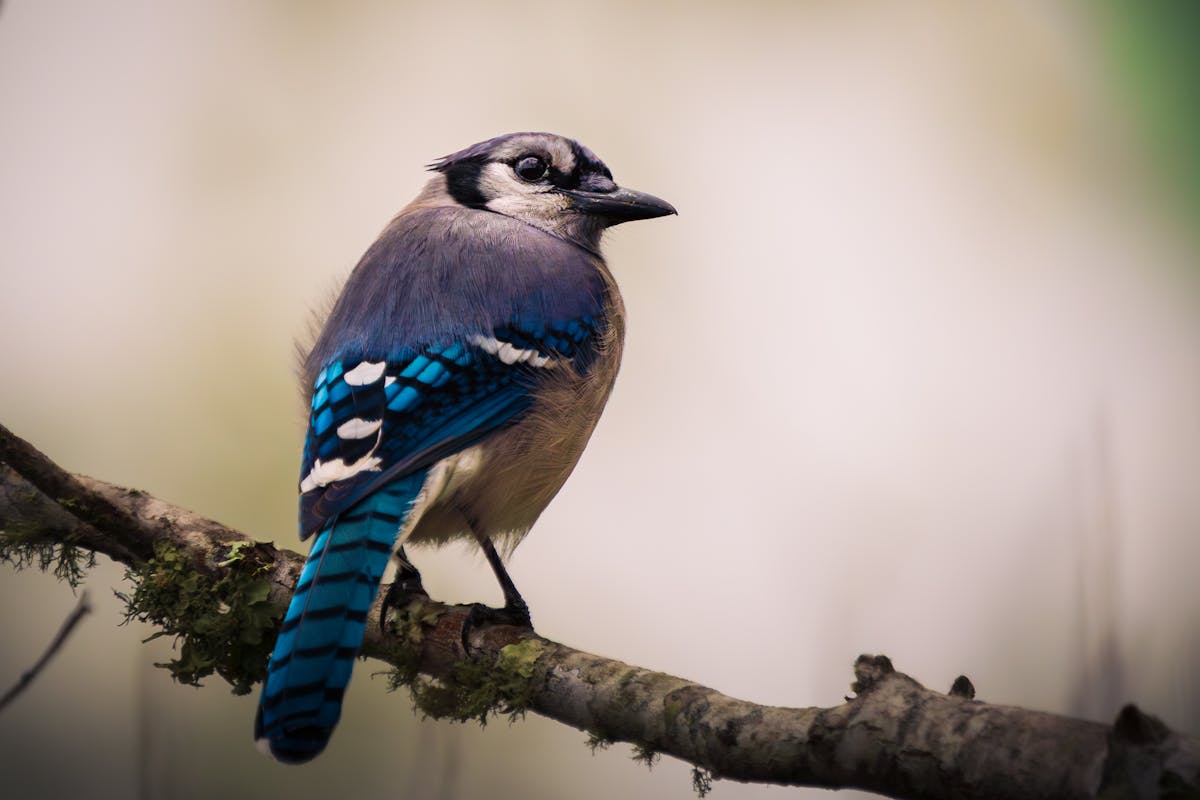
The blue jay is a robust, noisy, and colorful North American bird that belongs to the crow family. Recognizable for its loud calling, it has a feathered crest that rises like an inverted comb in the middle of its head.
Key Characteristics
Appearance
-
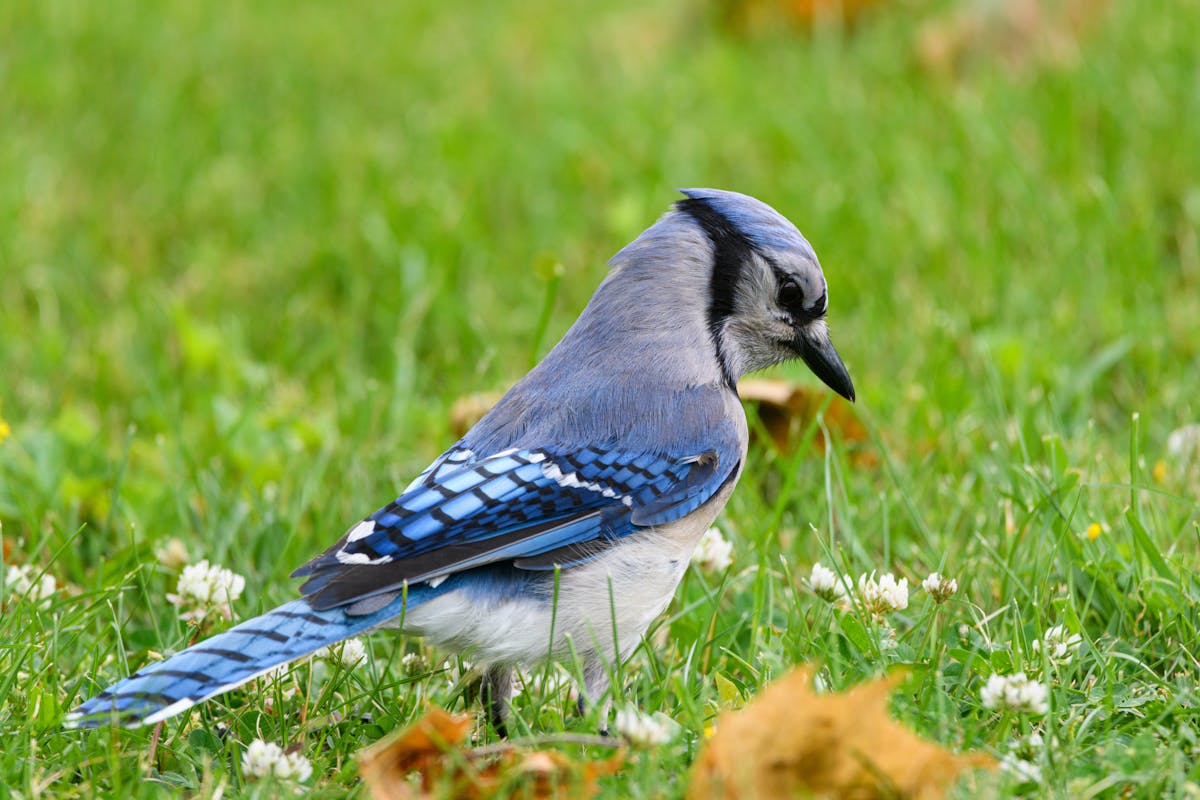
Bright blue and white with some black accents.
-
Blue back and white or light-grey underside.
-
Intense blue crested head.
-
Black feathers that form a “necklace” over the upper chest.
-
Bold black and white bars in the wings and tail.
-
The blue color is not from pigment but from light scattering in the feathers’ structure.
Vocalization
The blue jay is noisy and has a large vocal repertoire. Its most recognized call is a loud, rasping “jaay-jaay.” They can imitate the calls of other birds, especially hawks, to alert other jays about predators or to sound alarms at feeders.
Intelligence
Blue jays are very intelligent birds. They can solve problems and even use objects to get food, a behavior often seen in captivity.
Behavior
-
Aggressive and territorial, especially during breeding season.
-
They drive smaller birds away from feeders.
-
They are also social and often gather in large flocks, especially in the fall.
Diet
Blue jays are omnivorous and have a varied diet:
-
About 75% of their diet comes from plants, including:
-
Nuts (especially acorns)
-
Seeds
-
Grains
-
Fruit
-
-
They can hold nuts with their feet and crack them open with their bills.
-
The rest of their diet includes insects, spiders, small rodents, and frogs. While they can eat eggs and nestlings of other birds, this behavior is uncommon.
Habitat and Nesting
Habitat
Blue jays live in forests, suburban areas, and patches of deciduous forest across eastern and central North America. They thrive in:
-
Large forest areas
-
Oak and beech woods
-
Urban or suburban environments with adequate trees
Nesting
-
Blue jays form monogamous pairs that mate for life.
-
They build a cup-shaped nest using:
-
Twigs
-
Grasses
-
Roots
-
Other plant materials, typically in a treetop or shrub.
-
-
The female lays 3 to 6 eggs and, while she incubates them, both parents feed the chicks.
blue jay bird migration
Migration Patterns
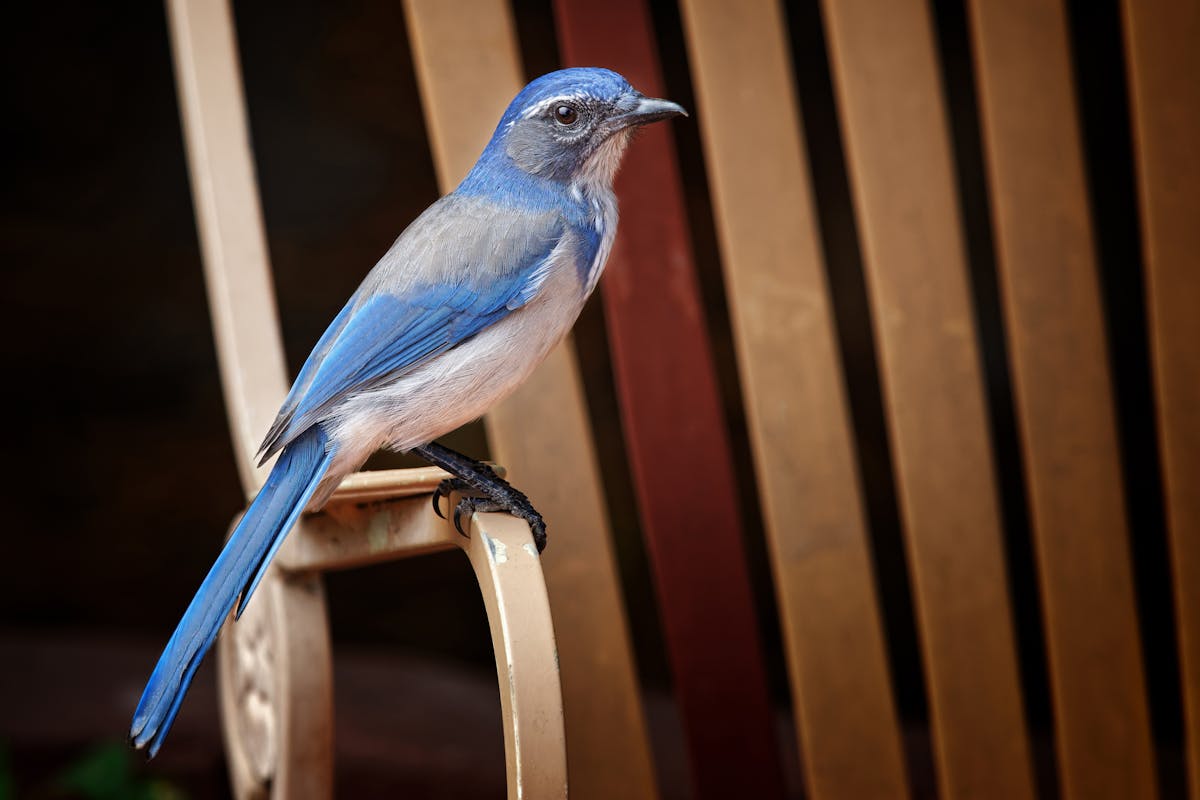
Blue jays are partial migrants. Some stay in the same area all year, while others fly south for winter, especially those near the northern edge of their range. Their migration routes are not well known, but they can be seen in large numbers along coastlines and near the Great Lakes.
Other Names
-
Chara Azul (Spanish)
-
Geai bleu (French)
Feeding Preferences
Blue jays prefer tray feeders or hopper feeders on a post over hanging feeders. They enjoy:
-
Peanuts
-
Sunflower seeds
-
Suet
You can attract them by planting oak trees, which will provide acorns in the future. They frequently drink from birdbaths.
Cool Facts
-
Thousands of blue jays migrate in flocks along the Great Lakes and Atlantic coasts, but much about their migration remains a mystery.
-
Some adult jays migrate, while young birds may migrate more often.
-
Blue jays can mimic hawk calls, especially the Red-shouldered Hawk, to communicate with other jays or deceive other species.
-
Tool use has not been recorded in the wild, but captive blue jays have been observed using newspaper strips to gather food.
-
Blue jays can reduce their crest when feeding quietly.
-
The oldest known banded wild blue jay was 26 years and 11 months old when found dead in 2016.
With these fascinating traits, the blue jay is a remarkable bird to observe and learn about.