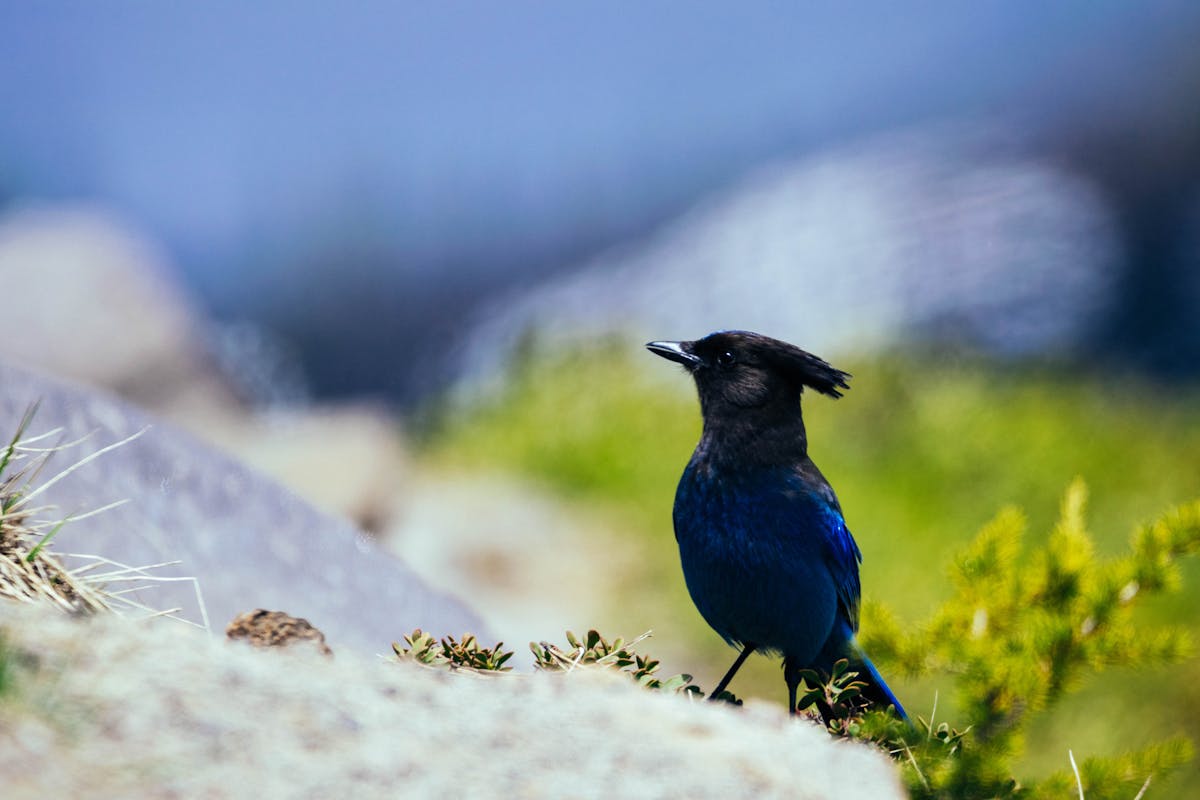
blue jays play
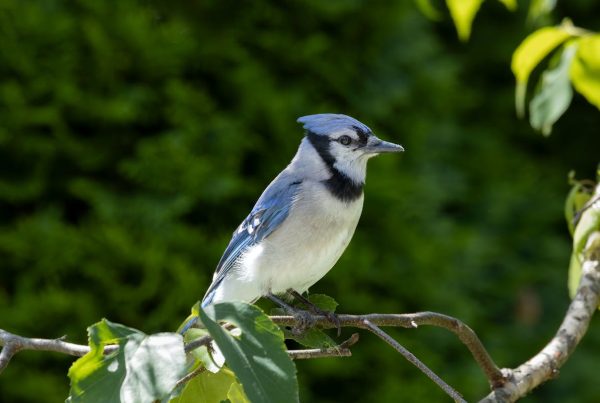
People love blue jays, which are common in North American forests. You can spot them by their bright blue feathers and loud calls. But blue jays are not just pretty; they play a vital role in keeping forests healthy. They help in two main ways: as seed dispersers and as insect consumers. Their actions influence forest density and longevity, especially in oak woodlands. Blue jays show intelligence and adaptability, making them crucial for many ecosystems. Summertime, they affect forest density and longevity, especially the oak woodlands. Their behaviors — stashing acorns, posing as other species — bespeak intelligence and adaptability that show them to be crucial players in a variety of ecosystems.
Seed Dispersal and Forest Regeneration
Blue jays are key seed dispersers, particularly for oak trees. They stash thousands of acorns each year by digging holes in the ground during autumn. Although they store these nuts to eat later, they often forget some. This forgetfulness allows acorns to germinate into new oak and beech trees. Their actions help forests grow and regenerate.
Key Points on Blue Jay’s Seed Dispersal:
-
Blue jays can carry acorns 2 to 5 miles away.
-
They have a unique throat pouch that lets them carry many acorns at once.
-
Their long-distance transport helps seeds spread to new areas after disasters.
Scientists believe blue jays were crucial in repopulating oak forests in North America after the last Ice Age. They are picky about the seeds they choose, often selecting healthy and fertile acorns. This increases the chance of successful sprouting.
Study Findings:
-
A group of 50 blue jays buried 150,000 acorns from 11 pin oak trees in one season.
-
Most unharvested acorns were destroyed by insects.
-
Blue jays make hundreds of trips in autumn, transporting up to seven acorns at a time and flying over 1,500 miles in a month.
Scientists consider blue jays as keystone species in oak ecosystems. Even if they forget just 5% of the acorns, they can help grow thousands of new oak trees each year. The loss of blue jays would disrupt the entire ecosystem.
Predator and Prey Dynamics
Blue jays are not just seed dispersers; they are also omnivores. They play the roles of both predator and prey. By eating a wide variety of insects, blue jays help control harmful species, maintaining balance in the ecosystem.
As Predators, Blue Jays Consume:
-
Beetles
-
Caterpillars
-
Small animals and bird eggs
This helps keep smaller bird populations in check. Their feeding habits also reduce the need for chemical treatments in forestry.
However, blue jays are also prey for larger animals. Squirrels, crows, snakes, and raccoons target their eggs and young. Adult blue jays are sometimes hunted by hawks and owls. This keeps the ecosystem balanced.
Communication, Intelligence, and Mimicry
Blue jays are known for their intelligence and strong family bonds. They use loud “jeer” calls to warn others of danger. When predators like hawks are nearby, blue jays alert both their kind and other birds.
Communication Skills:
-
They have multiple alarm calls.
-
They can mimic hawk sounds to scare away other birds, allowing them to find food.
This intelligence helps them adapt to various environments, from deep woods to suburbs.
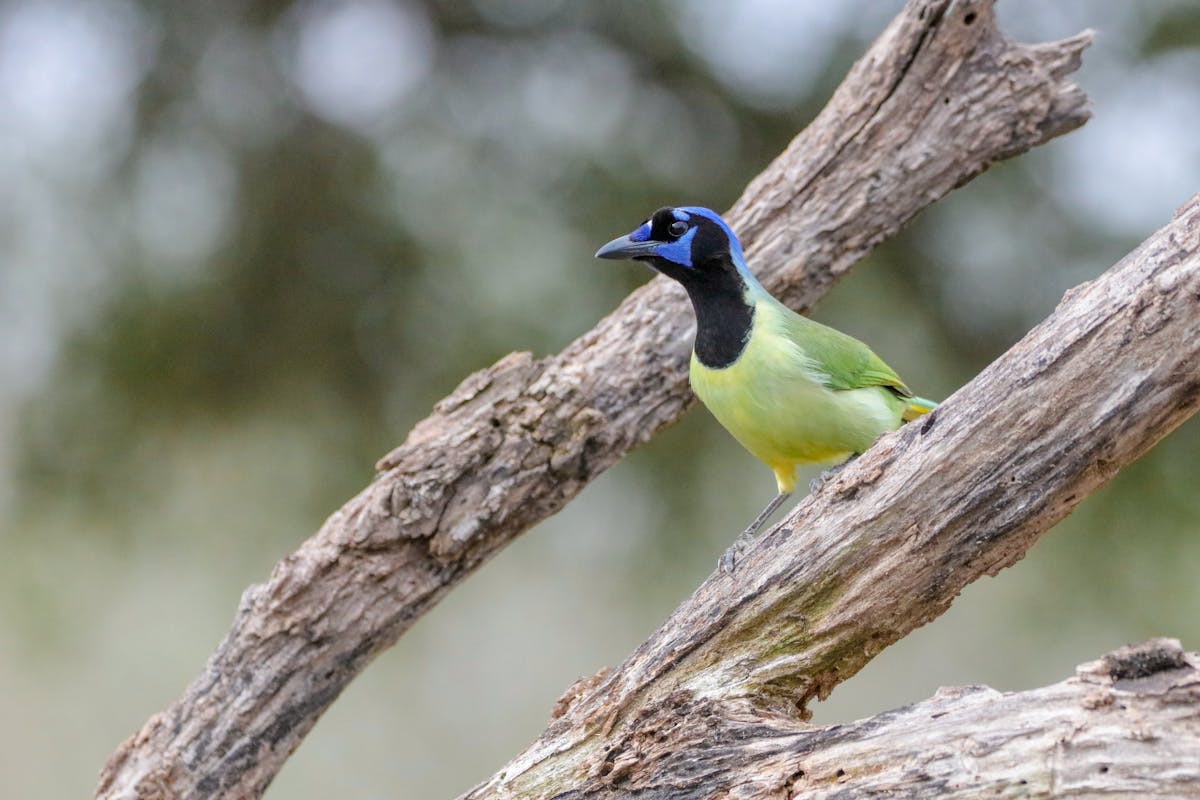
blue jays ecosystem
Blue Jays as Pest Controllers
Blue jays are critical for insect pest control. They eat insects, larvae, and small invertebrates that harm plants. They search for insects under tree bark, leaves, and soil, helping protect trees and crops.
Benefits of Blue Jays in Gardens:
-
They eat many garden-destroying insects.
-
They reduce the need for chemical pesticides.
-
Attracting blue jays to feeders can enhance biodiversity and improve garden health.
Ecological Significance and Forest Health
Blue jays play multiple roles that keep ecosystems balanced. By spreading acorns, they help forests regrow. The oaks and beeches that emerge from their caches provide homes and food for many creatures. They also contribute to soil protection and climate regulation.
Moreover, they help control pests, which aids plant growth by minimizing insect damage. Their alarm calls benefit smaller animals, and their role as prey supports larger predators. This interconnectedness shows that blue jays are essential for a balanced ecological community. Without them, oak forests would regenerate slowly, insect populations could surge, and forest health would decline.
All in all, blue jays are more than just loud, colorful birds. They are vital players in forest ecosystems. They act as seed sowers, pest controllers, and communicators. Their acorn-stashing habits promote ongoing oak forest development, making them architects of woodland ecosystems. Their omnivorous nature keeps insects in check, and their intelligence helps them adapt and survive.
As both predators and prey, blue jays regulate food chains. Their calls warn other species of danger. The combination of their intelligence, behavior, and ecological roles makes them a keystone species. Without blue jays, forests would not be the rich and vibrant ecosystems we know today.