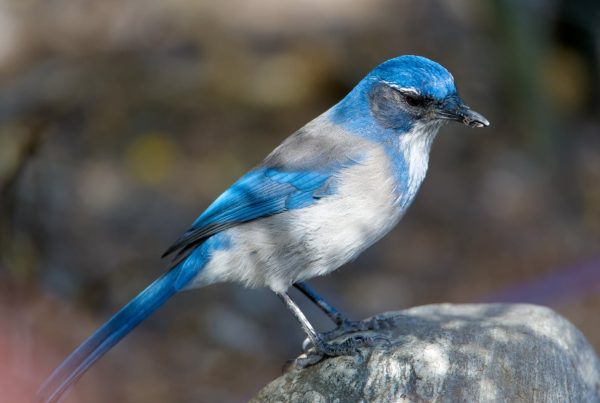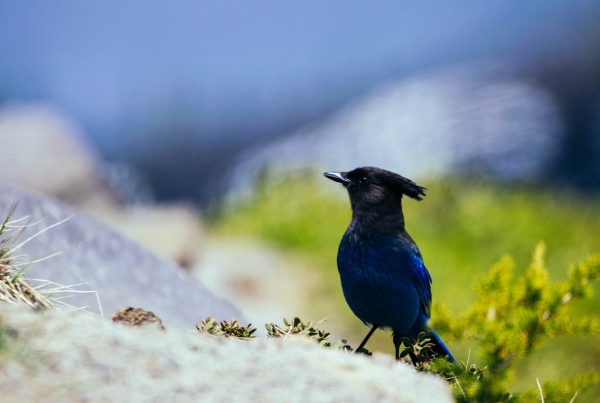

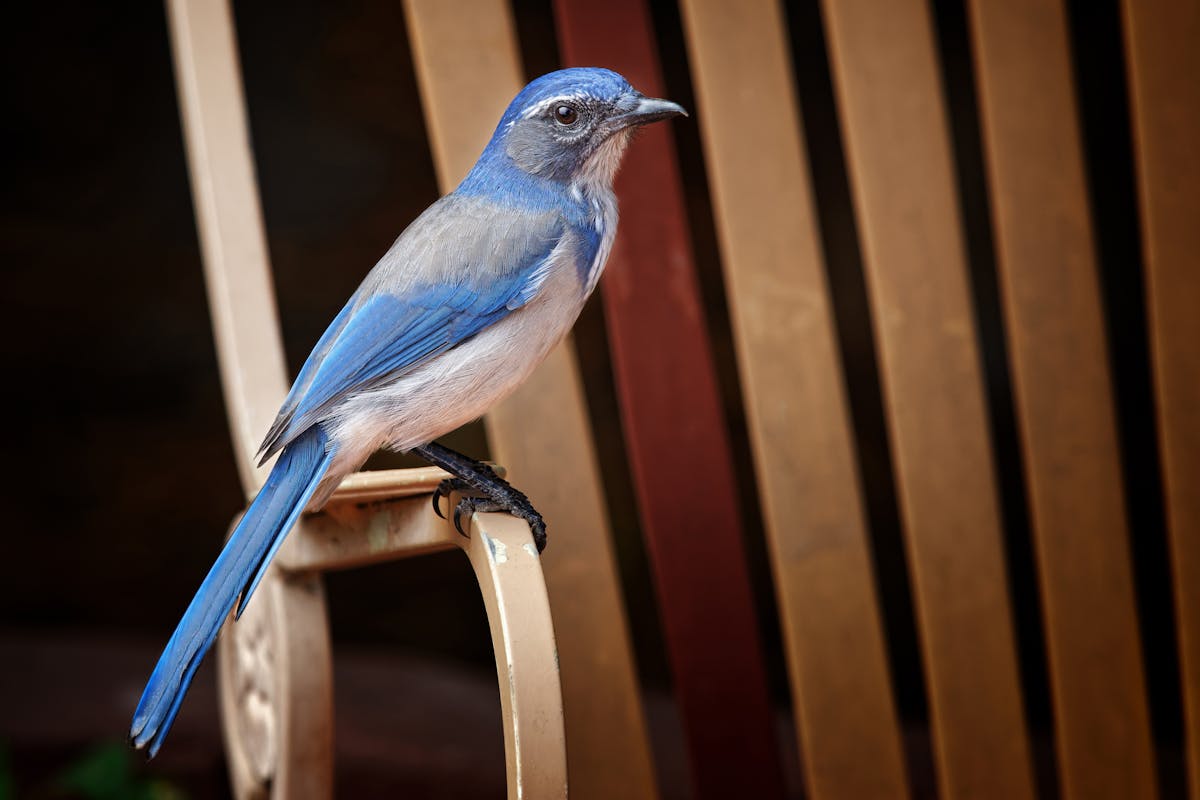
Blue Jays Aggressive
Yes, blue jays are aggressive. They defend their territory and young from predators and rivals. They use dive-bombing, vocalizations, and sometimes even striking to protect themselves. They show aggression at feeding spots. This behavior often pushes smaller birds away so they can get food.
With their flashy blue feathers and loud calls, blue jays are among the most recognizable birds. If you feed birds in your yard, you may have seen how blue jays can act like bullies. They can be loud and intrusive, often scaring away smaller birds. This behavior is why many bird enthusiasts do not favor them.
Where They Live
Blue jays are found across the entire United States east of the Rocky Mountains and in parts of southern Canada, according to the Cornell Lab of Ornithology. Their movements are not well studied. They are migratory, but not all blue jays migrate. While they are common throughout the year, some do move further south for the winter.
What They Eat
Blue jays enjoy a varied diet. They feed on:
-
Insects
-
Nuts
-
Seeds
-
Grain
If you want to attract blue jays to your yard, try placing peanuts, suet, or sunflower seeds outdoors. Blue jays prefer tray and hopper-type feeders over hanging feeders.
Keep reading to discover more about these fascinating birds!
They Aren’t Really Blue
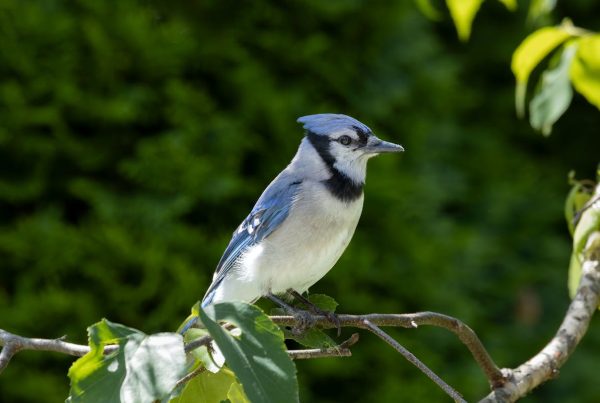
It might surprise you, but blue jays are not truly blue. Their feathers contain brown melanin. We see them as blue due to light scattering.
Here’s how it works:
-
Blue jays have air pockets and keratin in their wings.
-
When light hits these pockets, it absorbs all colors except blue.
-
The blue wavelength is refracted, making it visible to us.
Other blue songbirds, like bluebirds and indigo buntings, also follow this principle. Unlike blue jays, cardinals are truly red, and goldfinches are genuinely golden.
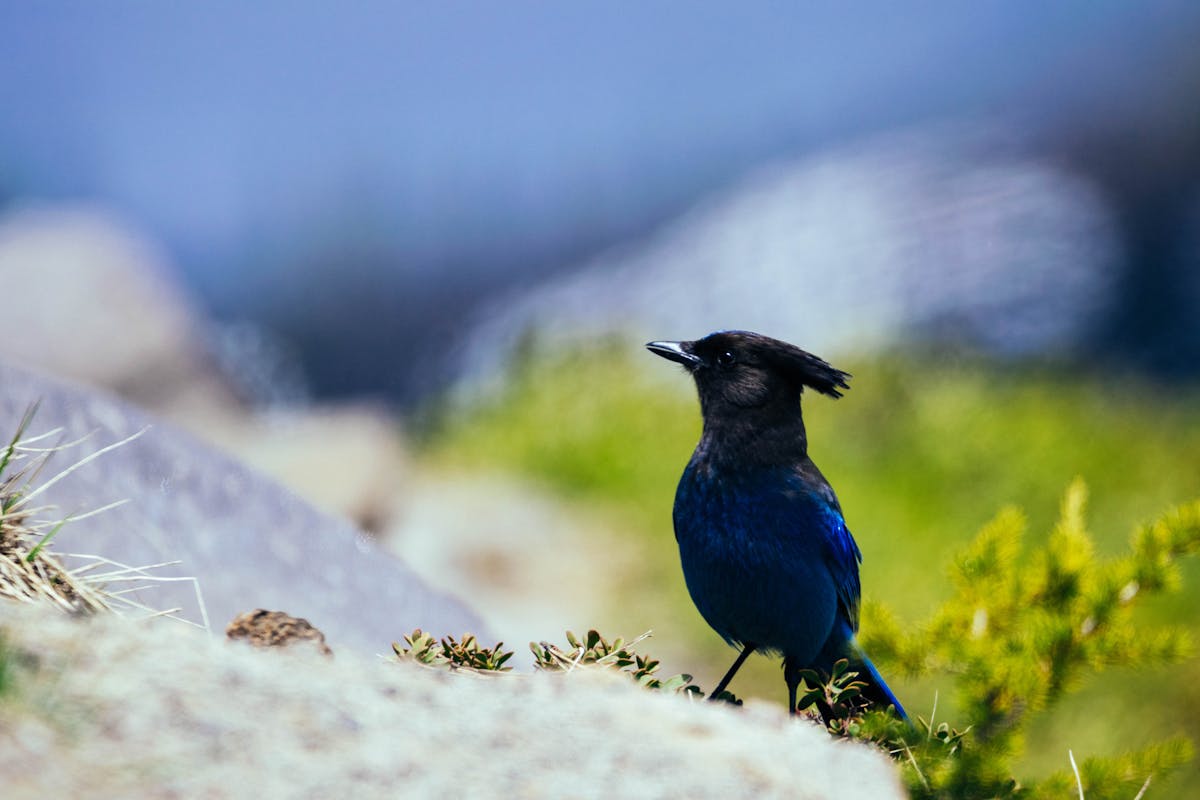
Blue Jays in Ground
They Are Quite Smart
Avian Family
Blue jays belong to the Corvidae family, which includes crows and ravens. National Geographic ranks corvids among the smartest birds.
Social Behavior
Blue jays are social birds that build close relationships. They communicate with body language and sound. For example:
-
A lowered crest signals a calm state.
-
A high crest indicates aggression.
-
Squawking shows agitation.
They can mimic other hawks, like the red-tailed and red-shouldered hawks. Scientists believe this may serve as a warning or a tactic to deceive other birds.
They Gather Paint Flakes
This strange habit involves blue jays chipping away at light-colored paint and storing the chips. Why do they do this? They need calcium in spring for egg-laying. Paint contains lime, a good source of calcium.
This behavior is more common in the northeastern U.S., likely due to acid rain removing calcium from the soil. If blue jays are damaging your paint, consider putting out crushed eggshells for them, sterilized by boiling or baking.
They Love Acorns
Blue jays enjoy acorns, just like squirrels. If you have oak trees nearby, you will likely see blue jays often. Planting oak trees can help encourage them.
Role in Reforestation
Blue jays play a crucial role in spreading oak forests. They:
-
Cache acorns for later use.
-
Often forget about the buried nuts.
These forgotten acorns can grow into oak trees, helping to expand forests.
They Don’t Get Much Love
Despite their unique qualities, blue jays receive less attention than other popular birds. For example, the northern cardinal is the state bird of seven states, while blue jays have no state bird designation.
However, blue jays have gained some respect. The Toronto Blue Jays, a Major League Baseball team, is named after them. Additionally, the province of Prince Edward Island in Canada has adopted the blue jay as its provincial bird. Several U.S. colleges also use blue jays as their mascots, including Creighton University and Johns Hopkins University.

MD Imdadul Haque is the founder of BirdzFly, a research-backed resource on North American backyard birds. Drawing on years of independent study into bird identification, behavior, and migration patterns, he writes in-depth guides designed to help US birders understand the species in their own backyards — from common feeder visitors to seasonal migrants passing through.