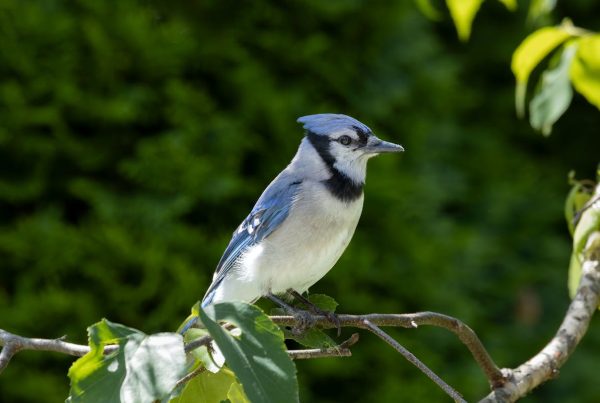
The blue jay (Cyanocitta cristata) is a familiar bird in North America. It is recognized for its vivid blue feathers, distinct calls, and intelligent personality. Blue jays mainly live in the eastern and central United States and southern Canada. Most blue jays stay year-round, but some from northern areas may migrate.
This book covers the blue jay’s habitat, migration, and range. It includes an introduction, figures, identification, and distribution. This illustrates how blue jays thrive while maintaining strong population numbers.
Blue jay birds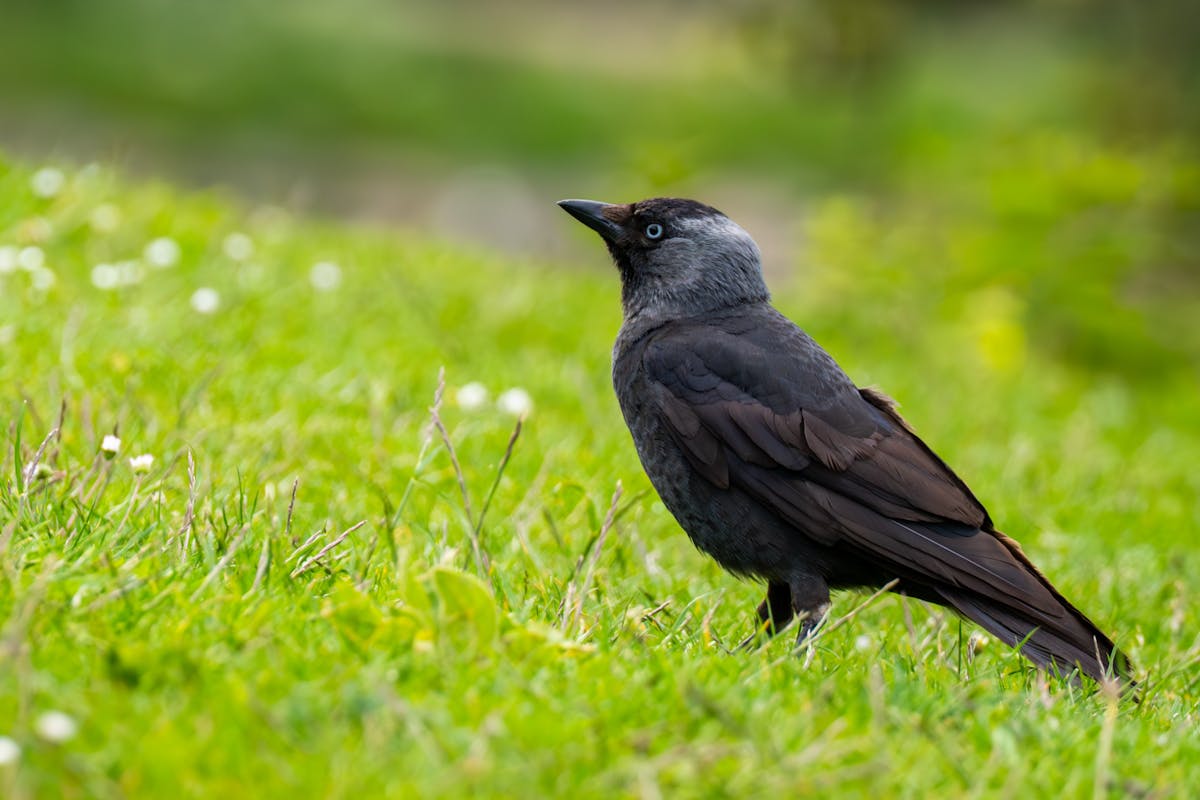
Habitat
Blue jays are versatile and live in various habitats. They prefer areas with open spaces and plenty of trees. Their favorite habitats include:
-
Deciduous and Mixed Forests: Blue jays thrived in dense forests, especially those with oak-beech trees that produce acorns, a key food source. These woods provide nesting sites and protection.
-
Suburbs and Parks: Blue jays adapt well to human environments. They often visit bird feeders for seeds, nuts, and grains. Their ability to live alongside humans shows their intelligence.
-
Forest Edges and Open Woodlands: Blue jays can adapt to some disruption and prefer areas with access to woodlands.
-
Urban Areas: In cities, blue jays nest in yards, cemeteries, and tree-lined streets. This flexibility helps them maintain stable populations.
Overall, blue jays thrive in various habitats as long as they have trees and food.
Geographic Range
The blue jay’s range covers eastern North America, from southern Canada to the Gulf of Mexico, and westward to the Rocky Mountains.
-
Northern Range: Found in woodlands from Alberta to Newfoundland, Canada.
-
Southern Range: Present in southern California and west to the Gulf Coast year-round.
-
Atlantic Coast: Common from Maine to New York, then south through Virginia and into the Carolinas.
-
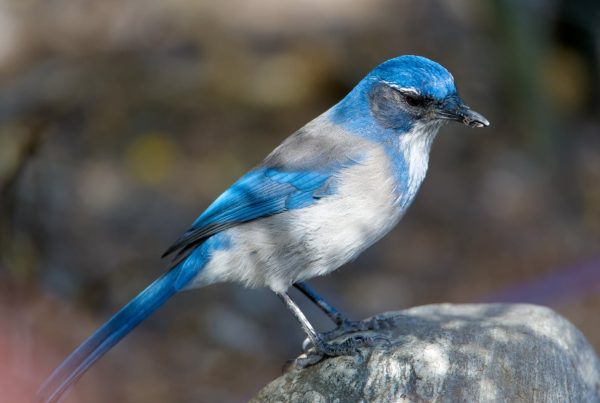
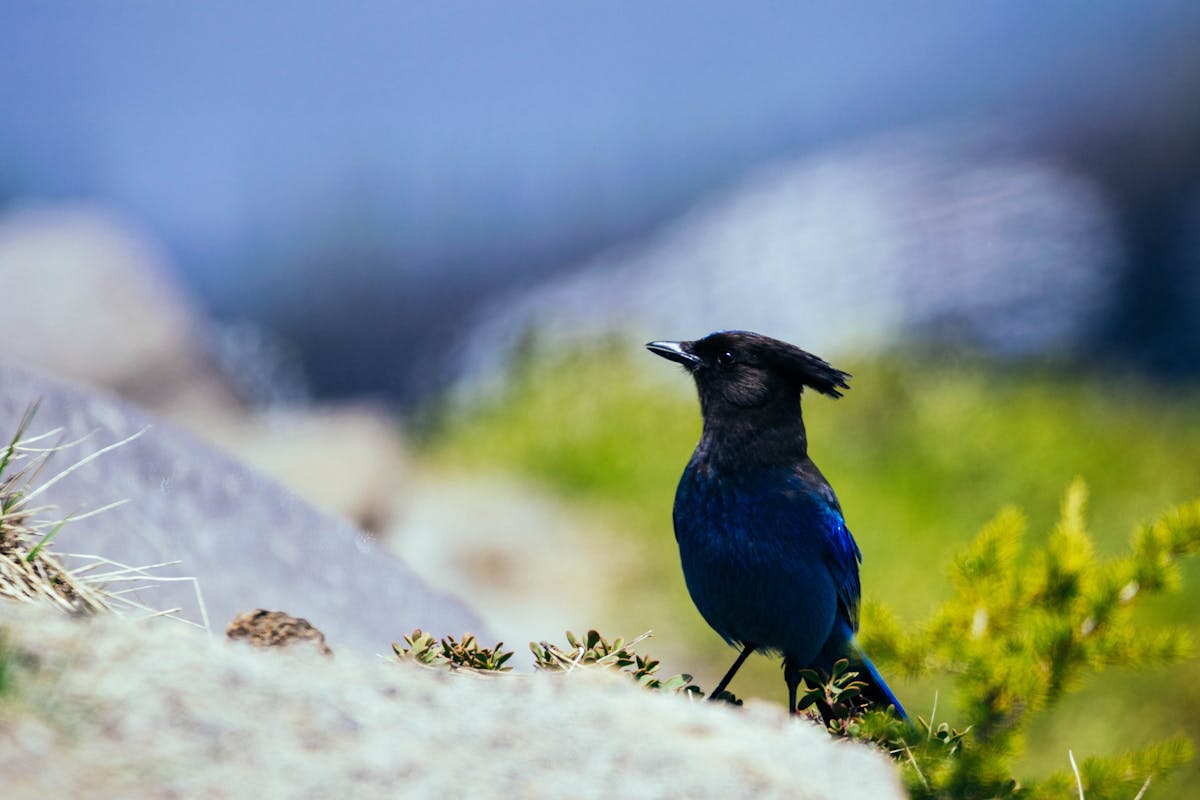
Western Range: Found from the eastern slope of the Rocky Mountains to the western plains. More arid habitats are better for other species, like the Steller’s jay (Cyanocitta stelleri).
Between 1966 and 2015, blue jay populations fluctuated. Numbers on the Atlantic Coast fell slightly due to habitat loss and disease. In contrast, populations in Labrador and southern Quebec increased by more than 1.5% per year. This shows that local conditions impact numbers, but overall, blue jays remain healthy.
Migration Behavior
The migration of blue jays is not well understood. Unlike many migratory birds, blue jays do not migrate consistently or to the same places each year. Some travel far, while others stay close to home.
Key Observations:
-
Partial Migration: Some blue jays migrate, while others do not.
-
Age Factor: Younger blue jays tend to migrate more due to their lack of experience with winter.
-
Seasonal Movement: They usually migrate in spring and fall, often seen in flocks along forest edges or river valleys.
-
Daytime Travelers: Blue jays are active during the day and travel in loose flocks of ten to hundreds.
-
Unknown Triggers: It is unclear what causes some to migrate and others to stay. Factors like food availability, weather, and genetics may play a role.
Distribution and Population Trends
The blue jay’s distribution shows its ability to adapt to changes in the environment. They are abundant in eastern North America and southern Canada during warmer months. They thrive in the Midwestern and Northeastern United States, especially in Pennsylvania and the Great Lakes region.
Their range ends at the Rocky Mountains, which are better suited for Steller’s jays. In recent years, blue jays have moved westward, following trees planted by humans in the Great Plains for over a century. They easily adapt to urban settings and are found in various man-made habitats.
The blue jay population appears stable. In Pennsylvania and the Northeast, biologists estimate two to three breeding pairs per 100 acres of suitable habitat. While susceptible to the West Nile virus, blue jays have shown resilience after outbreaks.
 Adaptability and Human Interaction
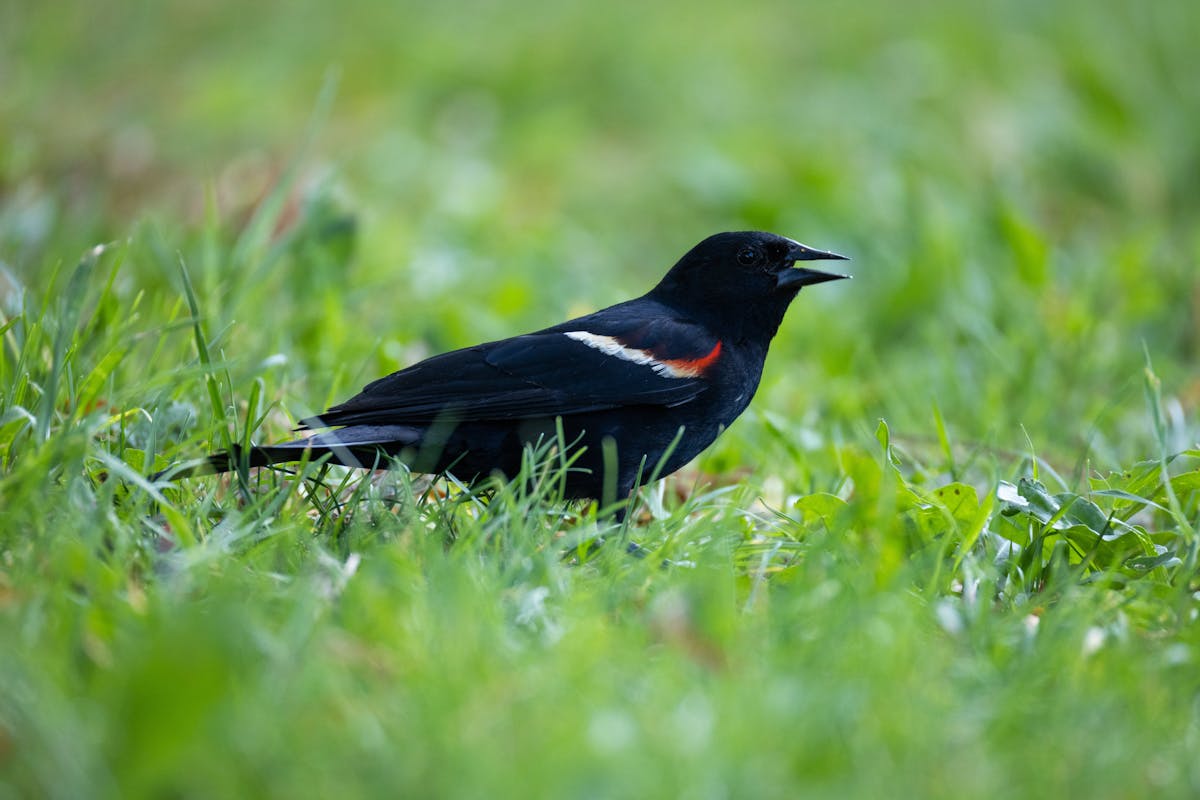
The blue jay’s success is largely due to its flexibility. They thrive in both virgin forests and semi-manmade habitats. They build cup-shaped nests using twigs, roots, and moss in trees found in parks or suburban areas. Thanks to their intelligence, they quickly find new food sources like bird feeders. Their boldness allows them to thrive in human environments.
In urban settings, blue jays play an important ecological role. They help filter out insects, distribute seeds, and promote biodiversity in city parks. Their presence often indicates a healthy environment with good vegetation.
All in all, The blue jay embodies the balance between adaptability and ecological relevance. Found in the eastern and central United States and southern Canada, it is one of the most widespread species in diverse habitats, from oak forests to suburban backyards. As trees expand in the Great Plains, blue jays continue to adapt to changing habitats.
Though their migratory behavior is complex and not fully understood, blue jays adjust to seasonal changes in climate and food supply. Protecting their populations contributes to the survival of both wild animals and those living in urban areas.
The story of the blue jay reflects the broader narrative of the natural world. Adaptability and coexistence with change lead to success. With its colorful plumage and ecological importance, the blue jay remains an energetic presence in forests and backyards throughout North America.