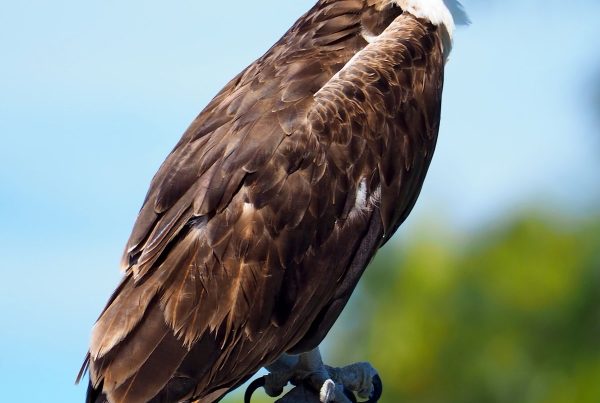

Understanding Cormorants
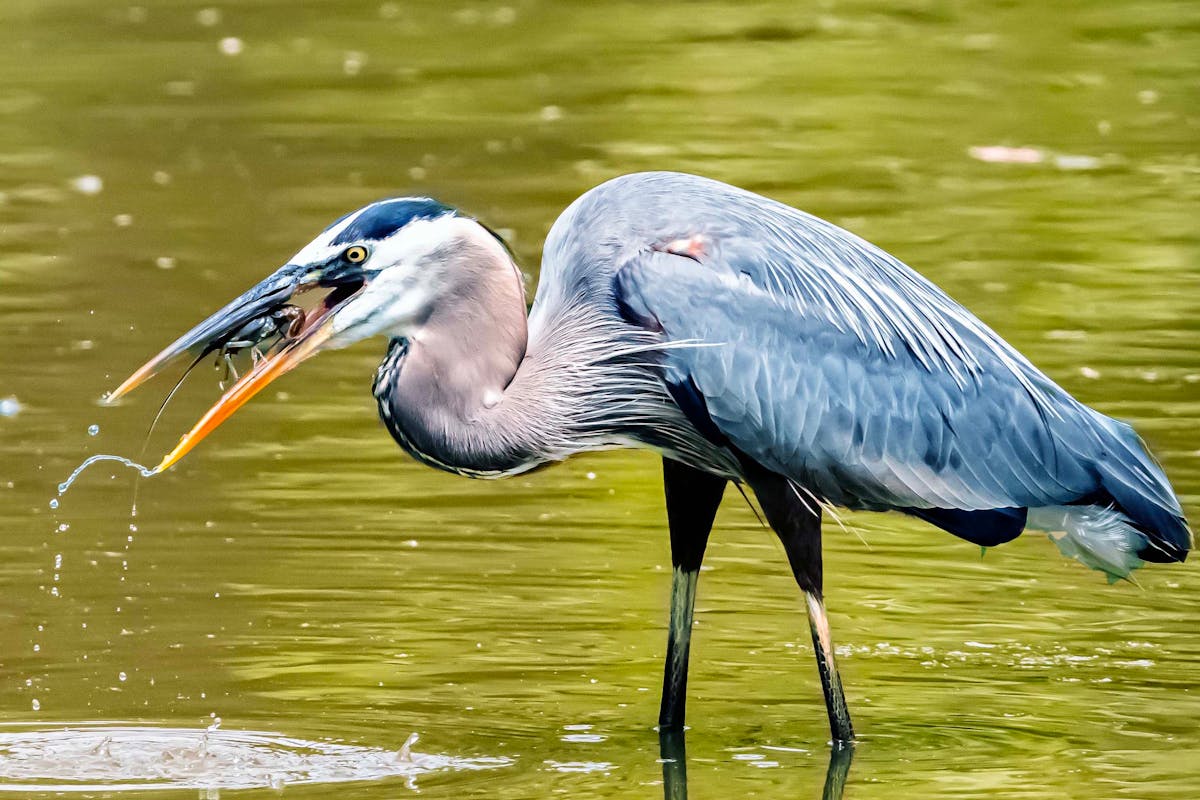
Swim underwater to catch fish
Cormorants are fish-eating water birds that swim underwater to feed.
A Closer Look at Neotropic Cormorants
I never thought cormorants were beautiful until I spent an hour photographing a pair of them. They are not exotic but are stunning birds up close.
Habitat
These are Neotropic cormorants. They are found in Central and South America. In the U.S., you can spot them mainly in:
-
Texas
-
Louisiana
If you have birders visiting, take them to the south-side paths just east of the Sabine bridge. You might see one or two Neotropic cormorants, which should be a life bird for your visitors.
Double-Crested vs. Neotropic Cormorants
Most of the U.S. has double-crested cormorants. I confirmed with master birder Scott Kiester that I was looking at Neotropic cormorants.
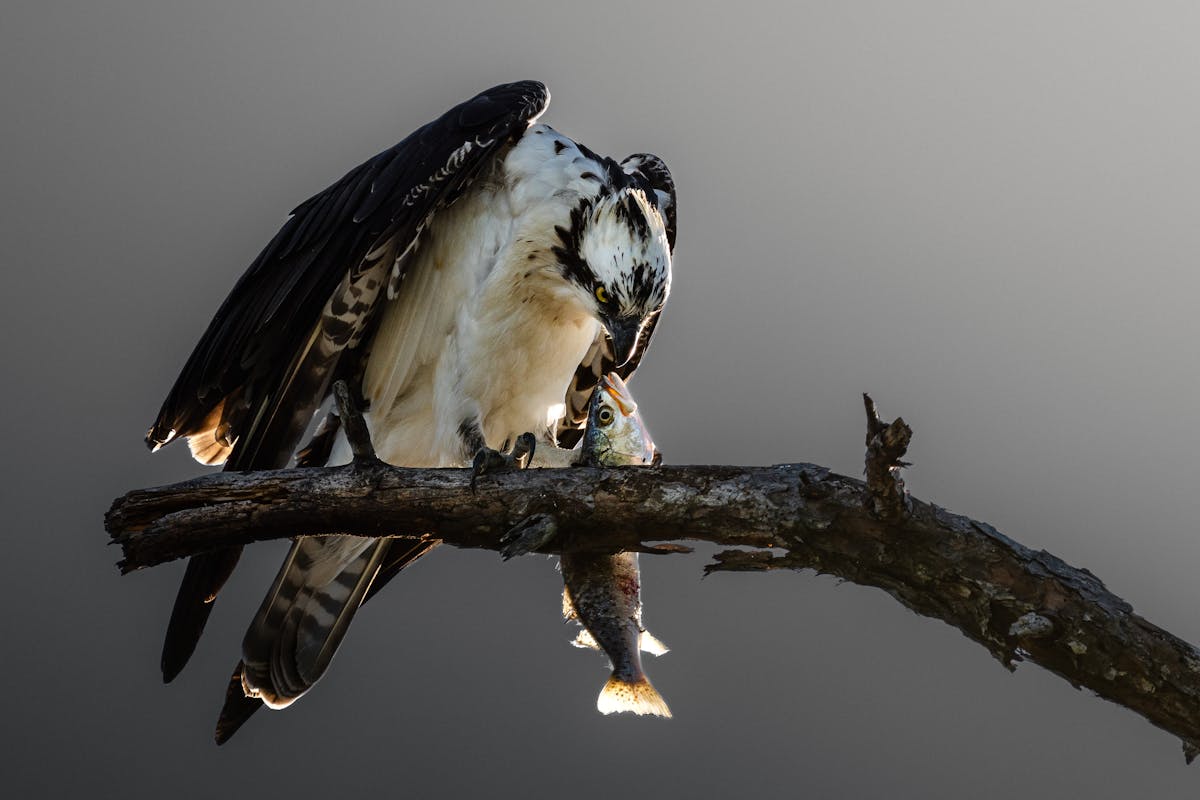
Amazing of Cormorants
The Amazing Abilities of Cormorants
Cormorants are a triple threat: they float, fly, and swim underwater. Each ability is impressive.
Floating
Cormorants float thanks to their feathers. They have:
-
Tesselated feathers with branching barbules
-
An oil gland at the base of their tail
Birds preen their feathers using oil from this gland, which keeps them pliable and adds water repellency.
Swimming Underwater
Cormorants dive underwater to swim. Unlike ducks, they do not bob to the surface. Cormorants can stay submerged by:
-
Leaving some barbules off their feathers
-
Allowing water to soak in for less buoyancy
When ready to dive, they stick their head in, and the rest of the bird follows. Cormorants use their webbed feet to swim after fish.
Drying Off
Ducks shed water, but cormorants must dry off. They adopt a classic pose with their right wing angled out and their tail spread. The only other bird I know that does this is the anhinga, which is common at Brazos Bend State Park.
Flying
Cormorants can fly, but this comes with trade-offs. Good fliers need large wings, while efficient swimmers prefer shorter wings that act as rudders.
-
Albatrosses have the largest wingspans and can fly for months.
-
Cormorants have a wing size that allows them to fly but still swim efficiently.
Cormorants are truly birds of compromise. But did you see those eyes!

MD Imdadul Haque is the founder of BirdzFly, a research-backed resource on North American backyard birds. Drawing on years of independent study into bird identification, behavior, and migration patterns, he writes in-depth guides designed to help US birders understand the species in their own backyards — from common feeder visitors to seasonal migrants passing through.