

Navigating the Natural World
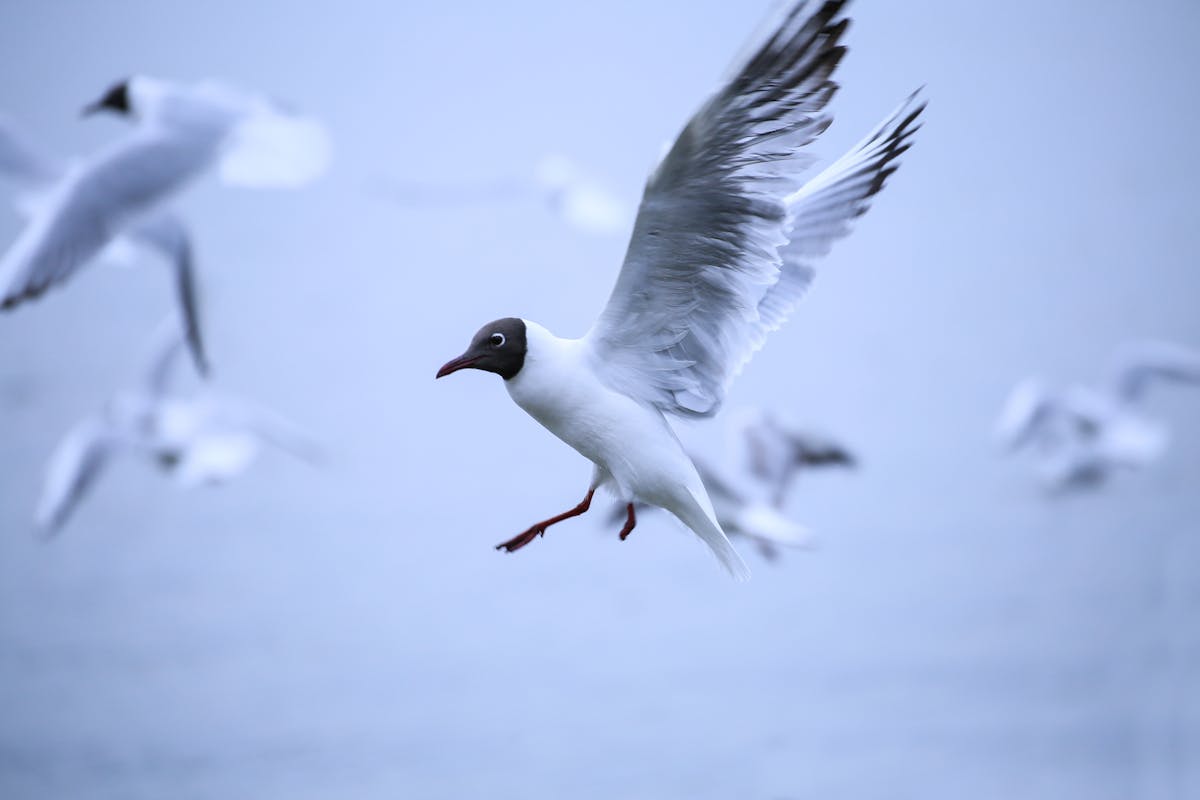
Migrating Birds
Imagine you are lost in the middle of a forest. You can’t see where the Sun is shining. In this situation, you would use a compass to figure out which way to go. A magnetic compass needle aligns with Earth’s magnetic field and points north and south. From there, you can determine east and west. Because it works so well, people have used magnetic compasses for nearly a millennium.
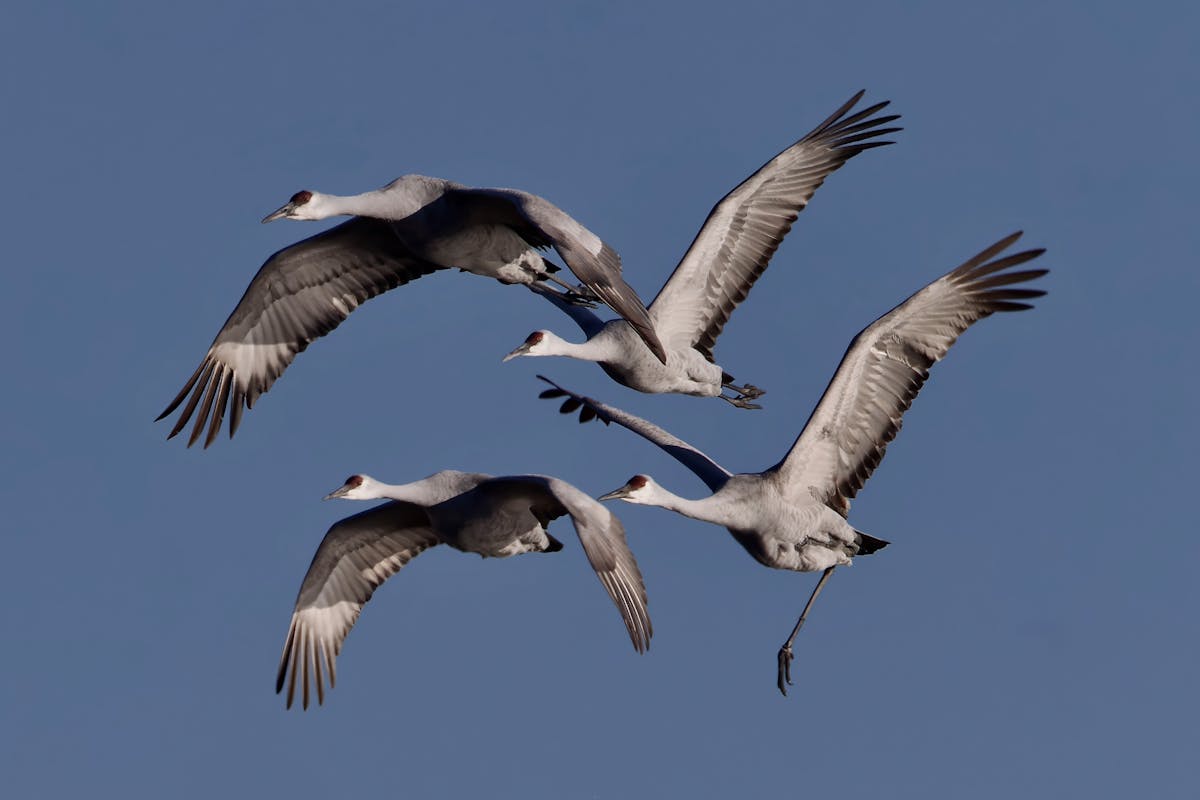
Animals Navigate
How Do Animals Navigate?
But how do other animals find their way? What do they do when it’s cloudy? Many animals rely on their sense of smell to:
-
Remember paths they have taken
-
Locate other animals
Some animals migrate, traveling hundreds or thousands of kilometers each year. It seems unlikely they could make such long journeys using only their sense of smell. Scientists are exploring other ways animals might navigate, including:
-
The Sun and Moon
-
Earth’s magnetic field
-
Recognition of landmarks
The Amazing Homing Pigeon
Homing pigeons are famous for their ability to navigate over vast distances. They are so reliable that they were used in World War I and World War II to carry messages. But how do pigeons find their way home, even on cloudy days? They have a special “map and compass” system.
The Science Behind Pigeon Navigation
Scientists discovered a tiny spot on the beaks of pigeons and other birds that contains magnetite. Magnetite is a magnetic rock that may act as a small GPS receiver. It helps the homing pigeon know its position relative to Earth’s poles.
Researchers have also found specialized cells in birds‘ eyes that help them see magnetic fields. This combination allows birds to fly long distances over areas without many landmarks, like oceans.
What About Humans?
Interestingly, humans also have magnetite dust that forms in the bones inside our noses. Do you think we use the Earth’s magnetic field to sense which way is north?

MD Imdadul Haque is the founder of BirdzFly, a research-backed resource on North American backyard birds. Drawing on years of independent study into bird identification, behavior, and migration patterns, he writes in-depth guides designed to help US birders understand the species in their own backyards — from common feeder visitors to seasonal migrants passing through.

