
Scare Hawks Away But Not Birds
How Can I Deter Birds of Prey from My Bird Feeders?
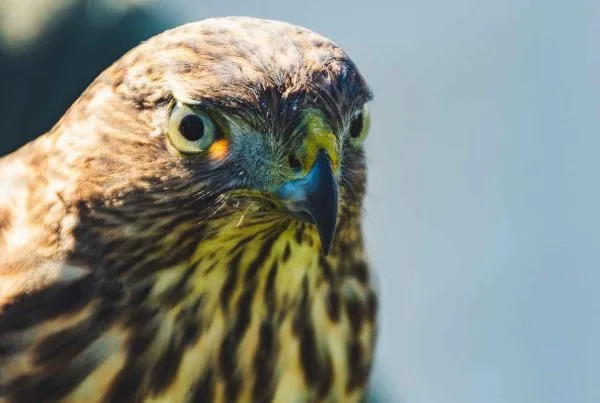
Many people enjoy watching wild raptors visit their yards. However, some do not want to attract songbirds to their feeders only to see them become prey. While migrating, certain hawks and other birds of prey may stop by your feeder briefly. You might not be able to prevent this.
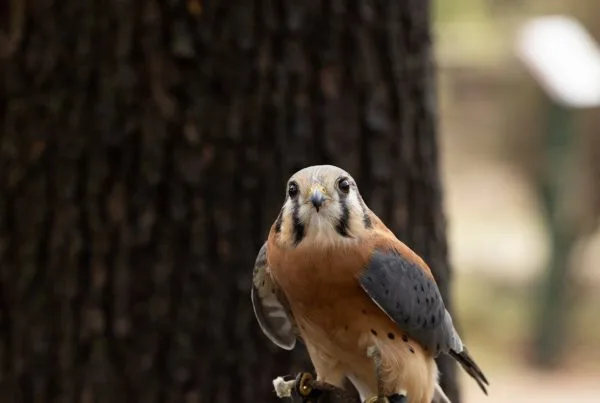
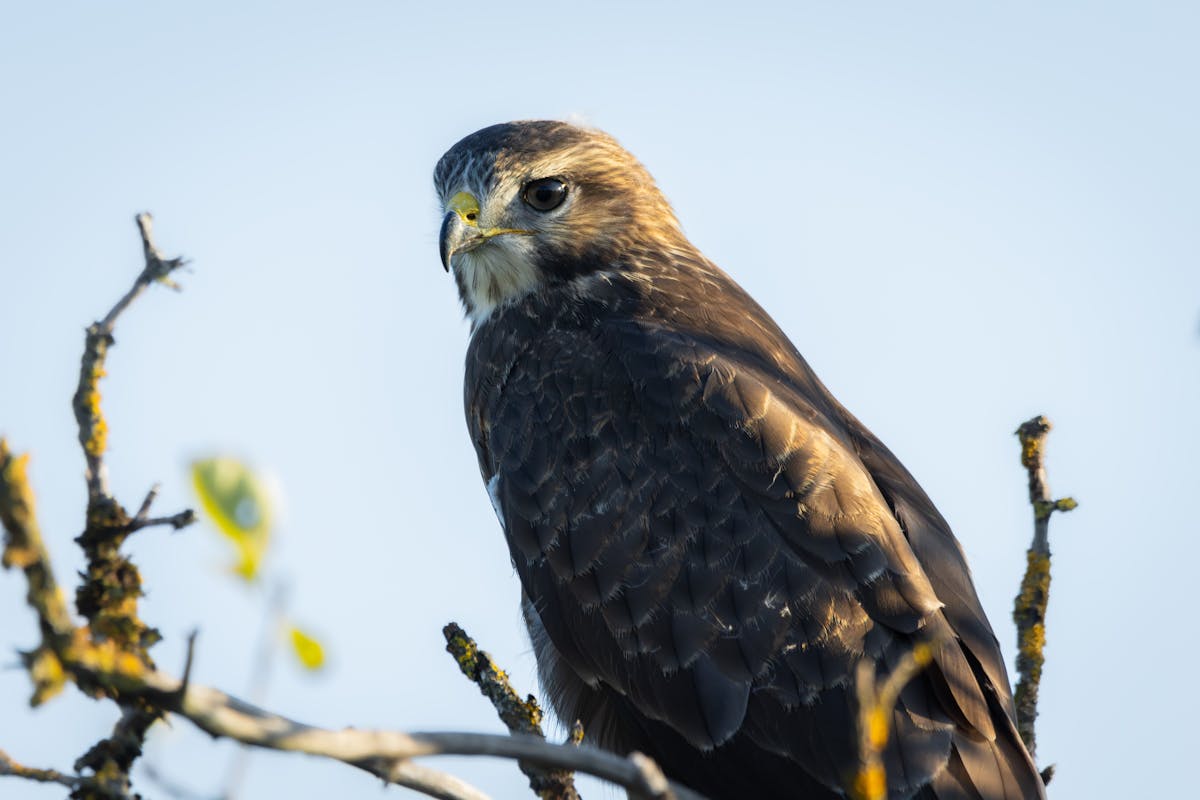
In winter, a bird of prey can settle in your neighborhood. It might visit your feeder a few times a day or once a week. In summer, a pair of raptors may visit even more often. The birds of prey that often visit backyard feeders include:
-
Cooper’s Hawks
-
Red-tailed Hawks
-
Merlins (known as the “pigeon hawk”)
-
American Kestrels
-
Northern Shrikes (a predatory songbird)
While we want to protect our backyard birds, it’s important to remember that this is a natural part of the ecosystem.
4 Rules to Keep Birds of Prey Away from Bird Feeders
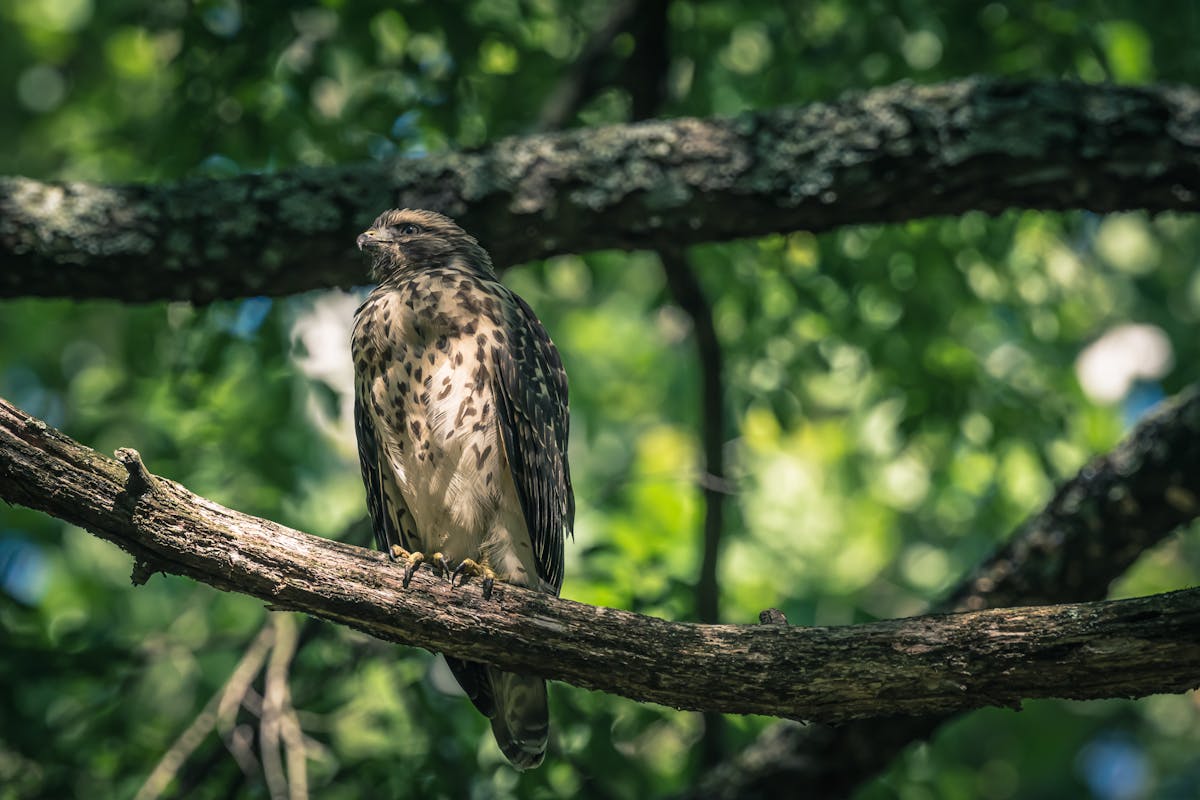
Scare Hawks Away
1. Provide Shelter
Offering nest sites in the natural environment helps small birds escape hawks. Dense trees, shrubbery, and brush piles are all good options. Ensure that shelter is within 10 feet of bird feeders so small birds can reach it quickly when threatened. Use native plants that grow seeds or fruits for added food security.
2. Shield Feeders
Place bird feeders under a cover, such as:
-
An awning
-
Low tree branches
-
Dense tree canopies
This cover can deter hawks from landing. A covered platform feeder can also provide visual protection from circling hawks.
3. Avoid Ground Feeding
Ground-feeding birds are more vulnerable to hawk attacks. They cannot escape as easily. To reduce the risk of hawks, avoid:
-
Ground feeding
-
Low feeders
4. Remove Feeders if Necessary
If hawks continue to be a problem, take down your bird feeders. Stop feeding the birds for a few days up to a week. The hawk will likely move on to find new hunting grounds. Smaller birds will return quickly when you resume feeding. The hawk may return, but it usually takes longer for them to find a good spot again.

MD Imdadul Haque is the founder of BirdzFly, a research-backed resource on North American backyard birds. Drawing on years of independent study into bird identification, behavior, and migration patterns, he writes in-depth guides designed to help US birders understand the species in their own backyards — from common feeder visitors to seasonal migrants passing through.