
The Great Tit Bird Live
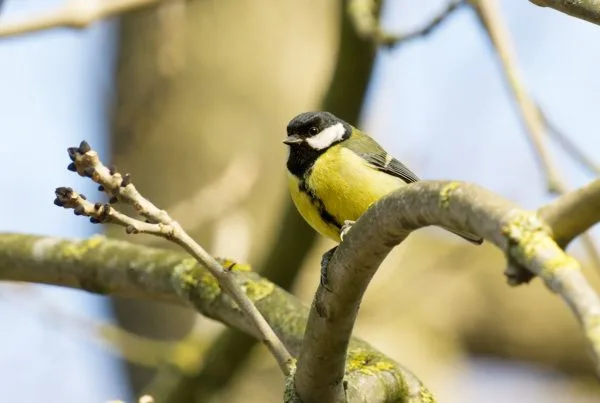
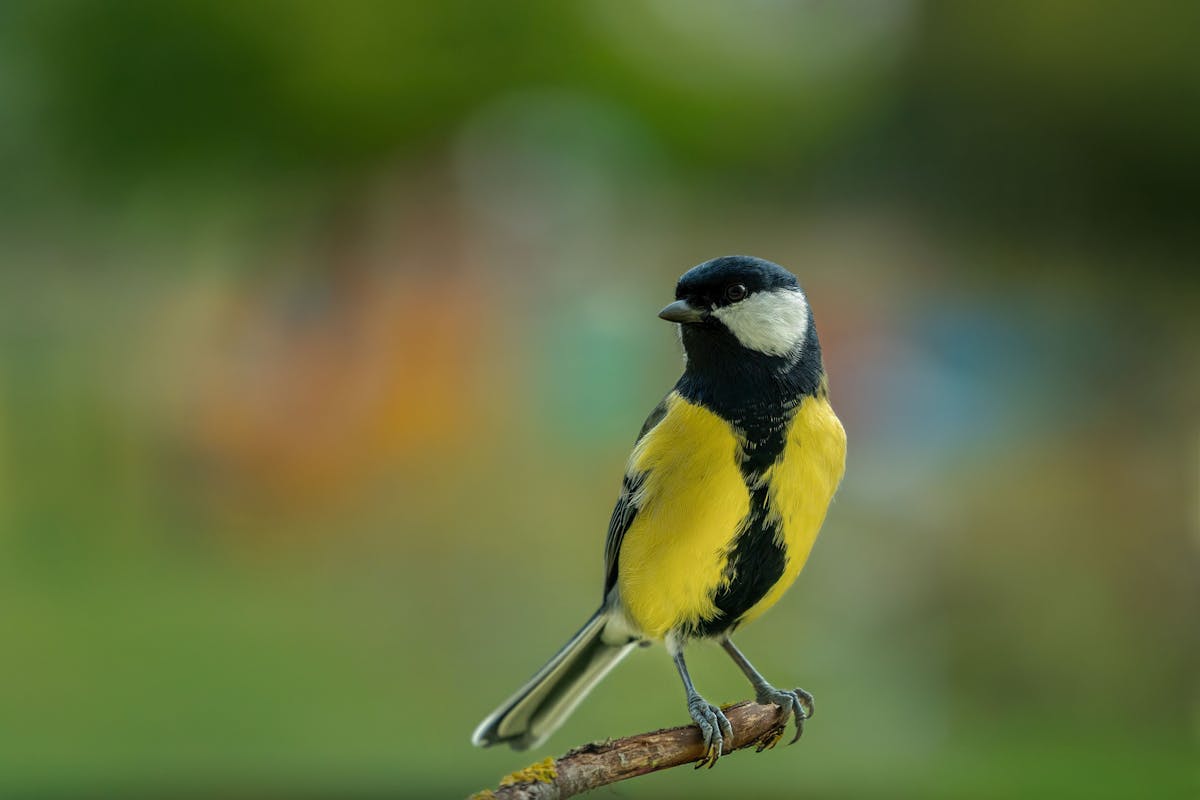
The Great Tit is the most striking bird in the popular tit family. This common and acrobatic visitor is well-known for its remarkable vocalizations and songs.
Scientific Name: Parus major
Have Questions About Great Tits?
Is there anything else you want to know about Great Tits? Feel free to ask in the comments!
I Hear the Great Tit Singing
With its repetitious trill, the Great Tit’s song flows with skill. I listened closely to find where it sat. The sound felt friendly, making me tip my hat. While sitting in the garden, I thought to say, “Great Tit, I beg your pardon, You have really made my day.” — Phil Soar
Where Do Great Tits Live?
Great Tits have their origins as forest birds. They are now widespread in parks and gardens. You can find them almost anywhere with similar foliage. Their range includes:
-
All over the UK (except some northern and western Scottish islands)
-
Central Asia and southern Russia
-
A resident population in northwest Africa
In the UK, Great Tits tend to stay near their birthplace. This is partly due to their need for garden feeding, unlike their more sporadic natural food sources. Birds from the continent may migrate more often but can struggle during food shortages.
What Do Great Tits Eat?
Great Tits are frequent visitors at bird tables and feeders. They love peanuts but will eat any type of wild bird food. They often forage on the ground, especially for beechmast in winter. Their feeding habits include:
-
Seeking insects and spiders in trees
-
Foraging in small branches and leaves
-
Cleaning gardens from pests, like aphids and caterpillars
Where Do Great Tits Nest?
Great Tits are cavity nesters. They prefer small holes in tree trunks but will also use:
-
Nest boxes
-
Walls
-
Pipes
-
Letter boxes
-
Ventilation shafts
Their nesting habits are similar to those of Blue Tits, but they typically lay fewer eggs (usually 7 to 9).
What Do Great Tits Look Like?
Male Great Tit
-
Larger black head
-
Bigger white cheeks
-
Wider black stripe on the belly
Female Great Tit
-
Smaller black stripe which doesn’t extend as far as her legs
-
Easy to spot black tail with white tips
Young Great Tits
-
Drabber, yellower version of adults
-
Lack the clear black stripe on their underparts
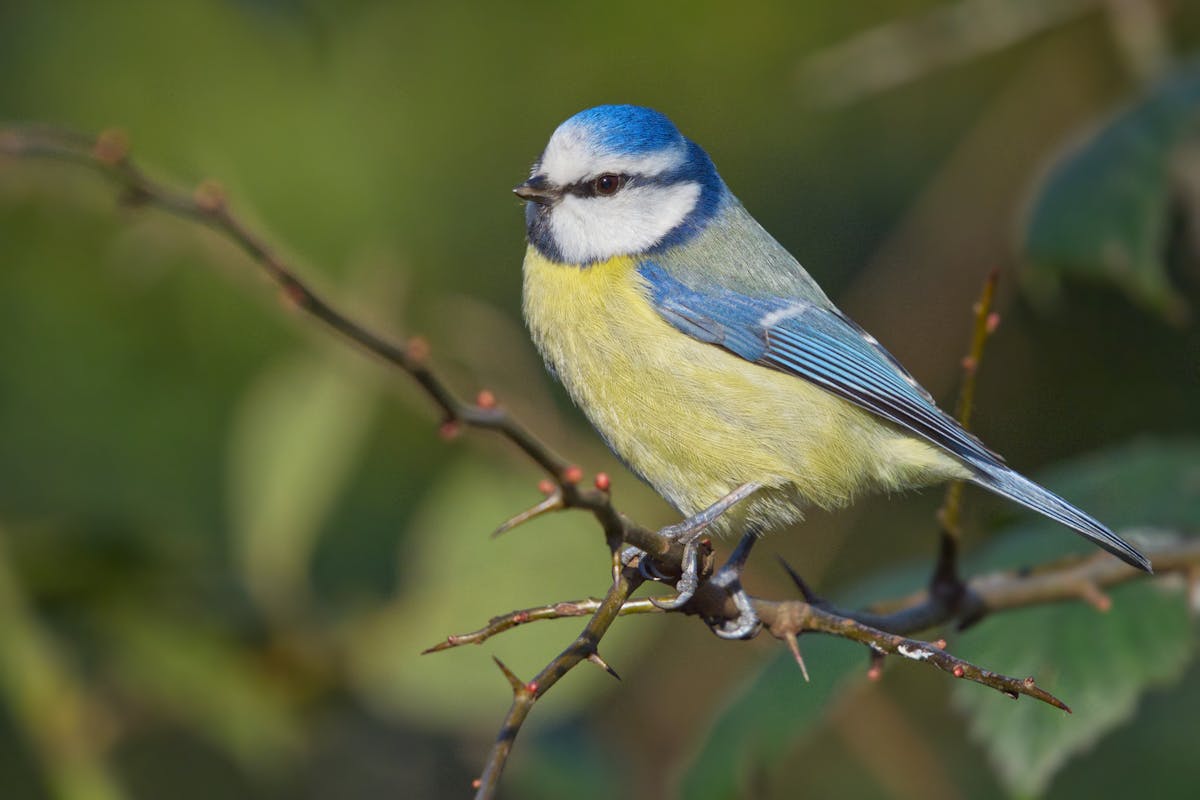
The Great Tit Bird Live
What Does the Great Tit Sound Like?
The Great Tit has a diverse song repertoire. It often copies calls of other species. Some common calls include:
-
A harsh “tee-cher… tee-cher… tee-cher…”
-
A nasal scolding “chh-chh-chh”
How to Attract Great Tits
To attract Great Tits to your garden, provide:
-
Food: Peanuts and sunflower hearts are favorites, especially in winter.
-
Fresh Water: Always have fresh water available for drinking.
-
Nest Boxes: Use a box with a round entrance hole, slightly larger than for Blue Tits.
Can you spare some pet hair? Great Tits will use it as nesting material!
More Facts About Great Tits
-
Beak Size: British Great Tits have longer beaks than their Continental cousins. This helps them exploit bird feeders better. Their beak length has increased over the last 40 years.
-
Seasonal Changes: Their beak shape changes with the seasons to adapt to different food sources.
Aggressive Behavior of Great Tits
Great Tits can be aggressive at the bird table. They have been known to attack other birds and, in rare cases, even kill them. This behavior can include:
-
Attacking migrating Goldcrests
-
Killing Pied Flycatchers
-
Feasting on hibernating pipistrelle bats in winter
Intelligence of Great Tits
Great Tits show impressive intelligence. They can use tools, such as conifer needles, to help them find food. They have been observed:
-
Learning to access food by observing others
-
Adapting their techniques for different food sources
Feel free to ask more about the Great Tit or share your own experiences with these fascinating birds!

MD Imdadul Haque is the founder of BirdzFly, a research-backed resource on North American backyard birds. Drawing on years of independent study into bird identification, behavior, and migration patterns, he writes in-depth guides designed to help US birders understand the species in their own backyards — from common feeder visitors to seasonal migrants passing through.