Gray Jays- Canada Jays
Introduction
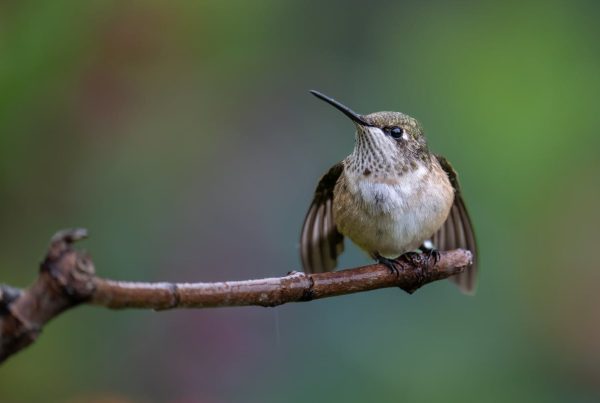
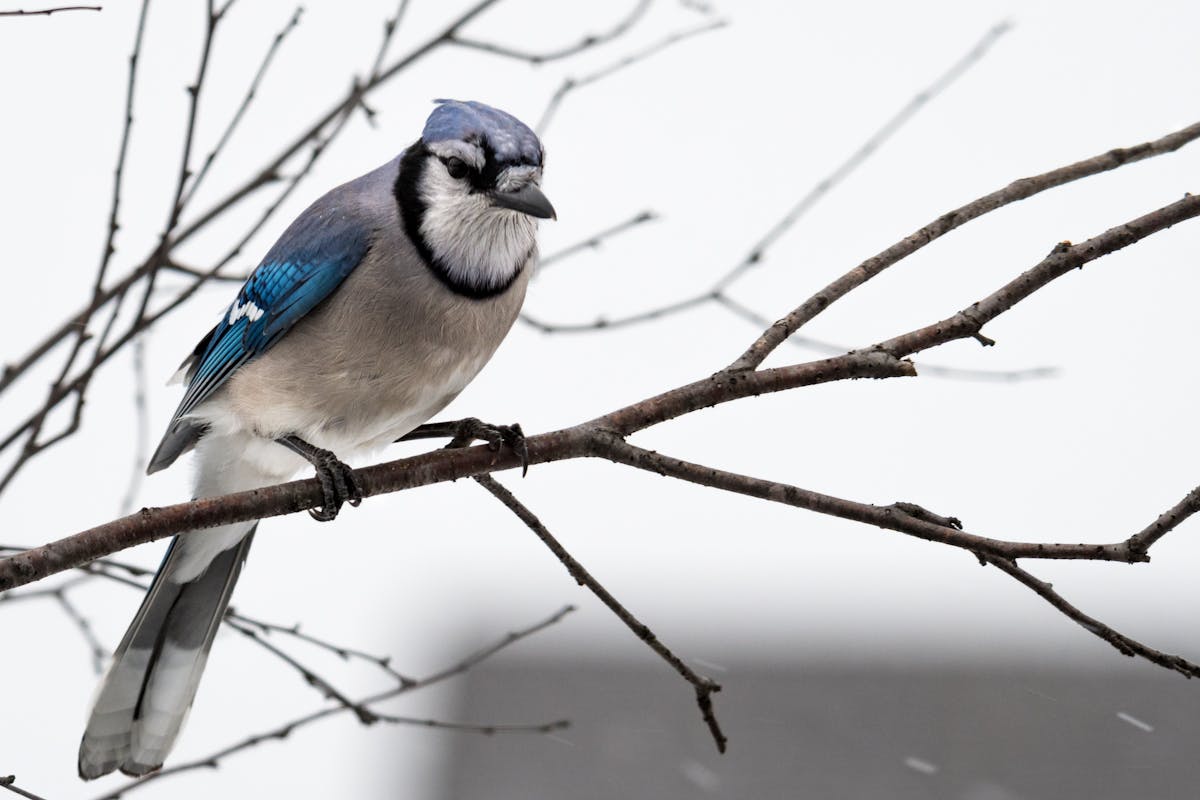
The Canada Jay, also known as the Gray Jay, is famous for its colorful plumage. These adorable birds thrive in forests and woodlands across Canada and some U.S. states. They are known for their unique behaviors and friendly nature. Here are some fun facts every bird lover will enjoy!
Description and Distribution
Gray Jays are medium-sized birds from the corvidae family. They are commonly found in forests, from Canada to parts of the northern United States and Alaska. They adapt well to different climates and geographic conditions.
Size, Length, and Weight
The Canada Jay measures about 30 centimeters in length and weighs between 60 to 70 grams. This size allows them to fly swiftly through the forest, while also being noticeable.
Key Physical Traits
Canada Jays have distinct features that help them survive in cold weather:
-
Feathered-over nostrils to keep warm
-
Short black beak for hunting bugs and berries
Range of Distribution
Gray Jays inhabit Canadian provinces, northern U.S. states, and Alaska. They prefer frozen areas and thick forests for food and shelter. They thrive in snowy environments.
Regional Variations
Gray Jays have slight geographic diversity, resulting in unique flocks. These differences make each group of birds special.
Color Transformation in Canada Jays
Regional color variations occur due to environmental adjustments. In colder areas, they may show darker plumage, while other regions might have lighter feathers.
Color Variations
For example:
-
Maine, New Hampshire, and Vermont jays are darker.
-
Birds from the Pacific coast of western Canada are often lighter.
Color Traits of Young Jays
Juvenile Canada Jays have a distinct appearance:
-
Black beak and darker plumage
-
Their feathers are lighter than adult jays, making them easy to spot.
Habitat
Gray Jays are selective about their roosting locations. They prefer:
-
Forests
-
Campers and hunters
Preferred Habitats
Gray Jays enjoy habitats with plenty of trees, especially in cooler areas. They find cover and food in these environments.
Territory Range
According to John Fitzpatrick in the Bird Guides:
-
Each pair of Gray Jays claims a territory of 150-175 acres (approximately 65-70 hectares).
-
They ensure they have enough food during winter.
Preference for Evergreen Trees
Gray Jays favor evergreen trees, especially spruces, for warmth and safety during winter months.
Diet and Foraging Habits
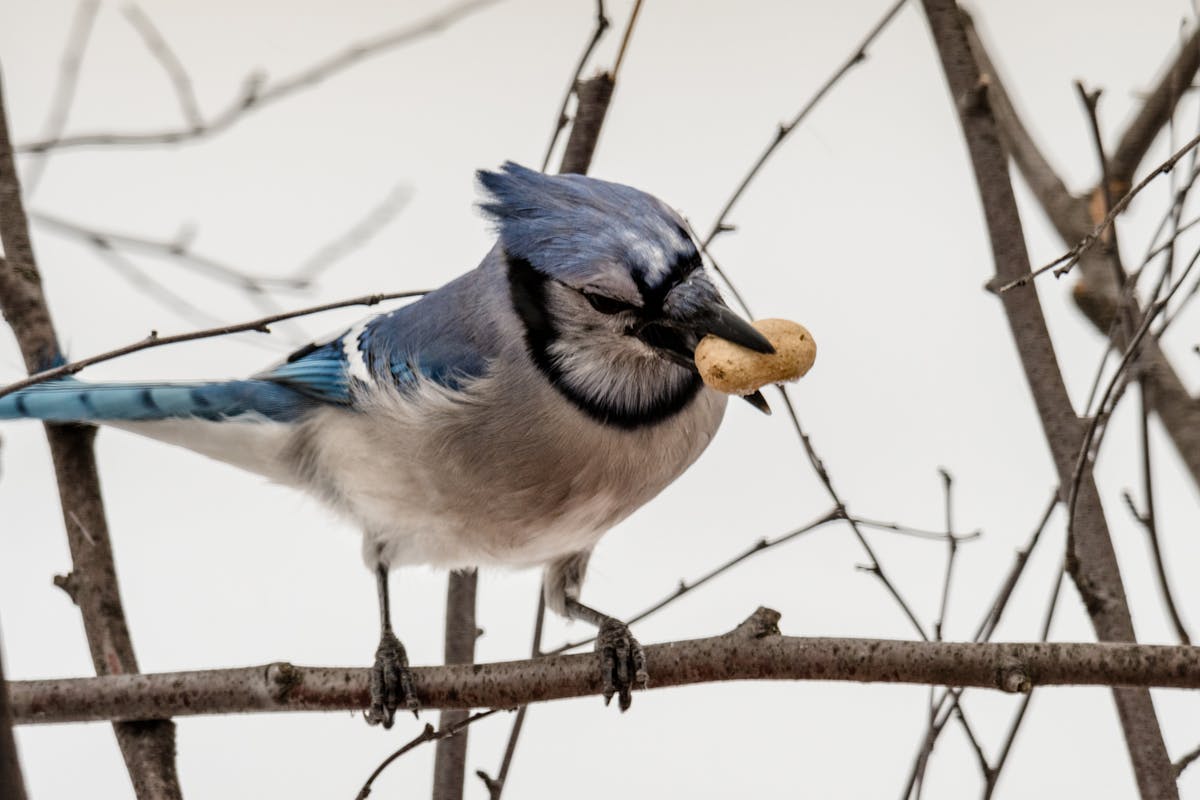
Gray Jays are intelligent feeders. They will eat almost anything, including:
-
Berries
-
Mushrooms
-
Insects
-
Bird eggs
-
Small animals
-
Food scraps from humans
Foraging Habits
Modern Canada Jays are skilled hunters. They often watch for food from mid-level branches and swoop down to grab it.
Human Interactions
These birds are curious and friendly. They often approach campers and visitors, sometimes begging for food.
Food Storage Behavior
Gray Jays are clever at storing food for lean times. They cache food for the winter using their sticky saliva to keep it secure in bark or under moss.
Methods of Food Storage
-
Caching: They store food in various locations to prevent loss.
-
They can hide thousands of food items, ensuring they have enough to last through winter.
Nesting and Reproduction
Gray Jays are responsible breeders. The female takes charge of the nest and the young.
Location & Materials of Nesting
They prefer nesting in south-facing locations and use:
-
Twigs
-
Moss
-
Feathers
Early Nesting Season
Gray Jays are among the first birds to lay eggs in spring, sometimes as early as February. This timing helps their young grow strong before colder weather returns.
Advantages of Early Hatching
Early hatching gives young birds a head start in learning:
-
Foraging
-
Food storage skills
This knowledge is crucial for survival in the wild.
Gray Jays- Canada Jays
The Canada Jay: A Remarkable Bird
The Canada Jay is a remarkable bird that captivates bird watchers and nature lovers alike. Their adaptability, intelligence, and friendly demeanor make them a joy to observe.
Origin of Various Names
The Canada Jay has many names based on its behavior and how people see it. Here are some of the most popular names:
-
Canada Jay: This name is geographic because the bird is abundant in many provinces of Canada.
-
Meat Bird: Known for stealing food, especially meat, from campers and barbeque enthusiasts.
-
Camp Robber: This name comes from their habit of following campers and trying to “rob” them of food.
-
Whiskey Jack: An Indigenous term meaning “playful, mischievous spirit,” reflecting the bird’s curious nature.
Longest Bird Study in the World
The Canada Jay has been the subject of one of the largest bird studies in the world. This project allows scientists to learn more about these birds and observe their natural behaviors over time.
Research in Algonquin Provincial Park
Scientists in Algonquin Provincial Park have been studying Canada Jays for many years. This long-term research has provided valuable insights into the movements and family groups of these birds.
Research Methods
Researchers use unique methods to gather information about Canada Jays, including:
-
Color-banding: They attach small colored bands to the birds’ legs to track individual birds.
-
Monitoring: This helps scientists learn about the birds’ lifespan and territory.
Findings
One exciting discovery is how territorial and protective Canada Jays are with their nests. They often nest in the same locations year after year, showing social behavior and loyalty to their breeding grounds.
Lifespan
Canada Jays have a long lifespan. They can live for:
-
More than 8 years in harsh winters.
-
Up to 17 years in ideal conditions.
Non-Migratory Behavior
Unlike most birds, Canada Jays are non-migratory. They stay in one area year-round, which helps them adapt to extreme winter conditions. This behavior allows them to survive and find food during tough months.
Incredible Memory
Canada Jays are known for their fantastic memory. They can remember where they stored food, even under snow.
Great Memory for Hiding and Finding Food
Canada Jays stockpile tens of thousands of food pieces in various locations. They hide food under moss or bark, helping them retrieve it during the winter months. Their sharp memory is crucial for survival.
Unique Social Behavior
Canada Jays are social birds. They prefer to be around their own kind and often interact with humans. Their sociable nature makes them fun to observe, especially while camping.
Group Dynamics
Canada Jays hunt and defend their territory in groups. This teamwork helps them find food more effectively and warn each other of predators.
Incredible Adaptability
These birds adapt well to different environments. They can live in various climates, including:
-
Tropical
-
Subtropical
-
Temperate forests
-
Open woodlands
-
Areas near human settlements
Their adaptability makes them a fascinating subject for study.
Conclusion
The Canada Jay, or Gray Jay, is a truly unique bird. Their friendliness, curiosity, and hardiness make them special. Observing these birds offers a valuable perspective on wildlife conservation. If you love nature, seeing Canada Jays in the wild is a treat you won’t forget!

MD Imdadul Haque is the founder of BirdzFly, a research-backed resource on North American backyard birds. Drawing on years of independent study into bird identification, behavior, and migration patterns, he writes in-depth guides designed to help US birders understand the species in their own backyards — from common feeder visitors to seasonal migrants passing through.