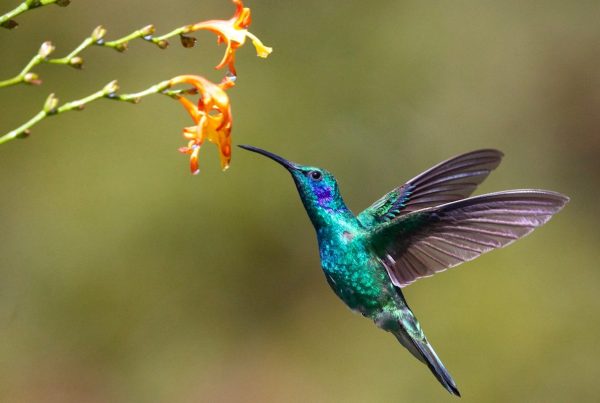


Hummingbird Moth
Overview
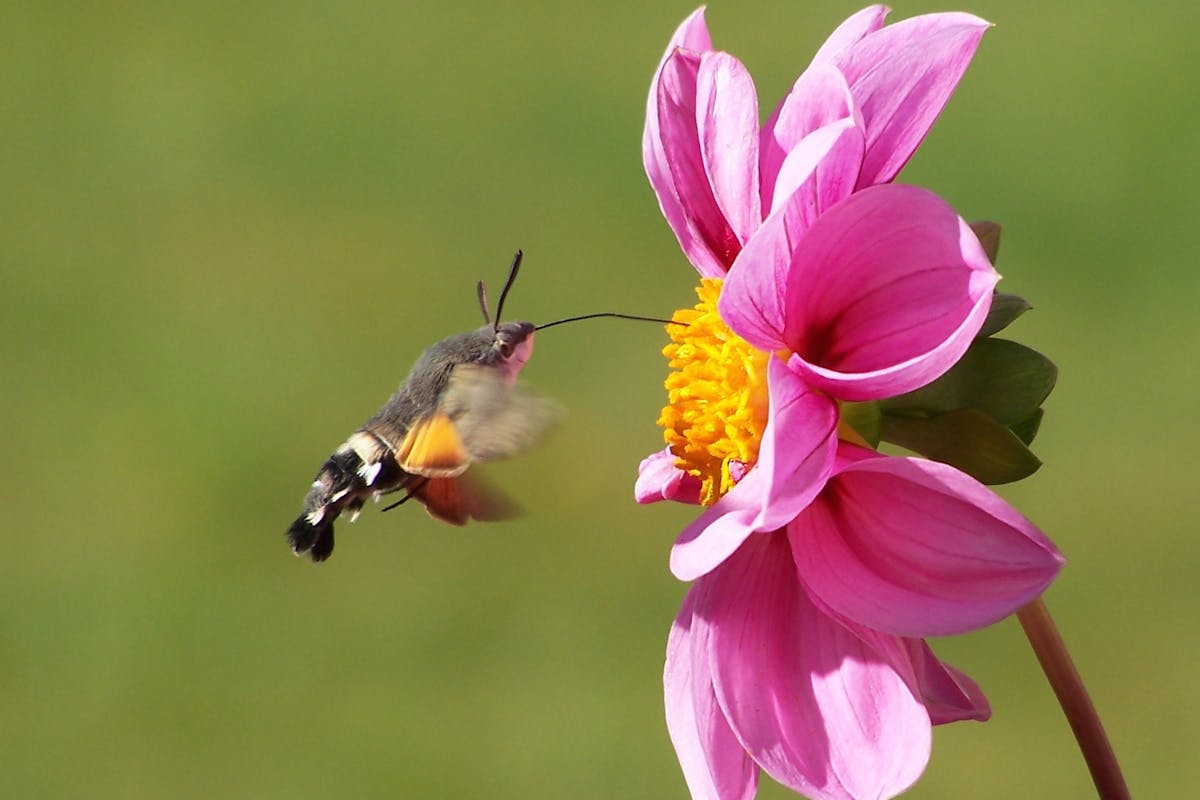
The Humming-bird Hawk-moth is a fascinating insect that mimics hummingbirds. These daytime moths belong to the family Sphingidae. They are known for their compact bodies and fast, whirring flight as they feed on nectar, much like hummingbirds. This similarity is an example of convergent evolution.
Species Identification
Many people mistake these moths for hummingbirds. Here are some notable species:
Hummingbird Hawk-Moth (Macroglossum stellatarum)
-
Habitat: Mixed throughout Europe, Asia, and North Africa.
-
Description:
-
Greyish-brown front wings
-
Bright orange rear wings
-
Black-and-white checked abdomen
-
-
Notable Difference: It is the only “hummingbird” found in Europe, as there are no true hummingbirds on the continent.
Hummingbird Clearwing (Hemaris thysbe)
-
Range: Widely found across North America.
-
Appearance:
-
Red-brown body with a tan olive back
-
Transparent wings with dusky purplish brown edges
-
-
Behaviour: Diurnal; commonly found in gardens and meadows.
Snowberry Clearwing (Hemaris diffinis)
-
Location: Widespread throughout North America.
-
Appearance:
-
Fuzzy black-and-yellow body resembling a bumblebee
-
Black legs and wings with a stripe across its eyes
-
Transparent wings edged with black
-
-
Behaviour: Day-flying moth that hovers over flowers to feed on nectar.
White-lined Sphinx Moth (Hyles lineata)
-
Habitat: Common across North and Central America, from Canada to Mexico.
-
Adult Description:
-
Dark olive-brown forewings with a narrow tan band
-
Bright pink middle field on hindwings
-
-
Habits: Flies during the day and at dusk; large size often confuses it with a hummingbird.
Hummingbird like Moth Hawk Caterpillar
Hummingbird Moths vs. Hummingbirds
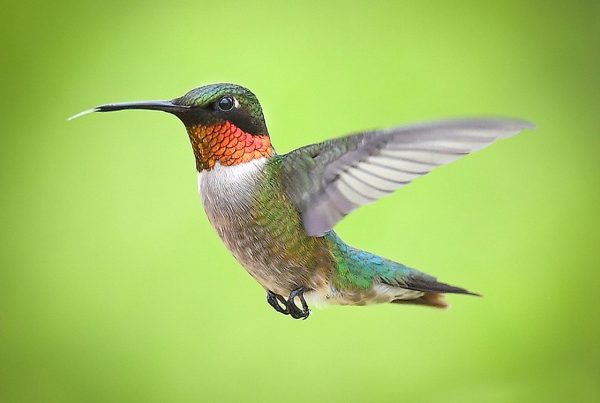
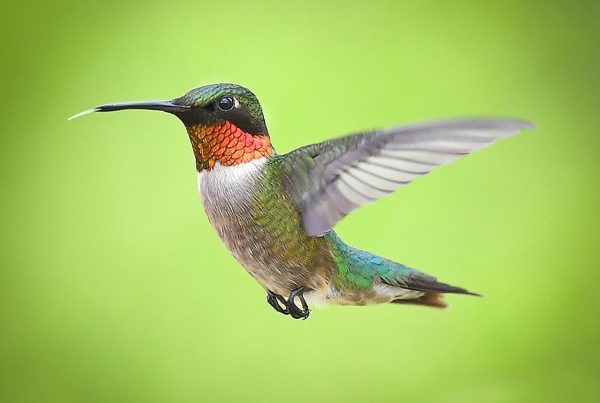
At a glance, hummingbird moths and hummingbirds can be difficult to tell apart. Here are some key differences:
| Characteristic | Hummingbird Moths | Hummingbirds |
|---|---|---|
| Size | Smaller; 1.5–2.5 inches | Bigger; up to 4 inches |
| Body | Plumper, oddly shaped | Sleeker, iridescent feathers |
| Mouth | Coiled tubular proboscis | Slender, straight beak |
| Wings | Flap 30–70 times/sec, transparent | Flap 50–80 times/sec, create humming noise |
| Legs | Six legs, like other insects | Two legs |
| Antennae | Thick, feathery antennae | No antennae |
Life Cycle
-
Larvae: Occur from June to October, peaking in August.
-
Hibernation: Adults hibernate in outbuildings or cracks in walls. They may also emerge from nearby trees.
Flight Season
-
May – September: Stuttered sightings occur throughout the year.
Size and Family
-
Family: Hawk-moths (Sphingidae)
-
Size: Medium to large
-
Wingspan: 50-58 mm
Conservation Status
-
UK BAP: Not listed
-
Status: Immigrant; suspected resident
Caterpillar Food Plants
-
Yellow Bedstraw (Galium verum)
-
White Bedstraw (Galium album)
-
Wild Madder (Rubia peregrina)
-
Also recorded on Red Valerian (Centranthus ruber)
Habitat
Widespread and common in various habitats, including:
-
Coastland
-
Gardens
-
Woodland rides
-
Urban areas
Distribution
-
Nations: England, Wales, Scotland, Ireland
-
Immigrants: From Southern Europe and North Africa
-
Commonest: In the South and East of England, South Wales, and the Midlands
Distribution Trend: Since the 1970s, consistent in Britain.
How You Can Help the Humming-bird Hawk-moth
Consider planting native flowers and providing a suitable habitat to support these amazing moths!

MD Imdadul Haque is the founder of BirdzFly, a research-backed resource on North American backyard birds. Drawing on years of independent study into bird identification, behavior, and migration patterns, he writes in-depth guides designed to help US birders understand the species in their own backyards — from common feeder visitors to seasonal migrants passing through.