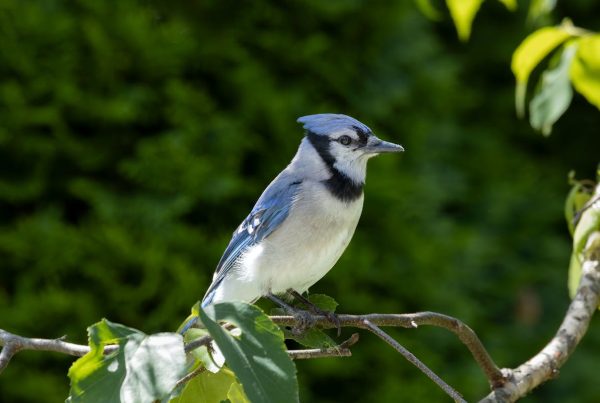
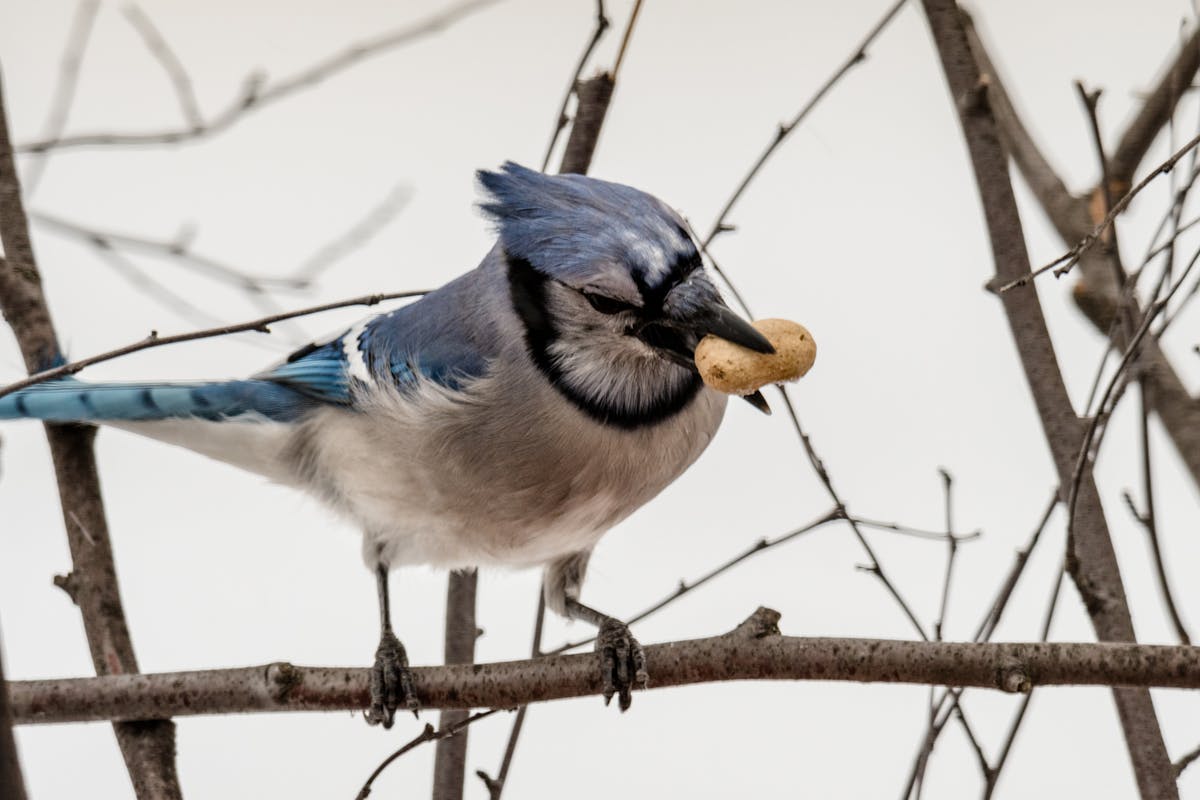
blue jay bird sound
Blue jays have a versatile call. Their sounds can range from loud squawks to soft musical whistles. The context of the call determines its type. For example, they might warn others of danger or interact with other jays. They can even mimic small birds.
Loud Calls
-
“Jay! jay! jay!”: This loud call is one of the most distinctive. It serves for:
-
Alarms
-
Long-distance communication
-
Calling other jays
-
-
Mimicry of Hawks: Blue jays can imitate various raptor calls. They do this to:
-
Alert other jays of danger
-
Scare away birds from food
-
Musical or Quiet Sounds
-
“Pump-handle” Call: A high-pitched, melodious sound, like a creaky gate. It may serve as a courtship call or a low-level alarm.
-
“Whisper Song”: Soft clicking and purring sounds, mainly during the breeding season. This can last for up to two minutes.
-
Whistles and Gurgles: Blue jays whistle, gurgle, or make other sounds, especially during courtship.
Other Sounds
-
Rattle Calls: A series of rapid clicks made by females to signal alarms or when another jay approaches.
-
Contact Calls: Soft chuk sounds and clicking used by mates while foraging or building nests. They can also serve as alarm calls.
-
Bill Snapping: Indicates aggression from an individual blue jay.
Intelligence of Blue Jays
Blue jays are very smart. This intelligence makes them difficult to study. Most studies of their vocalizations come from graduate students. What we know is intriguing. Blue jays are songbirds related to those with complex songs, but they don’t sing. Instead, they communicate with tchirping sounds.
Calls can be categorized by:
-
Frequency
-
Quality
-
Harmonics
-
Function
Types of Calls
-
Jeer Calls: Recruit jays, indicate threats, and are loud with many harmonics.
-
Pumphandle Calls: Musical whistles that serve as alarms for low threats.
-
Intrapair Contact Calls: Soft clicks between mated jays during mating, nesting, and foraging.
Young jays and females also use begging calls. Rattle calls, produced only by females, consist of rapid clicks that serve as alerts.
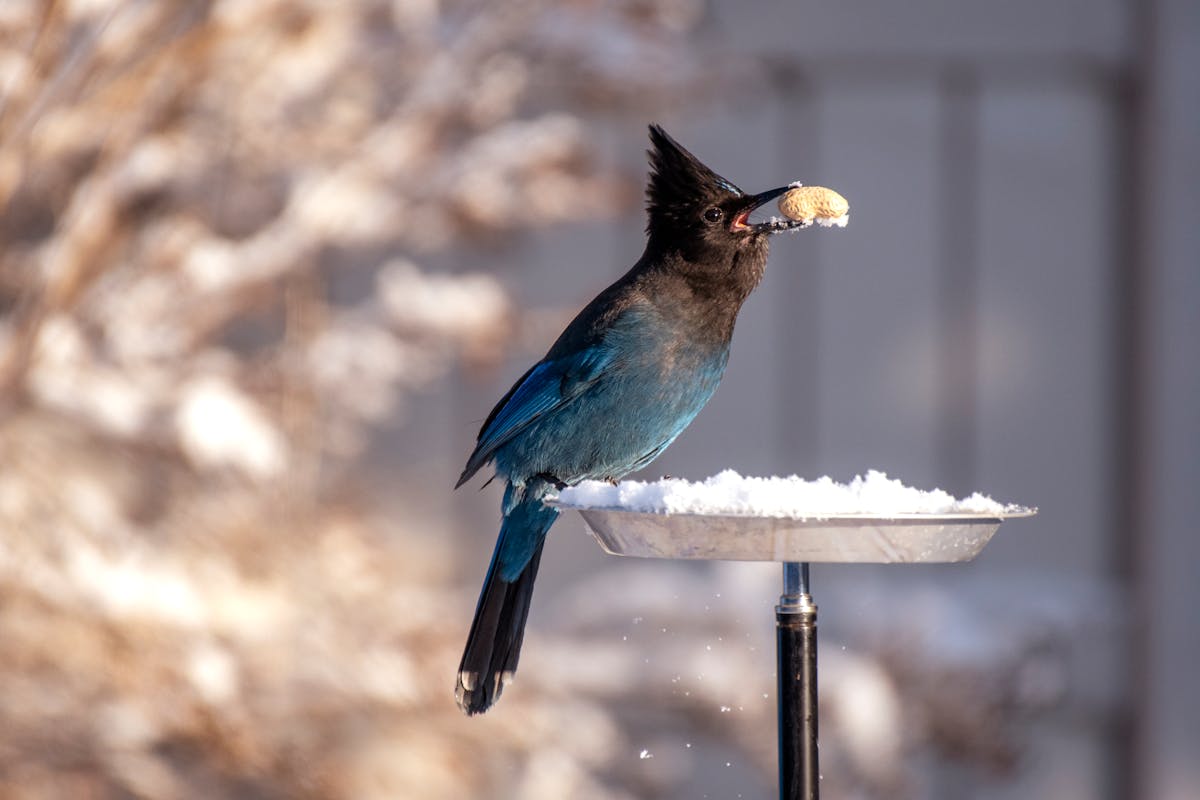
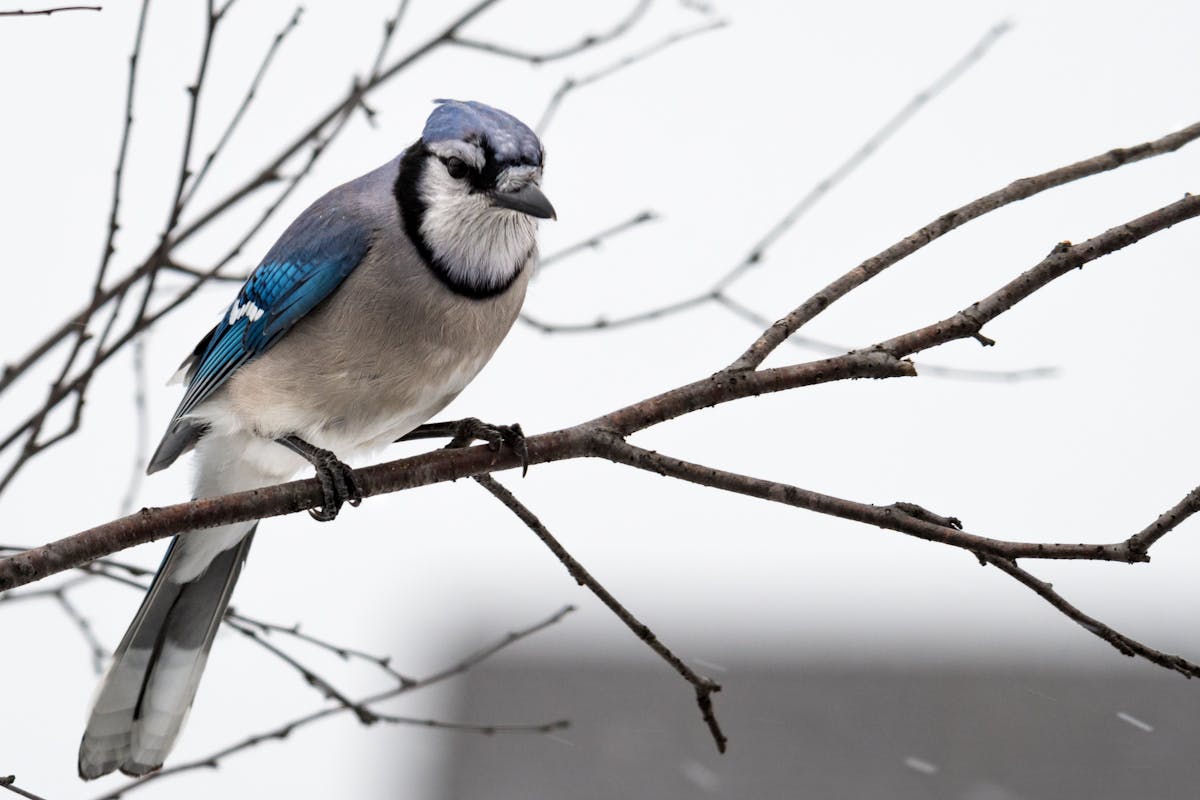
blue jay bird
Learning to Call
Blue jays learn their calls within six months after hatching. Some calls, like jeers and intrapair contacts, may evolve from cries. These calls may disappear after fledging but can return later in different contexts. Most calls, especially pumphandle calls, are learned. Studies show that isolated nestlings produce different sounds than normal blue jays. Nestlings raised with recorded calls mimic more accurately. The duration of the learning period is unknown, but blue jays likely learn and change calls yearly.
Imitation Skills
Blue jays excel at imitating other birds‘ calls. Some calls directly derive from the original song. Hawk impersonations also influence jeer and pumphandle calls. They can imitate:
-
Dogs
-
American crows
-
Cats
-
Certain threats from ideal males and perfect hens
Seasonality of Calls
Unpaired blue jays become more vocal during the pre-breeding season, supporting the idea that they call to attract mates. The frequency of calls changes with the seasons. Some calls are more common from January to April than in May and June when nests are built. Intrapair contact calls occur year-round. Blue jays usually call from trees but also call while foraging. Pumphandle calls are often made in the air while flying in flocks.