
Spiritual Cardinal
Introduction
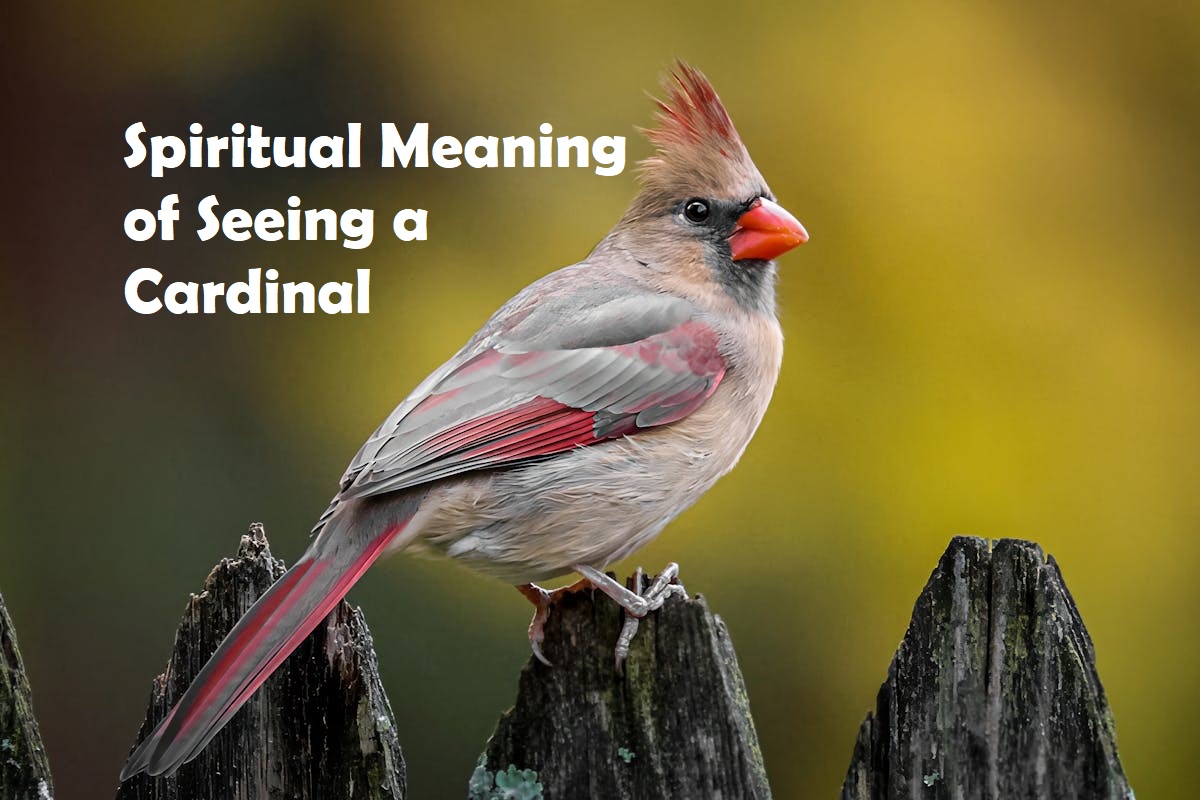
Cardinal Spirit Animal Meaning If you’ve been wondering about the spiritual meaning of seeing a cardinal, this guide is for you. It offers essential information for birders, wildlife watchers, and nature lovers. You’ll find facts, identification tips, and practical info.
The spiritual meaning of seeing a cardinal gets hundreds of thousands of searches every month for good reason. This topic opens a world of nature that many of us enjoy every day.
The Definitive Guide to Cardinals
This guide aims to be the most comprehensive, detailed, and actionable resource for this topic available. Whether you’re new to birdwatching or an experienced birder, you’ll discover something fresh.
Key Takeaways
-
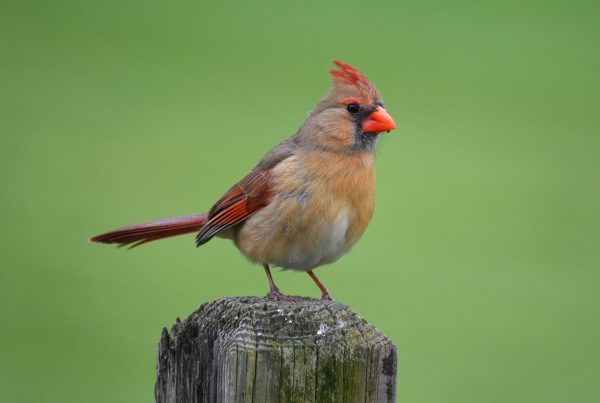
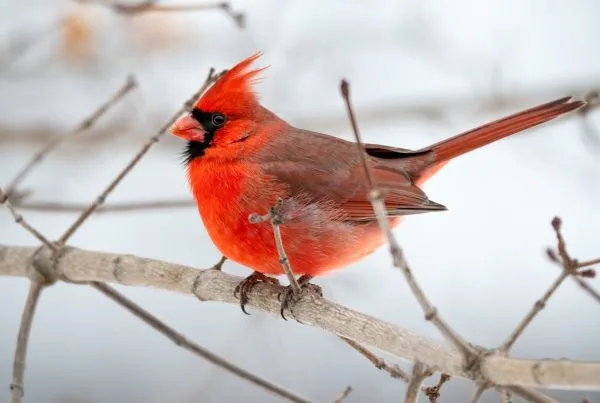
Biology and Identification Understanding the spiritual meaning of seeing a cardinal starts with its physical characteristics. Key traits to identify this species include:
-
Color patterns
-
Relative size compared to other species
-
Unique behavioral traits
-
-
Geographic Distribution Cardinal populations vary by region, season, and habitat. Experienced birders can recognize patterns based on these factors.
-
Ecological Role Cardinals play a significant role in ecological systems. Their contributions include:
-
Pollination
-
Seed dispersal
-
Predator-prey relationships
-
Part 2: Seasonal Patterns and Predictions
To better appreciate the spiritual meaning of seeing a cardinal, learn about its seasonal behaviors.
Spring (March–May)
Spring is the most active season for North American birds. It’s a time for:
-
Establishing territory
-
Courtship and breeding
Look for males singing, courtship displays, and nesting activity as migratory birds return.
Summer (June–August)
Summer is busy with nesting. Young birds are fledging, and activity at feeders increases. The dawn chorus may be quieter but continues through July.
Fall (September–November)
Fall migration is often overlooked by beginners. Experienced birders appreciate it. Confusing juvenile plumages add to the excitement of identification.
Winter (December–February)
Winter gathers birds at reliable food sources. Native plants producing berries are crucial. Many species that hide in summer become easier to spot.
Section 3: Identification Guide
Birdwatching is all about accurate identification. Here are some tips to improve your skills.
Size and Shape
Start by evaluating size. Compare unknown birds to known sizes, like:
-
Sparrow-sized
-
Robin-sized
-
Crow-sized
-
Goose-sized
Shape is often more telling than color. A silhouette can help identify a bird from a distance.
Key Field Marks
Focus on these features:
-
Head pattern: Color, eye stripe, and crest
-
Beak shape: Indicates diet
-
Wing pattern: Bars, patches, or streaks
-
Tail shape and color
-
Underpart color and pattern
Behavior
Observe bird behavior for quick identification:
-
Does it creep up tree trunks?
-
Does it pump its tail?
-
Does it hover before diving?
-
Does it walk or hop?
Part 4: Observing Cardinals
To enjoy wildlife connected to the spiritual meaning of seeing a cardinal, understand their habitat needs.
Food and Feeding
Use the right seeds to attract birds. Native plants with fruits or seeds are better than feeders alone, but feeders allow for close observation.
Water
A bird bath with flowing water is an effective attraction. Fresh water, changed every 2–3 days, draws birds.
Shelter and Nesting
Provide dense shrubs and mature trees for cover. A yard with food, water, and shelter is more beneficial than one with food alone.
Observation Tips
-
Sit still for 10–15 minutes.
-
Be patient; birds are most active in the morning.
-
Use tools like the Merlin Sound ID app to identify unknown birds.
-
Keep a journal to track sightings and patterns.
Part 5: Conservation and Common Problems
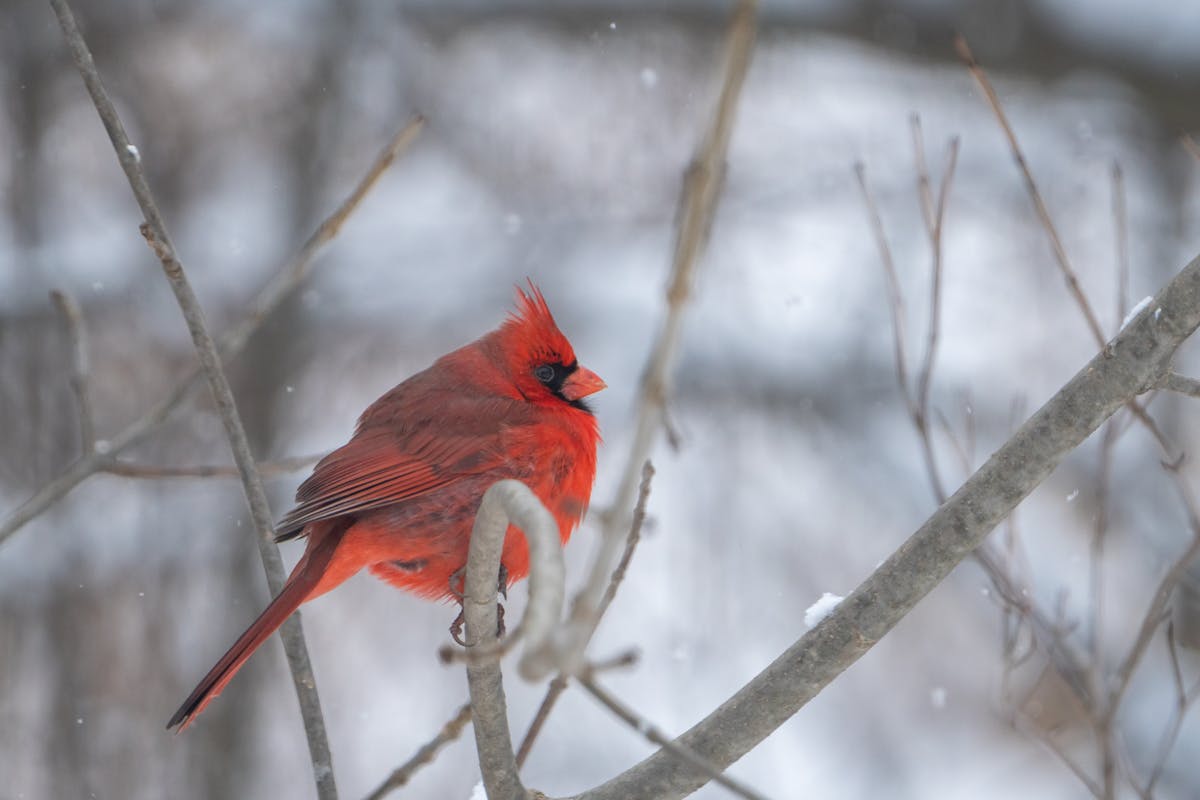
Meaning of Seeing a Cardinal
Population Trends
Research shows that North American bird populations have declined by an estimated 3 billion birds since 1970. This decline is due to habitat loss, window collisions, and more.
What You Can Do
Your actions matter! Here’s how you can help:
-
Keep cats indoors
-
Use window crash avoidance (decals, tape patterns)
-
Plant native species in your yard
-
Reduce pesticide use
-
Submit eBird checklists to monitor populations
-
Support land conservation organizations
Climate Change
Climate change affects bird populations by altering migration timing and available habitats. Supporting climate policies is a vital conservation measure.
Section 6: Frequently Asked Questions
Q: What is the spiritual meaning of seeing a cardinal? A: It symbolizes a connection to nature and observation. Learn more about cardinal symbolism here.
Q: When is the highest activity and visibility? A: Birds are most active in the early morning.
Q: What equipment do I need to start birding? A: Binoculars (recommended 8×42) and the free Merlin Bird ID app.
Q: How can I learn more about birds? A: Join a local Audubon chapter or take free online courses.
Q: What should I do if I see an injured bird? A: For stunned birds, place them in a dark box for an hour. For injured birds, contact a wildlife rehabilitator.
Q: Are there birding groups near me? A: Search for “[your county] Audubon Society” or check the American Birding Association’s directory.
Conclusion
The spiritual meaning of seeing a cardinal connects us to nature and encourages observation. Whether you’re a new birder or a seasoned veteran, welcome to the wonders of the natural world.
Start with a feeder. Install Merlin. Step outside in the morning. The rest will follow.
Find more bird guides, identification tips, and seasonal information at BirdzFly.com.

MD Imdadul Haque is the founder of BirdzFly, a research-backed resource on North American backyard birds. Drawing on years of independent study into bird identification, behavior, and migration patterns, he writes in-depth guides designed to help US birders understand the species in their own backyards — from common feeder visitors to seasonal migrants passing through.