Introduction
20 Amazing Things About America’s Most Beloved Bird
The Northern Cardinal is probably the most famous bird in North America. It is the official state bird of seven US states and appears on Christmas cards, sports team logos, and garden ornaments more than any other bird.
Despite its popularity, few people truly know about this remarkable bird. The bright red plumage hides an amazing creature known for its beautiful song, curious mating behaviors, and adaptability.
These 20 Northern Cardinal facts go beyond pretty red feathers.
Cardinal Appearance and Coloration
Interesting Fact #1: They Get Their Red Color from Food
-
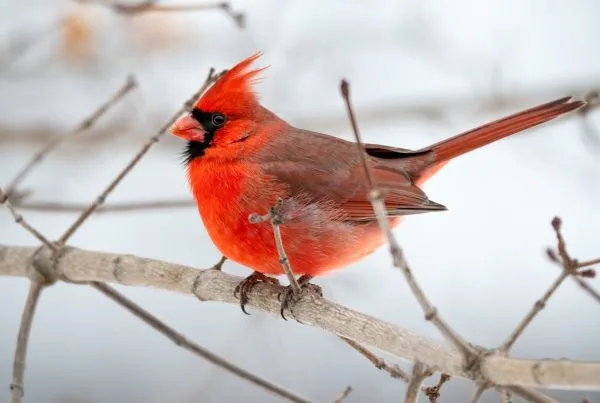
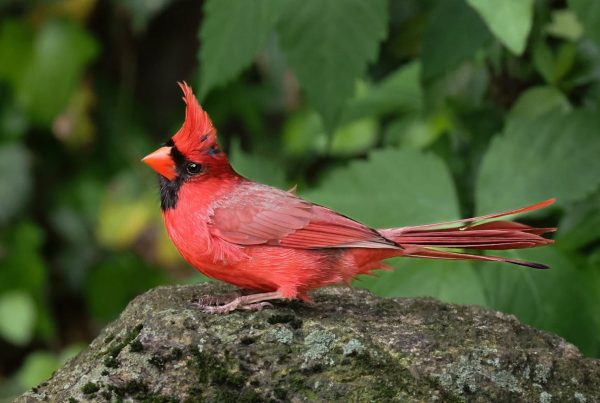
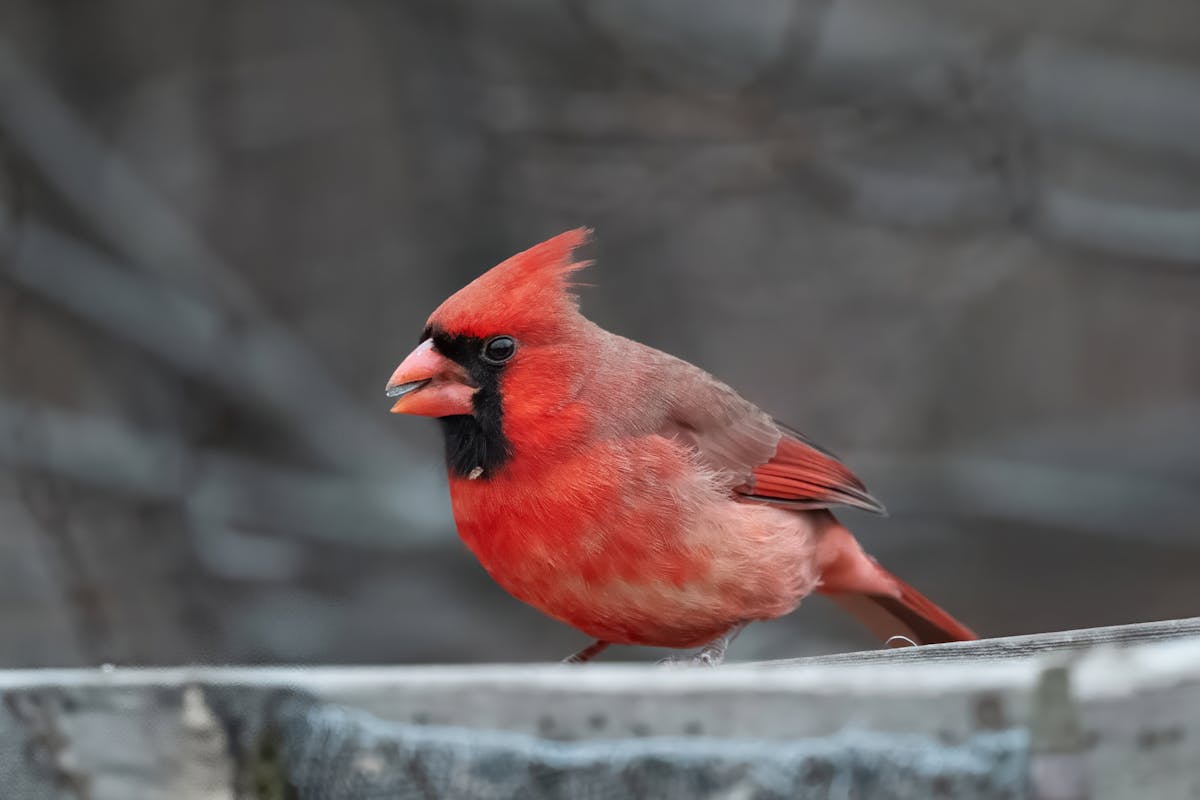
The bright red color of male Cardinals comes from pigments called carotenoids.
-
Cardinals cannot produce carotenoids; they get them from:
-
Berries
-
Fruits
-
Seeds
-
A male Cardinal’s redness reflects the quality of his diet. Males with carotenoid-rich foods are redder, while those with a poor diet are duller. Females prefer the redder males, as this shows they can find good food.
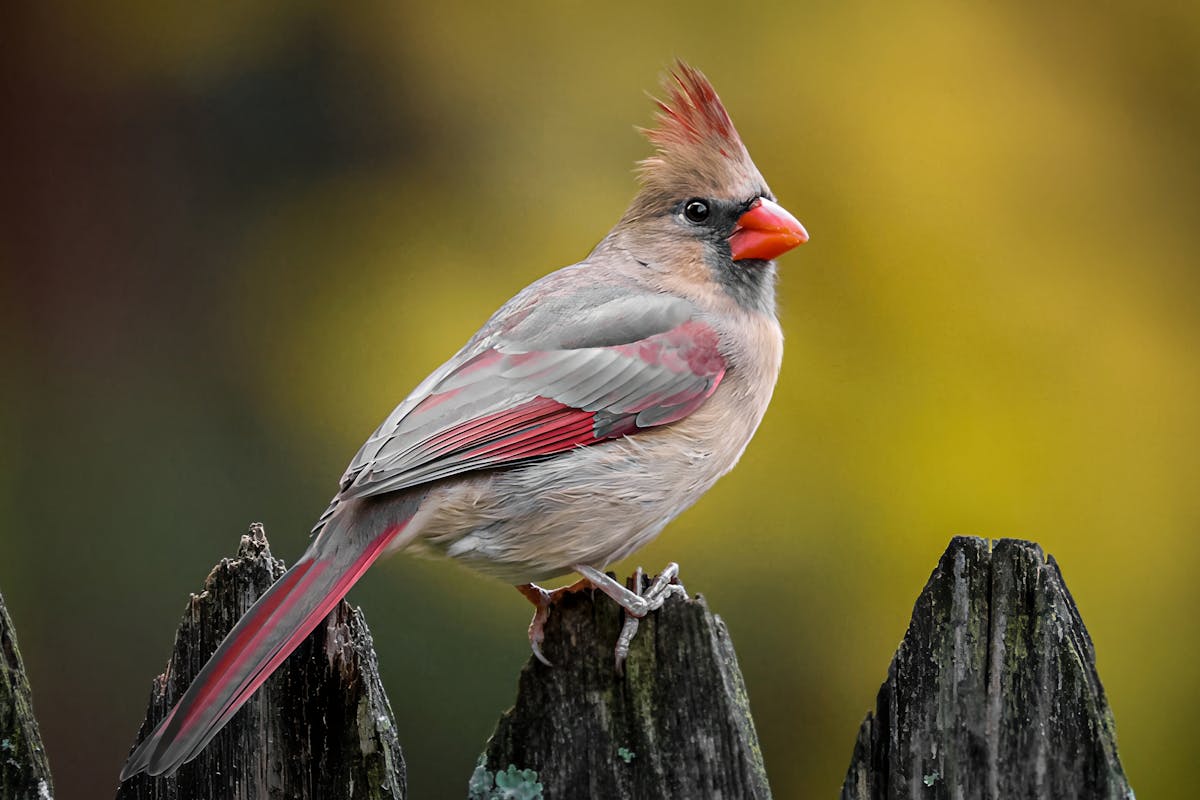
Fact #2: Females Are Pretty in Their Own Way
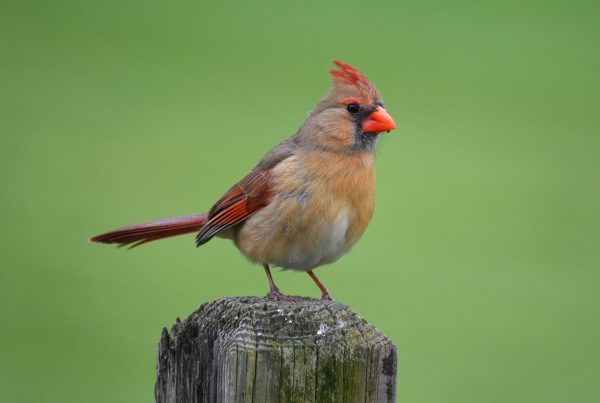
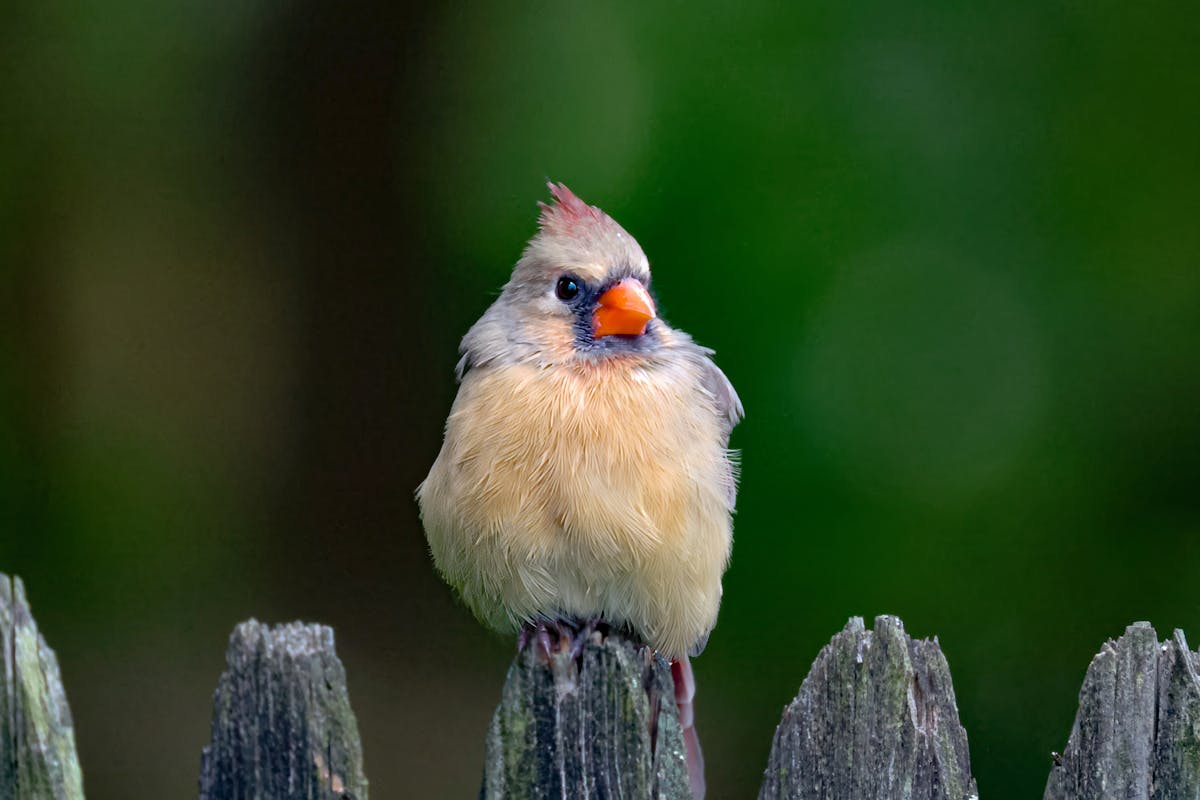
Females are often seen as drab compared to males. However, they are warm brown with reddish tints on their crest, wings, and tail. This helps them camouflage in nesting vegetation while also being beautiful in good light.
The difference in color is a classic example of sexual selection. Males are colorful to attract mates, while females are camouflaged for safety.
Interesting Fact #3: Male Cardinals Start Off Brown
Juvenile male Cardinals look like females for their first few months. They gradually turn red as their diet improves. By spring, many males are solid red, but their brightest colors may not appear until their second year.
Did You Know? #4: There Are Rare Yellow Cardinals?
Sometimes, a genetic mutation causes a male Cardinal to be bright yellow instead of red. These “xanthochroic” Cardinals attract excitement in the birding world due to their rarity.
Cardinal Song and Communication
Fun Fact #5: Both Male and Female Cardinals Sing
Unlike most songbirds in North America, both male and female Cardinals sing. They use their songs for several purposes, including:
-
Maintaining contact with their mate
-
Communicating between chicks
-
Coordinating singing with their mate
This makes Cardinals a unique example of female song in North American birds.
Fact #6: Cardinals Can Sing Nearly 24 Different Songs
Male Cardinals have a wide variety of songs. They learn from adult supervision in their first year. Some populations even develop regional dialects.
Common patterns include:
-
“cheer-cheer-cheer”
-
“pretty-pretty-pretty”
-
“woit-woit-woit”
-
“birdy-birdy-birdy”
Fact #8: Cardinals Attack Reflections
Male Cardinals often attack reflective surfaces like windows and car mirrors. This behavior is not as strange as it seems. They see their reflection as a rival and defend their territory.
Solution: To help, cover windows and mirrors with paper or fabric.
Cardinal Behavior and Family Life
Northern Cardinal Facts Beloved Bird
Fact #9: Mate Feeding
Males often feed females during courtship, a behavior called “mate-feeding.” This shows off the male’s foraging skills and helps strengthen their bond.
Fact #10: Pairs Sometimes Stick Together for Years
Northern Cardinals are mostly monogamous. Many pairs stay together for several breeding seasons, but some change partners.
Fact #11: Both Parents Raise the Young
The female builds the nest, while both parents incubate the eggs and feed the chicks. After the chicks fledge, the male continues to help while the female prepares for a new clutch.
Fact #12: Multiple Nesting Cycles
A single pair of Cardinals can have 2–3 nesting cycles in a breeding season. The female builds a new nest for each attempt.
Fact #13: Young Cardinals Follow Their Parents
After leaving the nest, Cardinal chicks follow their parents and beg for food for weeks. You might see families of Cardinals together during the summer.
Cardinal Ecology
Fact #14: Cardinals Have Expanded Their Range
In the early 20th century, Northern Cardinals were mostly in the southeast. Now, they breed as far north as southern Canada. This change is due to:
-
Bird feeders providing food during winter
-
Urban heat islands
-
Climate change
Fact #15: Non-Migratory Wintering
Cardinals do not migrate. They face winter challenges wherever they breed. Winter bird feeders help them survive by providing reliable food.
Did You Know? #16: Summer Rivals, Winter Flocks
During winter, Cardinals leave their summer territories and join flocks of over 20 birds at feeding locations. In spring, they disperse again to their breeding areas.
Cardinals and Humans
Fact #17: The Cardinal is the State Bird in Seven States
The Northern Cardinal is the state bird of:
-
Illinois
-
Indiana
-
Kentucky
-
North Carolina
-
Ohio
-
Virginia
-
West Virginia
Did You Know? #18: Named After the Baseball Team?
The bird was named after the St. Louis Cardinals baseball team in 1900. The team’s name reflects the bird’s cultural significance in the area.
Fact #19: Cardinals Recognize Humans
Cardinals may behave differently around familiar humans. They seem to recognize their regular feeders better than strangers.
Fact #20: Conservation Status
The Northern Cardinal’s conservation status is Least Concern.
With these amazing facts, you can appreciate the Northern Cardinal even more!

MD Imdadul Haque is the founder of BirdzFly, a research-backed resource on North American backyard birds. Drawing on years of independent study into bird identification, behavior, and migration patterns, he writes in-depth guides designed to help US birders understand the species in their own backyards — from common feeder visitors to seasonal migrants passing through.