
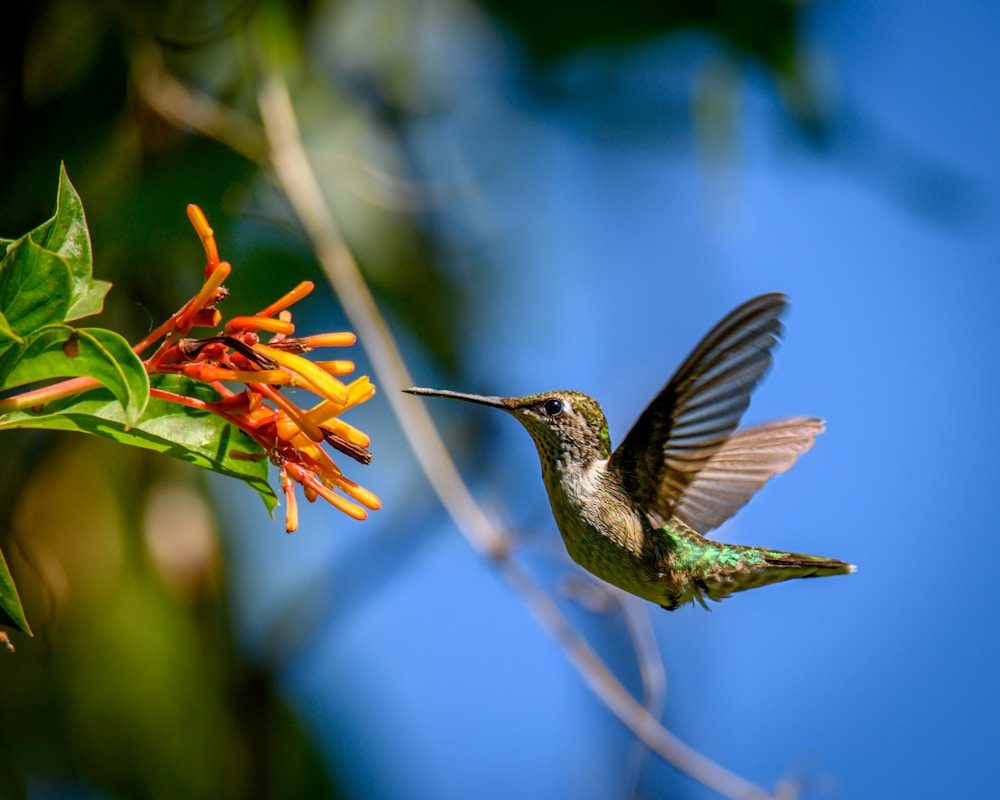
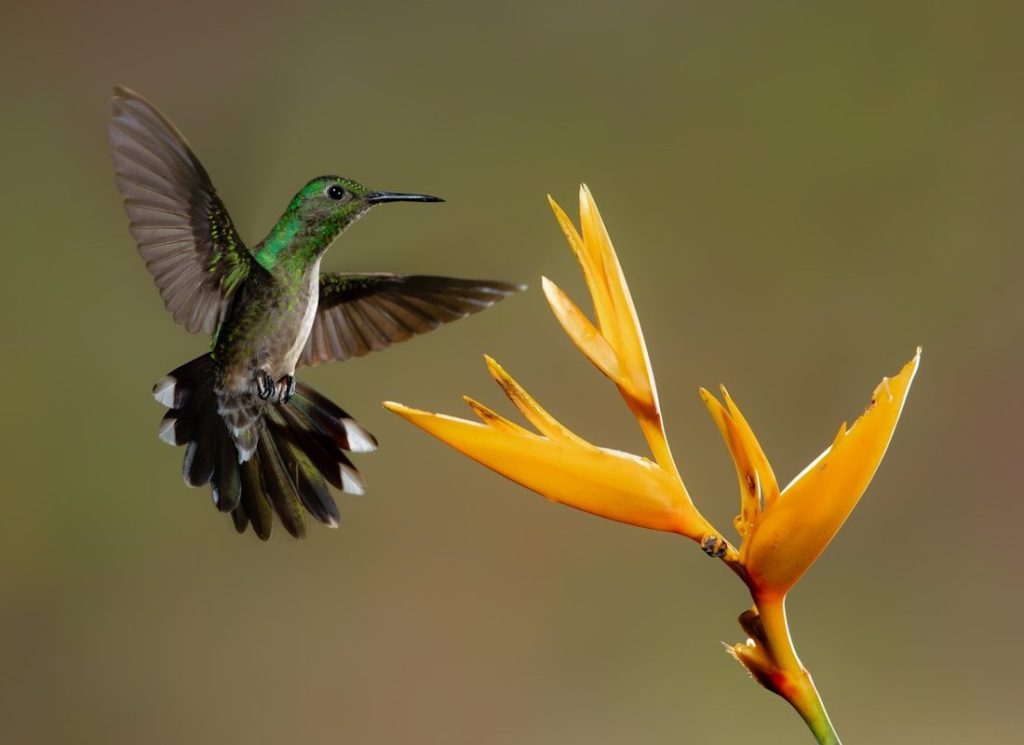
Hummingbirds Territorial
Yes, hummingbirds are territorial — aggressively so for their size. A male weighing 3 grams will chase away birds many times larger, dive at intruders, and occasionally make physical contact. This isn’t random aggression. It’s a calculated survival strategy, and once you understand why they do it, the behavior makes complete sense.
Why They’re So Territorial
Hummingbirds have one of the highest metabolic rates of any warm-blooded animal. Hearts beating up to 1,260 times per minute in flight. They need to consume roughly half their body weight in sugar every day just to maintain basic functions. A hummingbird that can’t find food on a cold morning can die within hours.
Given that dependence on food, defending a reliable nectar source is worth the cost of chasing intruders. A male that controls a productive flower patch or a well-stocked feeder has a genuine survival and reproductive advantage. Natural selection has strongly favored this behavior.
They also calculate the trade-off. Defending a territory costs energy and creates injury risk. A rich food source is worth it; a marginal one isn’t. This is why you sometimes see a dominant male ignoring a second feeder placed around the corner — not worth the effort.
What It Looks Like
Most people first notice it as constant chasing. A dominant male parks on a high perch — a dead twig, fence post, wire — and dives aggressively at any hummingbird that approaches the feeder.
The escalation goes like this:
- Perch display — Dominant bird sits visibly near the food, watching
- Dive display — Steep U-shaped dive toward the intruder, loud tail-feather sound at the bottom
- Chase — Direct pursuit if the intruder doesn’t leave, sometimes for considerable distances
- Physical contact — Rare but documented; birds have been seen locking bills and grappling
The target is usually other hummingbirds, but males will also go after large insects like hawkmoths, orioles, and occasionally humans who get too close to a feeder.
Do Females Do This Too?
Yes, but differently. Females defend their nesting area rather than a feeding territory. A female with eggs or young will aggressively drive off anything that gets too close — other hummingbirds, crows, and animals much larger than herself.
Outside nesting season, females are generally less aggressively territorial at feeders. They tend to feed opportunistically rather than locking down a single location.
Why One Bird Can Block Your Whole Feeder
If you used to have multiple hummingbirds and now you only see one — usually a male — a territory has been established. A single dominant male can effectively block every other hummingbird from a single feeder just by spending all day watching it.
The fix is straightforward: add more feeders, placed out of sight of each other. A dominant male can’t guard what he can’t see. Put a second feeder around the corner of the house or behind a shrub, and other birds will find it quickly while he’s occupied defending the original.
Three or more feeders spread around the yard exhausts the dominant male’s ability to patrol all of them. Most birds figure out where the unguarded feeders are within a day or two.
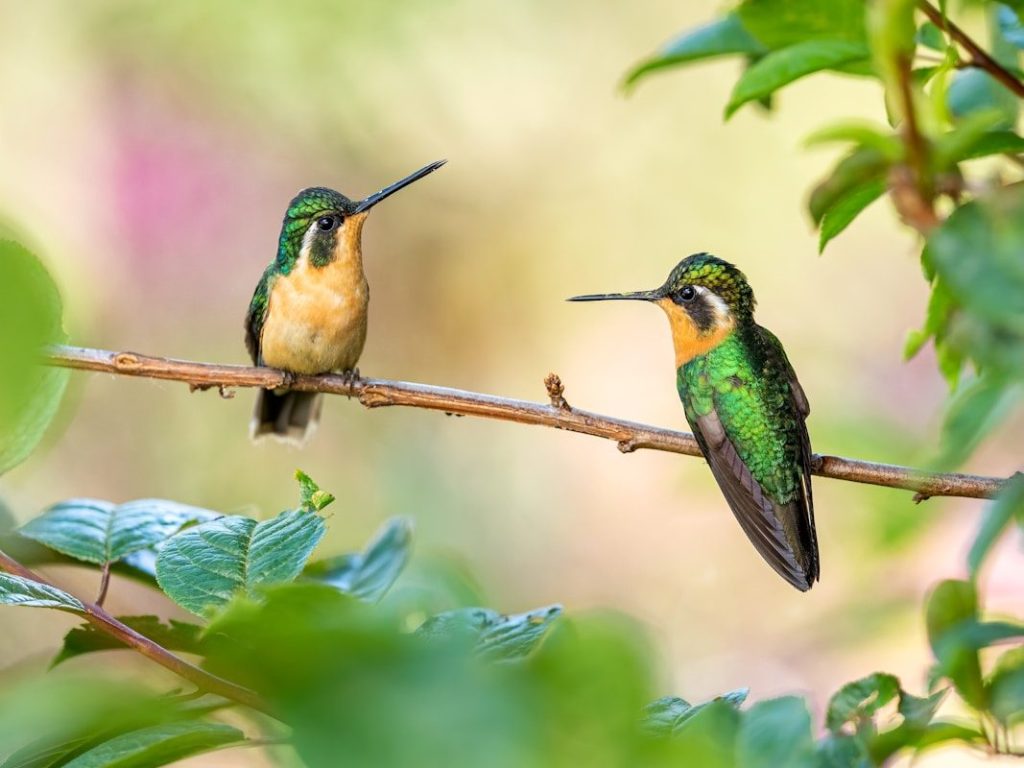
Hummingbirds Territorial
When It’s Most Intense
Two windows:
- Spring arrival (April–June) — Males arrive first and immediately compete for the best territories. Multiple males arriving at once creates peak conflict.
- Late summer before migration (August–September) — Hummingbirds are building fat reserves for migration and feeding intensively. Competition spikes. The feeder that had peaceful visitors in July can turn into a war zone in August.
How to Reduce the Fighting
- Multiple feeders out of sight of each other — the single most effective change
- Feeders with more ports — an 8-port feeder is harder to guard than a 4-port one
- Native flowers throughout the yard — natural patches are harder to defend than a single feeder
- Keep feeders full — abundant food reduces the urgency to guard any single source
FAQ
Why does one hummingbird chase all the others away?
A dominant male has established a feeding territory. It’s a survival strategy — controlling a reliable food source matters enormously for a bird with this metabolic rate.
How do I stop hummingbirds from fighting?
Add more feeders placed out of sight of each other. A dominant male can’t guard what he can’t see.
Do female hummingbirds fight?
Yes, primarily around their nests. At feeders, females are generally less aggressive than males.
How many feeders should I have?
At minimum two, out of sight of each other. Three or more spread around the yard significantly increases how many birds you’ll see.
For more on hummingbird setup, see our guides on making hummingbird nectar and flowers that attract hummingbirds.

MD Imdadul Haque is the founder of BirdzFly, a research-backed resource on North American backyard birds. Drawing on years of independent study into bird identification, behavior, and migration patterns, he writes in-depth guides designed to help US birders understand the species in their own backyards — from common feeder visitors to seasonal migrants passing through.

