
Hummingbird Nectar Recipe
Introduction
Hummingbird Nectar Recipe for Beginners: Everything You Need to Know
This guide will teach you all about the hummingbird nectar recipe. It includes expert details, science-backed information, and practical tips you can use right away.
The topic of hummingbird nectar draws in hundreds of thousands each month. Learning about these incredible birds helps people appreciate nature, which many walk past every day.
This will be the most detailed, accurate, and practical guide available. Whether you’re a beginner or an experienced birdwatcher, we hope you find something new and useful.
Part 1: What You Need to Know About Hummingbird Nectar
There are some key points to understand about hummingbird nectar and why it matters to both scientists and the public. Interest in this topic has increased due to rising nature awareness and birdwatching.
Key Takeaways
-
Biology and Identification
-
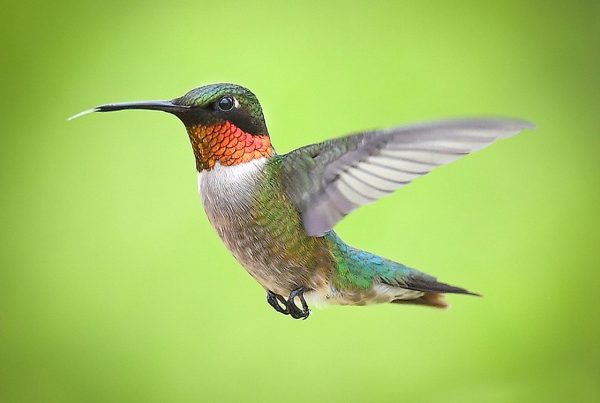
Knowing about the biology of hummingbirds is essential. Key traits include color patterns, size, and recognizable behaviors.
-
-
Geographic Distribution
-
Hummingbirds vary by region, season, and habitat. North American populations depend on habitat needs and seasonal timing.
-
-
Ecological Role
-
Hummingbirds play a crucial role in ecology. They are vital for pollination, seed dispersal, and serve as indicator species.
-
Part 2: Seasonal Trends
Understanding the seasonal patterns of hummingbirds can increase your appreciation for them.
Spring (March–May)
-
Most North American species are most active.
-
Look for:
-
Males singing to defend territories
-
Nest construction
-
Migrants returning from southern areas
-
Summer (June–August)
-
Nesting occurs, with fledgling birds flying around.
-
Activity at feeders increases, especially in the morning.
Fall (September–November)
-
Fall migration is exciting for experienced birders.
-
Look for species that may only appear for a few days in spring.
Winter (December–February)
-
Feeders and native plants are crucial as food sources.
-
Birds become easier to spot when trees are bare.
Part 3: Identification Guide
Hummingbird Nectar Recipe
Recognizing birds is essential for birdwatching. Here are some tips:
Size and Shape
-
Start by evaluating size:
-
Is it sparrow-sized, robin-sized, or crow-sized?
-
Key Field Marks
Focus on:
-
Head Pattern (Cap color, eye stripe, presence of crest)
-
Bill Shape (Indicates diet)
-
Wing Pattern (Bars, patches, streaking)
-
Tail Shape
-
Underpart Color
Behavior
Bird movement can help with identification:
-
Does it creep up tree trunks? (Nuthatch or creeper)
-
Does it hover before diving? (Kingfisher, kestrel)
Part 4: Attracting and Watching Hummingbirds
Creating the right conditions to enjoy hummingbirds requires understanding their needs.
Food and Feeding
-
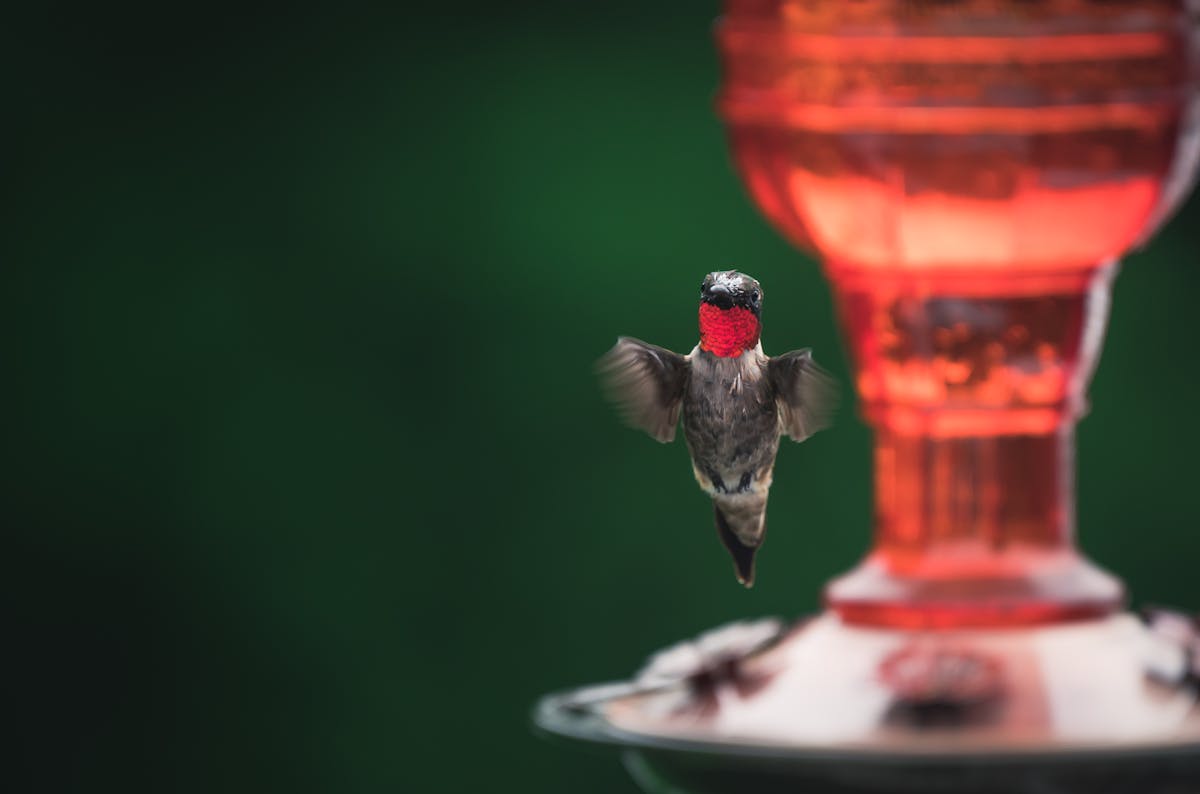
Use the correct food to attract the right birds.
-
Native plants that produce berries or seeds are better than artificial feeders.
Water
-
Moving water (like a dripper) attracts birds.
-
Change the water every 2–3 days.
Shelter and Nesting
-
Provide thick native shrubs and mature trees for shelter.
-
A yard with food, water, and shelter is best.
Observation Tips
-
Sit quietly for 10–15 minutes instead of walking.
-
Observe peak activity in the first hour after sunrise.
-
Use tools like the Merlin Sound ID app to help identify birds.
Part 5: Conservation
Population Trends
Research shows that about 3 billion North American birds have vanished since 1970. Habitat loss and other factors impact bird populations.
What You Can Do
Your actions matter! Consider:
-
Keeping cats indoors
-
Preventing collisions on windows
-
Planting native species
-
Reducing pesticide use
Climate Change
Climate change affects migration timing and habitat. Advocate for climate policies to help birds.
Section 6: Frequently Asked Questions
Q: When is the best season for hummingbird activity? A: Spring and early summer are peak times.
Q: What equipment do I need to get started? A: Binoculars (8×42 recommended) and the Merlin Bird ID app.
Q: Where can I learn more about birds? A: Join local Audubon chapters or participate in community science programs.
Q: What should I do if I see an injured bird? A: Contact a local wildlife rehabilitator for help.
Conclusion
The hummingbird nectar recipe connects us to a growing movement to appreciate nature. Whether you are a beginner or an expert, there’s always something new to learn.
Start with a feeder, install the Merlin app, and step outside. Nature is waiting for you!
For more on birds and identification tips, visit BirdzFly.

MD Imdadul Haque is the founder of BirdzFly, a research-backed resource on North American backyard birds. Drawing on years of independent study into bird identification, behavior, and migration patterns, he writes in-depth guides designed to help US birders understand the species in their own backyards — from common feeder visitors to seasonal migrants passing through.