

Birds of Pennsylvania
Pennsylvania isn’t the first state people mention when they talk about birding in the US. That’s partly because it sits between places with bigger reputations — New York, New Jersey, Maryland. But the Appalachian ridges running through the center of the state do something interesting: they funnel migrating birds into predictable corridors, creating concentration points that birders have been watching for over a century.
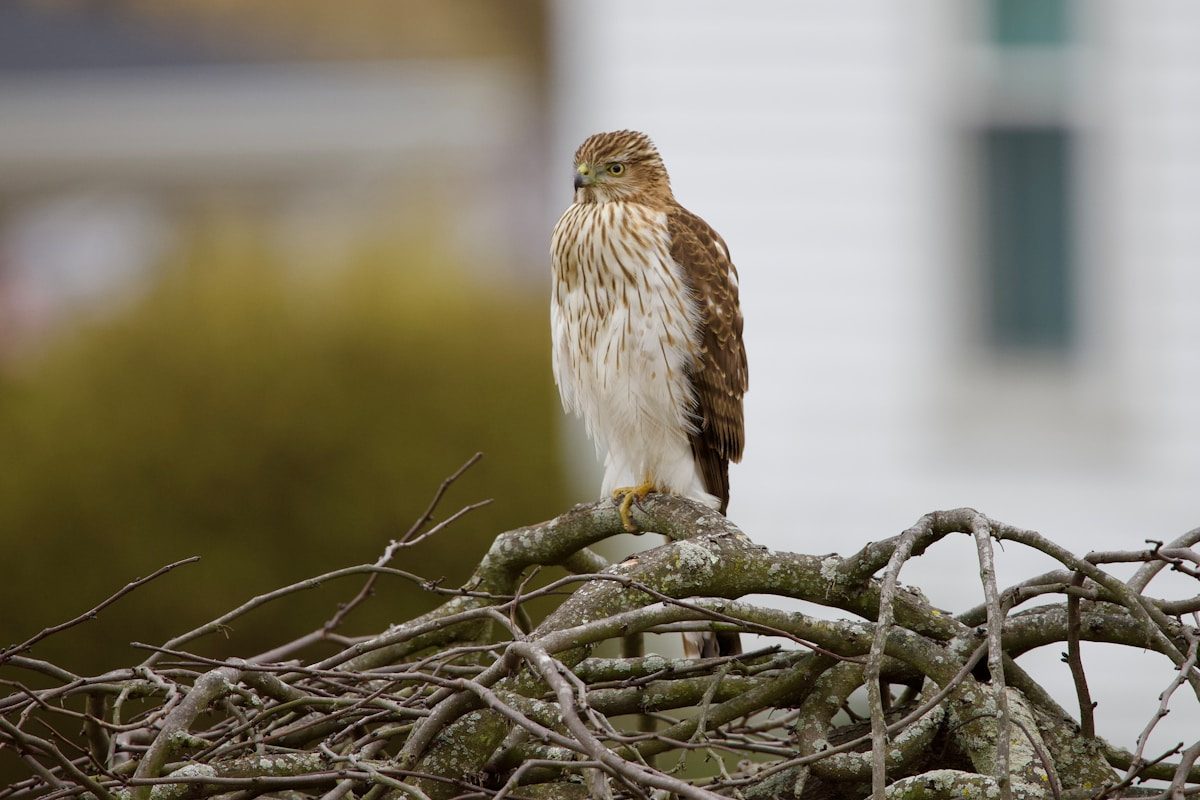
Hawk Mountain Sanctuary, on the Kittatinny Ridge in Berks County, counts broad-winged hawks by the tens of thousands during September migration. It was the world’s first sanctuary established specifically to protect birds of prey, and people travel from other countries to stand on that ridge in September and watch the sky.
That’s the exceptional end. The more ordinary end — which is also worth knowing — is the birds that are just there, in Pennsylvania yards and parks, throughout the year.
Year-Round Residents
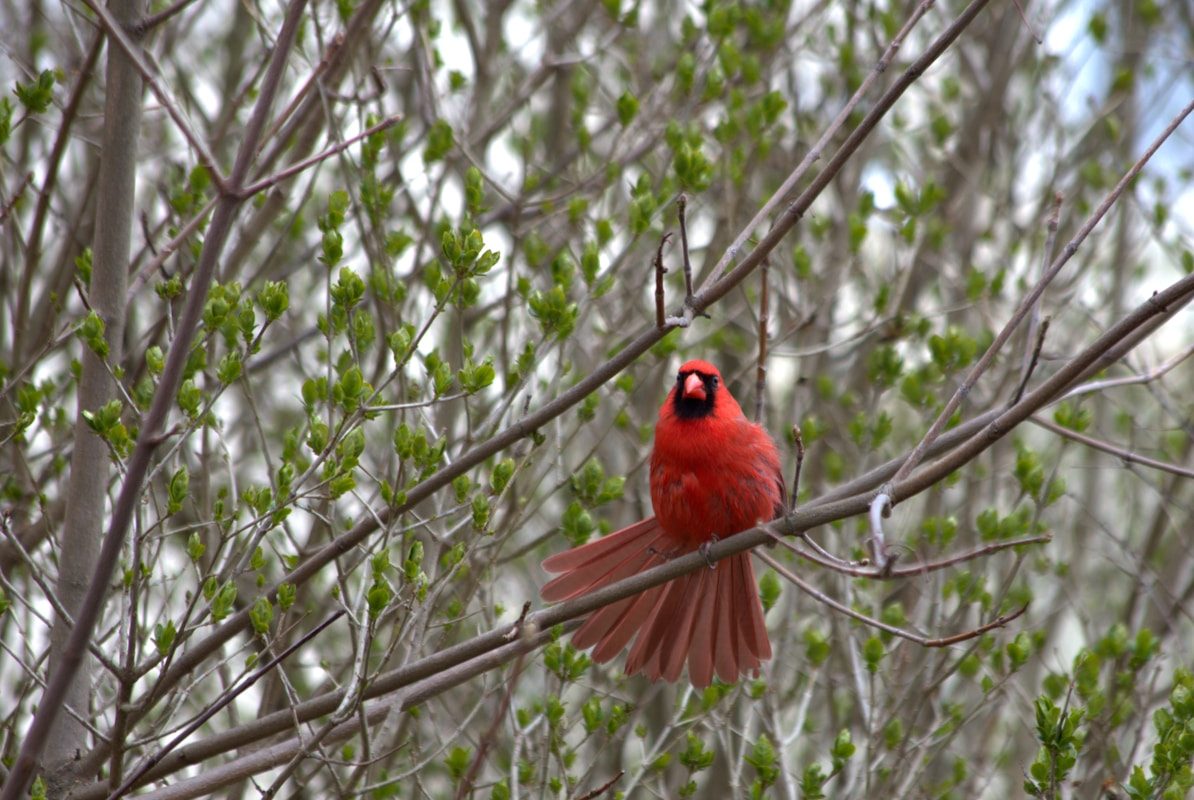
1. Northern Cardinal
Impossible to miss in any season — the male’s red is visible against snow in January as clearly as against green leaves in June. Year-round resident statewide. One of the most reliable feeder birds in Pennsylvania and probably the first species many residents learn by name.
2. Black-Capped Chickadee
Black cap, white cheeks, gray back. Active at feeders year-round, often the first bird to arrive at a new feeder and the last to leave. Stores food in hundreds of individual caches each fall, then finds them in winter. That’s not a metaphor for anything. It’s just what they do, and the memory involved is worth thinking about.
3. Tufted Titmouse
Gray with a crest, orange-brown flanks, large dark eyes. Related to chickadees and often seen with them in mixed winter flocks. Loud “peter-peter-peter” song in spring. Takes sunflower seeds, flies to a nearby branch, hammers the shell open. Efficient.
4. White-Breasted Nuthatch
The one that goes headfirst down a tree trunk. Blue-gray above, white face and breast, rusty flanks. Year-round in Pennsylvania forests and at feeders. They find insects hiding in bark by approaching from above — a different angle than woodpeckers, which means they find different prey on the same tree.
5. Downy Woodpecker
The smallest woodpecker in North America. Black and white, small red nape patch on males. Very common at suet feeders. Clings to weed stems and small branches that larger woodpeckers ignore.
6. Hairy Woodpecker
Looks like a larger Downy — same black-and-white pattern, same red nape on males. The bill is noticeably longer. Less common at feeders than Downy, warier of human activity. The two species are often used as the classic example of how size can be misleading without something to compare.
7. Red-Bellied Woodpecker
Red cap, barred black-and-white back. The belly is barely pink — the name is technically correct but practically misleading. Common in Pennsylvania and moving northward in range over recent decades. Loud, distinctive call; you often hear it before you see it.
8. Blue Jay
Loud, blue, crested, and present at most Pennsylvania feeders year-round. They cache acorns in fall and are one of the primary ways oak trees disperse their seeds across the landscape. Estimates suggest a single Blue Jay can cache and retrieve 3,000 to 5,000 acorns in a season. Not all of them get retrieved.
9. American Crow
All-black, large, common in open and suburban areas. Crows are one of the most behaviorally complex birds in Pennsylvania. They’ve been documented using tools, problem-solving across multiple steps, and recognizing individual human faces across years. Common doesn’t mean uninteresting.
10. Dark-Eyed Junco
Pennsylvania has both year-round residents in the highlands and large winter influxes from further north. Dark gray above, white belly, white outer tail feathers that flash in flight. Ground feeders, usually under other feeders rather than at them. Leave for the north in April; the remaining ones nest in higher elevation forests.
Summer Visitors (April–September)
11. American Robin
Some stay year-round in Pennsylvania, but the population swells dramatically in spring. The singing male on the lawn before dawn is the reliable spring signal. Orange-red breast, yellow bill. Ground feeders for earthworms; berry eaters in winter.
12. Ruby-Throated Hummingbird
The only hummingbird that breeds in Pennsylvania. Males arrive in late April, females follow. Put feeders out by April 20th to catch the first males. They depart by October. The male’s throat looks dark in most light and flashes red only when the angle is right — a detail that surprises people who expect it to be obviously red all the time.
13. Baltimore Oriole
Arrives in May, brilliant orange and black. Attracted to orange halves and nectar feeders. Nests in tall deciduous trees, building a hanging woven pouch that takes several days to complete. Departs by September. Worth putting feeders out specifically for — few birds are as immediately striking at a feeder.
14. Rose-Breasted Grosbeak
Male: black and white with a rose-red triangular patch on the chest. Visits sunflower feeders in May during migration and breeds in Pennsylvania forests. The female has no red — streaky brown with a bold white eyebrow stripe. One of the better songster among Pennsylvania’s summer birds.
15. Eastern Wood-Pewee
Small, gray-brown flycatcher with two wing bars and a distinctive drawn-out “pee-a-wee” call that carries through forest in summer. More often heard than seen. Not a feeder bird — insect catcher. Breeds in Pennsylvania woodlands and departs for South America in fall.
Winter Visitors (October–March)
Birds of Pennsylvania
16. White-Throated Sparrow
Arrives from Canada in October. Brown streaky body, white throat patch, yellow lore spot between eye and bill. Ground feeder under bushes and feeders. Their “Old Sam Peabody Peabody Peabody” song in late winter is one of the sounds that signals the season changing — they begin singing before they leave in April.
17. Fox Sparrow
The largest common sparrow. Rusty-brown and heavily streaked. Scratches loudly in leaf litter — audible from several feet away. Passes through Pennsylvania in October and March, and some winter in the southern part of the state. Not as well-known as White-throated Sparrow, but hard to miss once you’re looking for it.
18. American Goldfinch
Dull olive-yellow in winter, bright yellow in summer. Year-round in Pennsylvania but changing dramatically in appearance between seasons. Visits nyjer feeders. The same bird that looks unremarkable in November looks striking in May.
Migration Highlights
19. Broad-Winged Hawk
Most people never see one up close. What you see at Hawk Mountain in September is thousands of them riding thermals south in loose groups called kettles — sometimes hundreds of birds spiraling in a single thermal, then streaming south. One of the largest raptor migrations in the world, and it happens over Pennsylvania every September.
20. Blackpoll Warbler
Passes through Pennsylvania in May on its way north. Males are black-capped, black-streaked on white — clean and distinctive. They’re heading for boreal forests in Canada. In fall, they’ll make a nonstop flight over the Atlantic Ocean to South America — sometimes 1,700 miles without landing. Seeing one in a Pennsylvania tree in May is a brief encounter with a bird doing something remarkable.
Where to Watch in Pennsylvania
- Hawk Mountain Sanctuary (Kempton): September–November for raptor migration
- Presque Isle State Park (Erie): Spring and fall migration on Lake Erie’s shore
- Middle Creek Wildlife Management Area (Lebanon County): Tundra Swans in late winter, waterfowl in spring
- John Heinz National Wildlife Refuge (Philadelphia): Wetland birds year-round
FAQ
What is Pennsylvania’s state bird?
The Ruffed Grouse, designated in 1931. A woodland game bird rarely seen at feeders but present in Pennsylvania’s forested regions year-round.
What is the most common bird in Pennsylvania?
American Robin, Northern Cardinal, and House Sparrow are among the most abundant. Dark-eyed Juncos are ubiquitous in winter.
Is Hawk Mountain worth visiting for non-birders?
Yes. The ridge walk is accessible, the views are good, and watching thousands of hawks move through in September doesn’t require any prior birding knowledge to be impressive.
For more on specific species, see our guides on hairy vs downy woodpecker and hummingbird feeder setup.

MD Imdadul Haque is the founder of BirdzFly, a research-backed resource on North American backyard birds. Drawing on years of independent study into bird identification, behavior, and migration patterns, he writes in-depth guides designed to help US birders understand the species in their own backyards — from common feeder visitors to seasonal migrants passing through.

