
Are Blue Jays Actually Blue The Natural Trick
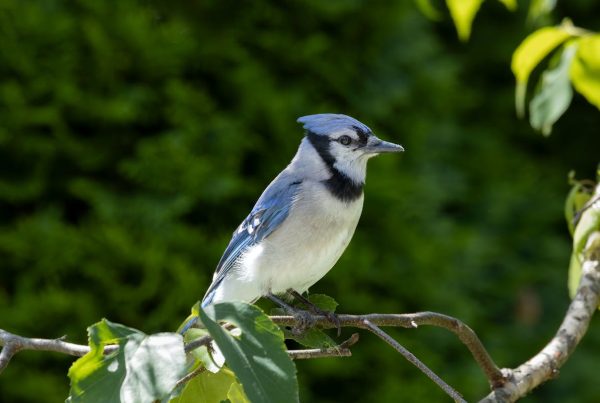
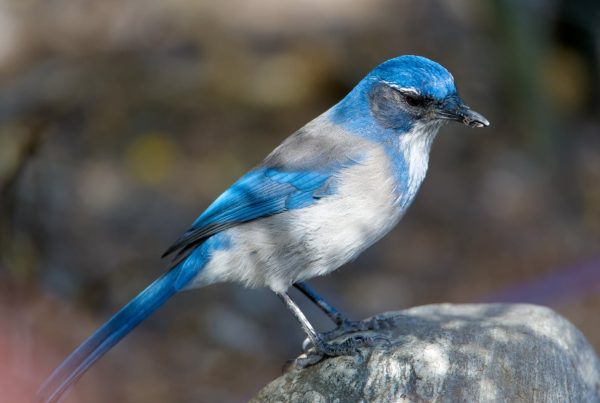
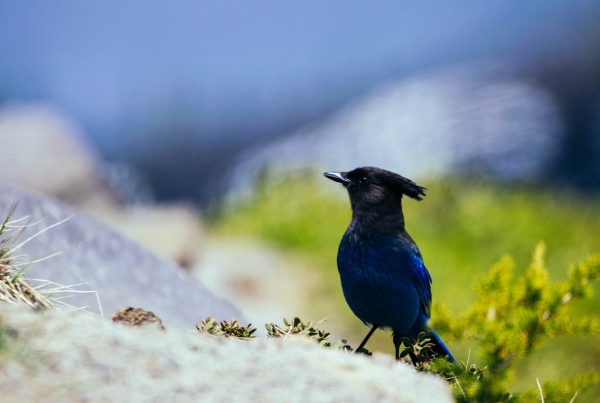
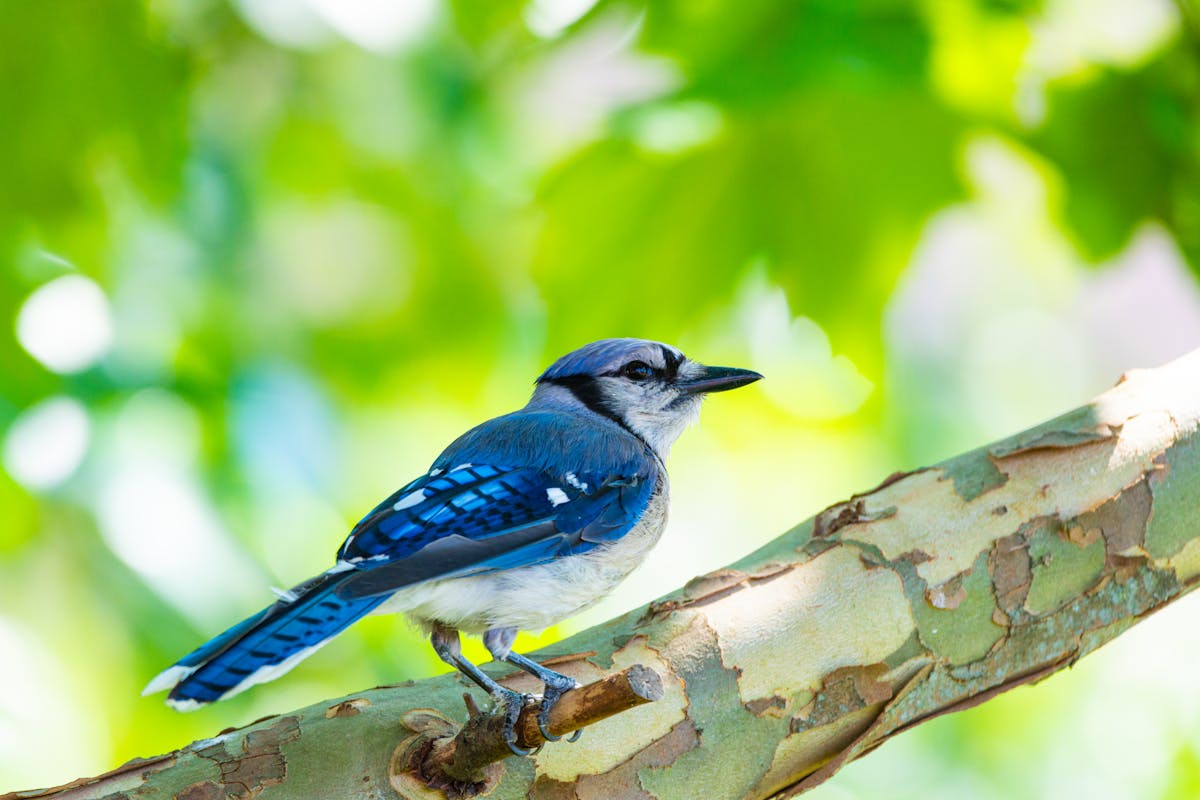
Against the dull, cold canvas of winter, a blue jay stands out as a bright brushstroke. However, blue jays are not really blue. The blue color isn’t there at all; it is a trick of science, an optical illusion.
How Blue Jays Get Their Color
Unlike cardinals, whose feathers are red due to red pigment, blue jays lack blue pigment. In fact, blue pigment is very rare in nature. Instead, the pigment in a blue jay’s feathers is melanin, which is actually brown.
The Science Behind It
The blue appearance comes from:
-
Light scattering
-
Refraction
Light scattering is similar to how a prism works. Blue jay wings have tiny air and keratin pockets. Keratin is the same protein that gives our hair and nails strength. When light enters these pockets, all colors are absorbed except for blue. The blue wavelength is refracted, allowing us to see the feathers as blue, according to the Birdzfly.
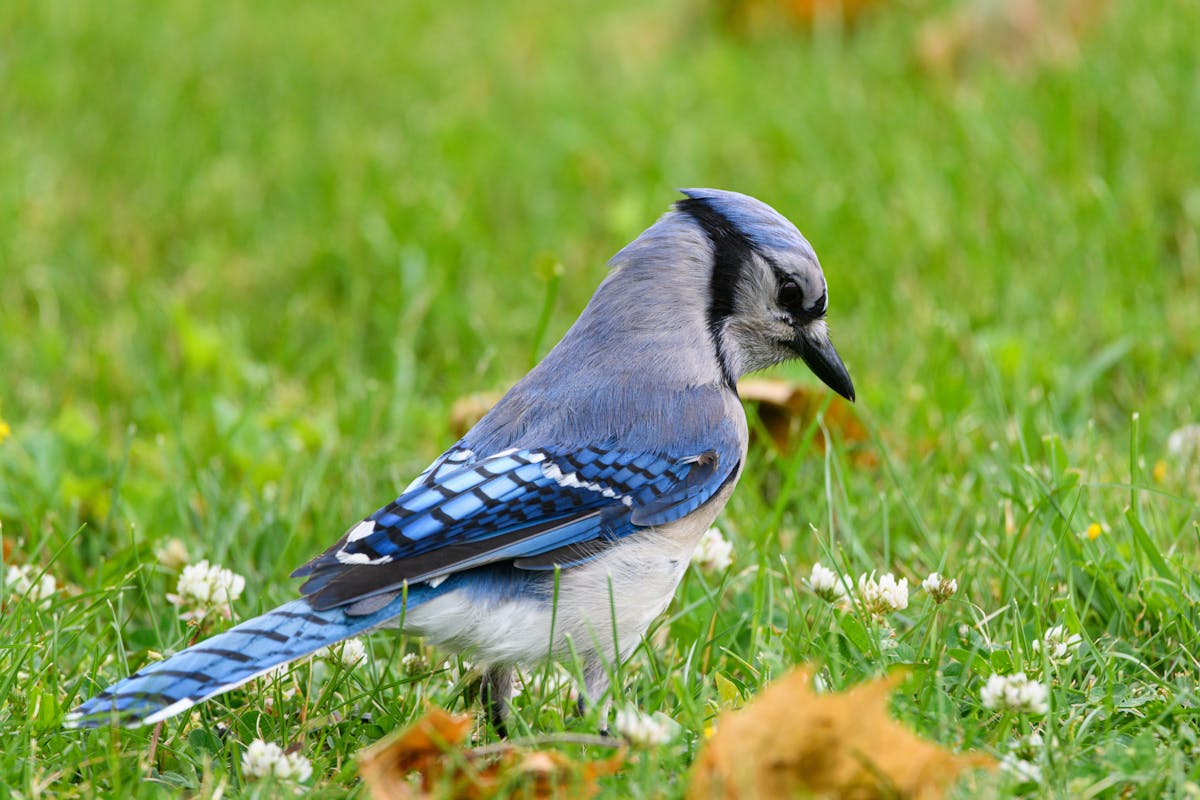
Blue Jays on Ground
Not Just Blue Jays
This trick of light isn’t limited to blue jays. It creates the same optical illusion in other birds, such as:
-
Indigo buntings
-
Bluebirds
None of these birds has blue pigment either.
What Happens with Blue Feathers
If you have a blue feather, you will see its true color under different light:
-
Normal light: The feather looks blue, just like when you see the bird in nature.
-
Backlit: The feather appears brown. This happens because light isn’t reflected, revealing the brown melanin instead of a blue reflection.
Iridescent Feathers: A Similar Trick
A similar phenomenon occurs with the iridescent feathers of many hummingbird species. Their feathers have microscopic barbules that refract light like a prism. This creates the vibrant colors we see. However, under dim light, these feathers appear duller, according to the Cornell Lab.

MD Imdadul Haque is the founder of BirdzFly, a research-backed resource on North American backyard birds. Drawing on years of independent study into bird identification, behavior, and migration patterns, he writes in-depth guides designed to help US birders understand the species in their own backyards — from common feeder visitors to seasonal migrants passing through.