European Goldfinch Bird Introduction
Basic Info
-
Scientific Name: Carduelis carduelis
-
Lifespan: 8-10 years (average)
-
Size: 4.7–5.1 in
-
Weight: 0.49 to 0.67 oz
-
Wingspan: 8.3–9.8 in
European Goldfinch Facts
-
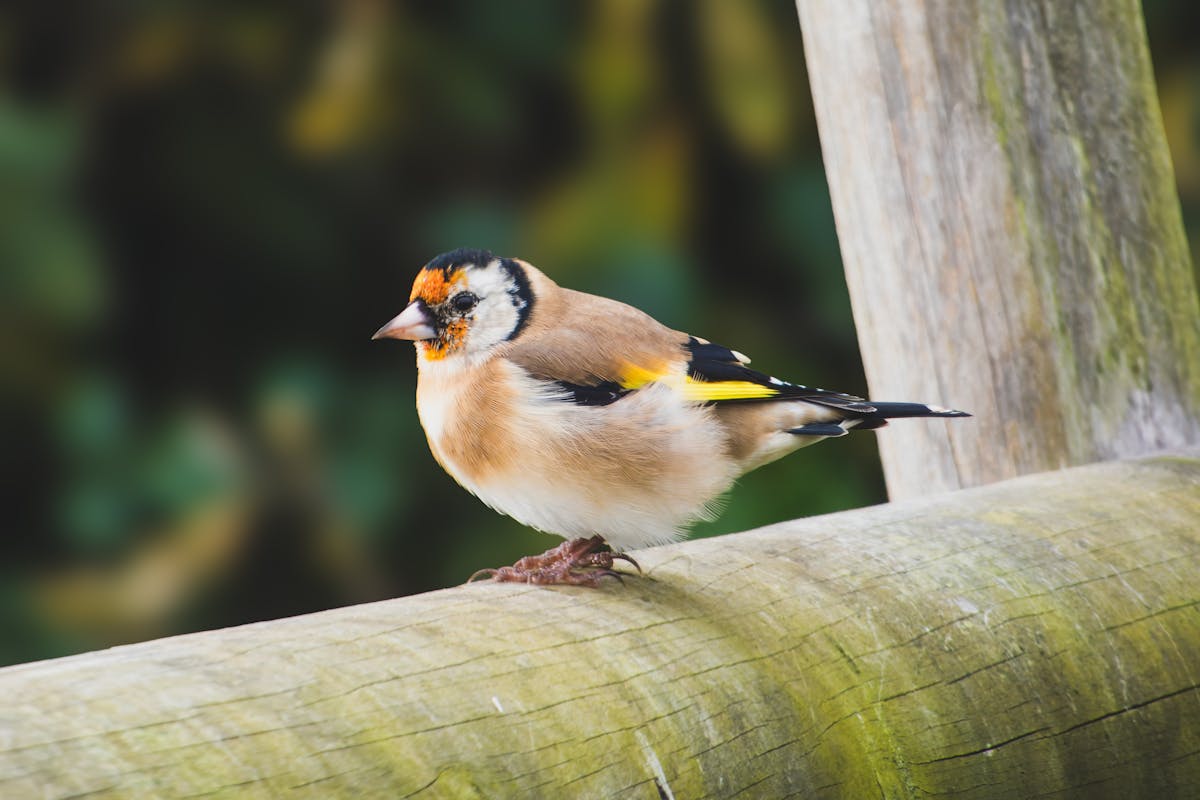
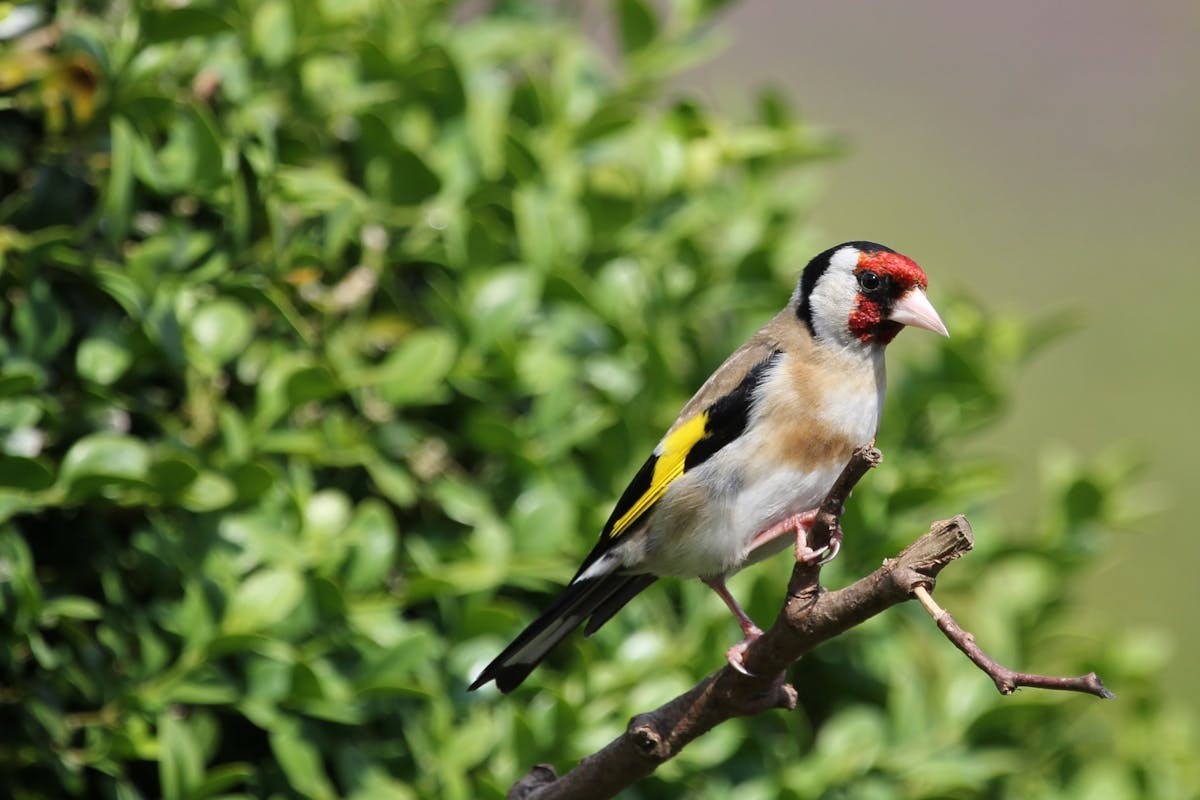
The European Goldfinch has a red face and yellow and black wings.
-
It feeds on:
-
Thistle seeds
-
Dandelion seeds
-
Seeds of other plants
-
-
These birds are small and brightly colored, bringing joy to those who see them.
-
They have pleasant songs that can sound like cheerful melodies.
-
They lay their eggs in trees or bushes.
-
You can mostly find them in gardens, parks, and open spaces during winter.
Habitat of the European Goldfinch
Habitat Type
-
Gardens: Found in gardens with flowering plants.
-
Parks: Lives in parks with open spaces and trees.
-
Open Fields: Prefers fields with plenty of seeds.
-
Meadows: Common in meadows with thistles and dandelions.
-
Farming Areas: Near farms where food is grown.
-
Moderate Climates: Thrives in temperate climates, even in winter.
Migration Range of the European Goldfinch
During winter, European Goldfinches migrate to warmer areas, including:
-
Southern Europe
-
North Africa
-
Parts of Asia
These birds gather for food and warmth. Some stay where winters are mild, returning home in spring.
What do European Goldfinches Eat?
European Goldfinches enjoy a diet that includes:
-
Thistle seeds
-
Dandelion seeds
-
Small insects like grasshoppers
They have a sharp beak for picking seeds and often forage in gardens and fields.
Male vs. Female European Goldfinches
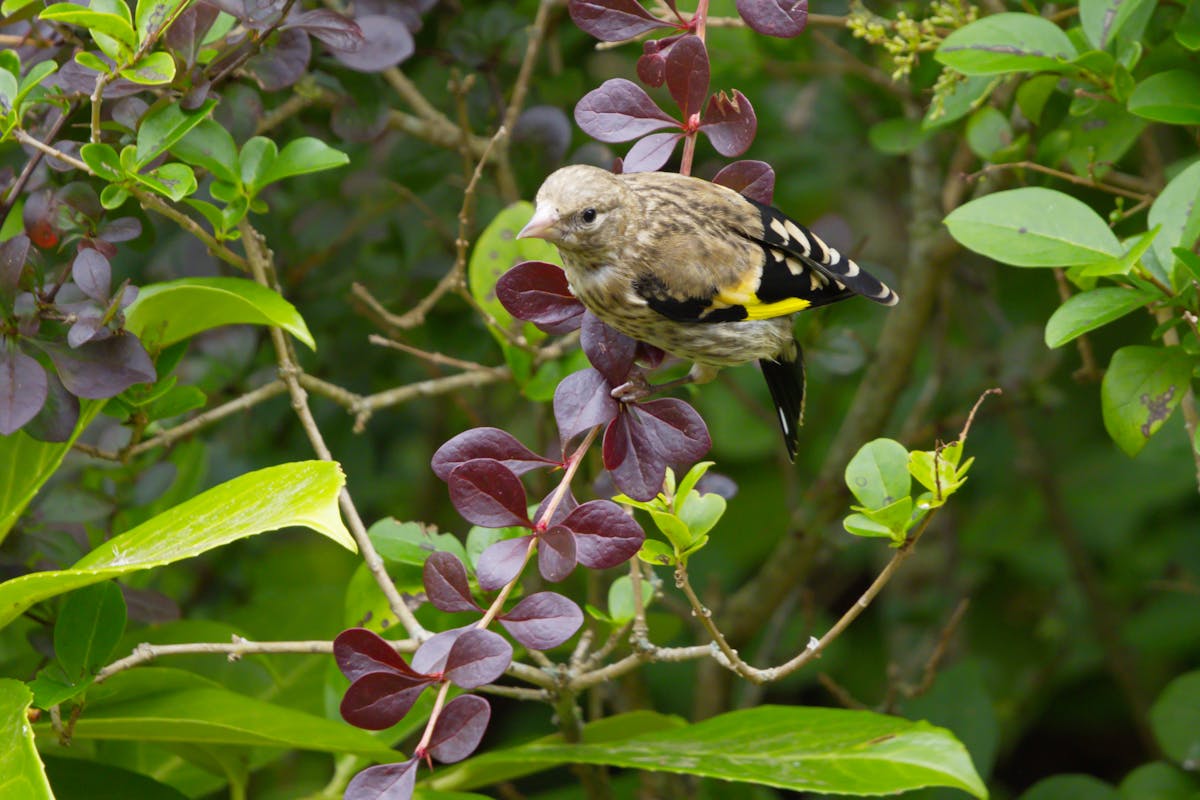
European Goldfinch Male vs Female
Male European Goldfinches
-
Brightly colored with:
-
Red face
-
Yellow wings
-
Black and white feathers
-
-
Sing more than females and help build nests and protect young.
Female European Goldfinches
-
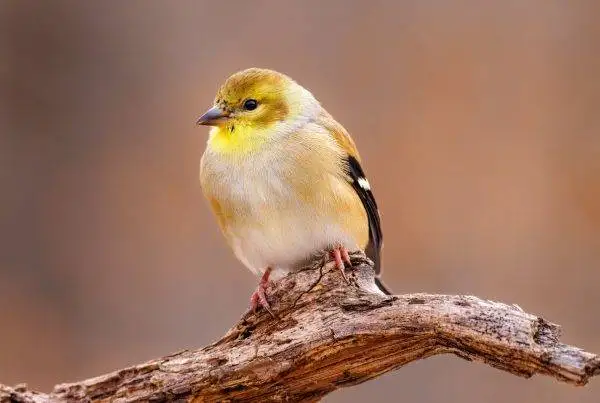
Duller in color with less bright plumage.
-
Build nests and sit on the eggs.
-
Help feed the young until they can find food.
European Goldfinch Nesting and Mating
-
Nests are built by females, using twigs, grass, and feathers.
-
They lay 4 to 6 eggs that are small and white.
-
Both parents incubate the eggs and protect them.
-
Chicks hatch in about two weeks and need constant care.
Breeding Season of European Goldfinches
-
Breeding occurs in spring, typically from late March to early April.
-
They can raise one or two broods each season.
-
Young must learn to fly and find food before summer ends.
European Goldfinches vs. American Goldfinches
Feature
-
European Goldfinch
-
Face Color: Bright red face
-
Wing Color: Black and white stripes on yellow wings
-
Habitat: Europe, some parts of Asia
-
Diet: Thistle seeds, small insects
-
Mating Behavior: Uses song and dance to attract females
-
Nesting: Nests in trees or bushes
-
Migration: Winters in North Africa
-
Lifespan: Up to 8 years
-
-
-
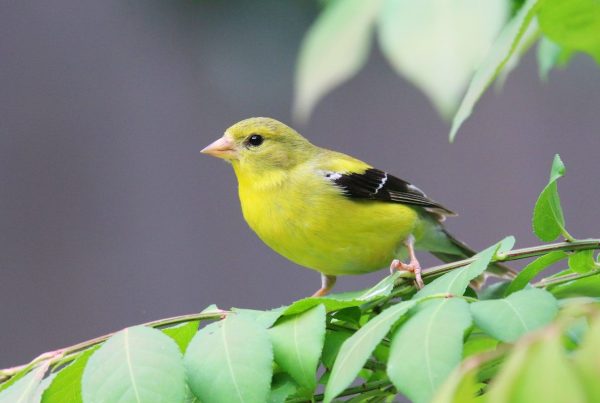
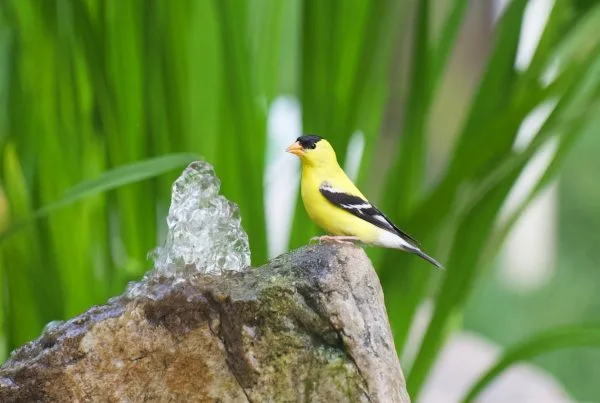
Face Color: Bright yellow face
-
Wing Color: Black wings with white markings
-
Habitat: North America (from Canada to Mexico)
-
Diet: Sunflower seeds, small garden bugs
-
Mating Behavior: Males sing and show off colors
-
Nesting: Nests in trees, shrubs, or ground cover
-
Migration: Winters in southern USA and Mexico
-
Lifespan: Up to 6 years
-
Conclusion
The European Goldfinch is a charming bird that brightens gardens and parks. Its vibrant colors and sweet songs make it a delightful addition to any outdoor space. To attract them, offer sunflower hearts or nyjer seeds in your feeders. Enjoy watching these beautiful birds in your backyard!

MD Imdadul Haque is the founder of BirdzFly, a research-backed resource on North American backyard birds. Drawing on years of independent study into bird identification, behavior, and migration patterns, he writes in-depth guides designed to help US birders understand the species in their own backyards — from common feeder visitors to seasonal migrants passing through.