
Scary Bird Myths and Legends
Spooky Season and the Mythology of Birds
It is that time of year again—Spooky Season is upon us! As we get ready to hunker down by the fire for some ghost stories, let’s explore the mythological world of bird lore. We love big birds and have been fascinated by them for centuries. Let’s dive into the strange tales that weave birds into the fabric of Halloween.
The Role of Crows in Halloween Folklore
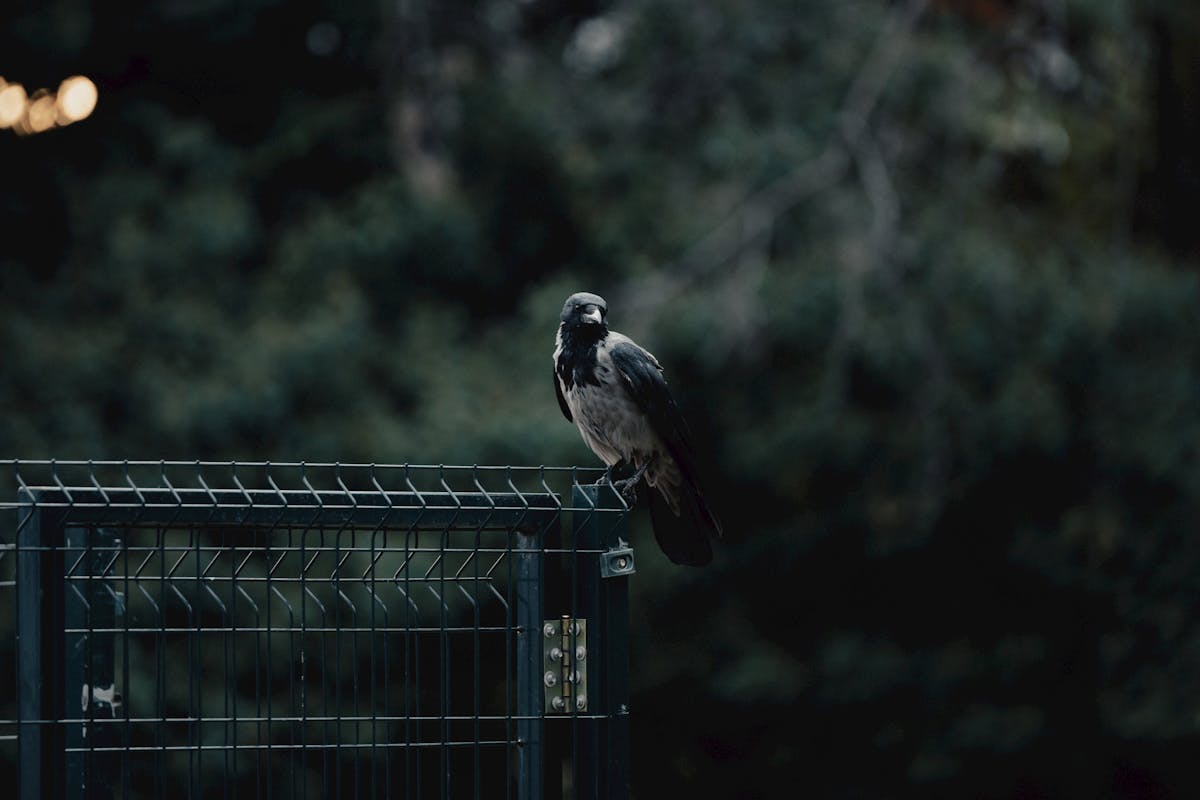
Crows play a major role in Halloween folklore. They have fascinated and terrified people throughout history.
-
In Norse mythology, crows served as the eyes and ears of Odin. They represented wisdom and insight.
-
In other cultures, crows appeared as harbingers of death and darkness.
Crows in Norse Mythology
Crows were Odin’s loyal scouts. They gathered information about human behavior, conflicts, and activities. This is why Odin is known as the god of wisdom—he is willing to do whatever it takes to increase his knowledge. This association has led to crows being linked with:
-
Knowledge
-
Insight
-
Wisdom
The Legend of the Tower of London
Crows also hold a unique place in British culture, especially for the British royal family.
-
A group of crows at the Tower of London is protected by royal guards.
-
Legend says that if these crows leave or die, it would signal the collapse of the Kingdom of England.
Crows in Irish and Welsh Myths
In Irish myth, a crow is only truly dead when it settles on a dead human being.
-
In Welsh superstition, a crow flying over a house is an omen that someone in the household will die.
Owls: Harbingers of Bad Luck
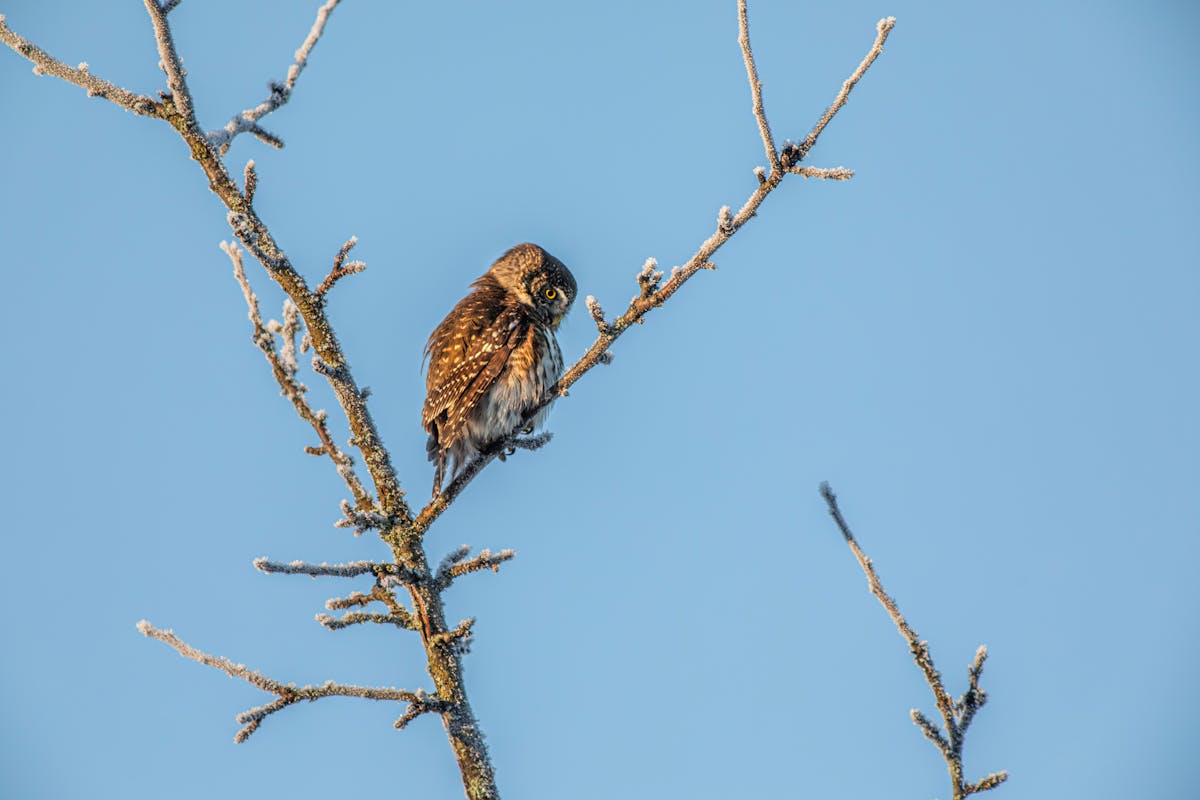
Owls are often associated with witches. Their stories trace back to Greek and Roman mythology.
-
The sight and call of an owl are considered ominous.
-
In ancient times, the sound of an owl’s hoot was a portent of imminent death.
Owls in German and Greek Beliefs
In Germany, it is said that if a newborn hears an owl hoot at birth, they are destined for misfortune. The Greeks viewed owls as shape-shifting witches that could drain a child’s blood.
Legends Halloween Special
The Dracula Parrot
The Dracula parrot, also known as the Palm Cockatoo or Goliath Cockatoo, is a colorful bird with a unique appearance.
-
It has a broken black body and an ivory white beak.
-
Its bright butt and fluffy crown of feathers earned it the nickname “Dracula parrot.”
Although its name conjures images of vampires, this parrot mainly feeds on:
-
Figs
-
Flowers
-
Occasionally nectar
The Gu Huo Bird
In Guo Pu’s Xuanzhongji, the Gu Huo Bird flies at night. It can transform from a bird to a woman.
-
This bird does not raise its own chicks but instead adopts the chicks of others.
Folklore Surrounding the Gu Huo Bird
There is a belief that if a young child’s clothing is left outside to dry at night, the Gu Huo Bird will leave a bloodstain, taking the child away. This is why people avoid hanging toddlers’ clothing out before bed.
The Ghost Bird
The Ghost Bird is said to collect people’s clipped nails to learn about their past.
-
If it senses a great disaster approaching, it will perch on a man’s roof and chirp.
Seagulls in Irish Folktales
In Ireland, seagulls are believed to be the spirits of drowned men. Sailors treat these birds with respect.
-
It is important to honor the seagull spirits while fishing.
-
Some rituals involve tying a bird to a deceased person’s body to help guide their soul to the underworld.
Conclusion
As the crisp winds of Spooky Season rustle the leaves, let’s celebrate the myth and lore of birds. They have been sources of fear and fascination throughout history.
If you share our obsession with these feathered creatures, consider adding a touch of their world to yours. Check out Birdfy’s wide range of bird feeders designed for your backyard.
Happy Halloween and happy bird-watching!

MD Imdadul Haque is the founder of BirdzFly, a research-backed resource on North American backyard birds. Drawing on years of independent study into bird identification, behavior, and migration patterns, he writes in-depth guides designed to help US birders understand the species in their own backyards — from common feeder visitors to seasonal migrants passing through.