
how to get birds to come to your bird feeder
How to attract birds to a new bird feeder
Fall can be such a great time to put up new bird feeders in your yard.
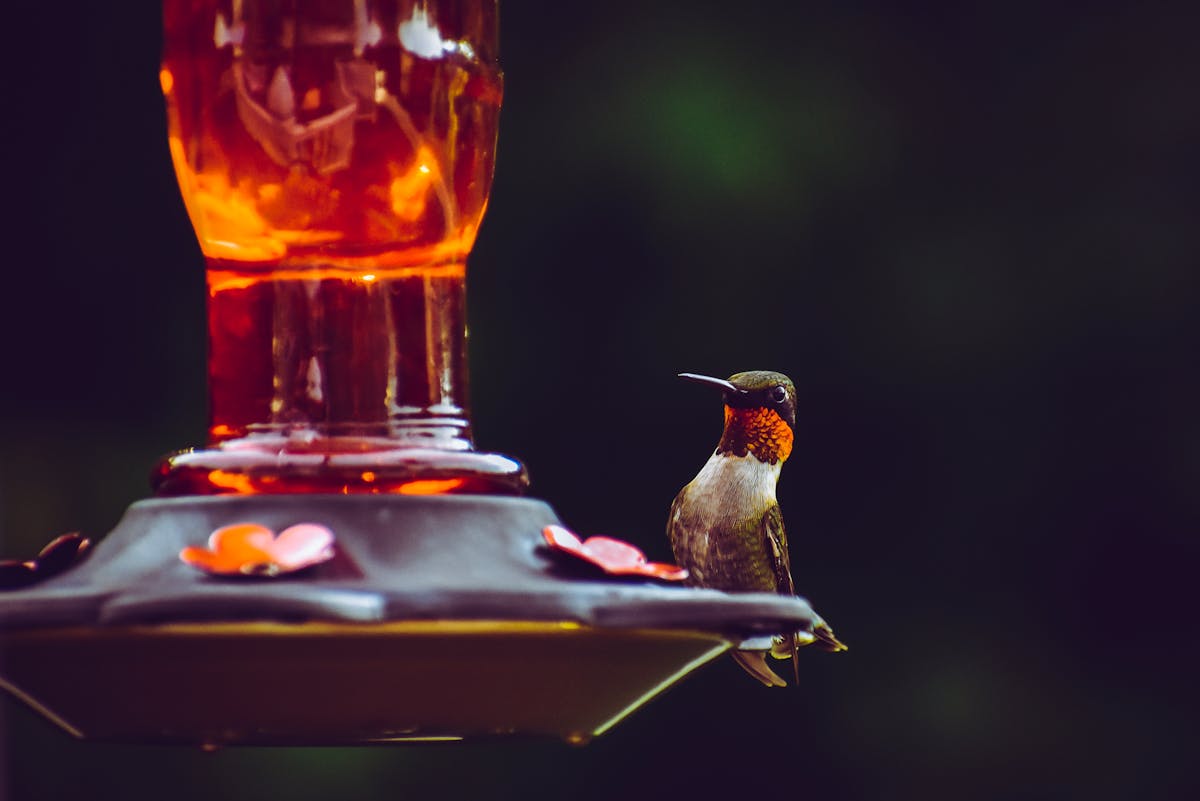
For new and veteran birder alike, the migration offers a wonderful opportunity to quickly condition multitudes of bird species to come to your feeders. If you’re looking to add a new feeder to the mix or simply attract birds to your yard in the first place, this is your chance!
The latter, I just had to manage.
My wife and I recently moved to a new home that has a big backyard. I was also happy to have more room,” he said, though “I was kind of bummed that I was leaving the birding environment that I had built at the old house.”
That being said, I took a few lessons about bird attracting in that experience. And before long, our new garden was full of birds pecking and pecking.
Here’s some helpful advice to get you started attracting birds to your new feeder:
Look around
What’s likely to happen is that the birds visiting your feeder are the ones that are already in your neighborhood. So find out what species your area already houses.
There are a number of manufacturers of bird seed for birds that have different feeding habits. Getting a sense of what you’re working with allows you to make better decisions about what kind of food you’re putting out.
Another thing to notice is where the birds tend to congregate in your yard. Once you’ve seen this, it’s time to bring out your biologist hat. What types of birds are there? How often do they visit? How long do they stay? What are they doing?
These are the questions you’re going to want to be able to answer to be of help when it comes time to decide on the best feeder and location for it (we’ll get to that in a bit).
Wild, unimproved areas of your yard, or other hotspots where conditions are similar in other locations, are also notable destinations for bird feeders.
So before you rush into any of that, sit back and chill out, and watch the bird action happening in and around your yard the way it’s meant to happen. That will help you succeed in whatever you do in life after this.
Not seeing much? Consider taking a look at other times of day and different kinds of weather. If things don’t begin looking up for you, it may well be the long haul in this position. But don’t give up. It might be that in fact there is a need for feeders in your area, and the birds simply haven’t yet foraged out the message that you’ve got a menu item of what they’re after.
Proper placement
I’ve written about this point before, but it bears repeating.
Where you position your bird feeder makes a difference. Birds are birds out to get safe, and if they do not feel that way at your house or have to go huffing and puffing and out of their way to come to your yard, maybe they will not.
Make your feeder visible, unshielded by windows or anything likely to contain a lurking cat, and if possible, near a bit of natural cover — brush, trees, something.
Spread the love
Birds are sight-feeders. So the more that they have a visual confirmation of food, the faster they’re going to come check it out.”
Feel free to sprinkle some right on your feeder and some on the ground below to attract birds in the immediate area, don’t worry, they don’t mind that either.
Don’t overdo it, though. If there is seed already on the ground, that can attract rodents, which will in turn lure cats and birds of prey, which could very well consider your feeder a buffet.
Consider other needs
Just as for us humans, birds (or any other creatures for that matter) MUST have food to live, there are other necessities of life.
If your feathered friends aren’t hungry, also try keeping a bird bath in your yard. Drinking and bathing These may simply be part of a birds diet but may not be a feeding response.
Another method would be to give the birds shelter, such as houses or cover plants. If your yard is especially bare, whatever birds take refuge there will stand out. Give it the bird house or a couple of new shrubs, and see if it will work.
If your new feeder isn’t performing as you’d hoped, remember that you can always try to meet some of its other needs — a place to live, a drink — before attempting to upsell those birds on the food.
Try different types of feeders
There are a few birds they just couldn’t give a hoot about the traditional tubular feeder.
This may be because of the size of the perches, the type of food it’s holding, the traffic at the feeder or a difference in their favorite feeding approach.
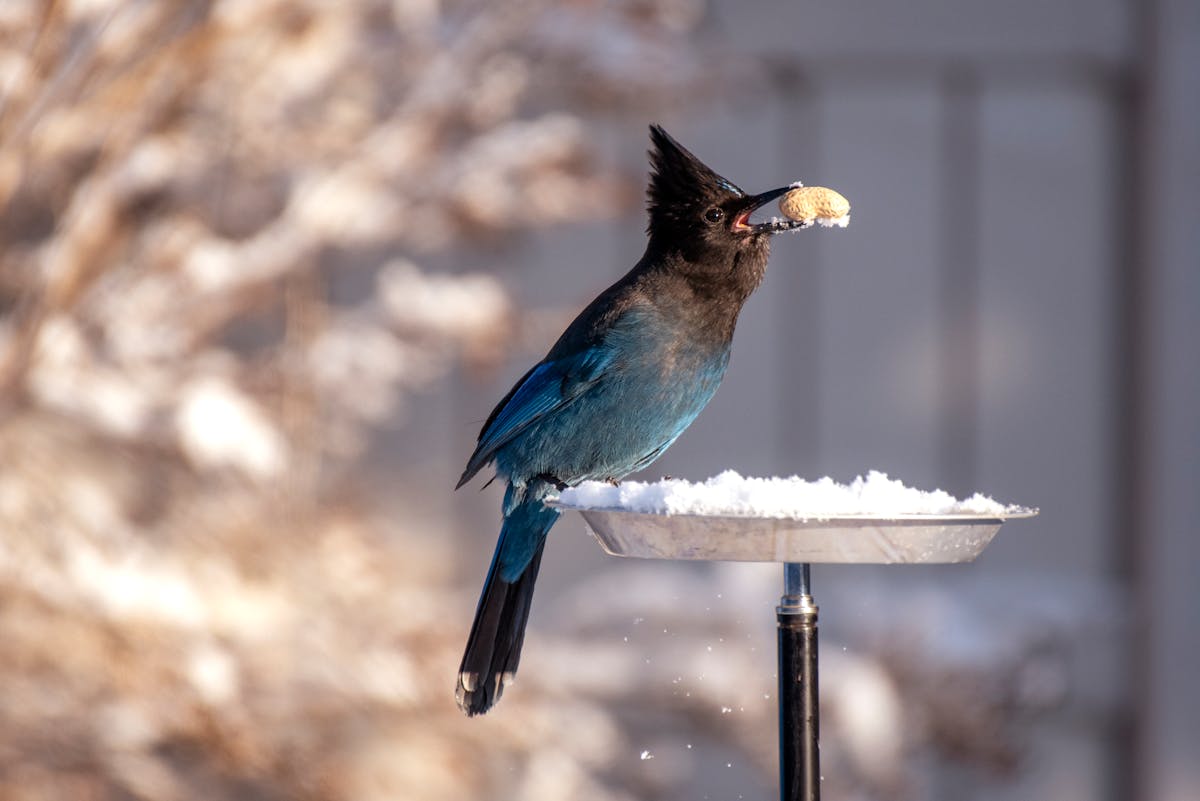
Birds such as doves and dark-eyed juncos may prefer to forage for food on the ground. In that scenario, you should use a platform feeder which offer them the space and position in which they feel most comfortable feeding.
Like kindred woodpeckers, other birds enjoy clinging to feeders as they poke around for grubs. Suet feeders are great for this purpose.
how to get birds to come to your bird feeder
Be patient
This is probably the most difficult thing!
Whatever tricks you decide to try, attracting birds to new feeders can be slow going no matter what.
It was nearly two weeks at our new place before we began to see regular visitors to our feeder, although birds were in our yard or in sight of it almost every day.
Be patient and regular, and keep the food fresh and the feeder clean.
Most probably it will benefit for you.

MD Imdadul Haque is the founder of BirdzFly, a research-backed resource on North American backyard birds. Drawing on years of independent study into bird identification, behavior, and migration patterns, he writes in-depth guides designed to help US birders understand the species in their own backyards — from common feeder visitors to seasonal migrants passing through.