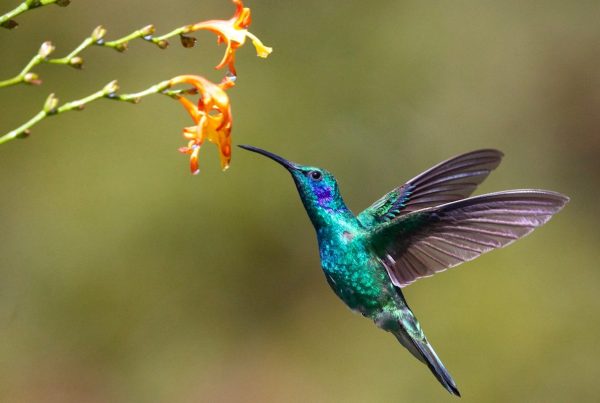


About Hummingbird Migration
The Amazing North American Hummingbird Migration Learn about their travel patterns, the obstacles they encounter, and how they engage with ecosystems and people. Find out what you can do to help bring these migratory birds to your backyard and preserve their habitat of your backyard.
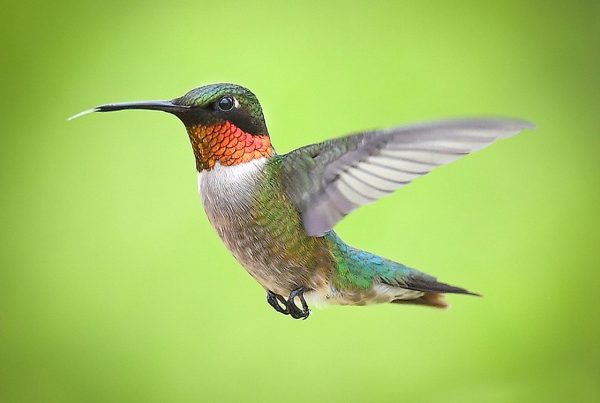
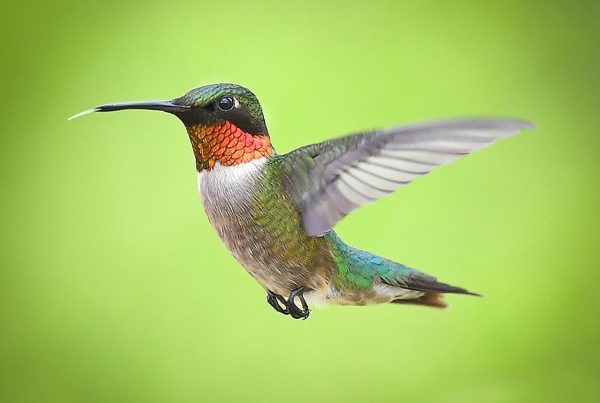
Spring is a time of wonder, as millions of hummingbirds set out on their migratory paths northward across North America, excitingly flapping their tiny wings. The Ruby-throated hummingbirds steal the show — they embark on their journey north starting each early March as soon as the warmth calls them.
Do all Humming Birds Migrate? Not really. If there is one astounding thing that some species of hummingbirds do, it would be to migrate, moving to and from their breeding and wintering habitats. However, not all hummingbirds that migrate will do that — many take long journeys to take advantage of seasonal changes in food availability and climate.
HummingBird
A number of species of hummingbirds have the remarkable behavior of migrating between breeding and wintering grounds. Although not all hummingbird species migrate, many make long flights to take advantage of seasonal shifts in climate and food availability.
Hummingbird migration timing and distance varies by species. Like the Ruby-throated hummingbird, which migrates from the eastern United States and Canada to wintering grounds located in Central America. Some species, such as Rufous hummingbirds, migrate longer distances, breeding in North America and migrating south to Mexico and Central America.
Hummingbird Migration Map
Despite their small size, hummingbirds are known for their amazing endurance. The Rufous hummingbird, for example, travels an impressive 3,000 miles on its migration. Instead, it demonstrates the ability of these birds to spread to different habitats at different locations along the way.
Hummingbird mapping is a marvel of nature They use a combination of natural cues, including the position of the sun and Earth’s magnetic fields and even visual landmarks, to navigate their way around. That inherent navigational skill helps them get back to the same feeding grounds year after year.
One of the most common myths surrounding hummingbird migration is that they “hitch a ride” on other birds’ backs, such as geese. While this myth has become mainstream, in reality it still has no substance. For starters, hummingbirds can find their way alone along their long migratory paths, thanks to their extraordinary navigation abilities and tolerance.
Hummingbirds
It is with great difficulty that hummingbirds travel this migratory path. They contend with predators and fierce weather, as well as fighting fatigue. These challenges challenge their resilience and adaptability, essential characteristics for their endurance throughout these extensive migrations. Recent research showed that climate change was affecting the migration patterns of hummingbirds. Temperature fluctuations and changes in weather conditions are correlated with the availability of food sources which impacts their breeding and feeding behavior.
Hummingbirds
My Aralia is for the hummingbirdsFor the bird watcher, one of the greatest anticipation is for the arrival of hummingbirds at the migration season. Migratory species such as the Ruby-throated hummingbird make seasonal sojourns, attracting them requires setting out nectar bird feeders, gardening with native flowering plants and providing a fresh water source in your backyard. In addition to feeding the migratory hummingbirds, these activities also create delightful bird-watching!

Know About Hummingbird Migration
Birdzfly Hum Feeder
Hummingbirds are key pollinators for many plants during the migration. Their interactions with the flora they visit are vital to the health of ecosystems. As they transfer pollen, they also promote the diversity and health of these ecosystems based on biodiversity.
During their migratory journeys, hummingbirds also serve as indicators of environmental change. Their complex navigation and movement patterns, which are adapted to seasonal fluctuations, make them prone to changes in climate and habitat availability. Tracking when and where hummingbirds migrate, too, can give insight into wider changes in the environment that act as a canary in the coalmine for researchers studying how climate change and habitat loss are affecting the planet.

MD Imdadul Haque is the founder of BirdzFly, a research-backed resource on North American backyard birds. Drawing on years of independent study into bird identification, behavior, and migration patterns, he writes in-depth guides designed to help US birders understand the species in their own backyards — from common feeder visitors to seasonal migrants passing through.