
Hummingbirds Leave
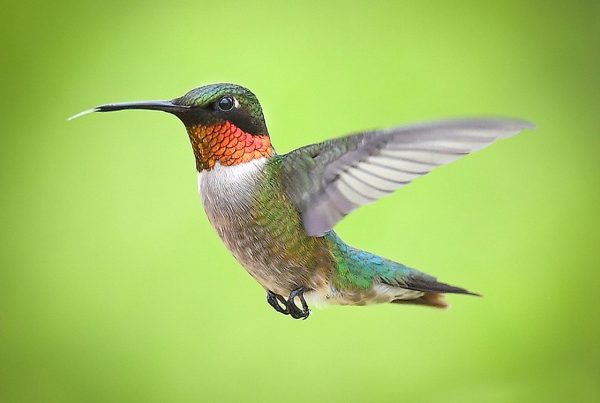
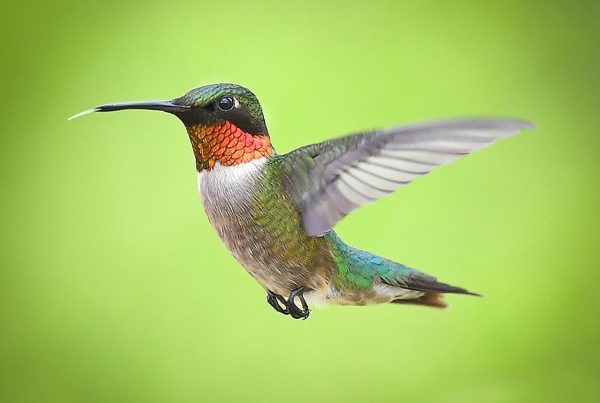
Adult male hummingbirds start leaving in July. Most people don’t notice because they’re still seeing females and young birds at feeders — but the males are already gone, heading south weeks before the rest of the population.
By the time most people realize “the hummingbirds are leaving,” the adults have already been gone for a month. What they’re seeing at feeders in late August and September are mostly first-year birds making their first migration south.
What Triggers Hummingbirds to Leave
The same thing that triggers spring migration in reverse: day length. As days shorten after the summer solstice, hormonal changes begin that initiate migratory behavior. This happens regardless of temperature or food availability — which is why keeping feeders up in fall does not prevent hummingbirds from leaving. They leave because their biology tells them to, not because food ran out.
This also means warm falls don’t delay departure. A hummingbird that should leave in late September will leave in late September whether it’s 85°F or 55°F.
When Do Hummingbirds Leave by Region
| Region | Adult Males Leave | Females and Juveniles Leave | Last Birds Gone |
|---|---|---|---|
| Canada and northern US | Late July–early August | Mid–late August | Early September |
| Northeast (NY, PA, NE, MA) | Early August | Late August–early September | Mid September |
| Midwest (OH, IN, IL, MO) | Early–mid August | Late August–mid September | Late September |
| Mid-Atlantic (VA, NC, TN) | Mid August | Early–mid September | Late September–early October |
| Southeast (GA, SC, AL) | Mid–late August | Mid September | October |
| Gulf Coast (TX, LA, FL) | Late August | Late September–October | November |
These are the Ruby-throated Hummingbird departure windows — the species that covers the eastern US. Western species have slightly different timing.
Western Species Departure Timing
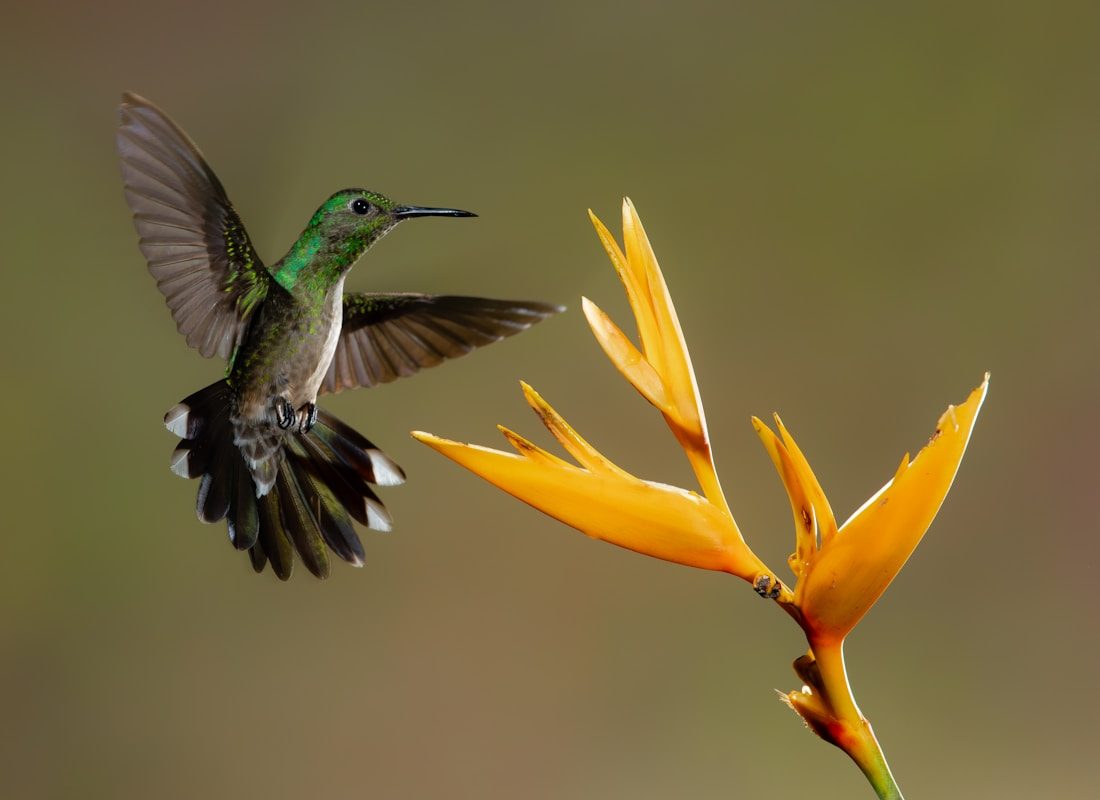
Rufous Hummingbird — The earliest departee. Adults from Alaska and the Pacific Northwest begin moving south in late June and July, passing through the Rocky Mountains in July and August. This is why Rufous Hummingbirds show up at mountain feeders in Colorado and Montana in summer — they’re already on their fall migration.
Black-chinned Hummingbird — Departs the Southwest from August through September.
Broad-tailed Hummingbird — Adults leave Rocky Mountain breeding areas from late July. Most gone by September.
Anna’s Hummingbird — Does not migrate. Year-round resident on the Pacific Coast. Feeders should stay up year-round if you have Anna’s Hummingbirds.
Calliope Hummingbird — One of the earliest fall migrants. Adults begin leaving breeding areas in late July. Most gone from the US by late August.
The Three Waves of Fall Departure
Fall hummingbird departure is not a single event — it happens in three distinct waves that span several months:
Wave 1 — Adult males (July–early August)
Males finish breeding and leave first. Their role is complete once mating occurs — they don’t help raise young, so there’s nothing keeping them on the breeding grounds. By early August, most adult males have already left the northern US.
Wave 2 — Adult females (August)
Females finish raising their last brood and depart. This wave overlaps with the last juveniles fledging from second and third broods.
Wave 3 — Juvenile birds (August–September)
First-year birds making their first migration. They navigate south using an inherited directional sense — no learned route, no experienced guide. Many of these birds were hatched only 6–8 weeks before their first migration.
By the time the third wave passes through, the season is effectively over for the year.
Late Hummingbirds: What They Mean
If you see a hummingbird in October or later in the eastern US, it is almost certainly a western stray — most likely a Rufous Hummingbird that went east instead of south. These birds turn up every winter at feeders across the Southeast, and many return to the same location year after year.
If you see one in November or December, report it to your local Audubon chapter. Banders actively seek out these birds, and the sighting contributes to research on this unusual phenomenon.
Keep your feeder up if you have a late bird. It is not keeping the bird from migrating — the bird has already made its migration decision. What the feeder does is give it fuel to survive the winter or continue moving.
How Long Does the Fall Migration Take?
Hummingbirds Leave
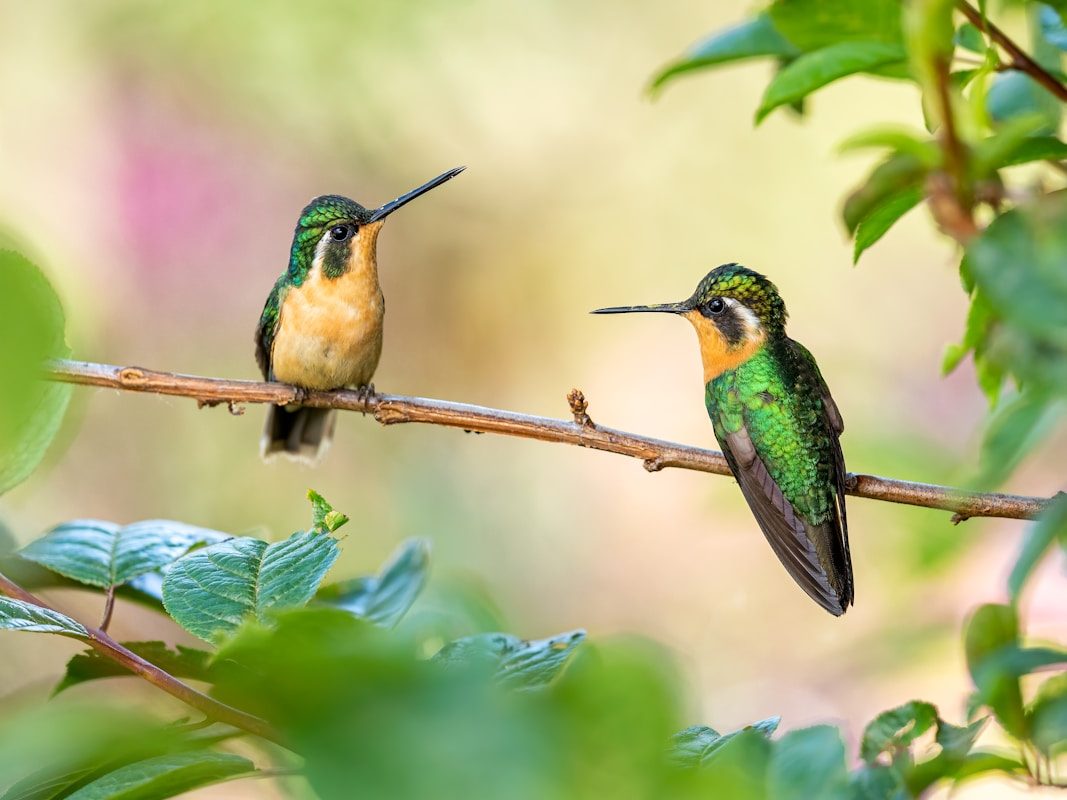
The Ruby-throated Hummingbird’s fall migration to Mexico and Central America takes roughly 2–4 weeks of active travel, though the entire process from when the first birds leave Canada to when the last birds leave the Gulf Coast spans about 4 months (July through November).
Individual birds move quickly when conditions are favorable. A Ruby-throat crossing the Gulf of Mexico in fall makes the 500-mile crossing nonstop in 18–24 hours, then continues south through Mexico to winter grounds in the Yucatan, Guatemala, Honduras, and Panama.
What to Do With Your Feeders in Fall
Leave them up. The standard advice is to keep feeders out for at least two weeks after you see the last hummingbird of the season. Late migrants and stragglers pass through after the main departure wave, and they need fuel.
Taking feeders down early is one of the most common mistakes hummingbird watchers make. A feeder that’s taken down on September 15th might have fed five late migrants that would have arrived on September 20th. Those birds don’t have another option nearby.
When to take feeders down by region:
- Canada and northern US: October 1st is safe
- Northeast and Midwest: October 15th
- Mid-Atlantic and Southeast: November 1st
- Gulf Coast: December — or keep one up all winter for wintering Rufous Hummingbirds
FAQ: When Do Hummingbirds Leave?
When do hummingbirds leave for the winter?
Adult males begin leaving in July. Females and juveniles follow in August and September. The exact timing varies by region — Gulf Coast birds linger into October and November while northern birds are gone by early September.
Do hummingbirds leave all at once?
No. Departure happens in three waves over several months: adult males first (July), adult females second (August), juvenile birds last (August–September).
Why did my hummingbirds leave so early?
Adult males always leave early — typically July in the northern US. What looks like a sudden departure is often the transition from adult males to females and juveniles, who are less conspicuous at feeders.
Will keeping my feeder up stop hummingbirds from migrating?
No. Migration is triggered by day length, not food availability. Keeping feeders up helps late migrants but does not prevent departure.
For the full spring-to-fall migration picture, see our guides on when hummingbirds migrate by state, how hummingbird migration works, where hummingbirds go in winter, hummingbird fall migration 2026, and when to take your feeders down.

MD Imdadul Haque is the founder of BirdzFly, a research-backed resource on North American backyard birds. Drawing on years of independent study into bird identification, behavior, and migration patterns, he writes in-depth guides designed to help US birders understand the species in their own backyards — from common feeder visitors to seasonal migrants passing through.