
Hummingbirds Go in the Winter
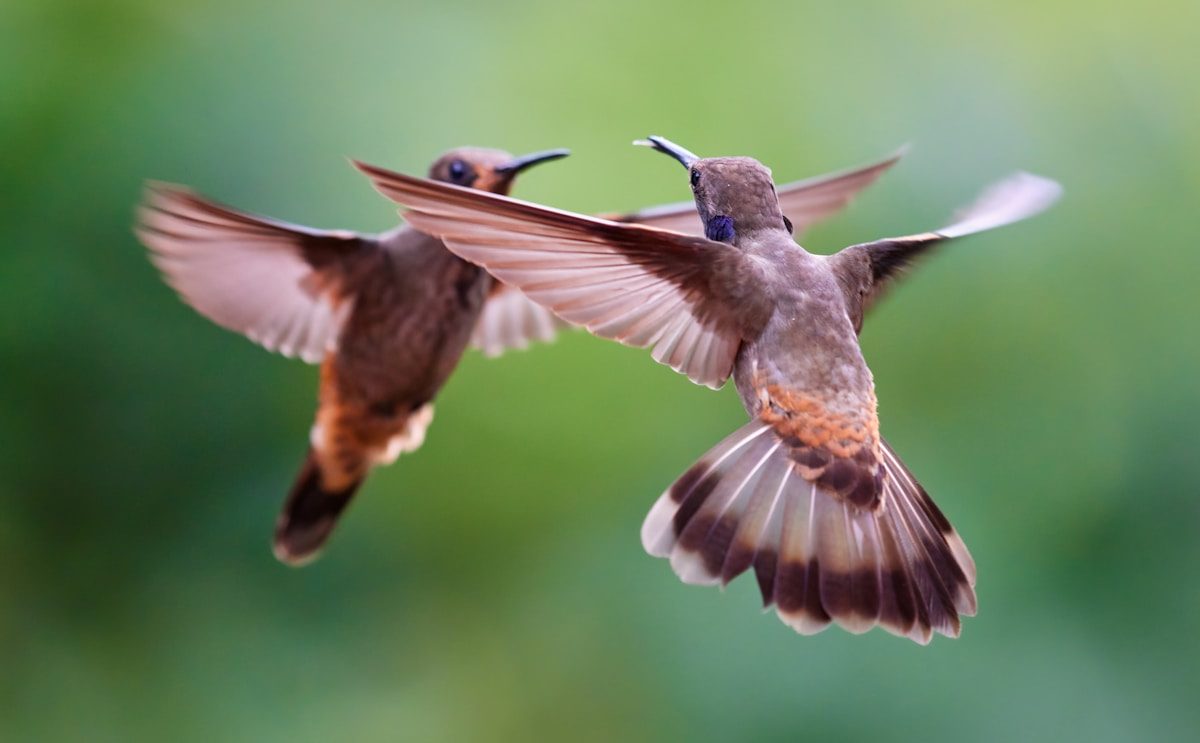
Most North American hummingbirds spend winter in Mexico and Central America. A few stay year-round on the Pacific Coast. And a small number — mainly Rufous Hummingbirds — turn up at feeders in the southeastern US each winter rather than heading to their typical wintering grounds. The answer depends entirely on which species you’re asking about.
Ruby-Throated Hummingbird
The species most people in the eastern US know best winters primarily in Mexico and Central America — Yucatan Peninsula south through Guatemala, Belize, Honduras, and into Panama. Some birds winter in southern Florida and along the Gulf Coast, but most cross the Gulf of Mexico or travel overland through Texas.
The Gulf crossing is one of the more remarkable things any small bird does. A Ruby-throat weighing 3 grams flies up to 500 miles of open water nonstop — typically 18–22 hours depending on wind conditions. Before the crossing, birds spend days feeding intensively along the Gulf Coast, nearly doubling their body weight in fat reserves that fuel the entire flight.
They return north starting in February along the Gulf Coast, reaching the Northeast by early to mid-May.
Hummingbirds Go in the Winter
Rufous Hummingbird
Winters primarily in western Mexico, particularly in the Sierra Madre Occidental. But Rufous Hummingbirds also winter in higher numbers along the Gulf Coast states — Texas, Louisiana, and Florida — than any other hummingbird species. Backyard feeders in these states regularly host wintering Rufous from November through February. If you live in the Southeast and your feeder is active in winter, the bird you’re seeing is likely a Rufous or one of the other occasional western strays.
Anna’s Hummingbird
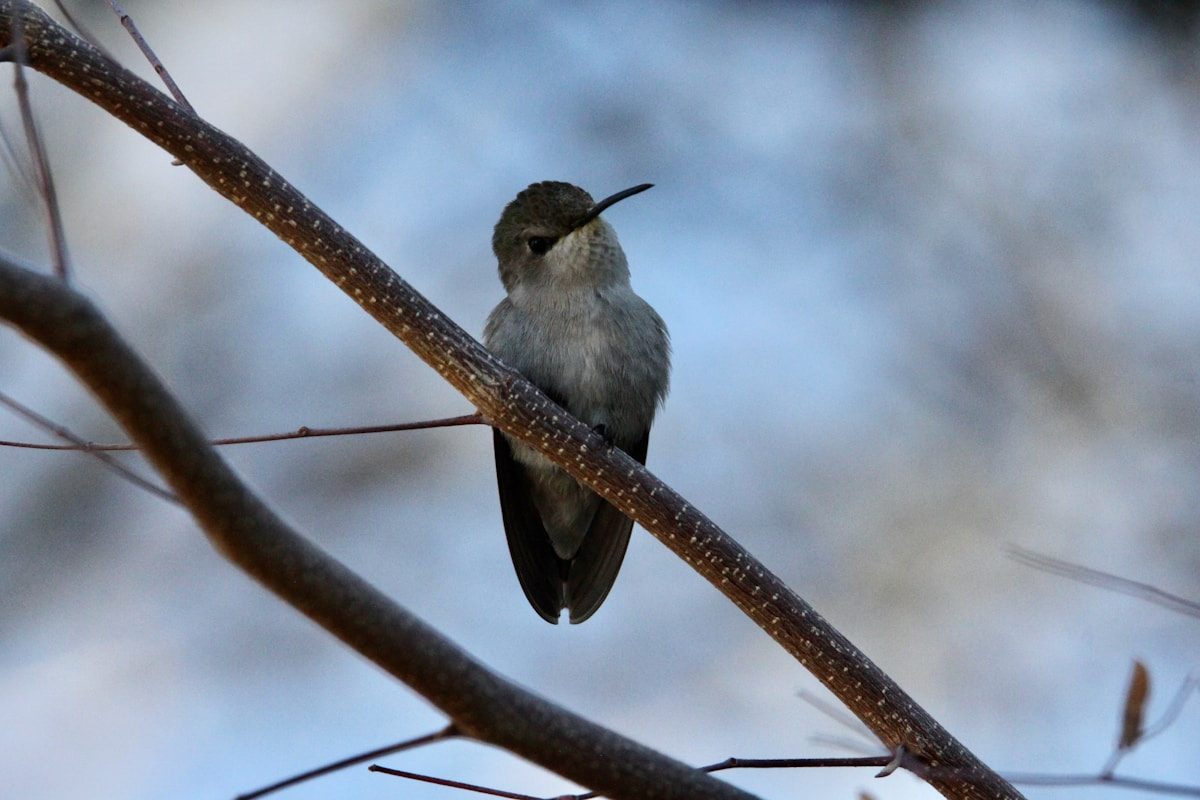
Doesn’t migrate. Year-round resident of the Pacific Coast from southern British Columbia to Baja California. Some individuals shift to slightly lower elevations in winter, but this isn’t true migration in any meaningful sense.
Anna’s survive cold Pacific winters through torpor on cold nights and by using early-blooming plants — flowering eucalyptus, winter-blooming shrubs — that other hummingbirds wouldn’t be there to use. Feeders matter for this species in winter during cold snaps, more than for most migratory species.
Other Western Species
Black-chinned and Broad-tailed Hummingbirds winter in Mexico. Calliope Hummingbirds winter in southwestern Mexico. Costa’s is a short-distance mover, wintering in the Sonoran Desert of Mexico and southern Arizona.
Winter Hummingbirds in the Southeast
Every winter, hummingbirds appear at feeders across Georgia, South Carolina, North Carolina, and occasionally further north. Most are western species that went east instead of south — primarily Rufous, with occasional Black-chinned, Calliope, or rarer species. These birds aren’t lost. Many return to the same southeastern winter location year after year. Researchers and banders track them specifically because the phenomenon is scientifically interesting.
If you see a hummingbird in the Southeast in November through February, keep your feeder up, report it to your local Audubon chapter, and consider contacting a bander. These birds get documented.
How Hummingbirds Survive Cold
On cold nights, hummingbirds enter torpor — heart rate dropping from 1,200 beats per minute to around 50, body temperature falling near ambient. A bird in torpor uses roughly 50 times less energy than one in active flight. Without this, no hummingbird could survive a cold night without constant feeding.
Waking from torpor in the morning requires warmth and food quickly. On very cold mornings, this is a genuine survival challenge for resident birds.
Should You Leave Your Feeder Up?
Southeast and Gulf Coast: yes. Keep at least one feeder active through February for wintering birds.
Northeast and upper Midwest: leave feeders up through October to support late migrants, then take them in.
Pacific Coast: year-round for Anna’s Hummingbirds. Bring the feeder inside on freezing nights to prevent the nectar from icing over, then put it back out in the morning.
FAQ
Where do Ruby-throated Hummingbirds go in winter?
Mexico and Central America, primarily from the Yucatan south through Panama. Some winter in southern Florida and along the Gulf Coast.
Do any hummingbirds stay in the US year-round?
Anna’s Hummingbird is a year-round Pacific Coast resident. Some Rufous Hummingbirds winter in Gulf Coast states. Various western strays turn up in the Southeast each winter.
How do they survive cold?
Torpor — drastically reduced metabolism overnight. Migratory species leave before winter arrives; non-migratory species use torpor to get through cold nights.
When do they come back in spring?
Gulf Coast: mid-February. Southeast: late March. Mid-Atlantic and Midwest: April. Northeast: early to mid-May. See our state-by-state migration timing guide.
For more, see our 2026 migration map and our guide on how long hummingbirds live.

MD Imdadul Haque is the founder of BirdzFly, a research-backed resource on North American backyard birds. Drawing on years of independent study into bird identification, behavior, and migration patterns, he writes in-depth guides designed to help US birders understand the species in their own backyards — from common feeder visitors to seasonal migrants passing through.