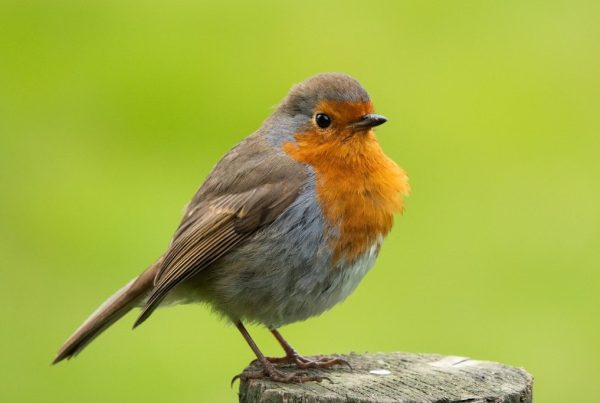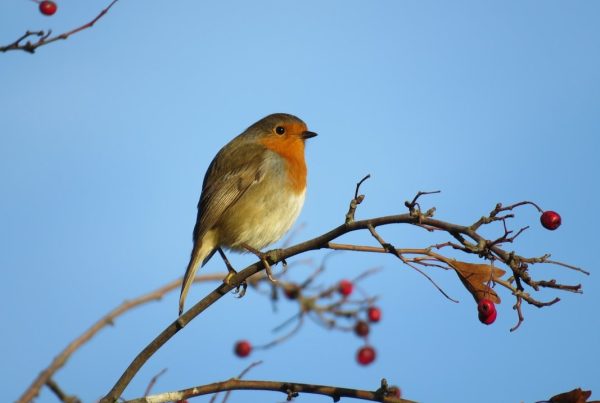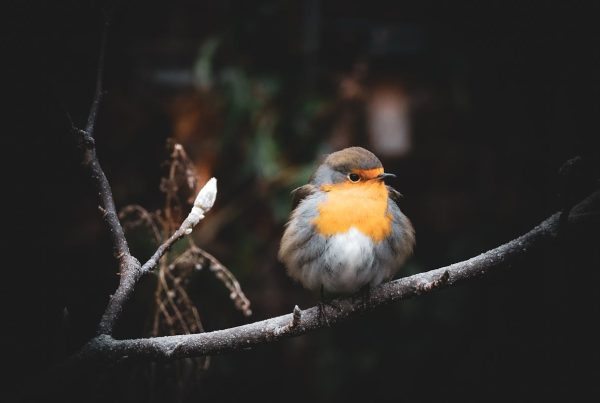

Find out what robins eat in all seasons. If you know what the robin’s favorite food is, you can easily attract them with their favorite food. Find out if you can bring them to seed and suet feeders.
Robins favorite food
American robins are commonly seen and heard singing in most backyards in North America. What do robins eat? is the major question. Robins generally prefer to eat insects. Regardless of the weather, a little observation will tell you what they eat all year round and how you can attract them.
Learn about robin nests and eggs.
Does the robin eat birdseed?
Robins are not seed-eaters, so you cannot attract robins with bird seed feeders. They eat things like insect grubs and even snails. We notice them in the backyard and around our gardens because they hunt these things from the ground. The next time you observe or see an American robin in your yard, notice how they curiously tilt their heads toward the ground or down. They do this to listen to the juicy worms. Robins use both their visual and auditory cues to find their favorite slimy snack.
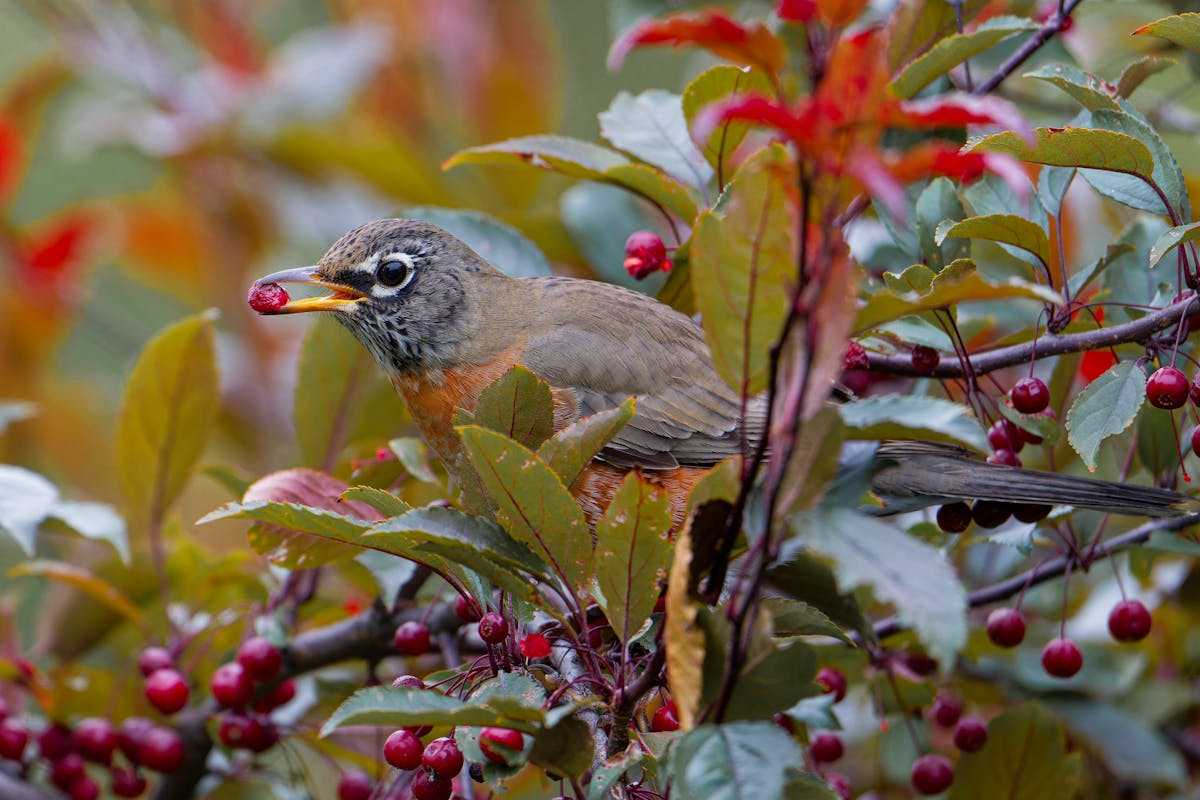
Robins eat fruit and eat what they search for in trees and shrubs, where we are not used to seeing them. When winter comes, worms and insects are not as plentiful, so during the colder months, their diet consists mostly of fruit.
How to Attract and Feed Winter Robins
As the soil thaws and insects break through the surface, the thrushes, which are members of the thrush family, become more active and visible. But you can still attract robins to your yard during the snow. In winter, robins pick berries from trees and shrubs. You can attract robins to your yard by planting trees that produce winter fruit such as: hawthorn, chokecherry, and dogwood.
Does the robin use the birdhouse?
You can also attract robins by making small piles of leaf litter around your yard. According to the National Wildlife Federation, leaf litter is a natural habitat for insects, which in turn provides backyard feeding grounds for grubs and insect-eating birds like robins.
How to Attract Robins to Feeders
Attract Robins to Feeders
“We had a flock of robins with us last winter and ate all the berries growing in our area. How do we attract them to the feeders?” asked Birds and Blooms reader Susan Petroch of Millbrook, Ontario.
“Robins aren’t usually feeder guests, but there are a few things you can try,” say bird experts Ken and Kimberly Kaufman. Robins often set up an open tray feeder near one of the berry-producing trees and stock it with raisins, apple slices, or other fruit. Good. You can also give sweets or mealworms.
Flocks of robins become nomadic in winter, but it is normal for them to travel long distances and stop when they find a natural food source. Once they’ve depleted the local berry supply, they’ll probably move on to the next berry crop rather than stick to the feeders.”
Did you know: that Robins also visits for fresh water and bathing?
You can also offer a heated bird bath in the winter to bring these birds into your yard.
Enjoy the picture of cheerful robin birds as you welcome the beauty of spring.
Do robins eat suet? What do robins eat?
What do robins eat? “Is it unusual for robins to like suits? I’ve had one go to my feeder twice a day,” asked reader William Toth of Mechanicsburg, Pennsylvania.
Ken and Kimberly say, “Although people think of robins as strict worm eaters, worms are hard to come by, especially in the winter and fall. Robins are not usually attracted to feeders, but sometimes a person will offer food kits, raisins, suet, or even grape jelly. The supplier will key in the feeder and start watching it regularly.”
What do robins eat in winter? Robin Bird Attracting Tips
Winter is tough on many birds, including robins, as the cold temperatures and lack of food make it difficult to survive. But robins are tough little birds that cope well in the colder months, and what they eat in the winter is just as crucial as any other time of year. If you live somewhere in North America where the robins winter, and would like to attract them to your yard during cold times of year knowing what they like to eat will help you provide the right foods.
What Do Robins Eat In The Winter?
In winter, robins primarily modify their diet to what is available. 6- Early on, ground is much easier to come by in the Yukon for a beak and teeth equipped with ARS (ant rocket science) than it just was during this game of freeze tag through the spring tundra moraine madhouse. Cold months calls for new food choices- our little swallows are less likely to find those good insects that hang out in really warm spots only available when everyone else goes below zero first.
- Berries:
Winter eating Robins have a taste for numerous sorts of berries, such as holly, juniper and rowan. When other foods are in short supply, these fruits offer a valuable energy boost and nutrition.
- Fruits:
Other fruits: In winter, robins will consume apples, pears and other fruits on or fallen from trees. They provide carbs and sugars which are crucial for a robin to keep its strength during the cold temperatures.
- Worms and Insects (Occasionally):
Whether you see them in the winter will depend on how common they are, but a few robins may still find worms and insects to forage when the ground isn’t completely frozen solid. On milder winter days they may be observed searching lawns or gardens.
- Seeds:
Some of the robins may eat some seeds, especially sunflower or from conifers. To attract robins, you can put out seeds in bird feeders.
Suet and Fat Balls:
Robins need fat-rich foods, such as fatty seeds, to store up energy for the winter months. Suet and fat balls remain good sources of food for robins, particularly in colder areas.
Robin Bird Attracting Tips
If you wish for the robins to visit your garden during the winter, you can lure them there by giving them a place where they will feel welcome and offering food that appeals to their taste. Here are some tips:
Offer Winter-Friendly Food:
Have them in your yard with an assortment of berries, fruits and seeds. You can plant berry bushes or put out bird feeders filled with dried fruits, suet and sunflower seeds.
Create a Shelter:
Robins like places where they can relax and stay out of the cold in the harsh winter wind. Think about establishing a plant with natural homes or hide-outs, such as bushes, hedgerows or even trees.
Provide Fresh Water:
Robins require a source of fresh water to drink and bathe in. (F) Heated birdbath A birdbath is a wonderful way to attract the delightful presence of birds in your yard, but protect it from freezing over using a heated birdbath or breaking the ice every day during winter months.
Avoid Pesticides:
Since robins need insects to forage on, you should refrain from using pesticides in your garden. These chemicals can be toxic to robins and the earthworms they eat.
FAQs about Robins in the Winter
R1: Do robins migrate in the winter?
Robins are partially migratory birds. Some robins fly south for the winter, but if there are food sources such as berries and “fruit” around freezing temperatures, some will stick around.
Q2: Is it alright to feed robins in the winter?
Yes! Backyard feeding is a great way to help robbins during the winter. Provide fruits, berries, seeds and suet to encourage them into your yard. Ensure that the food is fresh and available.
Q3: How can I keep robins warm in winter?
Robins don’t need assistance from us to stay warm: They have natural insulation in the form of feathers. But you can give them some protection! It would be shelter from wind and snow, like a dense shrub or evergreen.
Q4: Are there any other methods to attract robins to my yard?
In addition to food, robins are drawn to areas with rich natural cover! Planting shrubs that produce berries and leaving spaces in your garden free of debris can help make your yard more appealing to robins.
My Own Experience: Attracting Robins to My Yard
I chose winter to also do something a bit more proactive in attracting robins into my garden. I began with planting a few berry bushes, including holly and rowan, and setting a birdbath in my yard’s sheltered corner. I also put out suet and dried fruits, along with water, and within a week robins were coming here.
As I was brooding one frost morning, a robin alighted outside the birdbath all fluffed against the cold. It inched closer to the berries on the bushes, pecking at them as it did so – obviously enjoying the meal I had put out for it. Gradually I noticed more and more robins out there, and it made me feel great to have done something for them when food was so scarce.
Conclusion
Robins are relatively tough birds, equipped to survive even the harshest of winters, but they need access to suitable types of snacks. By offering a berry, fruit, seed or suet here and there; providing shelter in the form of an overgrown corner of your garden, tangled mass of branches or hedge; and supplying a dish of fresh water available even when temperatures are low can ensure that these delightful birds make it through to spring and you get months enjoyment from them in your very own yard. With a little effort and attention, your garden can become a winter robin roost.

MD Imdadul Haque is the founder of BirdzFly, a research-backed resource on North American backyard birds. Drawing on years of independent study into bird identification, behavior, and migration patterns, he writes in-depth guides designed to help US birders understand the species in their own backyards — from common feeder visitors to seasonal migrants passing through.