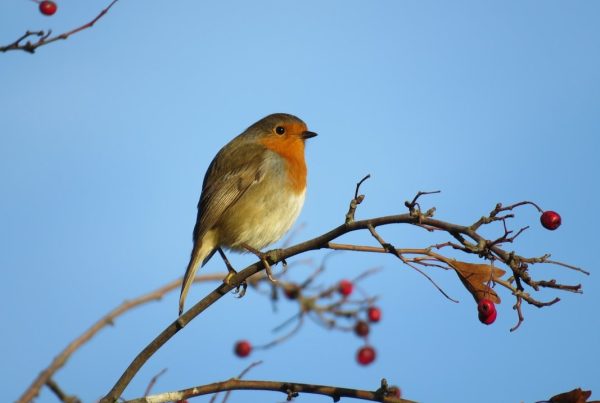

Introduction
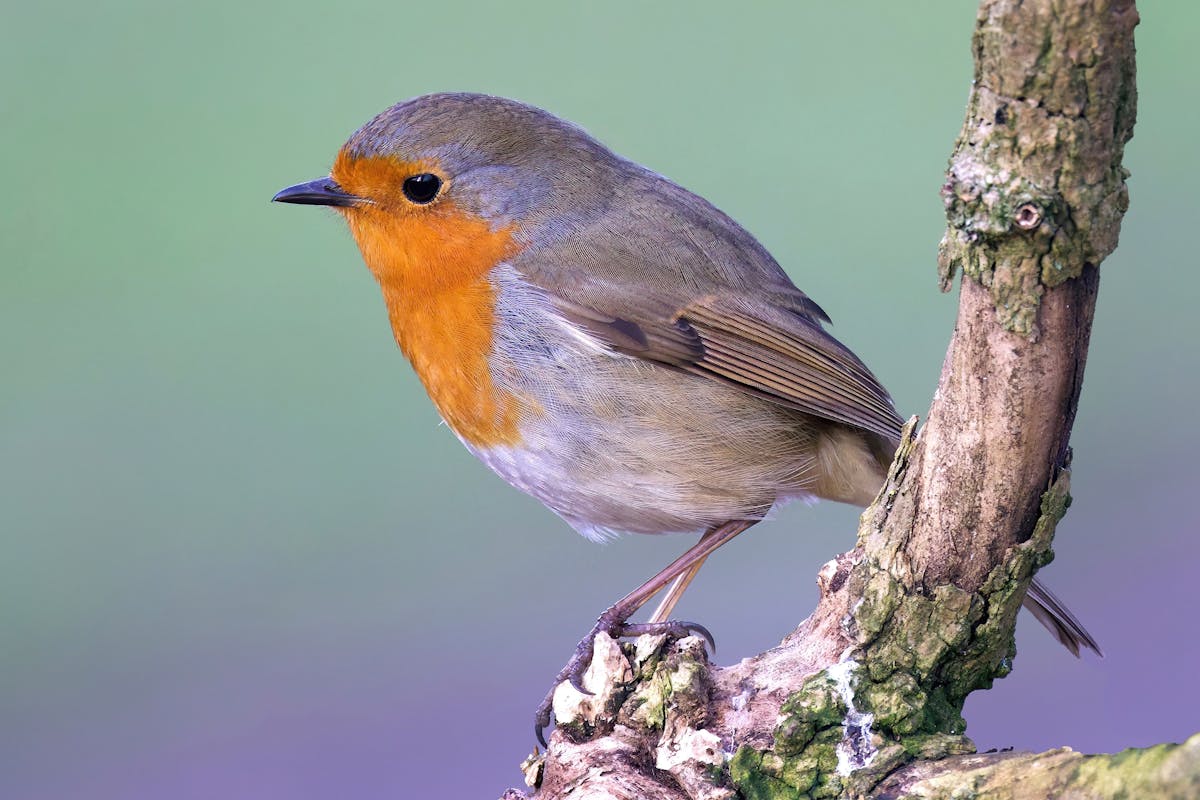
Look Like Robins
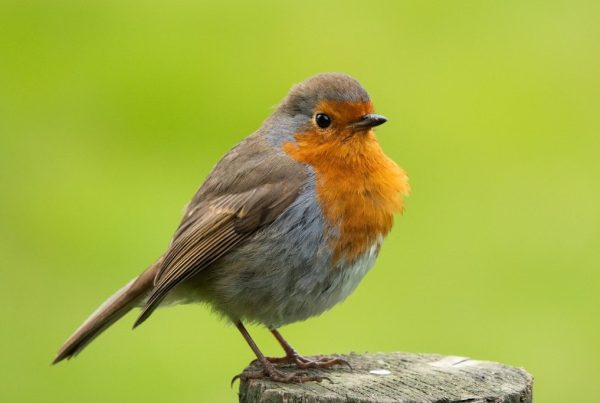
If you want to learn about birds that resemble robins, keep reading! This guide covers everything birders and nature lovers need, including:
-
Basics of identification
-
Natural history
-
Best times and places to observe these unique birds
-
Practical tips to understand these fascinating creatures
Birds that look like robins are popular, drawing hundreds of thousands of searches each month. Learning about these amazing birds helps us appreciate aspects of nature that many people overlook.
This guide aims to be the most comprehensive, accurate, and practical resource available. Whether you’re a beginner or an expert, you’ll find something new here.
Section 1: Important Facts and General Information
Key Points to Know
1. Biology and Identification Understanding the physical traits and biology of these birds is crucial for identification. Key characteristics include:
-
Color patterns
-
Size compared to known species
-
Unique behaviors that distinguish them from similar species
2. Geographic Distribution Birds resembling robins vary greatly in their regional distribution, seasonal timing, and habitat:
-
Habitat requirements
-
Seasonal patterns
-
Locations in North America
3. Ecological Role These birds play a vital role in ecosystems. Their benefits include:
-
Pollination
-
Seed dispersal
-
Predator-prey relationships
-
Indicators of environmental health
Section 2: Seasonal Patterns and What to Look Out For
Spring (March–May)
Spring is the most active time for North American birds. Key activities include:
-
Singing males establishing territories
-
Courtship displays
-
Nest building
-
Arrival of migratory birds
Summer (June–August)
In summer, observe nesting and fledging activity. Key points include:
-
Increased feeding as parents care for young
-
A quieter dawn chorus compared to spring
Fall (September–November)
Fall migration is often overlooked. You may see:
-
Species lingering longer than in spring
-
Juveniles with confusing plumage, making identification challenging
Winter (December–February)
In winter, birds gather around reliable food sources. Important notes include:
-
Visibility against bare trees
-
Importance of feeders and native berry-producing plants
Section 3: Identification Guide
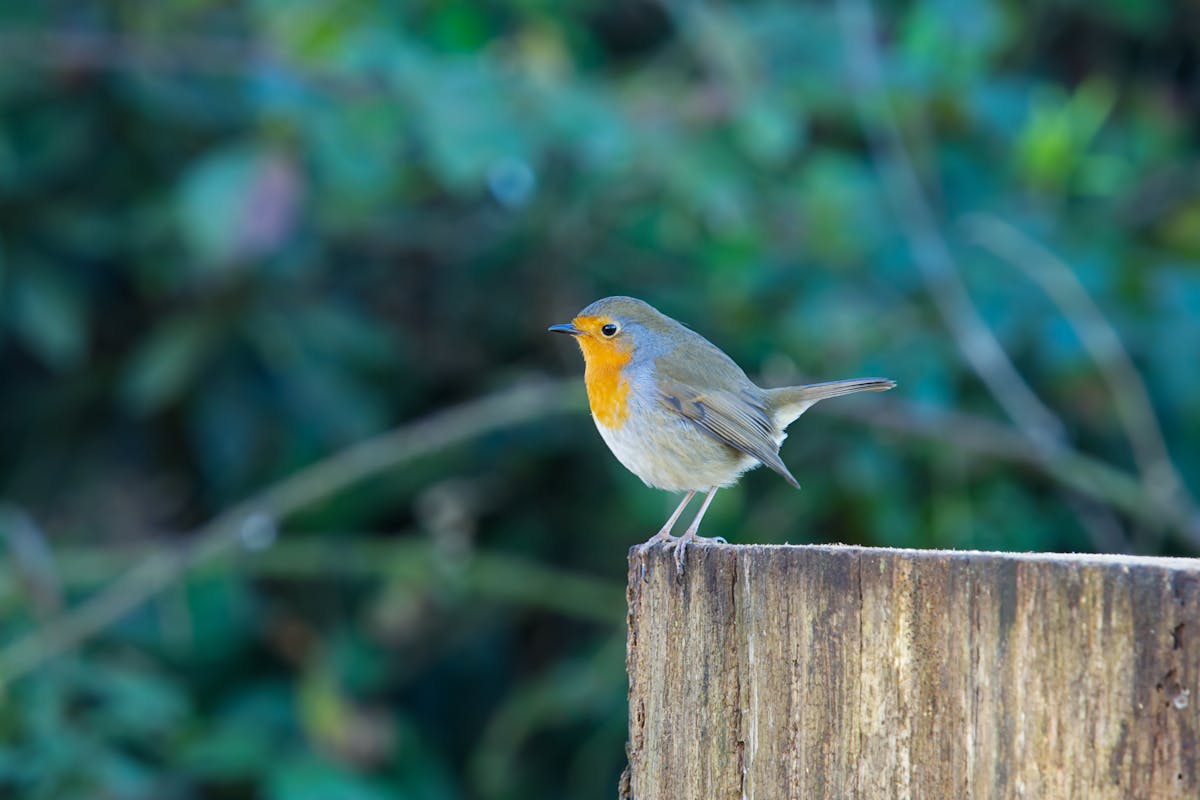
Look Like Robins
Size and Shape
Start by comparing unknown birds to familiar types:
-
Sparrow-sized
-
Robin-sized
-
Crow-sized
-
Goose-sized
Color can often be more telling than shape. Learn the silhouettes of major bird groups.
Key Field Marks
Focus on the following traits:
-
Head pattern: cap color, eye stripe, eye ring, crest
-
Bill shape and length: indicates diet
-
Wing pattern: bars, patches, streaking
-
Tail shape and color
-
Underpart color and pattern
Behavior
Observe how birds move:
-
Do they creep up tree trunks? (nuthatch or creeper)
-
Do they pump their tails? (wagtail, waterthrush)
-
Do they hover before diving? (kingfisher, kestrel)
-
Are they ground walkers or hoppers? (thrushes walk; sparrows hop)
Section 4: Attracting and Observing Birds
Food and Feeding
To attract birds, offer the right food:
-
Native plants that provide berries, seeds, or insects are best
-
Feeders allow for close viewing
Water
A bird bath with running water (like a dripper or mister) can attract more species. Change the water every 2–3 days.
Shelter and Nesting
Provide shelter with:
-
Dense native shrubs
-
Brush piles
-
Mature trees with cavities
A yard with food, water, and shelter is much more inviting than a simple lawn.
Observation Tips
To observe more effectively:
-
Sit quietly for 10–15 minutes instead of walking
-
Go out early; the first hour after sunrise is peak activity
-
Use the Merlin Sound ID app to identify unseen birds
-
Keep a journal to track what you see and recognize patterns over time
Section 5: Conservation and General Problems
Population Trends
Research shows North American bird populations have dropped by about 3 billion since 1970. Major causes include habitat destruction and predation by domestic cats.
What You Can Do
Your actions can make a difference:
-
Keep cats indoors
-
Use window crash prevention (decals, tape patterns)
-
Create a native plant yard
-
Reduce pesticide use
-
Submit eBird checklists for monitoring
-
Support land conservation organizations
Climate Change
Climate change affects migration timing and habitat availability. Support policies that address climate change for effective conservation.
Section 6: Frequently Asked Questions
Q: When is the best time to look for birds that resemble robins? A: Early morning is best, especially the first couple of hours after sunrise.
Q: What gear do I need to start? A: Binoculars (8×42 recommended) and the free Merlin Bird ID app are great starting points. A field guide or the eBird app can also be helpful.
Q: How can I learn more about birds? A: Join a local Audubon chapter, participate in eBird’s community science program, take online courses, and spend time outdoors.
Q: What should I do if I find an injured bird? A: For stunned birds (like from window collisions), cover them in a dark box for an hour, then release. For clearly injured birds, contact a local wildlife rehabilitator.
Conclusion
Birds that resemble robins highlight a growing interest in nature and observation. Whether you’re a beginner or returning to birdwatching, there’s so much to discover.
Start with a feeder, download the Merlin app, and step outside in the morning. The rest will follow!
For more bird guides, identification tips, and seasonal information, visit BirdzFly.

MD Imdadul Haque is the founder of BirdzFly, a research-backed resource on North American backyard birds. Drawing on years of independent study into bird identification, behavior, and migration patterns, he writes in-depth guides designed to help US birders understand the species in their own backyards — from common feeder visitors to seasonal migrants passing through.