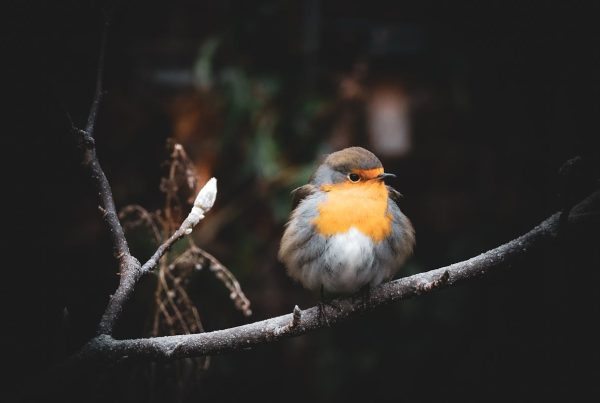

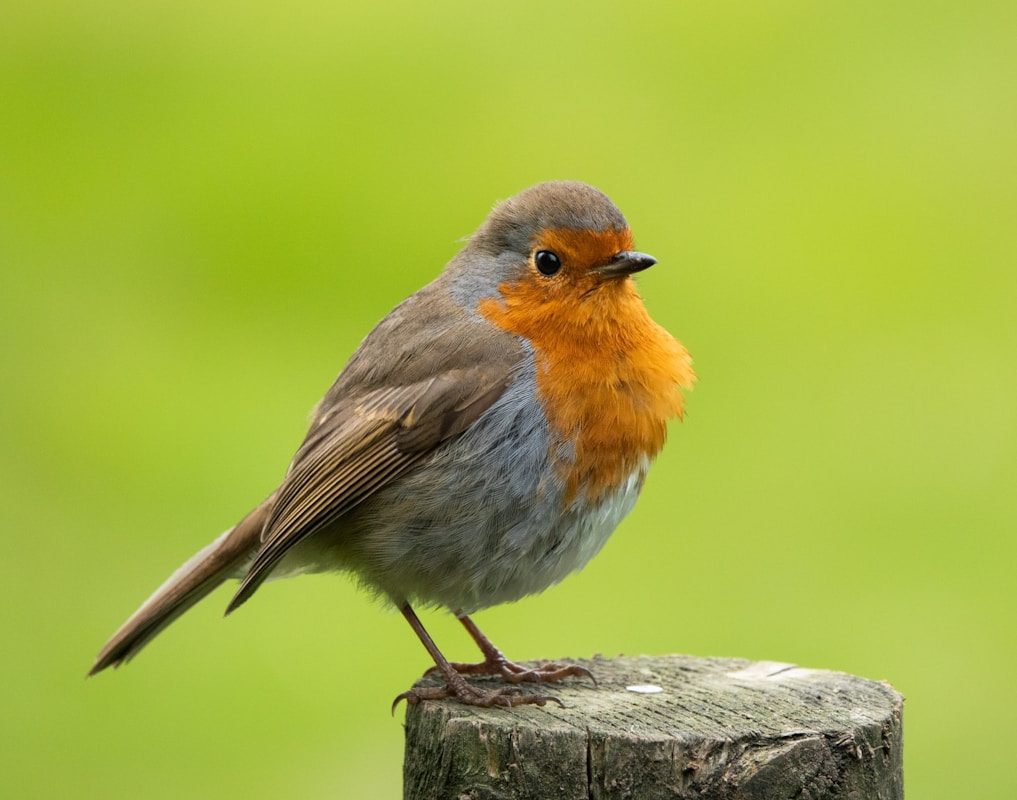
Robins Go in the Winter
Most people think robins migrate south for winter and return in spring. The “first robin of spring” is practically a cultural moment. But the biology is more complicated — and more interesting — than that story.
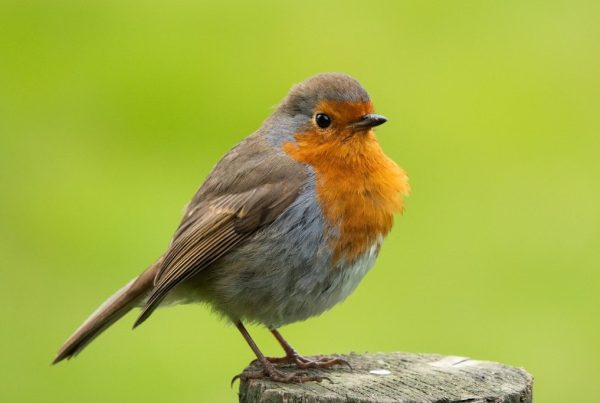
Most American Robins don’t leave North America in winter. Many don’t even leave their state. What changes is their behavior and habitat, which makes them effectively invisible to anyone who only watches lawns.
Why They Seem to Disappear
Robins are earthworm hunters from spring through fall. They stand on lawns, tilt their heads, and pull worms from the soil. That’s what most people associate with robins.
In winter, frozen or hardened ground makes earthworms inaccessible. Robins switch to berries. They move from open lawns into forests, thickets, and areas with fruit-bearing trees and shrubs — crabapples, hawthorns, hollies, junipers. In these habitats, they form large nomadic flocks that follow berry crops rather than holding territories.
A flock of 50 robins in a holly tree in January is easy to walk right past. The birds are in a different habitat, doing a different thing, making different sounds. They don’t look like the solitary lawn bird of spring, and most people don’t connect the two.
Where They Actually Go
Many stay close to where they bred. Robins in the mid-Atlantic, the Midwest, and the South frequently winter within their breeding range — just in different habitat. They may be in your neighborhood all winter without once visiting your lawn.
Northern populations move south. Robins that bred in Canada and the northern US do shift south in winter, sometimes substantially. But “south” often means the southern states, not Central America. Robins are not long-distance migrants in the way warblers or hummingbirds are.
They follow berries, not the calendar. Robin winter movements are driven by fruit availability, not temperature. A flock can appear anywhere in the continental US in winter if there’s a good berry crop to exploit. This makes their winter distribution patchy and unpredictable.
The Evidence
The Audubon Society’s Christmas Bird Count — conducted every December since 1900 — regularly records American Robins in large numbers across the northern US. Flocks of hundreds to thousands of robins are documented each December in states like Ohio, Illinois, and Pennsylvania. States where most people would say robins have left for the winter.
They’re there. They’re just not on your lawn.
What Robins Eat in Winter
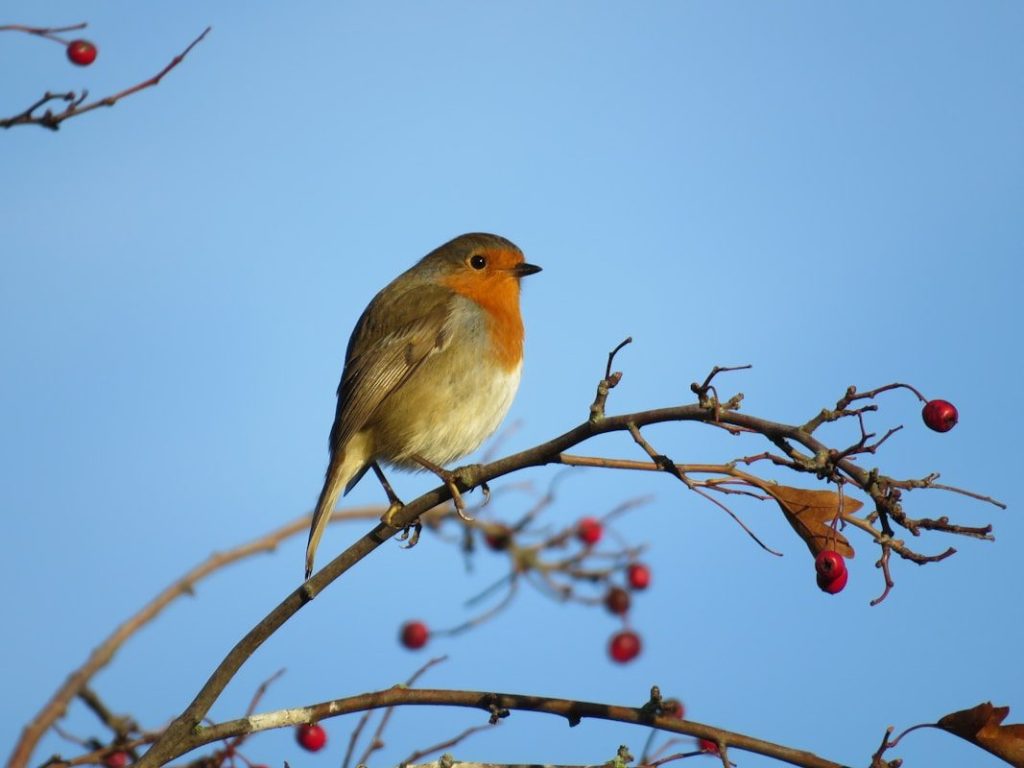
Robins Go in the Winter
Almost entirely berries and small fruit. The plants that keep winter robins around:
- Crabapple (one of the most important)
- American holly and other hollies
- Eastern red cedar and junipers
- Hawthorn
- Winterberry holly
- Dogwood
- Sumac
- Viburnum
If you have any of these in your yard or neighborhood, you may already be hosting winter robins without knowing it.
How to Attract Robins in Winter
Standard seed feeders won’t work — robins aren’t seed eaters. Instead:
- Plant berry-producing trees and shrubs. Crabapple, holly, and juniper are the most reliable. Robins find them and return annually.
- Provide water. A heated birdbath or one with a de-icer will draw robins on cold days when natural water sources are frozen.
- Offer fruit. Chopped apples, raisins soaked in water, and dried berries on a platform feeder will sometimes attract robins in late winter when natural berry supplies run low.
When Do They Return to Lawns?
Robins return to lawn foraging as soon as the soil thaws enough to make earthworms accessible — typically late February to March. Males start singing their territorial morning song before the lawns are fully thawed. The robin “returning in spring” has usually been within a few miles all winter. It just had no reason to visit your lawn until the worms came back.
FAQ
Do robins migrate south for winter?
Some northern populations do, but most stay in North America year-round. They shift from lawn foraging to berry eating in forests and thickets, which is why they seem to vanish.
Why don’t I see robins in winter?
They’re not on lawns because there are no earthworms to pull from frozen ground. They’re in nearby woods and parks wherever berry-producing plants are fruiting.
How do I get robins in winter?
Plant berry-producing native trees and shrubs — particularly crabapple, holly, and juniper. Provide a water source. Seed feeders won’t do it.
For more on robin biology and symbolism, see our guides on why robins sing at night and robin symbolism.

MD Imdadul Haque is the founder of BirdzFly, a research-backed resource on North American backyard birds. Drawing on years of independent study into bird identification, behavior, and migration patterns, he writes in-depth guides designed to help US birders understand the species in their own backyards — from common feeder visitors to seasonal migrants passing through.