
hummingbird moths good Good vs. Evil
Hummingbird moths are good for gardens as adults — excellent pollinators that feed on nectar from a wide range of flowers. The complication is their caterpillar stage, which looks almost identical to the tomato hornworm and can damage specific host plants before metamorphosis. Whether they’re “good” or “bad” really depends on which life stage you’re looking at, and which plants are nearby.
Adult Hummingbird Moths: Genuinely Beneficial Pollinators
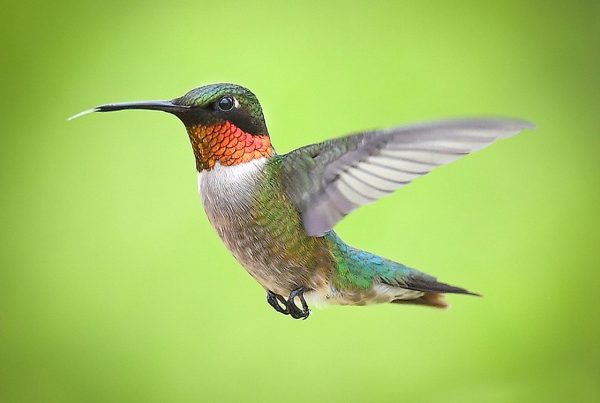
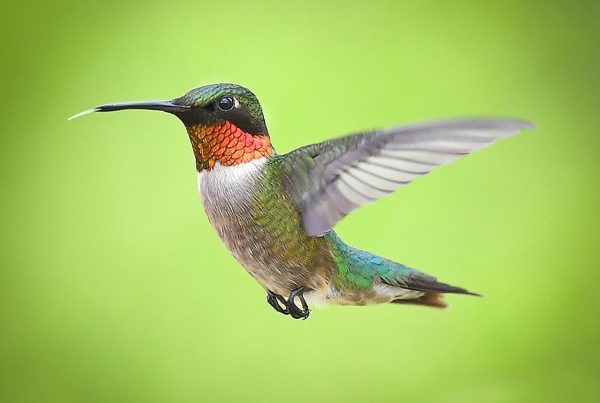
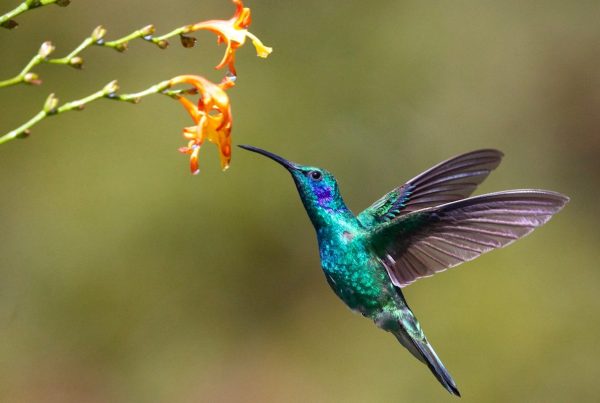
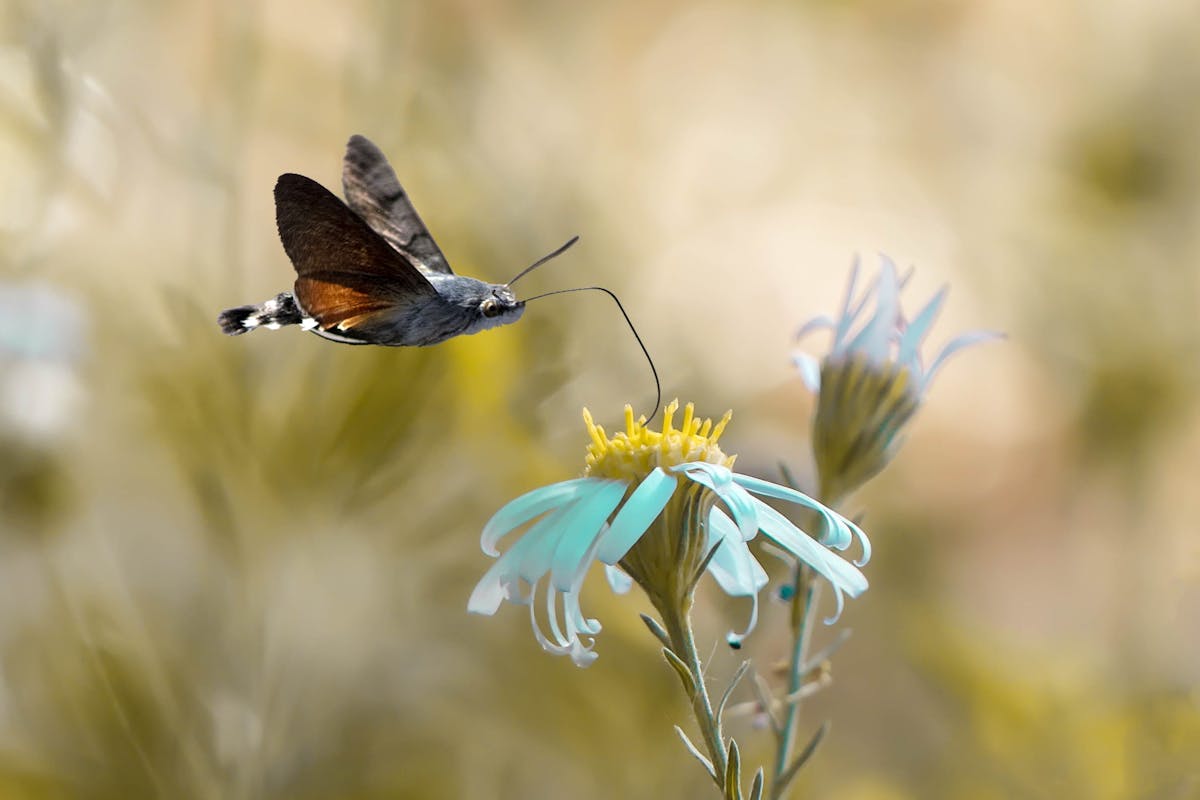
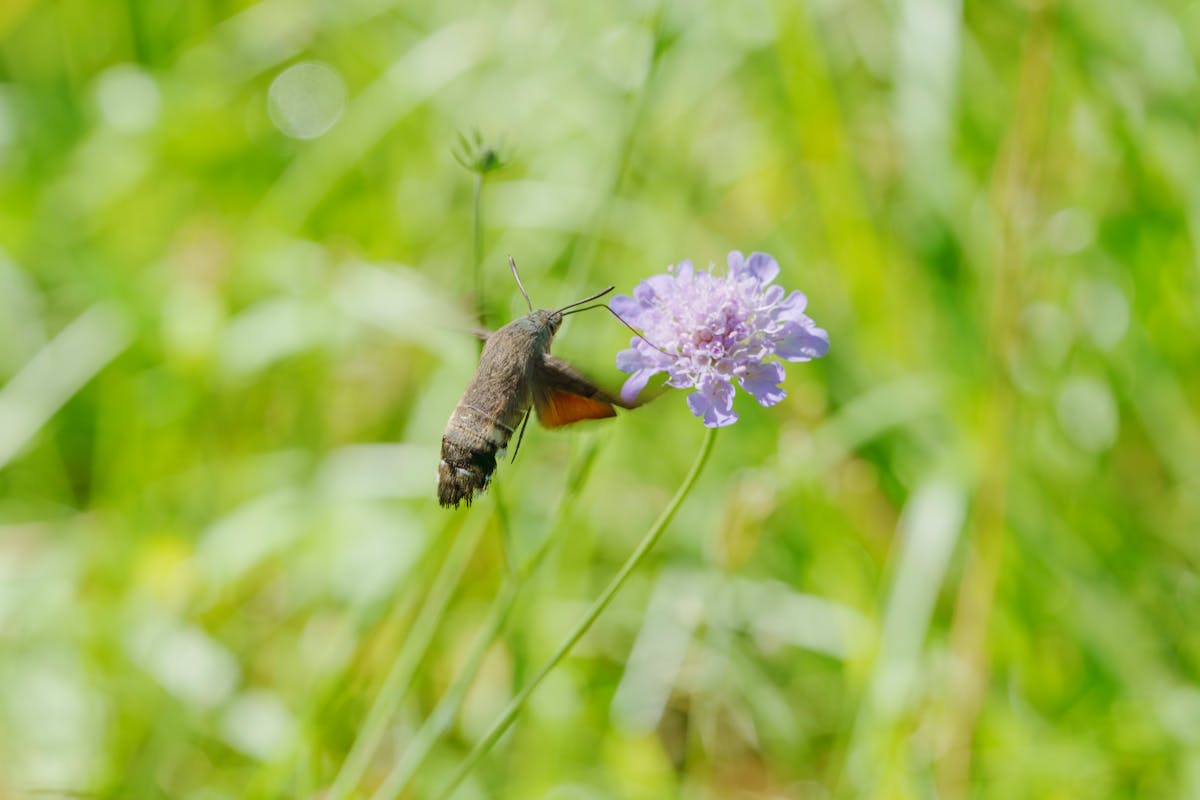
As adults, hummingbird moths (genus Hemaris) hover at flowers using rapid wingbeats almost identical to actual hummingbirds, feeding through a long proboscis that works like a hummingbird’s bill. This behavior makes them effective pollinators for a wide range of garden flowers, particularly tubular blooms like bee balm, phlox, and butterfly bush that are harder for bees to access efficiently.
The Caterpillar Stage: Where the Confusion Starts
The caterpillars are commonly called hornworms, and this is where people start worrying:
- Tomato hornworm — feeds on tomato, pepper, and related plants. Becomes the Five-spotted Hawk Moth, not technically a “hummingbird moth” but often confused with one.
- Tobacco hornworm — feeds on tobacco and related plants. Becomes the Carolina Sphinx Moth.
The actual hummingbird moth caterpillars (Snowberry Clearwing and Hummingbird Clearwing) feed on a different set of plants entirely — honeysuckle, snowberry, hawthorn, cherry, and plum — and do not touch garden vegetables. This is the key distinction: if something is eating your tomatoes, it’s not a hummingbird moth caterpillar.
Two Common Clearwing Species
Snowberry Clearwing (Bumblebee Moth) — caterpillars feed specifically on snowberry and honeysuckle. Adults are often mistaken for bumblebees due to their yellow-and-black banding.
Hummingbird Clearwing — less host-specific, with caterpillars feeding on honeysuckle, hawthorn, cherry, plum, and European cranberry bush. Adults are seen most often in late summer at butterfly bush and bee balm.
hummingbird moths good Good vs. Evil
Should You Be Concerned About the Caterpillars?
For most home gardeners, no. The host plants (honeysuckle, snowberry, hawthorn) are rarely cultivated as prized ornamentals the way tomatoes or roses are, and the caterpillars are present in small enough numbers that damage is typically minor and cosmetic. Removing caterpillars by hand and relocating them to a wild patch of host plant is a reasonable middle ground if you want both the plant and the future moth.
FAQ: Hummingbird Moths
Are hummingbird moths harmful to gardens?
Adults are beneficial pollinators. Caterpillars feed only on specific plants (honeysuckle, snowberry, hawthorn) and do not damage common garden vegetables like tomatoes.
Is a hornworm on my tomato plant a hummingbird moth?
No. Tomato and tobacco hornworms become hawk moths and sphinx moths, not true hummingbird moths, even though they’re often confused.
Do hummingbird moths sting or bite?
No. They have no stinger and cannot bite. The Snowberry Clearwing’s bee-like coloring is purely a visual mimicry defense, not a real threat.
For more on hummingbird moths, see our guide on the hummingbird hawk moth and caterpillar identification.
Learn More

MD Imdadul Haque is the founder of BirdzFly, a research-backed resource on North American backyard birds. Drawing on years of independent study into bird identification, behavior, and migration patterns, he writes in-depth guides designed to help US birders understand the species in their own backyards — from common feeder visitors to seasonal migrants passing through.