
hummingbird feeders bad Harm or Good
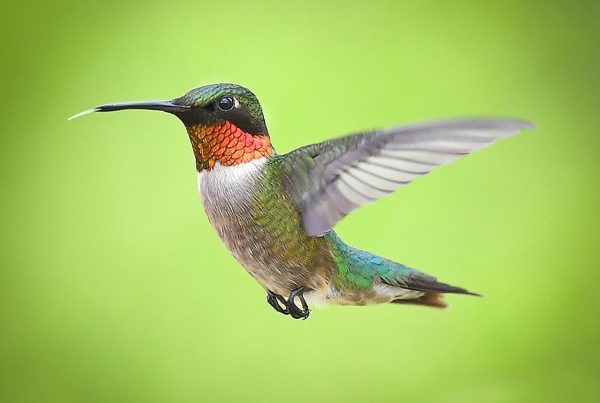
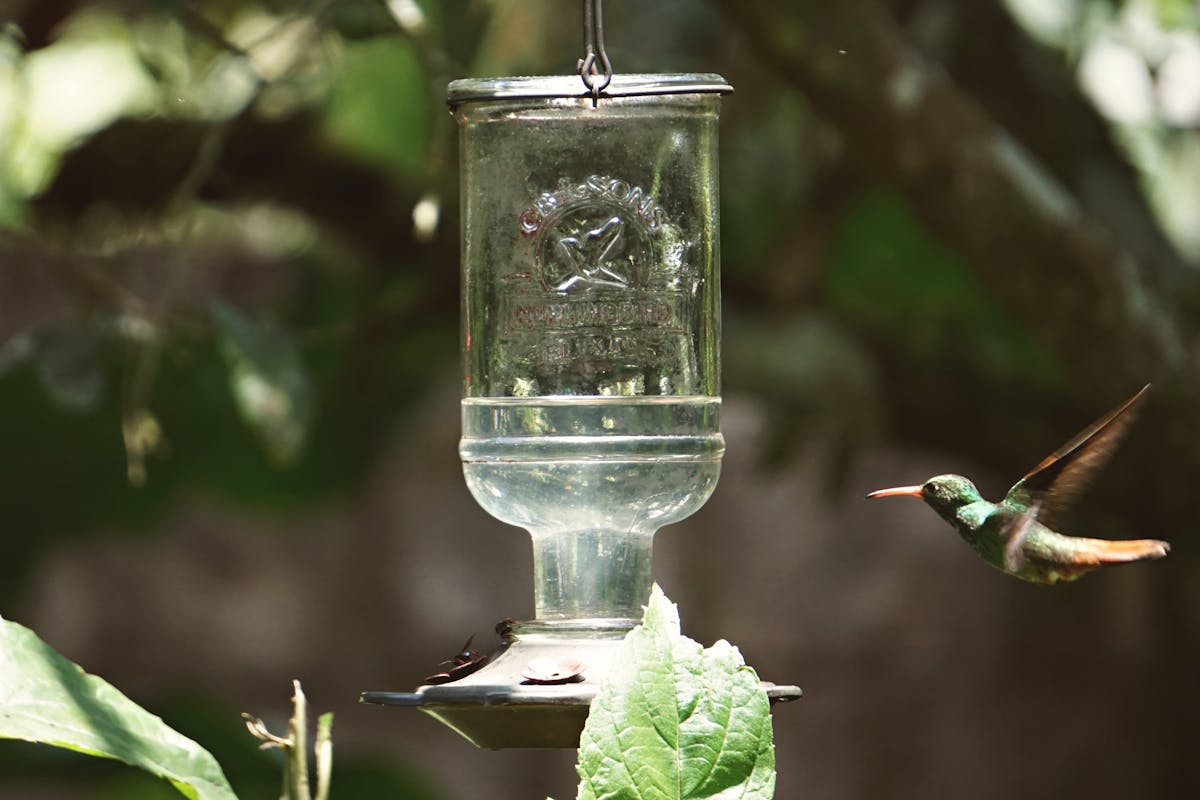
I recently moved to a new state where I can see many hummingbirds. When I saw them for the first time, I was excited! My girlfriend and I bought hummingbird feeders to help our new feathered friends. However, I discovered that many feeders are not kept clean. They can cause more harm than good by spreading diseases among hummingbirds.
The Dangers of Dirty Feeders
Many people do not research best practices for keeping feeders. They might not realize the effects of leaving feeders up too long. Here are some common diseases that can affect birds:
-
Salmonellosis
-
Mycoplasmal conjunctivitis
-
Avian Trichomoniasis
-
Pigeon Paramyxovirus-1
These diseases can spread quickly at feeders. Even the cleanest environment can’t always prevent disease. The best way to protect wild birds is to avoid using feeders.
Natural Alternatives to Feeders
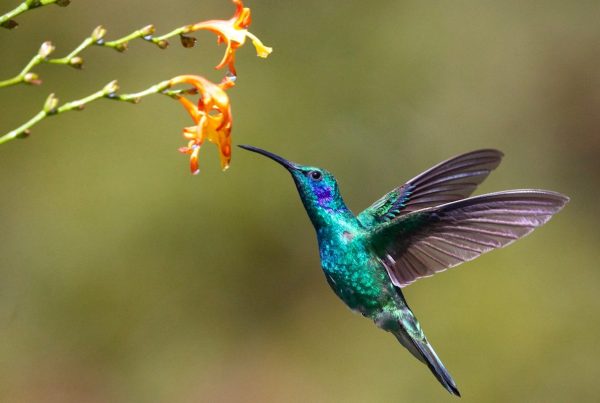
Instead of feeders, consider planting pollinator-friendly flowers. I planted many and saw a surge in hummingbirds visiting my garden. Here are some great options:
-
Bee balm
-
Hyssop
-
Butterfly bushes
-
Honeysuckles
These flowers provide natural food and habitat for hummingbirds and other pollinators.
Your Experience Matters
I clean my 25 feeders regularly and feed over 2,000 birds a day. I use only refined sugar and keep the feeders safe from predators. I care for three resident species and two travelers. This way, I provide a reliable energy source when flowers aren’t blooming.
The Cost of Feeding Hummingbirds
Feeding these birds can be expensive. I spend about $10 per day on sugar, which I believe is worth it. However, the time spent making nectar and cleaning feeders can add up.
The Importance of Cleaning Feeders
It’s essential to keep feeders clean. I wash and fill mine every Sunday evening. Some recommend changing the nectar every three days because bacteria and fungus can grow quickly in warm weather.
Cleaning Methods
When cleaning feeders, you might wonder which method to use. Here are some options:
-
Bleach
-
White vinegar
-
Soapy water
I prefer using white vinegar. I let it sit for a few minutes and then rinse with hot water. This method helps me avoid mold.
feeders bad Harm
Hummingbird Feeding FAQs
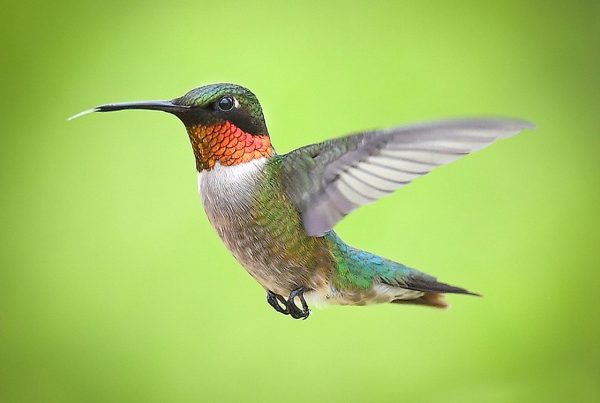
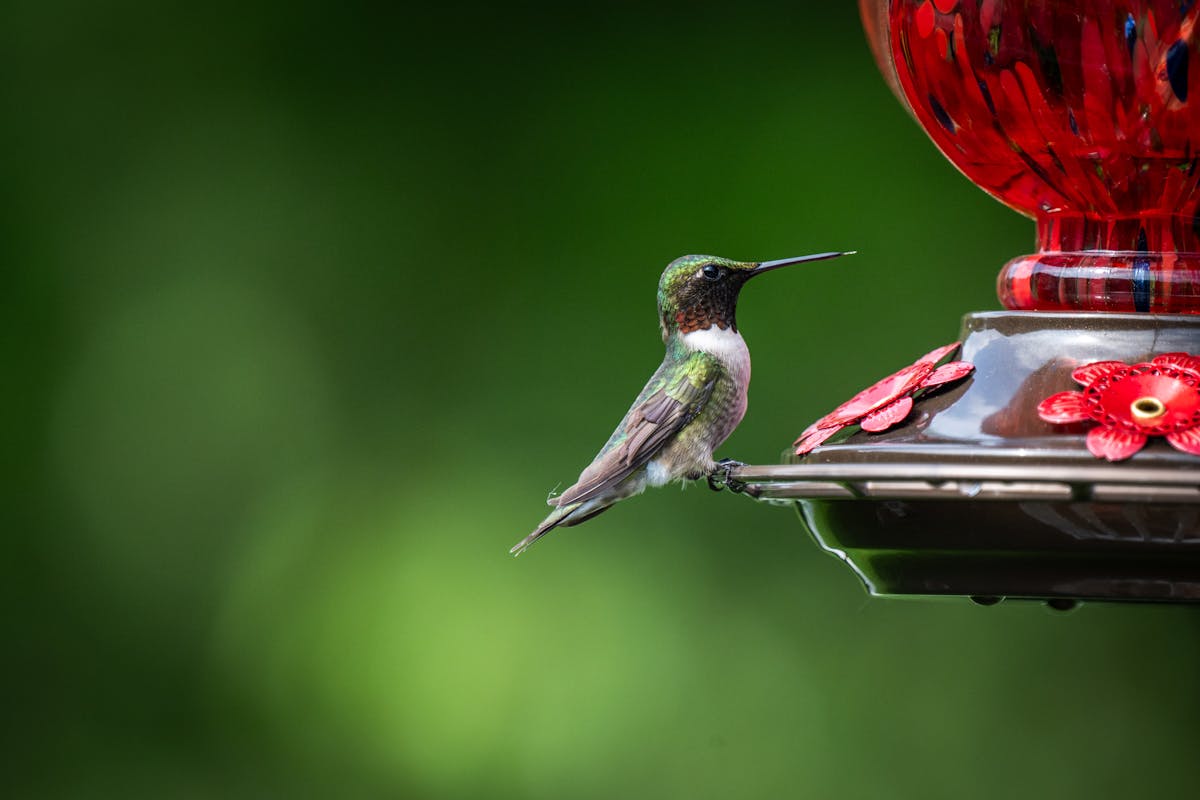
Hummingbirds are beautiful and fascinating creatures. While southern plants provide natural nectar, a clean sugar-water feeder can help them, especially during nesting and migration. Below are some important FAQs to help you support your local hummingbirds.
Are there any negatives to providing a hummingbird feeder?
No. Your feeder is a supplemental nectar source. It helps hummingbirds when nearby flowers aren’t blooming.
Do I have to purchase special food for my hummingbirds?
No. Use a simple 1:4 solution of refined white sugar and tap water:
-
¼ cup of sugar
-
1 cup of water
Boil the mixture, let it cool, and fill the feeder. You can make a larger batch and store it in the refrigerator. Just remember to bring it to room temperature before refilling the feeder.
Do I need to add red coloring to the nectar?
No. Red dye is unnecessary and can be harmful. Natural nectar is clear.
Do hummingbirds like red?
Yes. Hummingbirds are attracted to red and other bright colors because they associate them with tasty nectar.
Can I substitute brown sugar, honey, or molasses for granulated white sugar?
No. Other sweeteners may have harmful additives. Avoid artificial sweeteners.
How frequently do I need to empty and clean the feeder?
-
Warmer months: Every day or every other day
-
Cooler months: Every three days
-
If hummingbirds drain the feeder often: Clean it whenever it’s empty
Clean the feeder immediately if you see mold, sick birds, or insect activity. Use hot tap water and hydrogen peroxide or a weak vinegar solution. Do not use dish soaps.
When do I need to deploy my hummingbird feeder?
Put up your feeder about one week before hummingbirds typically return to your area. This date varies by region. Check with your local Audubon center or bird club if you’re unsure.
When should I take my feeders down in the fall?
Keep your feeders up as long as hummingbirds visit. You may even want to leave them out longer for stragglers. Always clean the feeders, even if no birds are visiting.
Won’t my hummingbirds stick around too late if I keep leaving food out for them?
No. Hummingbirds know when to migrate. Changes in day length and sunlight tell them when it’s time to leave, not just the availability of food.
We have hummingbirds year-round in our area. Can I continue to feed them all year?
Absolutely! Just keep your feeders clean as you normally would.
I hung a feeder, but no hummingbirds are coming. How do I attract them?
Plant red or orange tubular flowers nearby. This can help attract hummingbirds to your feeder. Don’t forget to change the nectar and wash the feeder regularly.
I have a hummingbird in my area after the migration date. What do I need to know?
Do I need to worry about my nectar freezing?
If you live in an area where temperatures drop below freezing:
-
Yes, be cautious. A sugar solution has a lower freezing point than water.
-
No, cold nectar won’t harm the birds.
Year-Round Hummingbirds
Some areas in the U.S. have hummingbirds year-round. Southern species like Anna’s Hummingbirds nest in southern parts of the U.S. and along the Pacific coast.
For more information on local hummingbirds and their winter ranges, download the Audubon Bird Guide app or check Audon’s online bird guide.
Fun Facts about Hummingbirds
-
Bee Hummingbirds are the smallest birds in the world.
-
Rufous Hummingbirds undertake long migrations.
-
Anna’s Hummingbirds can dive faster than space shuttles.
“They’re basically the little Chihuahuas of the bird world,” says Christine Barton, director of operations at the Fund for Animals Wildlife Center. “They think they’re huge and feel invincible.”
These amazing birds can:
-
Fly backwards
-
Hover mid-flight
-
Remember where they found food
-
Chase away hawks
-
Eat thousands of insects daily
By following these tips, you can create a welcoming environment for hummingbirds in your yard!
What does this mean for lovers of hummingbirds?
Like many of its wildlife counterparts, it’s there to help us find our way between a world as we found it and a world as we wish it would be. If you’re already putting sugar water out there, “the last thing we want is for people to hurry up and take their feeders down,” says Tell, especially in environmentally disturbed areas where such birds are “habituated.” To do the most good and least harm, provide plants, abstain from pesticides (which have been found in hummingbirds’ bodies), don’t prune branches during nesting season and if you use feeders: Mix one part white table sugar to four parts water; leave them out until the end of migration. Keep bird feeders well away from windows to avoid strikes by birds. Clean on a weekly basis, and more frequently when the temperature warms. A helpful rule of thumb, according to Tell: “If you wouldn’t drink it, then don’t give it to them.”
In Conclusion
I love hummingbirds and want to keep them healthy. I do my best to maintain clean feeders for them. However, I believe that using native flowers is the best way to support these beautiful birds. Let’s work together to ensure they thrive!

MD Imdadul Haque is the founder of BirdzFly, a research-backed resource on North American backyard birds. Drawing on years of independent study into bird identification, behavior, and migration patterns, he writes in-depth guides designed to help US birders understand the species in their own backyards — from common feeder visitors to seasonal migrants passing through.