

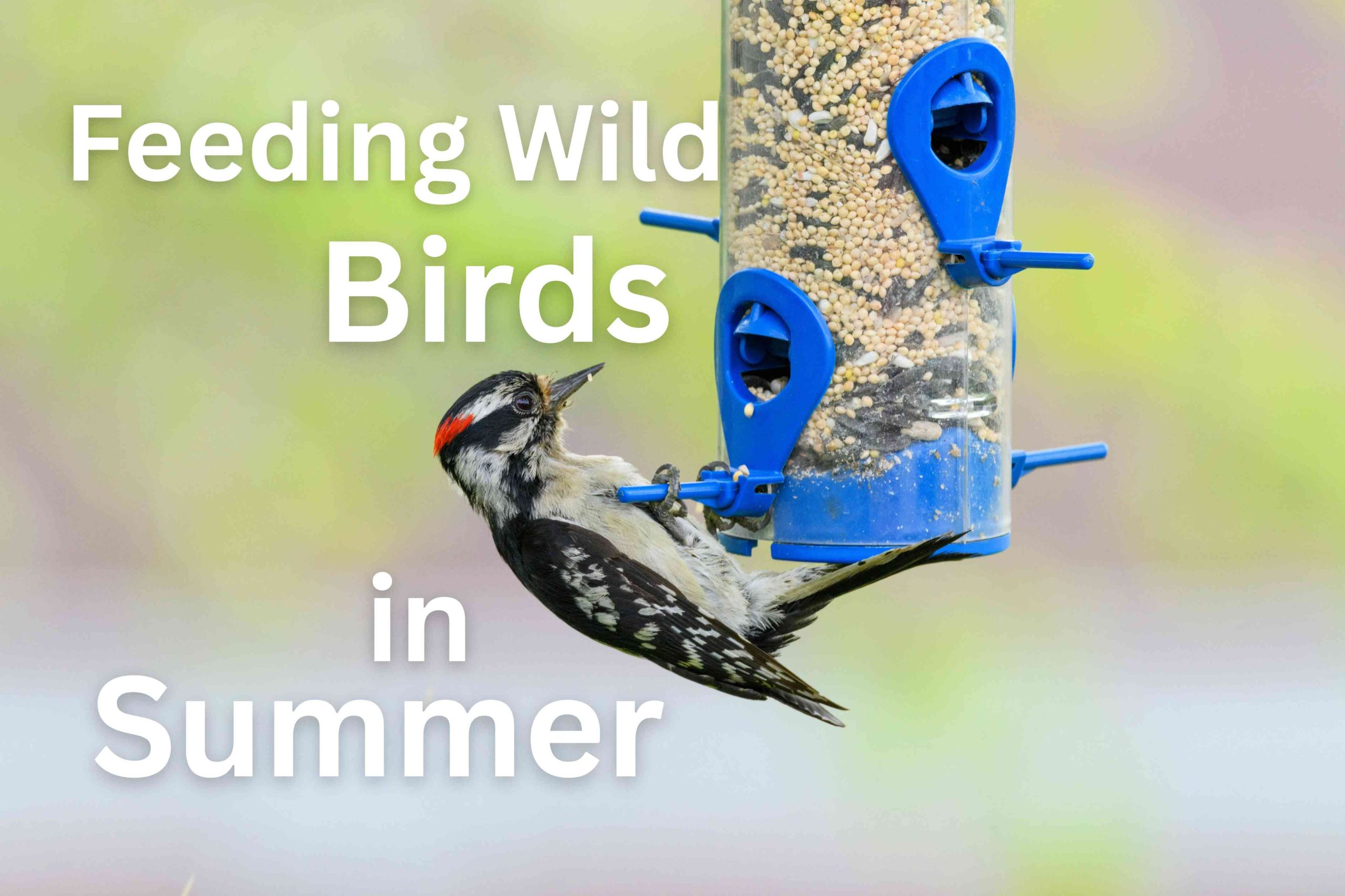
Feeding Wild Birds
Introduction
Karen had fed backyard birds for eleven years without incident. She knew her regulars by name — the brassy male cardinal she called Winston, the pair of chickadees that built their nest in her garden box, and the hummingbirds who arrived like clockwork every May. She kept full feeders, a clean birdbath, and her yard was a welcoming place for birds year after year.
But one July, she made a minor mistake.
The Lesson of the Hummingbird
Karen replenished her hummingbird feeder with leftover nectar that had been in the refrigerator for 10 days. It looked fine and smelled okay. She didn’t think twice.
Three days later, she found a hummingbird on her porch floor — alive but not well. Its wings were limp, and its eyes were half-closed.
The nectar had fermented. What she thought was safe was slowly poisoning the bird she cared for.
Luckily, the hummingbird survived; she took it to a wildlife rehabilitator just in time. That summer changed Karen’s approach to bird feeding. She became one of her neighborhood’s most careful, knowledgeable backyard bird feeders.
This article shares the lessons she learned the hard way — so you don’t have to.
How Summer Feeding Differs From Winter Feeding
Many people think of bird feeding as a winter activity. They fill the feeder from November to March, enjoying the sight of cardinals in the snow.
In summer, the mindset changes. Here’s why:
-
Natural food is abundant: Insects are everywhere, berries are ripening, and seeds are plentiful.
-
Feeding risks increase: Bacteria multiply faster in the heat. Nectar ferments in hours, not days. Seed mold grows quickly in humid conditions.
It’s summer that can turn good intentions into harm.
Some birds need specific foods urgently during summer. Breeding adults expend energy raising young. Fledglings learn to forage, and hummingbirds require extra fuel.
Summer feeding, done right, can be delightful. Done wrong, it can harm the very birds you want to help.
The Best Summer Wild Bird Food
Fresh Water — More Critical Than Any Food
Before we discuss food, let’s talk about water. In summer, clean water is vital. Natural sources evaporate, streams slow down, and ponds develop algae. Birds need water for drinking and bathing.
A clean feather insulates better and helps birds fly efficiently. A bird that cannot bathe is in distress.
To attract more birds:
-
Use a shallow birdbath (no deeper than two inches in the center).
-
Place it in a shady spot to reduce evaporation and algae growth.
-
Clean and refill it every two to three days.
Adding a dripper, mister, or tiny solar fountain will attract even more birds. Moving water reflects light and sound, making it appealing from great distances.
Cleaning Tips:
-
Scrub your birdbath with a stiff brush and plain water.
-
Never use soap or bleach. Residues can harm birds.
-
If scrubbing doesn’t work, use diluted distilled white vinegar.
Black Oil Sunflower Seeds — The Staple for All-Bird Feeders
If you can only offer one food, choose black oil sunflower seeds. They have:
-
A thin shell that almost any seed-eating bird can crack.
-
High-fat and protein content to fuel adults and fledglings.
-
Appeal to a wide range of species, including cardinals, chickadees, and finches.
Summer Feeding Tips:
-
Use tube or hopper feeders that drain well.
-
Check and restock seeds more often than in winter.
-
Remove any clumped or moldy seeds immediately.
Shelled sunflower hearts are excellent for summer, as they reduce waste and mold.
Suet — With Significant Summer Adjustments
Suet is often associated with winter feeding, but it’s beneficial in summer too. Birds like woodpeckers and chickadees need high-fat, high-protein food while feeding their nestlings.
Use no-melt or summer suet: It has higher melting points and resists rancidity.
Placement and Checking:
-
Put suet feeders in shady locations.
-
Check every few days for spoilage. Discoloration or odor means it’s time to replace.
Nyjer (Thistle) Seed — For Finches All Summer Long
Goldfinches thrive in summer, especially males in bright breeding plumage. Nyjer seed stays fresh longer and does not mold easily, but it can clump in humidity.
Feeding Tips:
-
Tap or shake the feeder every few days to keep the seed flowing.
-
Replace the contents every three to four weeks to ensure freshness.
Fresh Fruit — That Bonus Summer Food
Summer is fruit season for wild birds too! Fresh fruit attracts:
-
Gray Catbirds
-
Cedar Waxwings
To keep fruit safe:
-
Change it every day or two to prevent fermentation and mold.
-
Remove any fruit that looks moldy or smells fermented.
Raisins and dried cranberries are also great options. Soak them in water before serving to make them easier for birds to eat.
Mealworms: The Fledgling Season Secret
From late May through August, parent birds are busy feeding nestlings. Mealworms are a favorite and provide essential protein.
-
Offer either living or dried mealworms.
-
Live mealworms provide better hydration.
Storing Tips:
-
Keep mealworms in a cool area.
-
Dried mealworms last longer and are a convenient substitute.
Hummingbird Nectar: The Highest-Stakes Summer Food
Hummingbird nectar is crucial. Here’s how to prepare it:
-
Mix 4 parts water to 1 part pure white granulated sugar.
-
Cool completely before filling the feeder.
Avoid these additives:
-
Red food dye (unnecessary and potentially harmful).
-
Honey (ferments quickly).
-
Artificial sweeteners (toxic).
-
Brown sugar (contains harmful additives).
Nectar Maintenance:
-
Change nectar every two days in temperatures above 80°F.
-
Clean feeders thoroughly with hot water at each change.
Following these guidelines will ensure that your summer bird feeding is safe and enjoyable for both you and the birds!
What to Absolutely Avoid When Feeding Birds
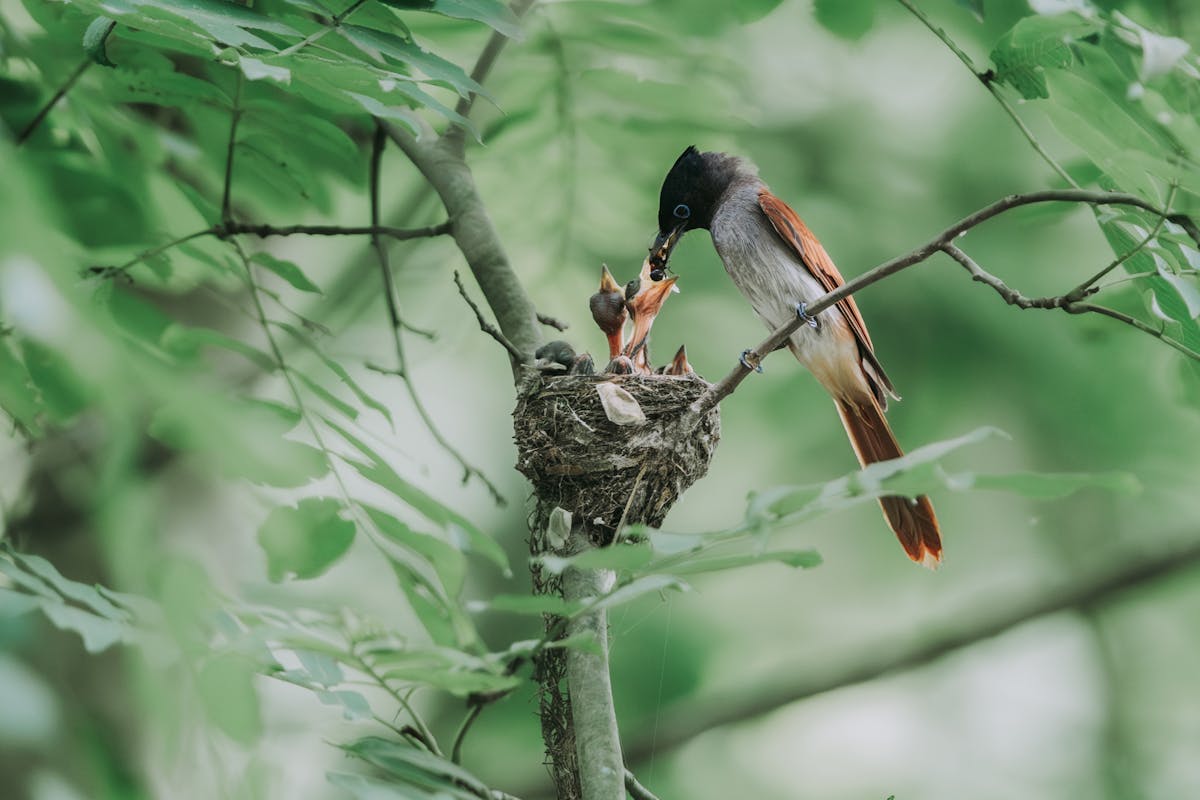
Feeding Birds
Bread, Crackers, and Other Processed Human Foods
This is a common mistake that can harm birds. Do not feed bread to birds. This includes:
-
White bread
-
Whole wheat
-
Toast
-
Crackers
-
Chips
-
Rice cakes
Why is this harmful?
-
Bread offers little to no nutrition. Birds need protein, fat, and micronutrients to stay healthy, especially young birds.
-
A well-fed bird on a bread diet may ignore nutritious foods like insects, seeds, and fruits.
Consequences:
-
Ducklings can develop angel wing, a permanent deformity that prevents flight.
-
Songbirds may feed nutritionally empty food to their nestlings, harming their development.
Feeding bread may seem kind, but it does more harm than good.
Spoiled, Wet, or Moldy Seed
This might seem obvious, but it’s easy to overlook. Moldy seeds can produce aflatoxins, which are deadly to birds. Here’s how to avoid this:
-
Check your feeders every 2-3 days.
-
Feel for clumping: Moist seed clumps mean mold.
-
Smell the seed: A sour or musty odor indicates spoilage.
If you find mold, throw out the seed and wash the feeder with hot water and a vinegar solution before refilling.
Tip: In summer, wash feeders at least once a week or more often in humid weather.
Rancid or Old Suet
Rancid suet can damage birds’ feathers and their ability to stay warm. Before feeding suet:
-
Smell it: Fresh suet has a mild smell, while rancid suet smells sour.
When in doubt — throw it out.
Salted Foods of Any Kind
Birds cannot handle salt like humans. Avoid feeding them:
-
Salted peanuts
-
Salted sunflower seeds
-
Pretzels
-
Chips
-
Crackers
Salt can lead to dehydration and kidney failure in birds.
Toxic Foods for Birds
Avocado
Though it seems healthy, avocado is toxic to birds. It contains persin, which can harm their hearts and lungs.
Onions and Garlic
These contain compounds that can damage birds’ red blood cells, leading to anemia. Avoid kitchen scraps with these ingredients near feeding areas.
Chocolate
Chocolate is poisonous to birds due to theobromine. Never feed chocolate or cocoa products to birds.
Caffeinated Beverages and Alcohol
Both can be toxic. Caffeine can cause heart issues, and alcohol can disrupt liver function. Keep these away from birds.
A Summer Feeding Wild Birds Calendar
| Month | Priority Foods | Key Maintenance Task |
|---|---|---|
| May | Nectar, fresh fruit, mealworms | Set up hummingbird feeders before arrival |
| June | Mealworms, sunflower, nectar | Switch to summer suet, increase cleaning frequency |
| July | Mealworms, fresh fruit, water | Change nectar every 1–2 days in peak heat |
| August | Sunflower, nyjer, mealworms | Refresh nyjer supply, watch for fledglings at feeders |
What Karen Now Tells Everyone
After a troubling experience with hummingbirds, Karen changed her habits:
-
She treats her feeders like her kitchen, keeping them clean and checking food regularly.
-
She shares her experience with neighbors in a friendly way.
Now, her backyard is full of birds every summer. She knows exactly what she is feeding them and why it is safe.
Remember: Birds trust what you provide. Take that trust seriously.
Read More on BirdzFly

MD Imdadul Haque is the founder of BirdzFly, a research-backed resource on North American backyard birds. Drawing on years of independent study into bird identification, behavior, and migration patterns, he writes in-depth guides designed to help US birders understand the species in their own backyards — from common feeder visitors to seasonal migrants passing through.

