
Hummingbirds of the Americas
Hummingbirds of the Americas
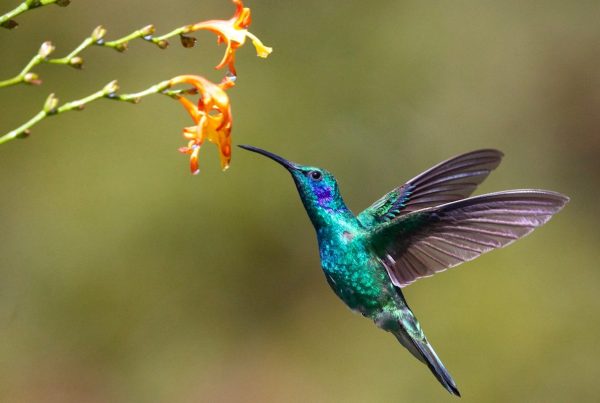
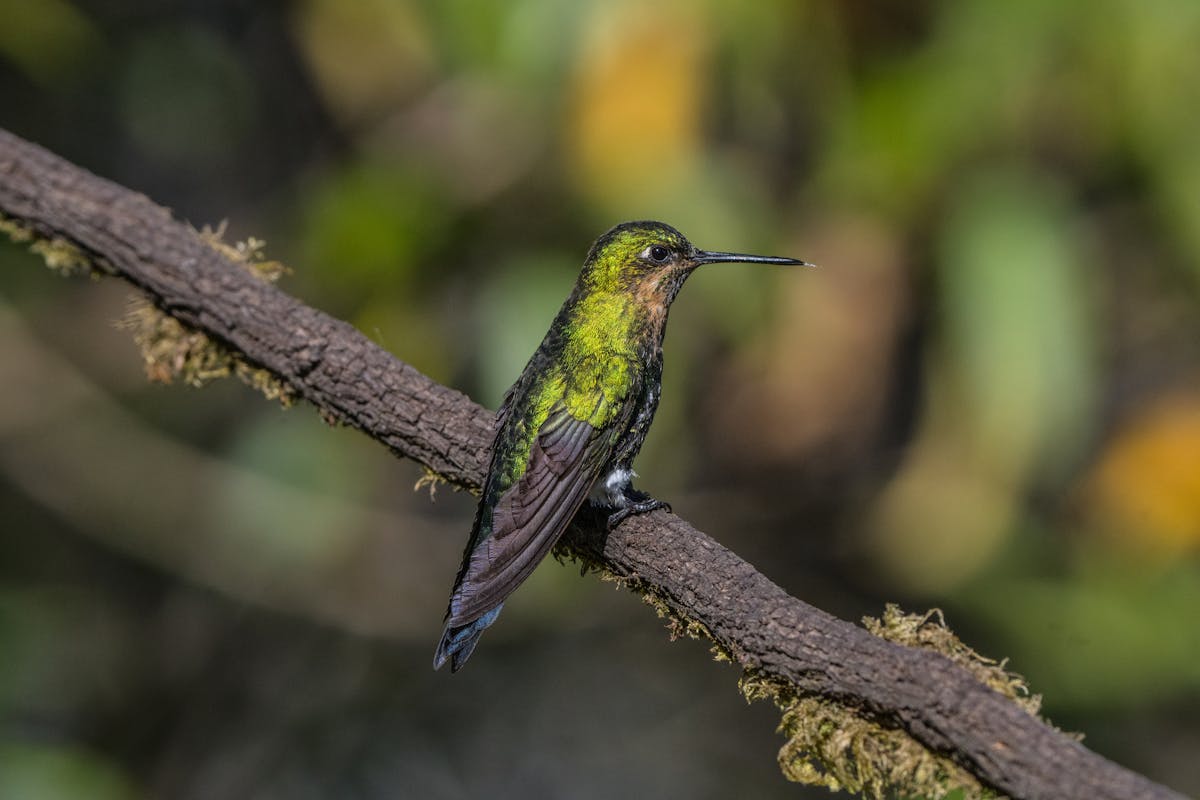
When we talk about Different Types of Hummingbirds then many things come. As the Americas are home to an incredible 365 species of hummingbirds. In the United States alone, fifteen species live here year-round, and nine more visit occasionally.
Despite their size, hummingbirds are known for their bold personalities. The Aztecs even believed these tiny birds embodied the souls of fallen warriors. Take the Rufous Hummingbird, for example—it’s not afraid to stand up to larger birds and has even been seen chasing chipmunks away from its nest.
About This List
This guide features hummingbirds found in the continental U.S. and Canada. We used data from Partners in Flight (PIF) and the Cornell Lab of Ornithology to estimate populations and assess conservation needs. Note: Population estimates are specific to the U.S. and Canada and do not include global figures.
Rivoli’s Hummingbird
-
U.S. Population Estimate: Fewer than 5,000
-
Population Trend: Unknown
-
Habitat: Pine-oak forests
-
Threats: Habitat loss, possible climate change
💡 Fun Fact: The Rivoli’s Hummingbird has a heart rate ranging from 420 to 1,200 beats per minute—among the highest of any vertebrate!
Blue-throated Mountain-gem
-
U.S. Population Estimate: Less than 2,000
-
Population Trend: Unknown
-
Habitat: Pine-oak forests
-
Threats: Habitat loss, invasive species
💡 Note: This is the largest nesting hummingbird in the U.S. and Canada. It weighs nearly three times as much as a Ruby-throated Hummingbird!
Lucifer Hummingbird
-
U.S. Population Estimate: Fewer than 5,000
-
Population Trend: Decreasing
-
Habitat: Desert scrub
-
Threats: Habitat loss, climate change
-
Conservation Status: PIF Yellow Watchlist
💡 Note: Male Lucifer Hummingbirds are known for their unique behavior. Unlike most hummingbirds that display far from the nest, these males perform courtship displays right at the females’ nests.
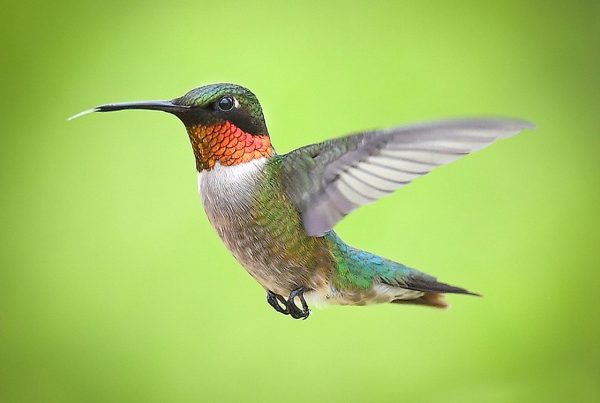
Ruby-throated Hummingbird
-
U.S./Canada Population Estimate: 34 million
This widespread species is the most commonly seen hummingbird in eastern North America.
Hummingbirds of the U.S. and Canada
The Americas boast an impressive 365 species of hummingbirds. Of those, fifteen make their homes in the United States, and nine others are seasonal visitors.
Tiny but tough, hummingbirds are full of personality. The Aztecs even saw them as the souls of fallen warriors. One standout is the Rufous Hummingbird—a fearless little bird known for chasing off larger birds and even chipmunks!
About This List
This list includes hummingbirds found in the continental U.S. and Canada. Data is sourced from Partners in Flight (PIF) and the Cornell Lab of Ornithology. Population numbers are regional (U.S./Canada) and may not reflect global totals.
Rivoli’s Hummingbird
-
U.S. Population Estimate: Fewer than 5,000
-
Population Trend: Unknown
-
Habitat: Pine-oak forest
-
Threats: Habitat loss, possible climate change
💡 Fun Fact: Its heart rate can spike to 1,200 beats per minute—among the fastest of any vertebrate!
Blue-throated Mountain-gem
-
U.S. Population Estimate: Less than 2,000
-
Population Trend: Unknown
-
Habitat: Pine-oak forest
-
Threats: Habitat loss, invasive species
💡 Note: The largest nesting hummingbird in the U.S. and Canada—nearly three times heavier than a Ruby-throated Hummingbird!
Lucifer Hummingbird
-
U.S. Population Estimate: Fewer than 5,000
-
Population Trend: Decreasing
-
Habitat: Desert scrub
-
Threats: Habitat loss, climate change
-
Conservation Status: PIF Yellow Watchlist
💡 Note: Males display at the females’ nests—an unusual courtship habit for hummingbirds.
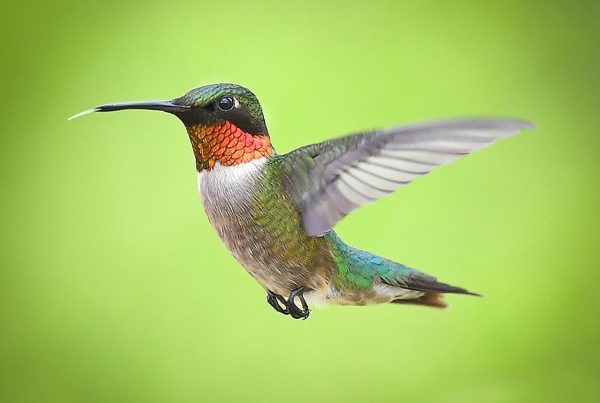
Ruby-throated Hummingbird
-
U.S./Canada Population Estimate: 7.7 million
-
Population Trend: Increasing
-
Habitat: Eastern forest
-
Threats: Cat predation, glass collisions
💡 Note: Adapts well to urban environments—nests have been found on extension cords and chains!
Black-chinned Hummingbird
-
U.S./Canada Population Estimate: 8.2 million
-
Population Trend: Increasing
-
Habitat: Western forest
-
Threats: Cat predation, glass collisions
💡 Note: Their eggs are smaller than jellybeans!
Anna’s Hummingbird
-
U.S./Canada Population Estimate: 8.2 million
-
Population Trend: Increasing
-
Habitat: Chaparral shrubland
-
Threats: Cat predation, glass collisions
💡 Note: Originally limited to southern California and Baja, they now breed as far north as British Columbia, thanks to introduced flowering trees.
Costa’s Hummingbird
-
U.S. Population Estimate: 1.6 million
-
Population Trend: Decreasing
-
Habitat: Desert scrub
-
Threats: Habitat loss, cat predation
💡 Note: Primarily found in the Southwest, but sightings extend as far as British Columbia and Alaska.
Broad-tailed Hummingbird
-
U.S. Population Estimate: 7.6 million
-
Population Trend: Decreasing
-
Habitat: Western forest
-
Threats: Cat predation, possible climate change
💡 Note: These mountain dwellers enter torpor—slowing their metabolism—to survive chilly nights.
Rufous Hummingbird
-
U.S./Canada Population Estimate: 19 million
-
Population Trend: Decreasing
-
Habitat: Western forest
-
Threats: Habitat loss, possibly climate change
-
Conservation Status: PIF Yellow Watchlist
💡 Note: Breeds as far north as southeastern Alaska—the northernmost breeding range of any hummingbird.
Allen’s Hummingbird
-
U.S. Population Estimate: 1.7 million
-
Population Trend: Decreasing
-
Habitat: Chaparral shrubland
-
Threats: Habitat loss, cat predation, possibly climate change
-
Conservation Status: PIF Yellow Watchlist
💡 Note: Breeds along the coastal areas of Oregon and California. It has two subspecies—S. s. sasin, which winters in Mexico, and S. s. sedentarius, which stays in the U.S. year-round.
Calliope Hummingbird
-
U.S./Canada Population Estimate: 4.5 million
-
Population Trend: Decreasing
-
Habitat: Western forest
-
Threats: Cat predation, glass collisions
💡 Note: One of the smallest birds in North America. It weighs about the same as a ping pong ball!
Broad-billed Hummingbird
-
U.S. Population Estimate: 200,000
-
Population Trend: Unknown
-
Habitat: Dry forest
-
Threats: Cat predation, glass collisions
💡 Note: Males perform dramatic courtship displays, swinging back and forth in a pendulum-like arc.
Buff-bellied Hummingbird
-
U.S. Population Estimate: 100,000
-
Population Trend: Unknown
-
Habitat: Dry forest
-
Threats: Cat predation, glass collisions, habitat loss
💡 Note: These hummingbirds breed in South Texas but travel northeast—a unique pattern among their kind.
Violet-crowned Hummingbird
-
U.S. Population Estimate: Under 200
-
Population Trend: Unknown
-
Habitat: Dry forest
-
Threats: Habitat loss, cat predation, possibly climate change
💡 Note: First nested in the U.S. in 1959 and remains a rare but exciting sight.
White-eared Hummingbird
-
U.S. Population Estimate: Fewer than 200
-
Population Trend: Unknown
-
Habitat: Pine-oak forest
-
Threats: Habitat loss, cat predation
💡 Note: Cherished summer visitors in Arizona since the 1890s. They’ll linger for weeks at feeders.
Different Types of Hummingbirds
Vagrants
Some hummingbirds visit the U.S. and Canada far outside their normal range. These vagrants often spark excitement among birders, and their presence may reflect shifting climates.
Mexican Violetear
-
Population Estimate: N/A (U.S./Canada)
-
Global Population Trend: Stable
-
Habitat: Montane forest clearings
-
Threats: Cat predation, glass collisions
💡 Note: Nomadic wanderers. Seen over 90 times in Texas, with rare sightings as far north as Canada.
Green-breasted Mango
-
Population Estimate: N/A (U.S./Canada)
-
Global Population Trend: Stable
-
Habitat: Forest edges, tall open areas
-
Threats: Cat predation, glass collisions
💡 Note: At least 20 sightings in Texas—this species has even reached Wisconsin!
Plain-capped Starthroat
-
Population Estimate: N/A
-
Global Population Trend: Stable
-
Habitat: Thorn forests, arid/semi-arid woodlands
-
Threats: Cat predation, glass collisions
💡 Note: It might look dull at first, but its throat glows brightly in the right light.
Amethyst-throated Mountain-gem
-
Population Estimate: N/A
-
Global Population Trend: Stable
-
Habitat: Humid evergreen & pine-oak mountain forests
-
Threats: Habitat loss, cat predation, glass collisions
💡 Note: First U.S. record in Texas, 2016—a rare and stunning gem.
Bahama Woodstar
-
Population Estimate: N/A
-
Global Population Trend: Stable
-
Habitat: Scrubby woods, gardens
-
Threats: Cat predation, glass collisions
💡 Note: Rarely migrates, but has been spotted in southeastern Florida.
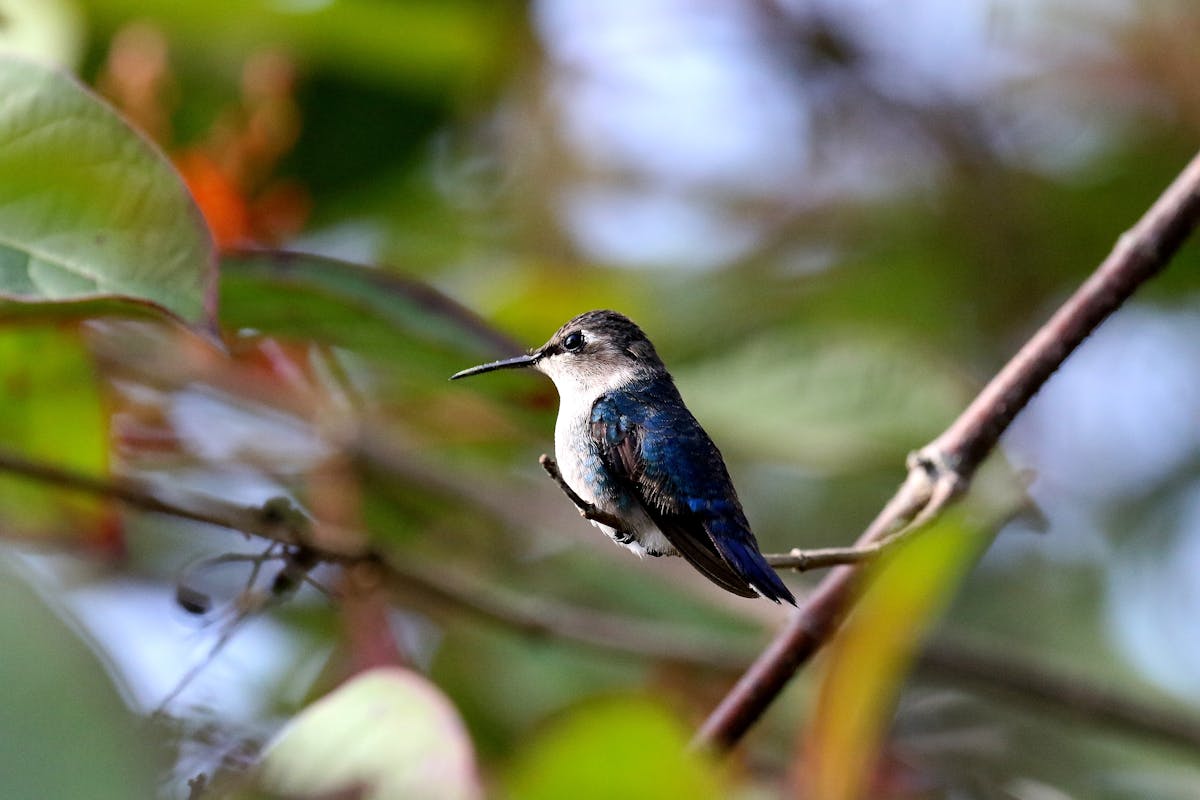
Bumblebee Hummingbird
-
Population Estimate: N/A
-
Global Population Trend: Stable
-
Habitat: Mountain forests with shrubby clearings
-
Threats: Habitat loss, glass collisions, cat predation
💡 Note: The second-smallest bird in the world—only Cuba’s Bee Hummingbird is tinier.
Xantus’s Hummingbird
-
Population Estimate: N/A
-
Global Population Trend: Stable
-
Habitat: Pine-oak woods, desert scrub
-
Threats: Habitat loss, glass collisions, cat predation
💡 Note: Native to Baja, but seen as far north as British Columbia.
Berylline Hummingbird
-
Population Estimate: N/A
-
Global Population Trend: Stable
-
Habitat: Mountain forests
-
Threats: Habitat loss
💡 Note: First U.S. appearance in 1964. Now regular summer guests in southeastern Arizona.
Cinnamon Hummingbird
-
Population Estimate: N/A
-
Global Population Trend: Stable
-
Habitat: Varies; often near feeding areas
-
Threats: Unknown
💡 Note: Aggressive defenders of their feeding grounds!

MD Imdadul Haque is the founder of BirdzFly, a research-backed resource on North American backyard birds. Drawing on years of independent study into bird identification, behavior, and migration patterns, he writes in-depth guides designed to help US birders understand the species in their own backyards — from common feeder visitors to seasonal migrants passing through.