
Hummingbirds in California
Introduction
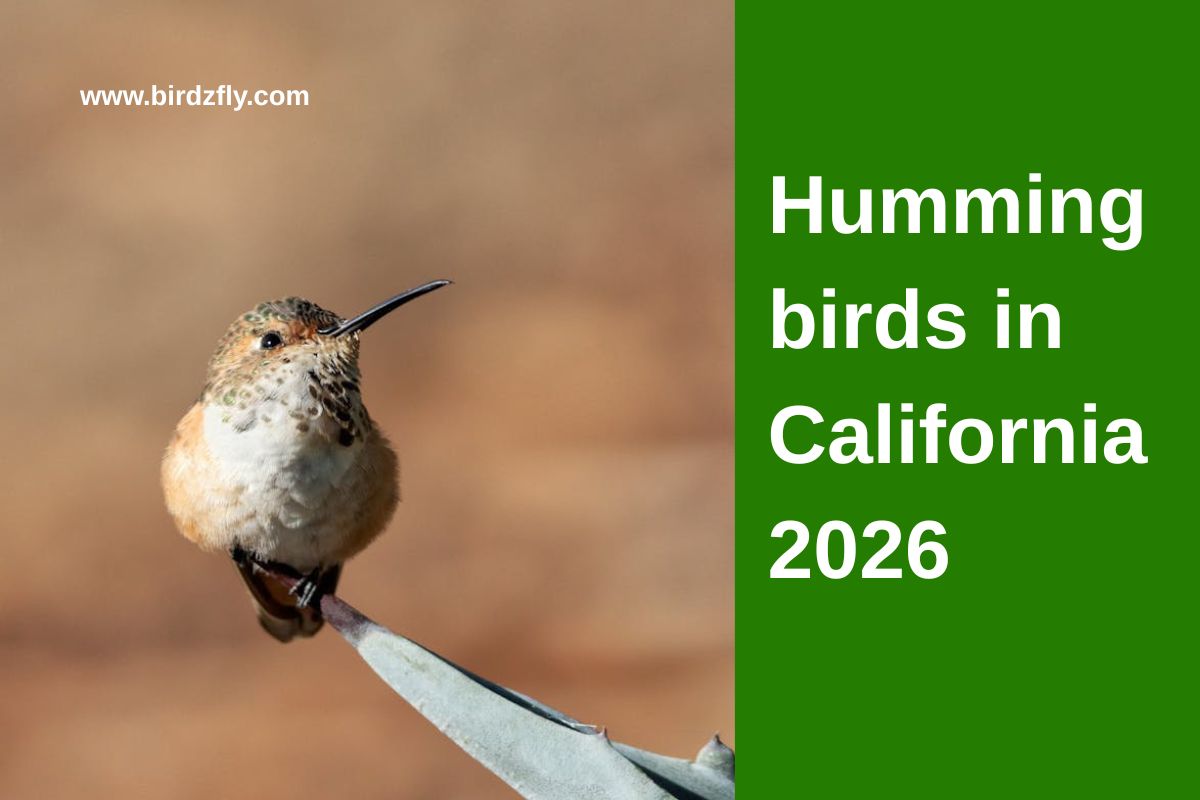
California offers one of North America’s most spectacular hummingbird watches. Unlike other states, California birders can enjoy hummingbirds all year long.
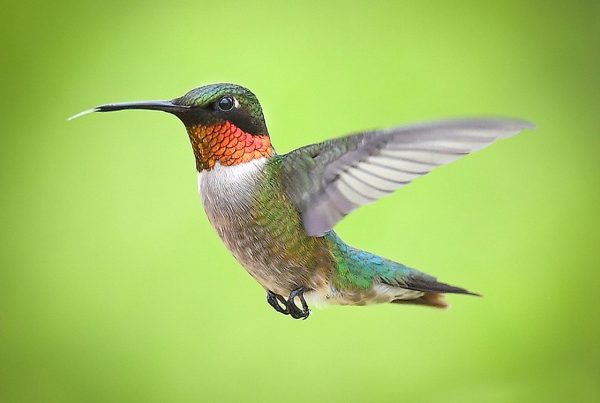
No other mainland US state has year-round hummingbirds like California. While the East Coast waits for its first Ruby-throated of spring, Anna’s Hummingbirds never leave. They visit feeders in January, sing from treetops in February, and nest during rain while northern states remain buried in snow.
With an amazing list of western species passing through in spring, summer, and fall, California competes with Texas and Arizona for the title of the best hummingbird state in America.
All Species of California Hummingbirds
Year-Round Resident
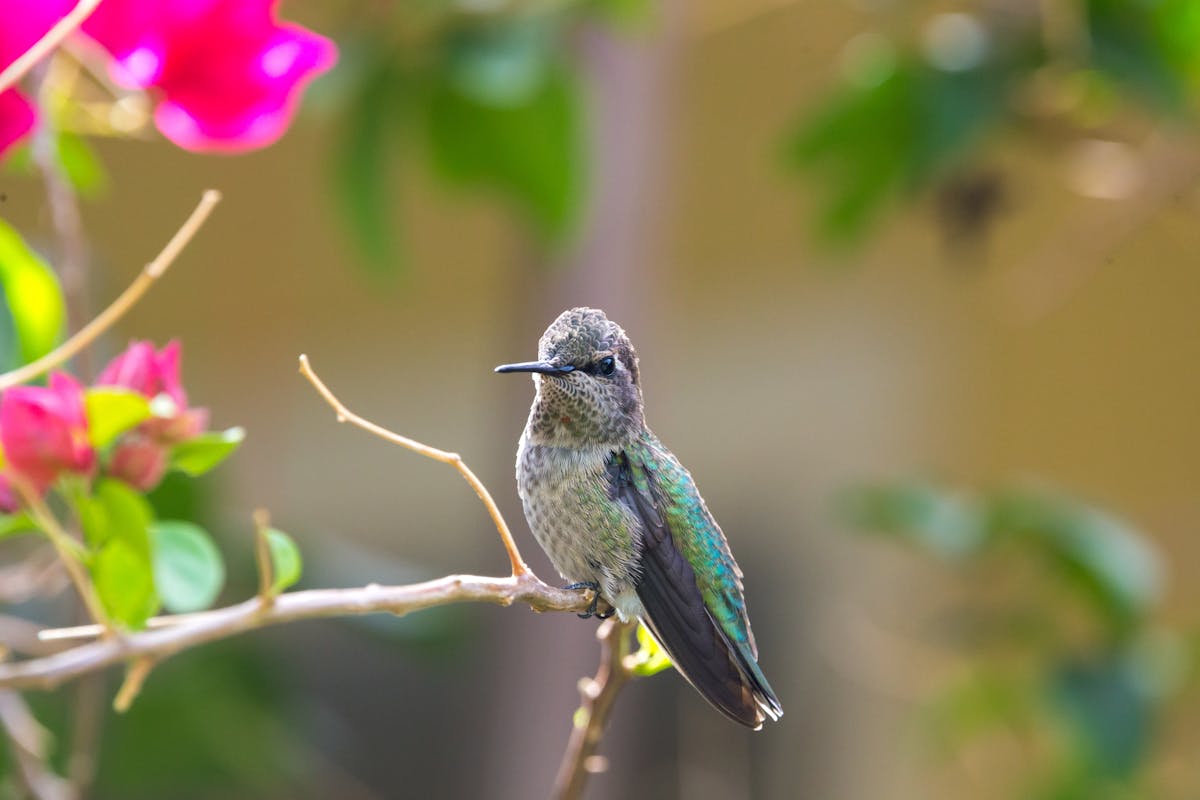
Anna’s Hummingbird (Calypte anna)
-
This is California’s official hummingbird.
-
It is our most common and adaptable year-round resident from Mexico to the Oregon border.
-
Males have a spectacular iridescent rose-pink head and throat.
Unique Traits:
-
One of the few hummingbirds that can sing.
-
Males perform a J-shaped dive display during courtship. They dive from over 100 feet and create an explosive “chip” with their tail feathers upon hitting the bottom.
Distribution:
-
Found throughout California all year. Common in coastal environments and valleys, but less so at high elevations.
Breeding Calendar:
-
Breeds as early as December or January.
-
Eggs are usually finished by February, coinciding with the blooming of floral chaparral plants.
Spring and Summer Visitors
-
Black-chinned Hummingbird (Archilochus alexandri)
-
Common in southern and central California.
-
Arrival: March to April (Southern CA), Mid-April to May (Northern CA)
-
Departure: September–October
-
-
Allen’s Hummingbird (Selasphorus sasin)
-
Males are bright orange-rufous.
-
Migratory subspecies arrives in late January.
-
Costa’s Hummingbird (Calypte costae)
-
The jewel of desert California.
-
Males have a stunning iridescent purple helmet.
-
-
Calliope Hummingbird (Selasphorus calliope)
-
The smallest bird in North America.
-
-
Broad-tailed Hummingbird (Selasphorus platycercus)
-
Mostly found in eastern mountains.
-
Known for its metallic trill.
-
-
Rufous Hummingbird (Selasphorus rufus)
-
Migrates northward in spring and south in late summer.
-
Adult males are vivid orange-red.
-
Rare and Vagrant Species
California’s geographic position and mild climate make it a hotspot for rare hummingbirds:
-
Broad-billed Hummingbird — Rare, southern California
-
Xantus’s Hummingbird — Rare from Baja California
-
Rivoli’s (Magnificent) Hummingbird — Extremely rare vagrant, highlands
-
Lucifer Hummingbird — Occasionally recorded
California Hummingbird Migration Calendar
Hummingbirds in California 2026
Southern California (LA, San Diego)
| Month | Species Activity |
|---|---|
| January–February | Anna’s Hummingbirds breed; Allen’s return |
| March–April | Black-chinned, Allen’s, and Costa’s arrive |
| May–July | Peak summer activity for all breeding species |
| August–September | Rufous Hummingbirds migrate |
| October–November | Rufous depart; Anna’s remain year-round |
| December | Year-round presence; rare winter visitors |
Feeder Tip: Keep feeders up all year. Anna’s Hummingbirds rely on them in winter.
Central California (Bay Area, Sacramento Valley)
| Month | Activity |
|---|---|
| January–February | Anna’s Hummingbirds breeding |
| March–May | Allen’s and Black-chinned arrive |
| June–August | Maximum activity; all breeding species present |
| September–October | Rufous migration |
| November–December | Anna’s year-round; occasional Rufous in winter |
Feeder Tip: Maintain feeders all year, with peak demand from March to October.
Northern California (Sacramento, Redding, Humboldt)
-
Similar to Bay Area, but migration is about 2–4 weeks later.
Mountain California (Sierra, mountains over 5k ft)
In summer, Calliope, Broad-tailed, and Rufous Hummingbirds frequent mountain meadows as they migrate north to breed.
How to Attract California Hummingbirds
California Hummingbird Native Plant Guide
Effective native plants for attracting hummingbirds include:
-
Salvia (Sage) species — Hummingbird magnets.
-
Hummingbird Sage (Salvia spathacea) — Low, magenta flowers.
-
Cleveland Sage (Salvia clevelandii) — Fragrant and drought tolerant.
-
Fuchsia-flowered Gooseberry (Ribes speciosum) — Winter-blooming shrub.
-
Monkey Flower (Mimulus/Erythranthe) — Tubular flowers loved by hummingbirds.
-
Penstemon species — Tubular flowers for hummingbirds.
-
Toyon (Heteromeles arbutifolia) — Winter berries and summer flowers.
Feeder Tips for California
-
Keep feeders clean and change nectar often, especially in cold weather (under 40°F).
-
Wrap feeders for insulation or take them inside overnight during freezing temperatures.
-
Use multiple feeders to reduce territorial disputes.
Nectar Recipe: Mix 1 part sugar to 4 parts water. Avoid red dye, honey, or artificial sweeteners.
Top California Hummingbird Watching Locations
-
Palomar Mountain State Park — Great diversity with Black-chinned and Calliope in summer.
-
Kern River Valley — Huge variety, including Calliope, Black-chinned, and Rufous.
-
Tuolumne Meadows / Yosemite National Park — Beautiful setting with Calliope and Rufous.
-
Mojave Desert — Costa’s Hummingbirds during spring.
-
Point Reyes National Seashore — Early arrivals of Allen’s Hummingbirds.
FAQ
Q: Do hummingbirds reside in California all year round? A: Yes! Anna’s Hummingbirds are year-round residents, even in winter.
Q: When should I put up my hummingbird feeders? A: You can set them up all year, especially for Anna’s Hummingbirds.
Q: What is the most common species of hummingbird in California? A: The Anna’s Hummingbird is the most common, while Black-chinned is widespread in summer.
Conclusion
California has incredible hummingbird diversity, from the ever-present Anna’s to the seasonal wave of other species. Enjoy their beauty in your backyard!

MD Imdadul Haque is the founder of BirdzFly, a research-backed resource on North American backyard birds. Drawing on years of independent study into bird identification, behavior, and migration patterns, he writes in-depth guides designed to help US birders understand the species in their own backyards — from common feeder visitors to seasonal migrants passing through.