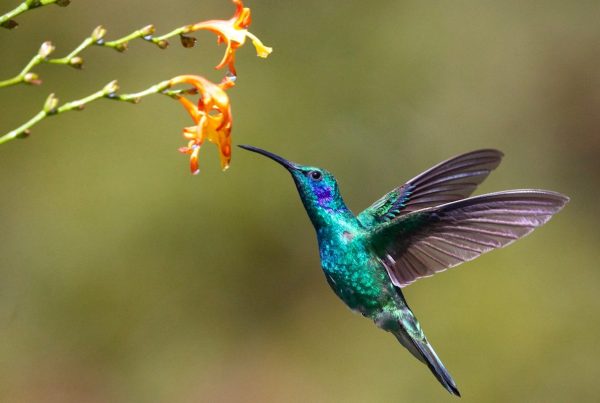

Introduction
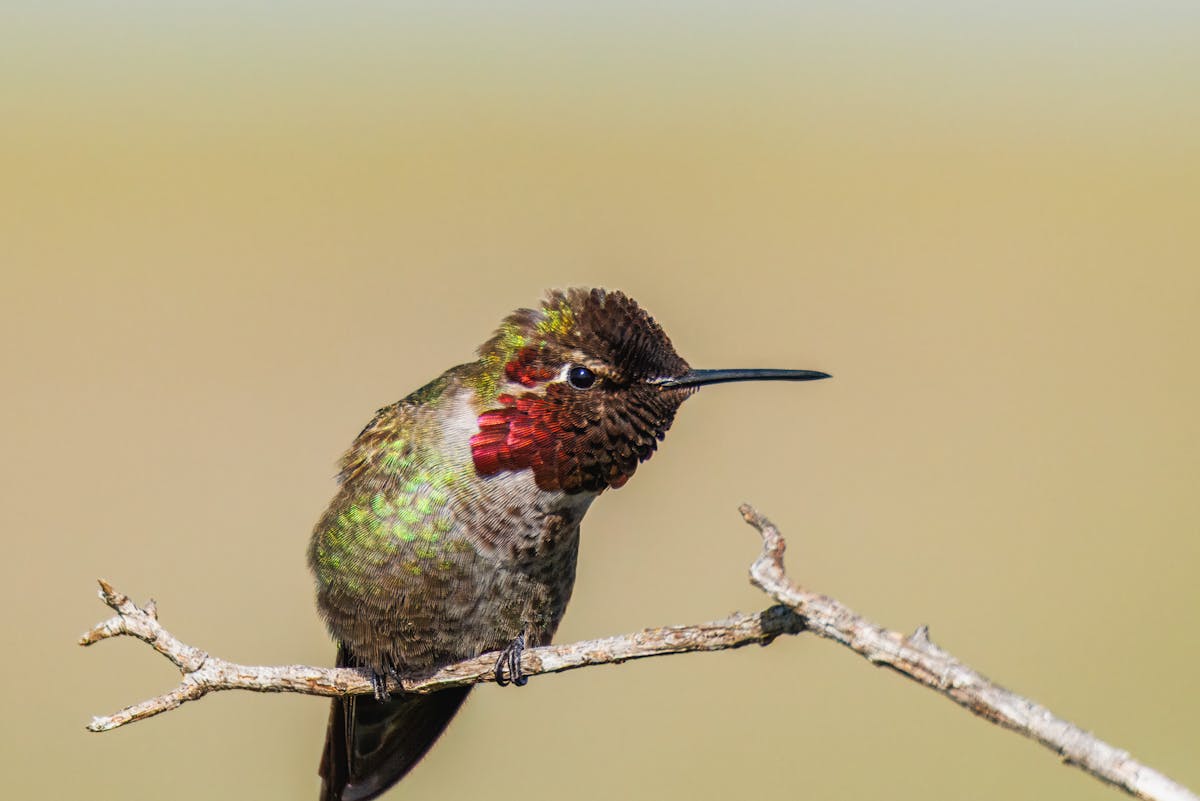
Hummingbirds Fall Migration in Massachusetts
Hummingbirds’ Fall Migration in Massachusetts? Even though they’re small (about the weight of a penny), they migrate hundreds of miles each year. They travel from Canada in the north to Costa Rica in the south during the fall. They usually leave Massachusetts by mid-September, with males generally leaving first. As summer fades to fall in Massachusetts, bird lovers often wonder: Should I take down my hummingbird feeder now, or can I leave it up a little longer? One highlight of the season is watching the tiny ruby-throated hummingbirds. These little puffs of feathers weigh less than a penny and zip through gardens. But September is near, and with it, their long southern journey.
There’s a real worry, for many: if I leave a feeder out, will it trick hummingbirds into sticking around too long, endangering their survival? Others are concerned that taking feeders out too early could deprive birds of crucial energy they need before migrating. To clear up the confusion, let’s explore how hummingbird migration works. We’ll also see what makes Massachusetts unique and discuss the best time to take in the feeders.
Understanding Hummingbird Migration
Migrating is nothing less than a miracle. The ruby-throated hummingbirds in Massachusetts face a tough challenge as they fly south for the fall. It’s a long and demanding journey. These small birds travel thousands of miles. They fly from Canada to wintering spots in southern Mexico and Central America.
In Massachusetts, they begin flying south around the end of August and into September. Males typically leave first, sometimes as early as September, and females and juveniles soon after. By mid September, most have departed the area and by October they are few and far between.
The trigger for their move is your backyard feeder — it’s the shortening of the day combined with genetic programming. Even if a feeder is full of nectar, they are forced to get going. But feeders are important in helping them get fat before they take off. Hummingbirds can double their weight by storing fat. This fat fuels their nonstop flights across the Gulf of Mexico. They can fly up to 500 miles in one tough journey.
Knowing this natural cycle can help you make decisions about when and how to offer feeders during migration.
The Ruby-Throated Hummingbird in Massachusetts
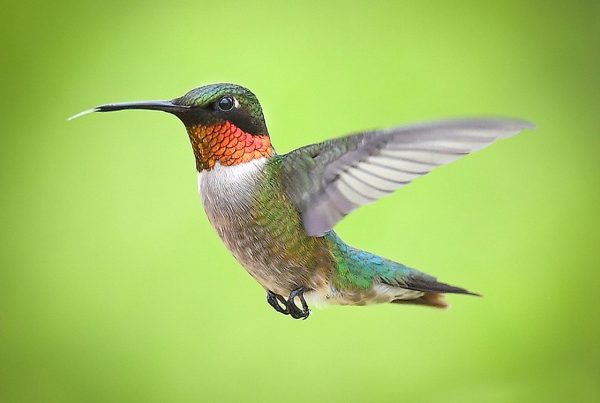
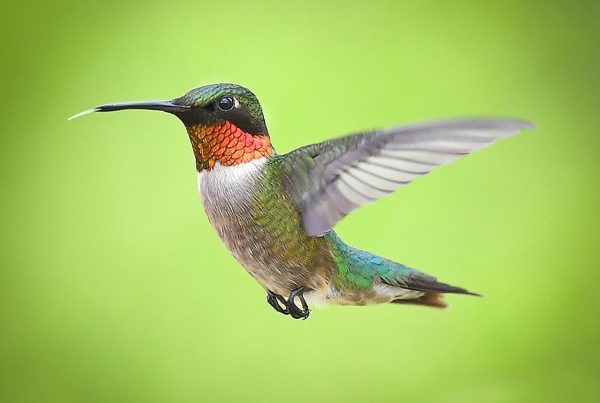
If you live in Massachusetts, a ruby-throated hummingbird (Archilochus colubris) is probably visiting your nectar feeder. It is the only hummingbird species that breeds in the eastern United States and the only one you’re likely to see in the Bay State.
The males are easy to spot, shining green on their backs and the brilliant ruby-red patch on their throats, flashing in the sunlight. Females and juveniles are less colorful. They are mostly a greenish gray and lack the distinct throat patch.
Ruby-throats usually arrive in Massachusetts in May. They come after spring blooms and insects appear for feeding. These birds stay through the summer breeding season. In that season, you can spot them darting between flowers. They sip nectar and sometimes catch small insects on the wing for protein.
But by late August, changes in the length of the day and the temperature indicate that it’s time to pack and get ready for the long journey south. Sightings taper off as days slip by, and by mid-September, the majority of ruby-throats are already well on their way to Central America.
For birders, the changing seasons bring both joy and sadness. They feel joy when the birds return in spring and sadness when they leave in fall.
What To Do With Your Hummingbird Feeder
And this is where confusion can be aroused. Many are afraid that leaving too many feeders up too long will keep hummingbirds from migrating. The reality? That’s a myth.
Hummingbirds are natural migrators: they do so because of their own internal biological clock, not because of if food can be found. A full trough isn’t going to “convince” them to stay. Feeders are a blessing during migration season. They offer a steady nectar source when natural flowers begin to fade.
That said, experts such as those at Mass Audubon suggest taking down feeders the earlier the better — before the weather gets too cold. Feeders won’t interfere with migration, but if you leave them outside in freezing temperatures they could be dangerous. Nectar can freeze and damage a bird’s bill, and feeders that are not kept clean can have dangerous mold or bacteria growing in them.
So the lesson is: don’t be in such a hurry to get those feeders down. Keep them up until the end of September to catch stragglers and late migrants. Just make sure to bring them inside once cold weather stays consistently cold.
Dangers of Keeping Feeders Out Too Long
Feeders are useful early in the migration season, but leaving them out too late can present dangers.
- Nectar Freezing:When temperatures drop to near freezing, the nectar in the feeder can freeze. Not only does this make it undrinkable, but it can actually injure a hummingbird’s delicate bill as it tries to feed.
- Disease Worries: Feeders that don’t get regular cleanings can develop mold and bacteria that can lead to fatal infections among the birds. This risk is greater in colder climatic areas and when nectar can be stagnant for longer periods before refilling.
- Sick Birds Stay Longer: Healthy hummingbirds will migrate regardless, but injured or sick birds may stay longer at feeders. It’s a good reminder to keep feeders clean and safe for birds that stay late in the season.
In summary, feeders are valuable if managed properly, but they shouldn’t stay out when the snow flies.
When to Remove Feeders in Massachusetts
For Massachusetts, the typical rule is you should take down the feeders at least two weeks after your last hummingbird sighting. Most males leave first, starting in early September. Females and young birds follow by mid- to late-September. So, most feeders can come down by the end of the month.
If you live in a warm hummingbird area or see a bird at your feeder in October, you can keep your feeder up a bit longer. Just be careful about temperatures and remove feeders before they could freeze on a regular basis.
This method is a compromise. It feeds migrating birds when they need it most. It also protects against freezing nectar and unsafe feeding conditions later in the season.
The Importance Of Feeders For Migration Prep
Before they embark on their long southern-bound migration, hummingbirds accomplish an incredible feat. These little birds will almost double their own body weight, laying down fat that will be fuel for continuous flying that can last for 20 hours at a time. Most would not make it across the Gulf of Mexico without this energy stash.
Feeders are extremely important in this development stage. Natural nectar from flowers is important for food. However, fall gardens don’t bloom as much, and insect populations decrease as temperatures drop. A clean feeder is a healthier Hummingbird feeder. It provides a reliable source of high-energy nectar. This helps boost the Hummingbird population and keeps these beautiful birds visiting your feeder.
The sugar water solution accurately simulates the natural nectar that contains the calories that hummingbirds need to get fat, fast. When they eat insects for protein, it helps them prepare for endurance flights. These flights require stamina similar to that of marathon runners.
For bird enthusiasts (or birders) in Massachusetts, leaving the feeders up through September is one of the best ways to help these birds directly in their migration. It’s not just the pleasure of witnessing hummingbirds — it’s about taking part in the story of their survival.
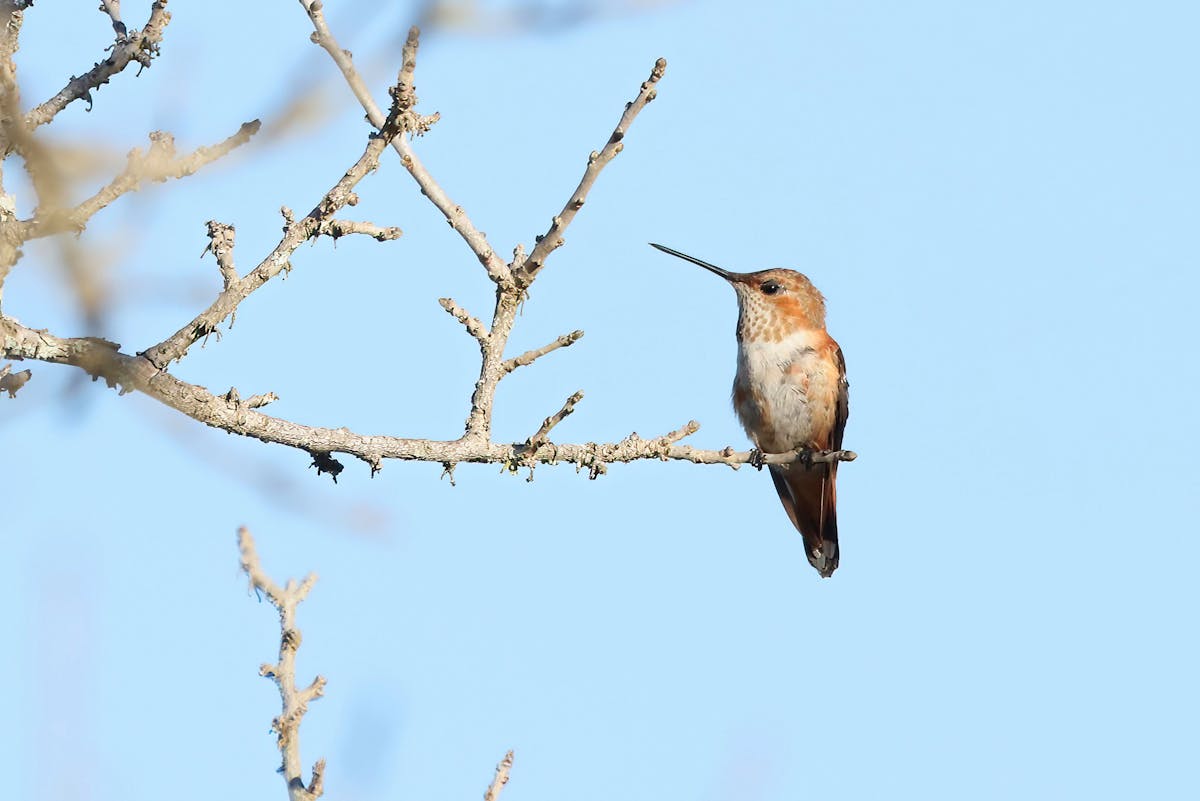
Hummingbirds Fall Migration
Do Feeders Delay Migration?
This is among the most frequently asked questions, year in and year out. No, feeders don’t delay migration, the short answer, is no.
Research shows that hummingbirds gather their cues from the environment, particularly the length of the day, to decide when to start their travel. Late summer days shorten, and their programming tells them to head south regardless of whether there’s still food around.
Healthy birds will always migrate, but there are rare exceptions. Injured or sick birds may also remain near feeders longer because they can’t make the trip right away, Dr. Millette said. That’s not to say that the feeder delays things —it merely supplies a needed food source for birds that immediately wouldn’t migrate anyway.
Think of it as the way you pack for travel: You don’t cancel the trip just because you have extra food on hand; you know you’ll be able to eat well on the road. The same is true of hummingbirds — feeders aid what they do naturally, they don’t induce migration.
Regional Migration Patterns Beyond Massachusetts
Hummingbird migration is not the same across the U.S. The time frame when you’ll find hummers departing from your locations depends on where you are located.
- Tennessee: Hummingbirds remain until late September, and some until early October. Operationally migration peak is Mid-August to early September.
- North Carolina: The migration is still going strong into October, with some birders reporting that they’re still seeing activity at their hummingbird feeders through Halloween.
- Texas: September is peak hummingbird season. Because Texas is on a major flyway, birders in the Lone Star State tend to get stellar shows of migrating ruby-throats.
- Louisiana: The state is an important way station. The hummingbirds will be replaced by a few hundred of swallows, if they fly-down with the flocks later in the month. Louisiana is also home to wintering species such as the rufous and black-chinned hummingbirds.
That is why feeder timing matters, and a comparison of Massachusetts to these other states reveals that. In the Northeast, migration wraps up far earlier than in the South, so feeders also are likely to come down for the season sooner in order to prevent cold-weather hazards.
Hummingbird Central and Tracking Migration
If you’ve ever wondered just where hummingbirds are in their migration — well, so have a lot of people. Hummingbird Central is a community-generated tracking project that bird lovers around the country participate in.
A real-time bulletin board for reporting hummingbird sightings. Those sightings are compiled into migration maps to help others know when to expect hummingbirds in their area. For Massachusetts, after, they typically die down by mid-September, but in the South, you can have them going into October.
Engaging in this sort of citizen science doesn’t just connect you to the wider birding world, it also has conservation significance. Every sighting helps us understand migration patterns. This includes when they migrate, where they go, and how their seasonal behavior changes over time.
By responsibly maintaining their feeders and documenting what they see, backyard birdwatchers are contributing in however small a way to the scientific effort to understand and protect these incredible birds.
Attracting Hummingbirds Before They Leave
Even as hummingbirds are getting ready to depart Massachusetts in September, you can still make your yard a friendly pit stop on their way south. By offering food, shelter and water you make the environment too attractive to resist.
How to Attract Hummingbirds Late Summer, Early Fall:
• Flowers: Set out late blooming natives such as bee balm, jewelweed and trumpet vine. These types of blooms are not only nectar-rich, but as the source of hummingbird fuel, the sugar in nectar powers these little birds.
• Feeders: Maintain feeders with fresh sugar-water solution in them. Change it every couple of days to prevent it from spoiling.
• Perches: Hummingbirds need to rest in between consumes of nectar. Thick branches, stood thin or even specially designed hummingbird perches allow them a place to rest and conserve energy.
• Insects: Do not use pesticides, which kill small insects that hummingbirds eat to supplement their sugar diet. You might place overripe fruit outside to attract fruit flies, which are a frequent snack.
• Water features: Hummingbirds adore misting fountains, or shallow water for bathing and sipping.
By adding feeders and a hummingbird-friendly habitat, you’re not just offering a snack. You’re helping them refuel for their journey. This way, they leave Massachusetts strong and ready for their southbound migration.

MD Imdadul Haque is the founder of BirdzFly, a research-backed resource on North American backyard birds. Drawing on years of independent study into bird identification, behavior, and migration patterns, he writes in-depth guides designed to help US birders understand the species in their own backyards — from common feeder visitors to seasonal migrants passing through.