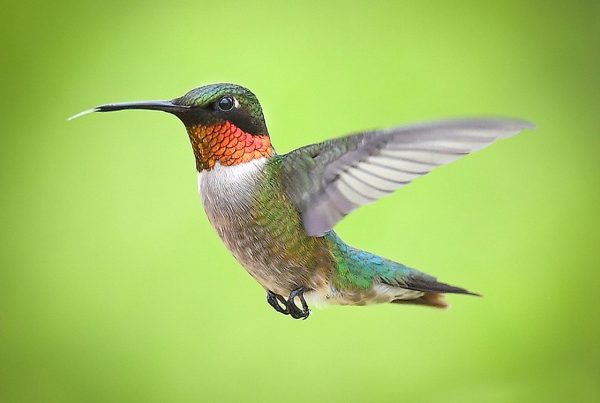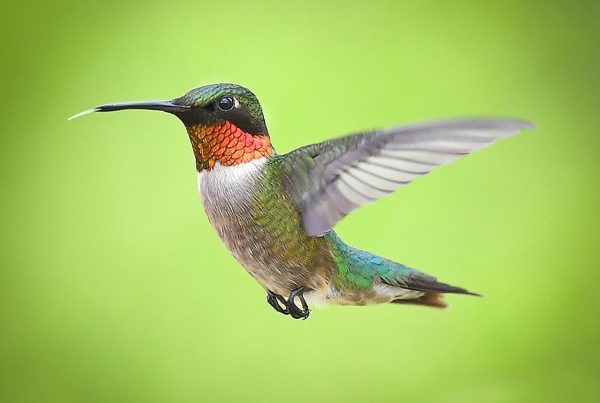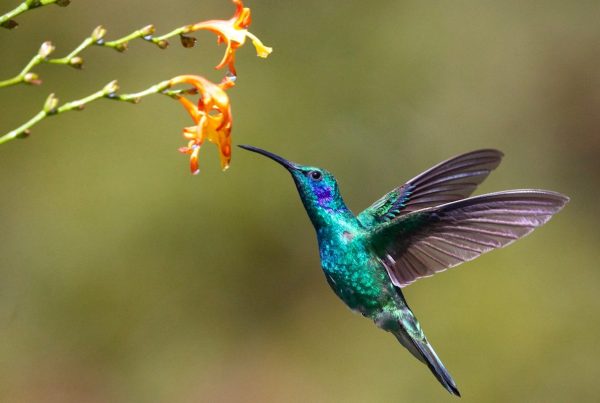

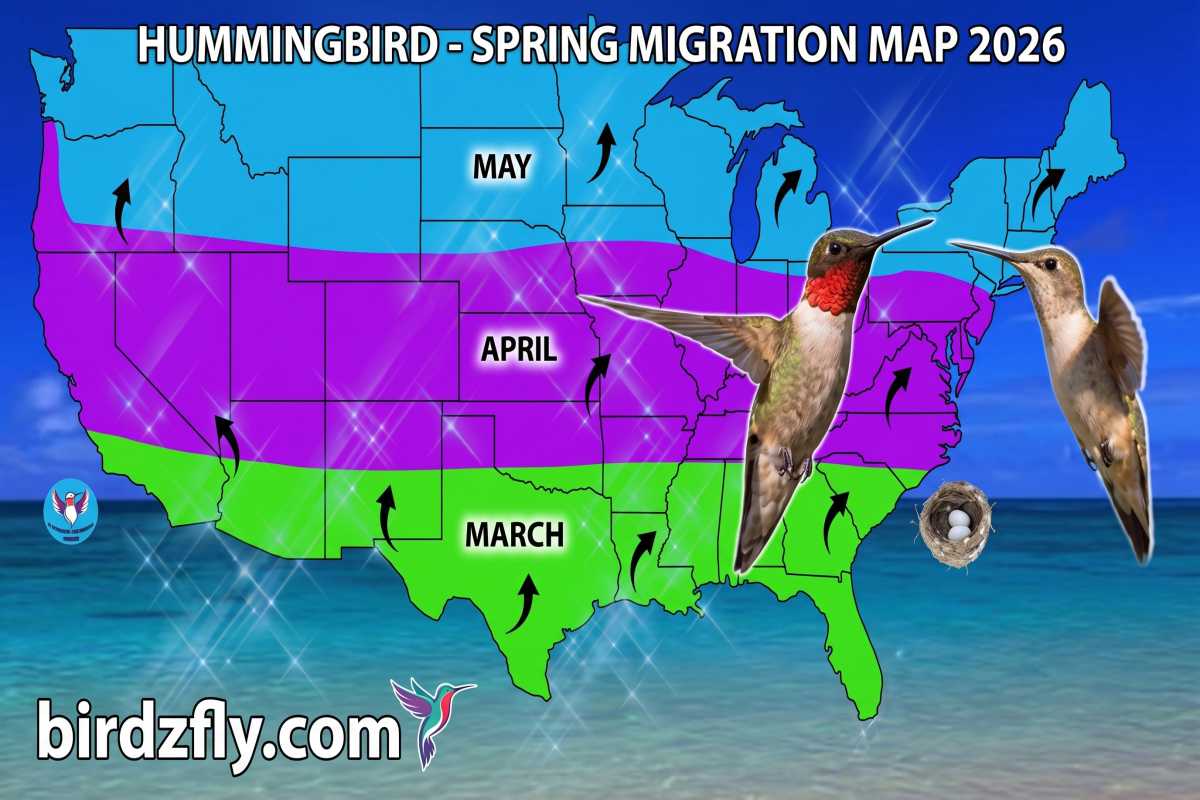
Ruby Throated Hummingbird Migration Map
Introduction
Everything you need to know about the Hummingbird Migration Map 2026 is right here! This guide offers science-based information and practical tips.
Hummingbird migration is a hot topic, receiving hundreds of thousands of searches each month. Learning about these amazing creatures helps us appreciate the natural world around us.
Whether you’re a beginner or an experienced birder, this guide has something for everyone.
Part 1: Important Facts and Overview
Key Facts You Need to Know
-
Biology and Identification
-
Understanding the physical traits of hummingbirds is crucial. Focus on:
-
Color patterns
-
Size differences
-
Unique behaviors that set them apart from similar species
-
-
-
Geographic Distribution
-
Hummingbirds are found in specific regions based on habitat and seasonal needs. Experienced birders learn to anticipate these patterns.
-
-
Ecological Role
-
Hummingbirds play a vital role in ecosystems, including:
-
Pollination
-
Seed dispersal
-
Predator-prey relationships
-
-
Part 2: Seasonal Variations and What to Anticipate
Spring (March–May)
-
Spring is when hummingbirds are most active. Look for:
-
Males singing to establish territories
-
Courtship displays
-
Nest building
-
Summer (June–August)
-
This season is all about nesting and raising young. Expect to see:
-
Fledged youths at feeders
-
Increased activity as parents feed their offspring
-
Fall (September–November)
-
Fall migrations may seem quiet, but experts appreciate them. Watch for:
-
Longer stays of spring species
-
Challenging plumage identification
-
Winter (December–February)
-
Winter challenges birds to find food. Your bird feeders and native berry plants are crucial during this time.
Part 3: Identification Guide
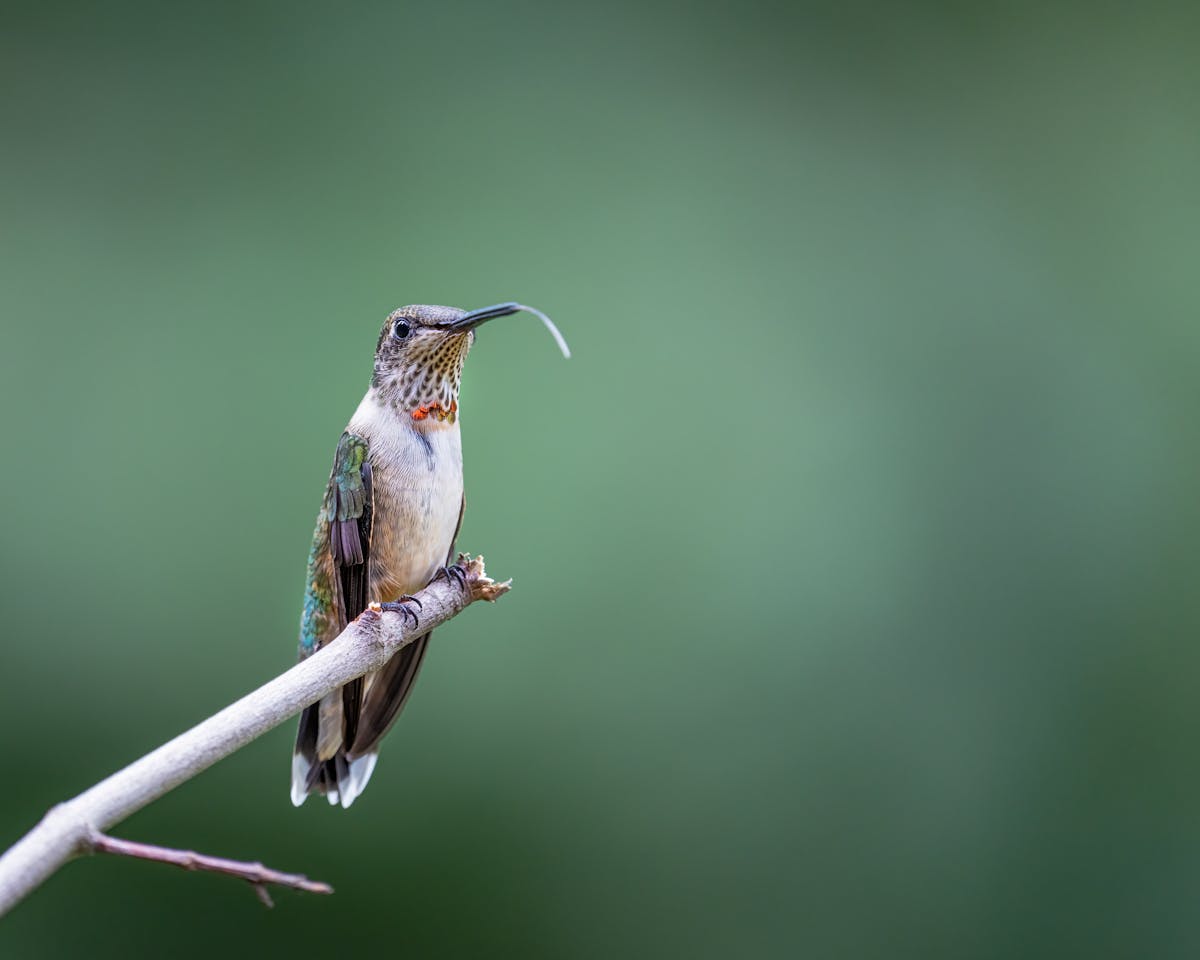
Ruby Throated Hummingbird Migration Map 2026 USA Today
Size and Shape
-
Start with size comparisons. Use familiar birds as a reference, such as:
-
Sparrow size
-
Crow size
-
Key Field Marks
Focus on these characteristics:
-
Head pattern: Cap color, eye stripe, eye ring
-
Bill shape and length
-
Wing pattern: Bars, patches, streaking
-
Tail shape and color
-
Underpart color and pattern
Behavior
Observe how birds act. Here are some examples:
-
Does it creep up tree trunks? (Nuthatch)
-
Does it pump its tail? (Wagtail)
-
Does it hover before diving? (Kingfisher)
Part 4: Attracting and Phasing
Food and Feeding
To attract hummingbirds, provide the right food. Consider:
-
Native plants that offer berries and seeds
-
Feeders for close-up viewing
Water
-
A bird bath can attract many species. Keep the water fresh and change it every 2–3 days.
Shelter and Nesting
-
Birds need shelter from shrubs, brush piles, and mature trees. A yard with food, water, and shelter works best.
Observation Tips
-
Sit still for 10–15 minutes to observe.
-
Early morning hours are the best for activity.
Conservation and Common Concerns
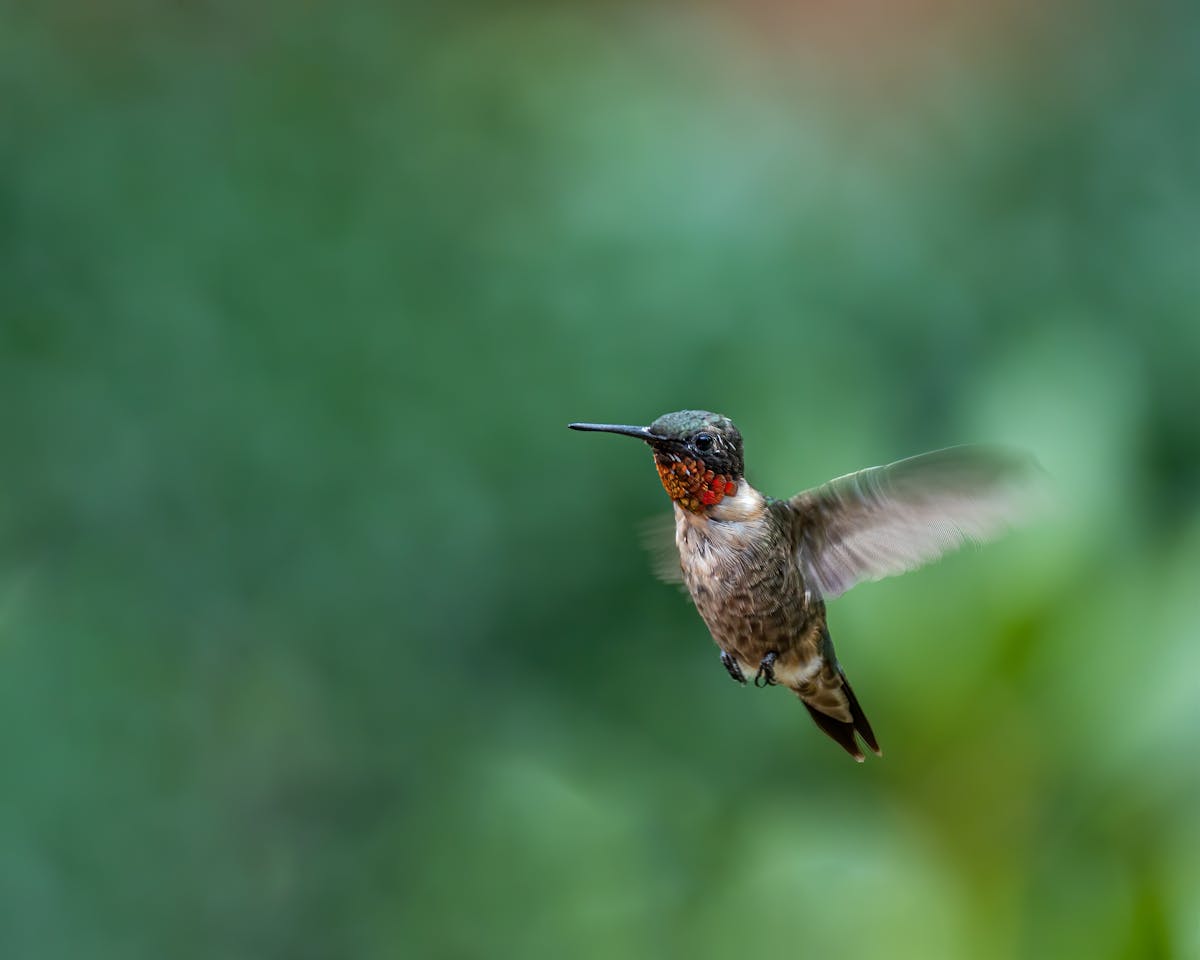
Throated Hummingbird Migration
Population Trends
Research shows that North American bird species have decreased by 3 billion birds since 1970. This decline is due to habitat loss, window collisions, and more.
What You Can Do
Small actions can make a big difference:
-
Keep cats indoors
-
Use window collision avoidance strategies
-
Grow native plants in your garden
-
Reduce pesticide use
-
Support conservation organizations
Climate Change
Climate change affects bird migration and habitat. Supporting policies to address climate change is essential for conservation.
Section 6: Frequently Asked Questions
Q: When is the best time of year to see hummingbirds?
A: Early morning is the best time for activity and visibility.
Q: What gear do I need to start birdwatching?
A: A pair of binoculars (8×42 recommended) and the Merlin Bird ID app are great tools.
Q: What should I do if I find an injured bird?
A: Place it in a dark box for up to 1 hour. If it’s severely injured, contact a local wildlife rehabilitator.
Conclusion
The Hummingbird Migration Map 2026 reflects a growing interest in nature and observation. Whether you are a beginner or an experienced birder, welcome to this journey.
Start with a feeder, install the Merlin app, and step outside. The wonders of the natural world await you!
For more bird guides and tips, visit BirdzFly or the American Birding Association.

MD Imdadul Haque is the founder of BirdzFly, a research-backed resource on North American backyard birds. Drawing on years of independent study into bird identification, behavior, and migration patterns, he writes in-depth guides designed to help US birders understand the species in their own backyards — from common feeder visitors to seasonal migrants passing through.