
Robins Eat
Introduction
If you’re wondering what do robins eat, you’re in the right place. This guide offers facts, tips, and practical information for birders and nature lovers.
The topic of what robins eat gets hundreds of thousands of searches each month. It reveals a glimpse of nature that many people overlook daily.
This is the most detailed and actionable guide on this topic. Whether you’re a beginner or an expert, you’ll find something new and useful here.
Important Facts
Biology and Identification
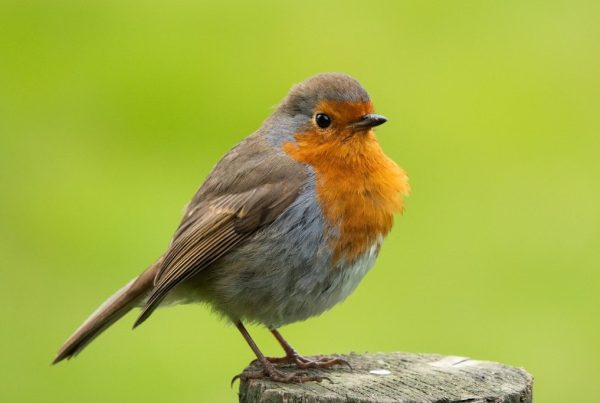
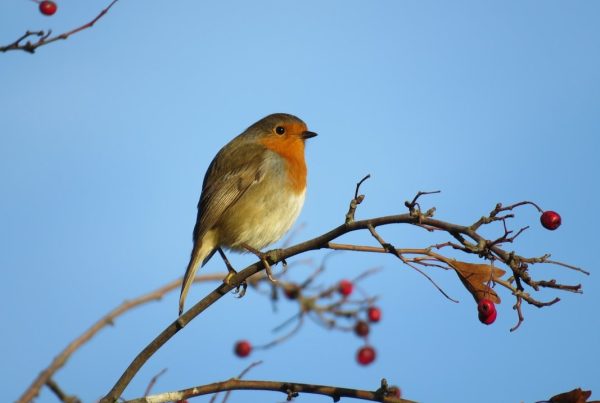
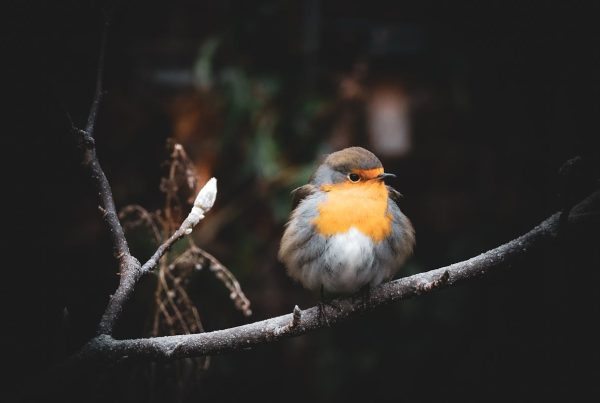
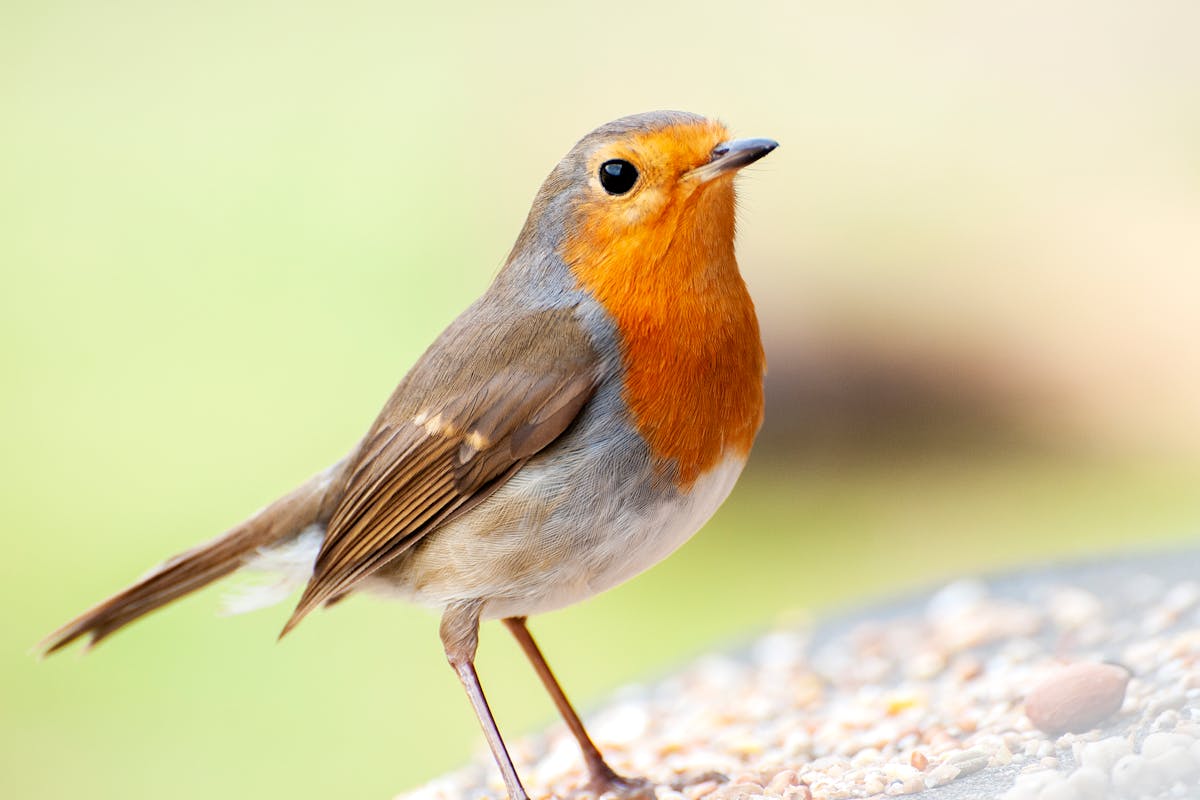
Understanding robins starts with their physical traits. Their size and behavior can help with identification, especially when comparing them to other birds.
Geographic Distribution
Robins are found in different areas depending on the season and habitat. Experienced birders can learn to predict their movements based on:
-
Habitat needs
-
Migration timing
-
Population trends
Ecological Role
Robins play a significant role in the ecosystem. They help with:
-
Pollination
-
Seed dispersal
-
Predator-prey dynamics
Seasonal Trends
Knowing robins’ seasonal habits can enhance your observing experience.
Spring (March–May)
Spring is the active season for robins. Look for:
-
Singing males
-
Courtship displays
-
Nest sites
Summer (June–August)
During summer, nesting occurs. You’ll see:
-
Parents feeding young
-
Dawn chorus
Fall (September–November)
Fall migration is exciting. Look for:
-
Juveniles with unique plumage
-
New species arriving
Winter (December–February)
In winter, robins gather around food sources like:
-
Feeders
-
Native berry-producing plants
Identification Guide
Size and Shape
Start with size. Compare unknown birds to common ones like blackbirds or sparrows.
Key Field Marks
Focus on:
-
Head pattern (cap color, eye stripe)
-
Beak shape and size
-
Wing pattern
-
Tail shape
-
Underpart color
Behavior
Bird behavior is a quick way to identify species. Ask yourself:
-
Does it creep up trees?
-
Does it pump its tail?
-
Does it hover before diving?
Attracting and Observing Robins

Robins Eating
Create conditions that attract robins and other wildlife.
Food and Feeding
To attract robins, provide:
-
Native plants that produce berries
-
Seeds
-
Insects
Water
A birdbath with moving water is a great attractant. Change the water every 2–3 days.
Shelter and Nesting
Provide:
-
Dense shrubs
-
Brush piles
-
Cavity boxes
Observation Tips
-
Stay still for 10–15 minutes.
-
The first hour after sunrise is peak activity.
-
Use the Merlin Sound ID app to detect birds.
Conservation & Common Concerns
Population Trends
A recent report shows a loss of ~3 billion birds in North America since 1970. Contributing factors include:
-
Habitat loss
-
Window collisions
-
Outdoor cats
-
Pesticide use
What You Can Do
Individual actions matter. Consider:
-
Keeping cats indoors
-
Installing window crash protection
-
Native landscaping
-
Reducing pesticide use
-
Supporting conservation organizations
Climate Change
Climate change affects migration timing and food availability. Support policies that help mitigate its effects.
Frequently Asked Questions
Q: When do robins eat? A: Robins are most active during the early morning.
Q: What do I need to get started? A: Binoculars (8×42 recommended) and the free Merlin Bird ID app.
Q: Where can I learn about birds? A: Join a local Audubon chapter or take online courses from the Cornell Lab of Ornithology.
Q: What should I do if I find an injured bird? A: Put it in a dark box and wait up to one hour before releasing. Contact a local wildlife rehabilitator if needed.
Q: Can I join birding groups? A: Yes! Search for your county Audubon Society or local clubs.
Conclusion
The topic of what robins eat connects to a growing appreciation for nature. Whether you’re a beginner or an experienced birder, welcome! Nature is amazing and right at your doorstep.
Start with a feeder, install the Merlin app, and step outside in the morning. The rest will follow.
Discover more bird guides and seasonal tips at BirdzFly.com, your premier online birding education resource.