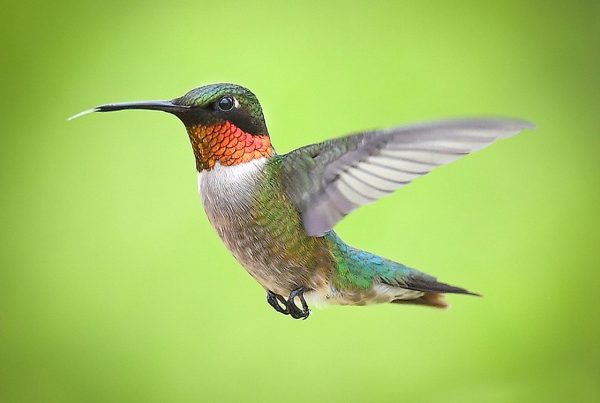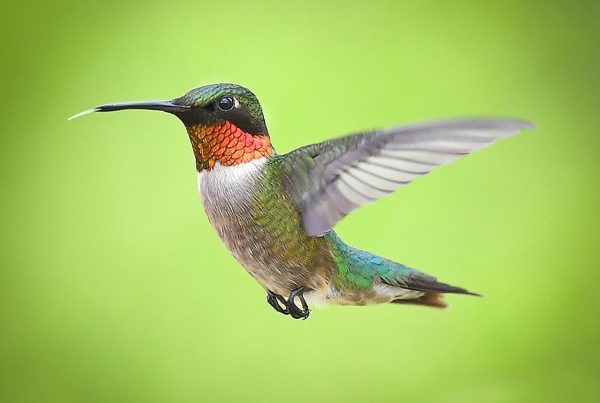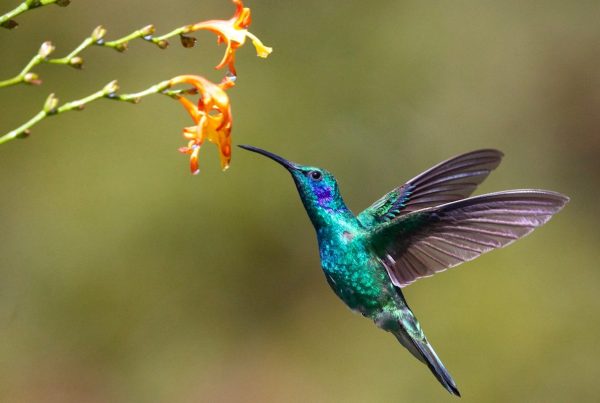

Hummingbirds on Flower
Introduction
This guide covers everything you need to know about Pennsylvania hummingbirds. It is filled with facts, tips, and insights to help you enjoy these amazing birds. The Pennsylvania Hummingbirds topic receives many queries every month, and for good reason. These charming birds offer a glimpse into nature that many people overlook.
We aim to make this guide the most comprehensive and useful resource available. Whether you are a curious novice or a seasoned birder, you will learn something valuable here.
Part 1: Basic Facts and General Description
The first thing to know about Pennsylvania hummingbirds is their widespread appeal. Interest in this topic has grown recently due to:
-
Increased engagement with nature
-
A rise in birdwatching
-
Conservation efforts
What to Know
Here are the essentials:
Point 1: Biology and Identification
To see hummingbirds in Pennsylvania, you must know their physical traits. Key identifying characteristics include:
-
Color patterns
-
Size compared to other species
-
Distinctive behaviors
Point 2: Geographic Distribution
Hummingbird distribution varies by:
-
Region
-
Season
-
Habitat type
Birders learn to anticipate these patterns.
Point 3: Ecological Role
Hummingbirds play a vital role in Pennsylvania’s ecology. They are crucial for:
-
Pollination
-
Seed dispersal
-
Predatory-prey relationships
-
Indicators of environmental health
Seasonal Patterns
Understanding the seasonal patterns helps you find and appreciate hummingbirds in Pennsylvania.
Spring (March–May)
Spring is a busy time for birds. Look for:
-
Males singing in territories
-
Courting behavior
-
Nesting activity
-
Migrants returning from the south
Summer (June–August)
Summer brings nesting and fledglings. Feeders fill up as parents bring their young to eat.
Fall (September–November)
Fall migration can be exciting. Many spring birds linger, but identifying juveniles can be challenging.
Winter (December–February)
In winter, birds cluster around reliable food sources. Your feeders become essential.
Section 3: Identification Guide
Correctly identifying a bird is key to birdwatching. Here’s how to do it step by step.
Size and Shape
Start with size. Compare unknown birds to familiar ones:
-
Sparrow size
-
Robin size
-
Crow size
-
Goose size
Key Field Marks
Focus on:
-
Anatomical body color (wing bar, tail stripe)
-
Beak shape and length
-
Wing patterns
-
Tail shape and color
-
Underpart color and pattern
Behavior
Observe how birds move:
-
Do they creep up tree trunks? (nuthatch or creeper)
-
Do they pump their tails? (wagtail, waterthrush)
-
Do they hover before diving? (kingfisher, kestrel)
Hummingbirds on Flower
Section 4: Attraction and Observation
Creating the right conditions in your yard can attract hummingbirds.
Food and Feeding
Use the right food to attract the right birds. Consider:
-
Native plants with berries and seeds
-
Feeders for close-up views
Water
A bird bath with running water is powerful. Change the water every 2–3 days to draw in birds.
Shelter and Nesting
Provide shelter with:
-
Dense thickets
-
Mature trees with cavities
A yard with food, water, and shelter is unbeatable.
Observation Tips
-
Be patient: Stay still for 10–15 minutes.
-
Observe during early morning.
-
Use the Merlin Sound ID app to find hidden birds.
-
Keep a log of your sightings.
Section 5: Conservation Concerns
Population Trends
A study warns that around 3 billion birds have vanished from North America since 1970. Key issues include:
-
Habitat loss
-
Window collisions
-
Outdoor cat predation
-
Pesticide impacts
What You Can Do
Your actions matter. Consider:
-
Keeping cats indoors
-
Preventing window collisions
-
Planting indigenous species
-
Reducing pesticide use
-
Supporting conservation organizations
Climate Change
Climate change affects bird populations by altering migration and habitats. Support policies to combat climate change.
Section 6: Frequently Asked Questions
Q: When is the season for hummingbirds in Pennsylvania?
A: Spring and early summer are best for visibility, especially early mornings.
Q: What equipment will I need to start?
A: Binoculars (8×42 is ideal) and the free Merlin Bird ID app are essential. A field guide and eBird app are helpful but not mandatory.
Q: How do I learn more about birds and wildlife?
A: Volunteer with a local Audubon chapter, join eBird’s community science program, or take free online courses.
Conclusion
The story of hummingbirds in Pennsylvania is part of a larger movement toward nature and observation. Whether you are a curious novice or a seasoned birder, welcome. Nature is amazing, and it is right outside your door.
Start with a feeder. Install Merlin. Step outside in the morning. The rest will follow.
Find more bird guides, identification help, and seasonal tips at BirdzFly.com – your go-to resource for birding education in America.

MD Imdadul Haque is the founder of BirdzFly, a research-backed resource on North American backyard birds. Drawing on years of independent study into bird identification, behavior, and migration patterns, he writes in-depth guides designed to help US birders understand the species in their own backyards — from common feeder visitors to seasonal migrants passing through.