
Colors Attract Birds
Birds see color differently than we do — they have a fourth type of color receptor for ultraviolet light, which means they’re picking up patterns on flowers, feathers, and berries that are completely invisible to us. That sensitivity matters practically when you’re setting up a yard to attract specific birds.
The short version: red and orange for hummingbirds and orioles, yellow for goldfinches, blue for bluebirds, natural wood tones for cautious ground-feeding species. But there’s more to it than that.
Red and Orange: Hummingbirds and Orioles
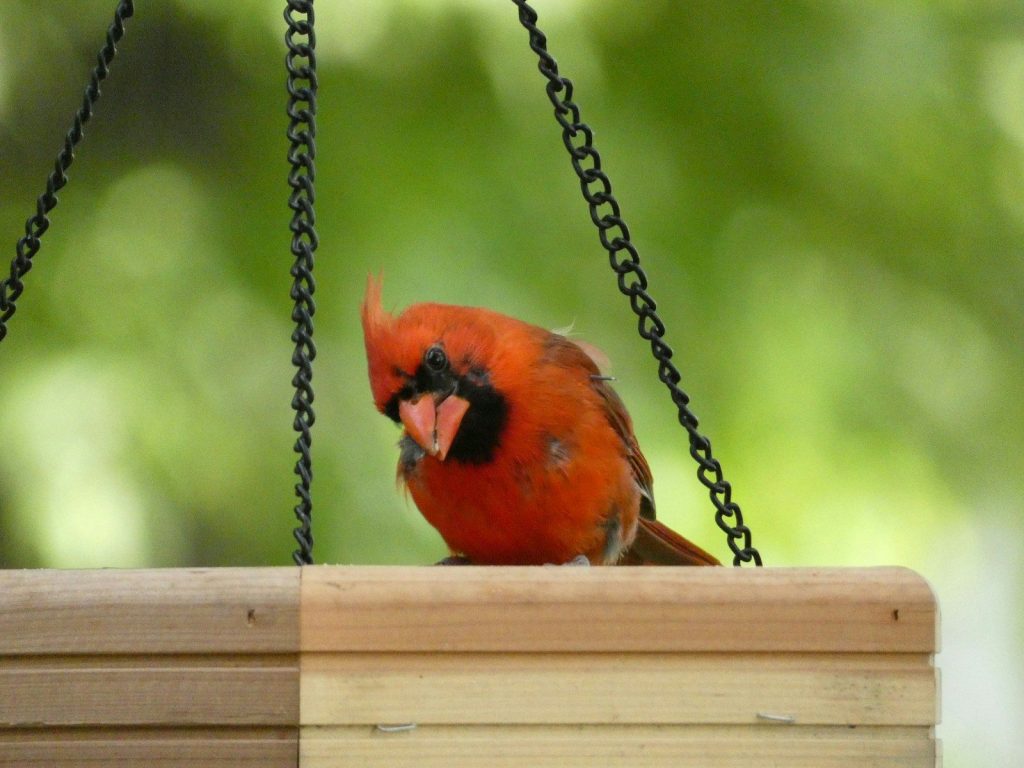
Red is the most thoroughly documented attractant color in birds. Hummingbirds are strongly drawn to red and orange — these are the colors of the high-nectar tubular flowers they evolved to feed from. This is why most hummingbird feeders are red.
You don’t need red dye in the nectar. A red feeder does the signaling work. Red-dyed nectar is actually something to avoid — there’s no evidence it helps and some evidence it’s harmful.
Baltimore and Bullock’s Orioles respond similarly to orange. Orange feeders and orange halves put out in late April bring orioles in reliably. The color matches the wild fruits they’re feeding on during migration.
Works for: Ruby-throated Hummingbird, Anna’s Hummingbird, Baltimore Oriole, Bullock’s Oriole
Apply it: Red or orange feeders; red tubular flowers — trumpet vine, salvia, bee balm, cardinal flower
Colors Attract Birds
Yellow: Goldfinches and Warblers
American Goldfinches are drawn to yellow feeders and yellow flowers. Their own plumage is bright yellow, and they associate the color with food sources — particularly sunflowers and coneflowers. Yellow nyjer feeders consistently outperform plain ones for goldfinches.
Yellow also works for Yellow Warblers, Common Yellowthroats, and several other warblers that feed on insects near yellow-flowering plants.
Works for: American Goldfinch, Lesser Goldfinch, Yellow Warbler
Apply it: Yellow nyjer feeders; native sunflowers, coneflowers, black-eyed Susans
Blue: Bluebirds and Blue Jays
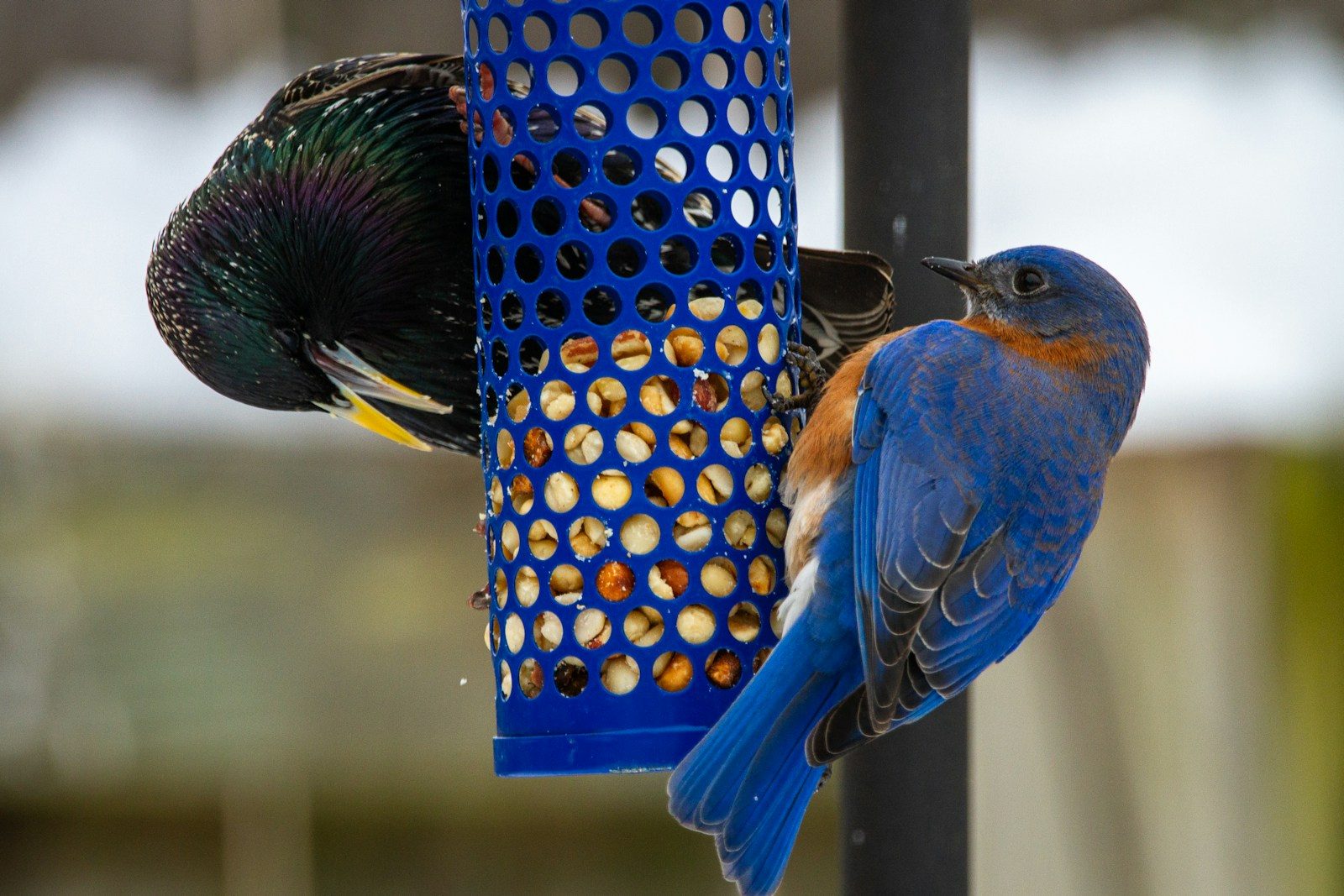
Research shows bluebirds inspect blue-accented nest boxes more often than unpainted ones. The color likely signals a safe, established territory to prospecting pairs. Blue Jays are generalists that will come to almost any feeder with sunflower seeds, but they do respond to blue visual cues in habitat.
Works for: Eastern Bluebird, Western Bluebird, Blue Jay
Apply it: Blue-accented nest boxes; blue morning glories near boxes
Natural Wood and Earth Tones: Cautious Species
Not every bird wants to visit something brightly colored. Many ground-feeding and forest species — sparrows, towhees, thrushes, woodpeckers — feel safer approaching feeders and nest boxes that blend with the environment. A bright red birdhouse can actually make cautious species less comfortable, not more.
Unpainted cedar feeders and natural wood boxes attract a wider range of species overall than highly colored setups. The tradeoff is that they don’t stand out to the specialist species the way red or yellow does.
Works for: Carolina Wren, Dark-eyed Junco, Eastern Towhee, Song Sparrow, Downy Woodpecker
Apply it: Unpainted cedar feeders and houses; natural wood perches
What to Avoid
White is associated with alarm signals in many species — white tail patches when deer flee, white wing patches when alarmed birds take off. A very white feeder or nest box can make cautious species hesitant. It’s not a hard rule, but it’s worth keeping in mind.
Highly reflective metallic surfaces can also put birds off, especially when they catch strong sunlight. Matte finishes tend to work better than shiny ones.
Quick Reference
| Color | Best For | How to Use It |
|---|---|---|
| Red / Orange | Hummingbirds, Orioles | Red feeders, orange halves, red flowers |
| Yellow | Goldfinches, Warblers | Yellow feeders, sunflowers, coneflowers |
| Blue | Bluebirds, Blue Jays | Blue nest boxes, blue flowers nearby |
| Natural wood | Sparrows, Wrens, Woodpeckers | Unpainted cedar feeders and houses |
FAQ
What’s the best color to attract birds generally?
Red attracts the most species reliably, especially hummingbirds. For the widest variety, natural wood tones with red or orange accents is a good combination.
Do birds like bright colors?
Depends on the species. Hummingbirds and orioles respond strongly to red and orange. Many other species prefer natural, muted tones.
What color attracts hummingbirds?
Red and orange. The feeder color does the work — no red dye needed in the nectar.
What color birdhouse attracts the most birds?
Unpainted cedar for the widest variety. Blue accents for bluebirds specifically. Avoid white or bright colors on nest boxes.
For more on attracting specific species, see our guides on feeding cardinals and flowers that attract hummingbirds.

MD Imdadul Haque is the founder of BirdzFly, a research-backed resource on North American backyard birds. Drawing on years of independent study into bird identification, behavior, and migration patterns, he writes in-depth guides designed to help US birders understand the species in their own backyards — from common feeder visitors to seasonal migrants passing through.

