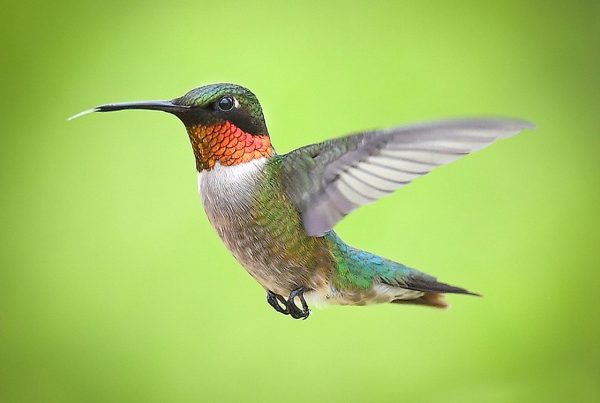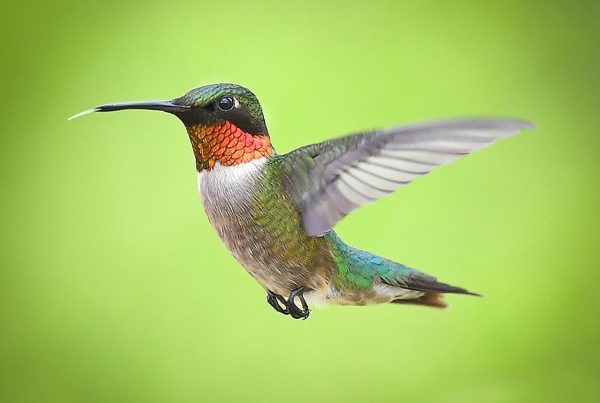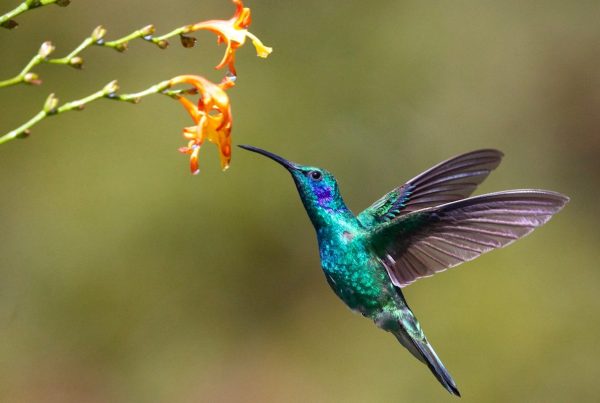

Spring through fall, hummingbird season is a pleasing time of year for backyard birders. We all relish watching our favorite flying jewels zip and flitter among which purple blossoms or from flower to hummingbird feeder. That said, the season becomes a little less fun when things go wrong with your feeders — and especially if they leak. Here are several reasons your hummingbird feeder is leaking — and several ways you might be able to fix it.

Hummingbird Feeder
Issues With the Seal
If your feeder is a few years old, check the seal (sometimes referred to as a gasket) and ensure that it hasn’t worn down or cracked. A defective seal could cause the sugar water to spill out. Also, notes the article, full feeders retain their contents better than ones with low levels.
If a bad seal is to blame for your leak problem, you may be able to replace it (check with the feeder manufacturer, or see if there’s a local bird feeding store) or seal it with nontoxic materials. If leaks are not cut off, then you might want to buy a new feeder if a leak, is a common expectation for it, as these leaks tend to attract ants and other insects.
Leaking Dirty Hummingbird Feeder
Dirty hummingbird feeders can develop sugar or dirt and gunk in the ports. So when this occurs, the feeder may leak because the seal can no longer properly close off the sugar-water. Fortunately, this one is an easy error to correct: remember to clean your hummingbird feeder twice a week during hot weather, and at least once a week when the weather cools off.
Crack in Hummingbird Feeder
Inspect your feeder for cracks or chips if it is made from glass or plastic. An injured feeder might be dripping sugar-water — and starving your hummingbirds. Like bad seal problems, the feeder may be repairable (always use nontoxic materials that squeamish hummingbirds will not find dangerous) but it’s time to get a new feeder.

Fixing a Leaking Feeder
Weather-Related Problems
When it’s hot, the sugar-water in your feeder can expand. This ends up putting additional pressure down on the seal and possibly leaking out the hummingbird food. As the temperature drops, the pressure releases and the leak should cease. On hot summer days, you could try moving the feeder to a shadier location.
Wind can also move the hummingbird feeder, causing it to tip to the side and spill. This might be a concern, and, if so, you could remove the feeder occasionally, on a windy day. Big glass feeders are typically heavier and not as prone to tipping.
Reader Becky Smock Ellison comments, “I have glass feeders that are heavy enough not to swing back and forth in the wind. They leak from the feeding places when they swing in the wind.”
Try a Saucer Feeder
If you want to use a less-leak-prone overall hummingbird feeder, consider adding a saucer-style hummingbird feeder to your yard. A saucer feeder has a shallow bowl of sugar-water beneath the perches instead of an inverted bottle in the center of the feeder affixed to a base.
Since the openings are elevated, a saucer feeder doesn’t need to have the sugar-water flow down and so leaks are often not an issue. That means a saucer feeder will last longer — and hummingbirds feed from it in the same way.
Consumer Veronica Lobmeyer advises: “Purchase a saucer type rather than the gravity-fed one, for gravity-fed [feeders] always leak eventually.

MD Imdadul Haque is the founder of BirdzFly, a research-backed resource on North American backyard birds. Drawing on years of independent study into bird identification, behavior, and migration patterns, he writes in-depth guides designed to help US birders understand the species in their own backyards — from common feeder visitors to seasonal migrants passing through.