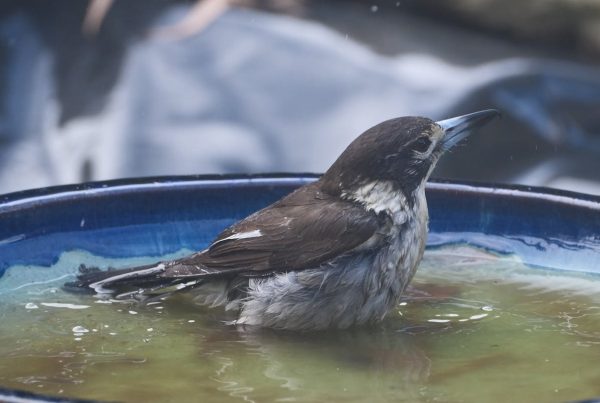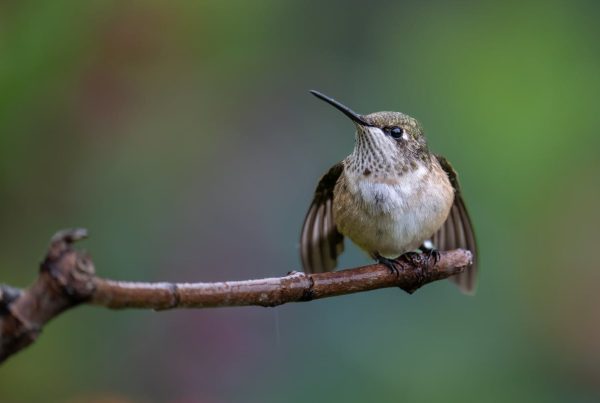
A bird’s beak reveals almost everything about how it lives — what it eats, where it forages, even how it courts a mate. Most beaks are unremarkable, shaped for a generalist diet of seeds and insects. But a few North American species have beaks so distinctive they’re essentially the bird’s defining feature. Here are 10 species with the most specialized large beaks, and what each one is built to do.
1. American White Pelican
The longest beak of any North American bird — 13 to 14 inches, with an expandable pouch beneath that can hold up to 3 gallons of water and fish. Unlike Brown Pelicans, American White Pelicans don’t dive for fish; they swim on the surface and scoop, sometimes working cooperatively in groups to herd fish into shallow water where the whole flock feeds at once.
2. Brown Pelican
Famous for the spectacular plunge-dive — folding back and dropping from 20-60 feet directly into the water to trap fish in the throat pouch. The pouch can hold up to 2.6 gallons, and a unique network of air sacs under the skin cushions the impact of the dive.
3. Roseate Spoonbill
The flattened, spoon-shaped bill is unlike anything else in North American birdlife. Spoonbills sweep the bill side-to-side through shallow water, snapping shut the instant it detects a small fish or crustacean by touch — they don’t need to see the prey at all, which lets them feed effectively in murky water.
4. Black Skimmer
The only North American bird with a lower bill distinctly longer than the upper. Skimmers fly low over calm water with the lower bill slicing the surface, snapping shut automatically the instant it contacts a fish — a feeding method unique among the world’s birds.
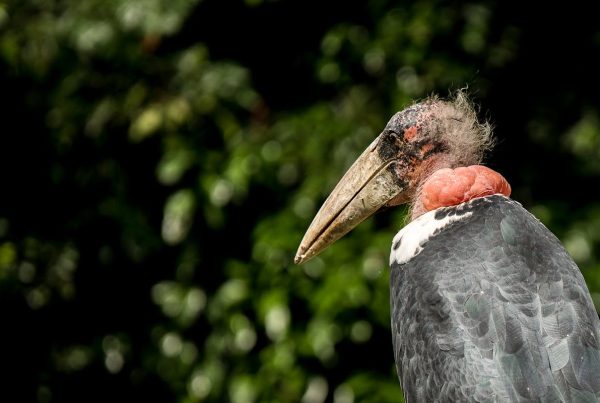
5. Wood Stork
A heavy, slightly downturned bill built for one of the fastest reflexes in the bird world — Wood Storks can snap their bill shut in as little as 25 milliseconds after detecting prey by touch, one of the fastest reaction times recorded in any vertebrate.
6. Great Blue Heron
A long, dagger-like bill used for a sudden forward strike rather than scooping. Great Blue Herons stand motionless for long periods, then strike with enough speed and precision to spear fish, frogs, and even small mammals through the body.
7. Northern Shoveler (and other shoveler-type ducks)
An oversized, spoon-shaped bill lined with comb-like projections called lamellae. Shovelers swim with the bill partly submerged, filtering tiny invertebrates and seeds from the water — essentially functioning like a sieve.
8. American Woodcock
A long, straight bill with a flexible tip that can open independently of the rest of the bill while still inserted in soil — allowing the Woodcock to grab earthworms several inches underground without having to open the whole bill.
9. Red-breasted Merganser (and other mergansers)
Unlike most ducks, mergansers have a thin, serrated bill lined with backward-pointing ridges — built specifically for gripping slippery fish rather than filtering plant material like most waterfowl.
10. Pileated Woodpecker
Not large in the showy sense of a pelican, but the heaviest, most powerful chisel-bill of any North American woodpecker — capable of excavating rectangular holes over a foot long into solid dead wood to reach carpenter ant colonies. See our complete guide on the Pileated Woodpecker.
What Beak Shape Tells You About a Bird
Beak shape is one of the fastest ways to predict a bird’s diet and feeding behavior before you even see what it’s doing:
- Long and pointed — Spearing prey (herons) or probing for insects (woodcocks)
- Flat and spoon-shaped — Filtering or touch-sensing prey in water or mud (spoonbills, shovelers)
- Pouched — Scooping and holding fish (pelicans)
- Hooked — Tearing flesh (raptors, vultures)
- Short and thick conical — Cracking seeds (finches, grosbeaks)
FAQ: Birds with Big Beaks
What North American bird has the longest beak?
The American White Pelican, with a bill measuring 13-14 inches — the longest of any bird regularly found in North America.
Why do pelicans have pouches?
The expandable throat pouch holds water and fish during feeding, acting as a temporary net rather than permanent food storage. Pelicans drain the water before swallowing fish.
What bird snaps its bill shut the fastest?
The Wood Stork, with a touch-triggered bill-snap reflex of around 25 milliseconds — among the fastest reaction times documented in any vertebrate.
For more distinctive bird identification, see our guides on heron vs egret and black vulture vs turkey vulture.

MD Imdadul Haque is the founder of BirdzFly, a research-backed resource on North American backyard birds. Drawing on years of independent study into bird identification, behavior, and migration patterns, he writes in-depth guides designed to help US birders understand the species in their own backyards — from common feeder visitors to seasonal migrants passing through.