
hummingbirds eat
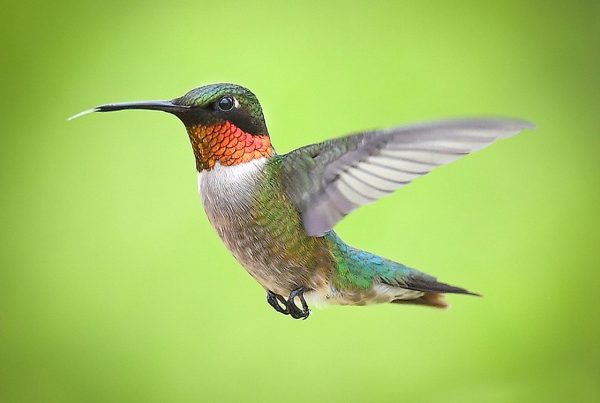
Hummingbirds are for sure one of the most captivating birds in this world with a high metabolism. They are fun to watch for their pretty and cheerful colors and incredible flying abilities. But how these tiny birds dine is also fascinating.
In this article, we will dive into the diet plan of hummingbirds from their favorite food to their diet for the seasons (summer, spring, fall, and winter). So here we are: the hummingbird diet routine:
What do all hummingbirds eat?
Hummingbirds have an extensive menu list for this keeps up their energy, protein, minerals, and salts. Nectar is their primary and most significant food. Nectar gives them the necessary sugar required by their lifestylenectar. But they also eat insects and spiders for protein. Insider’s Full Diet List: Let us take a closer look at their diet.
What do hummingbirds eat the most of?
Nectar
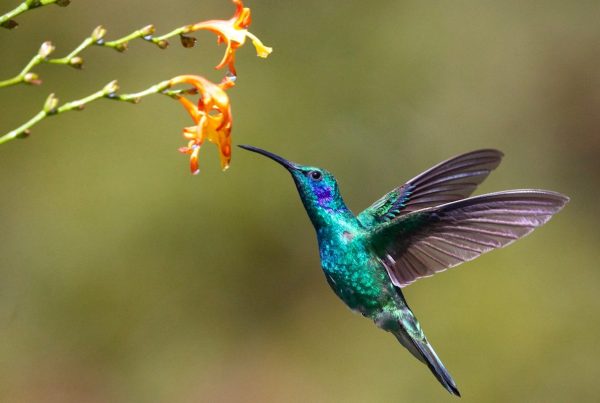
Hummingbirds eat all sorts of different foods for energy, protein, minerals, salt, and all sorts of things. Nectar is the most vital food that hummingbirds prefer to consume. The most common food they feed on is nectar. Most hummingbirds feed on nectar from a variety of flowering plants. Hummingbird Nectar consists of 20% of sugar. Hummingbirds sip nectar from all kinds of different flowers, including bee balm, salvia, cardinal flowers, petunias, and others. These flowers are long and tubular, making them easy pickings for hummingbirds to get their long bills inside. But for now, as a solution, people will help sustain them by feeding them sugar water every day.
Insects and Spiders
Nectar is the main source of energy for all species of hummingbirds. Hummingbirds require protein as well as energy. Insects such as spiders, mosquitoes, aphids, and fruit flies provide them with protein. They consume small pests like gnats, fruit flies, spiders and aphids. All these small insects are good amino acids to promote muscle growth and life activities.
Sap
When flowers are scarce, hummingbirds will sip tree sap from wells created by woodpeckers. Although the sap from trees is not as sugary as floral nectar, it is still a good source of sucrose for a hummingbird’s energy requirements.
In North American deciduous forests, the survival of many hummingbirds depends on the feeding activities of the Yellow-Bellied Sapsucker. Yellow-Bellied Sapsuckers (a type of woodpecker found around Eastern Canada) will make small, aligned holes on a tree deep enough for sap to ooze out. Such trees in deciduous and broadleaf forests may look at first sight as if they’d been drilled into by an automated machine that has made hundreds of these little holes.
A hummingbird is attracted to the newly formed sugary sap in a fascinating dynamic among species in the wild. It hovers near the holes, periodically dipping its tiny beak to sip the sap. The hummingbird fights for access with a range of insects that also forage on the oozing sugar-rich sap leaking from the holes.
Returning Sapsuckers sip from the holes already made and, while they rest, avail themselves of opportunistic tidbits, including ants that happen to stroll into the holes and arrive at their demise. With such an impressive feeding behavior to sustain a healthy diet, it is plausible how a majority of nectar-feeding birds can survive in areas where nectar is relatively sparse.
Spring: What do hummingbirds eat in spring?
During various seasons hummingbirds consume the nectar, insects, and fruits of flowers. Hummingbirds are seasonal dieters as wellseasons change their menu. To get a better idea, here is the table:
Season
- Main Foods
- Additional Notes
- Spring
- Nectar from flowers
- Protein from insects and spiders
- Summer
- Nectar from flowers
- Plenty of bugs on hand for protein
- Fall
- More insects and spiders
- Feeding up fat for migration
- Winter
- Remaining flowers and insects
- In warmer places, food is easier for hummingbirds
In spring and summer, they get enormous amounts of nectar, when the flowers are at their peak. It is the season for eating insects too. During this season, insects, such as spiders, fruit flies, and gnats, provide the protein that hummingbirds need and they feed as much as they require. When the flowers fall, in the spring why for the insects and spiders, like hummingbirds, you know? Winter – Hummingbirds migrate to warmer climate where they feed on flowers & insects.
What time of the day do hummingbirds feed?
Hummingbirds are the busiest in the early morning and late afternoon. During this time they feed on nectar and insects, because this is the best time for it, flowers bloom and produce more nectar, and insects are more active. You have access to unfortunate information only for October 2023. Have in mind that hummingbirds have a high metabolism, thus require more energy and protein.
What Kind of Fruits to Humminbirds Eat?
Hummingbirds do not primarily feed on fruit. But they may drink the juice from damaged fruits. We need to know that kingfishers do not eat fruit directly. Sometimes they eat high sugar content things such as bruised apples, grapes, bananas, berries, and oranges. These fruits won’t provide the protein or energy in high quantities but they also provide an alternative sugar source when flowers are not available.
What kinds of plants do hummingbird eat?
They have that type of plants that produce large amounts of nectar which are loved by hummingbirds. They also have a few favourite plants:
- Bee Balm (Monarda): Bright red flowers.
- Salvia: Available in multiple colors such as red, blue, and purple.
- Cardinal Flower: Bright red flowers that are very appealing to hummingbirds.
- Petunias: They come in a myriad of colors and are easy to find in gardens.
However, it is worth noting that these flowering plants offer nectar and also attract insects, so hummingbirds have two food sources.
What types of seeds do hummingbirds feed on?
Hummingbirds won’t eat seeds. They primarily consume nectar and insects as their energy and protein source. Seeds lack sugar and protein required by us. Yet in their hunt for insects they swallow tiny seeds inadvertently.
What do hummingbirds eat insects?
Small insects that hummingbirds eat include:
Gnats: Small flying bugs that are easy for hummingbirds to scoop up.
Fly Weight: Fruit Flies: Typically present at sites of fermenting and overripe fruits.
Aphids: Tiny, sap sucking bugs on plants.
Ants: Some do eat ants when they find them in their flowers or feeders.
These insects are the primary protein source for their diets, especially for breeding seasons.
The difference of diet between male and female
- Gender
- Main Foods
- Additional Notes
- Male
- Nectar from flowers
- Chases insects and spiders for protein
- Female
- Nectar from flowers
- (Dr. ummer eats more insects and spiders when preparing to lay eggs.
- Both
- Nectar, insects, and spiders
The average daily protein intake was significantly greater in females than males during the breeding season
What Diet Plan Do Male and Female Hummingbirds Have?
However, there are minor differences in their protein food. Females are protein hungry during the breeding season when they are getting ready to lay eggs and eat more protein-rich insects. “Females get lots of protein in their diet to produce healthy eggs and sufficient energy to raise babies.
Do hummingbirds change their color depending on what they eat?
Hummingbirds do not change color with dietary changes. Microscopic platelets in their feathers that reflect light give their plumage its color. But their diet does impact their health and energy, which in turn affects how they look overall.
What do female hummingbirds eat while it is time to lay eggs?
During their egg-laying pre-time, female hummingbirds add more insects and spiders to their diet plan to obtain the required protein they require. This diet allows them to gain the extra energy and nutrients required for egg production and chick-rearing.
What do hummingbirds eat — baby model
Hummingbird babies do not feed themselves. They rely entirely on their mother to bring them more food and energy. Mother hummingbirds provide their babies with insects and nectar. As baby hummingbirds, they need that combination of protein and energy for their growth and development.
What do baby hummingbirds (i.e., fledgling) eat?
Like the first time you hear a (fledgling) sound; Not to fear I am explaining now. Fledgling hummingbirds are the kind of humming-birds that have recently outgrown their nest but are not fully independent. They don’t consume an adult hummingbird-like diet. But they’re discovering how to eat nectar and insects. And they train until they become completely self-sufficient.
Hummingbird Diet What do they eat on migration?
Hummingbirds expend excess energy while migrating long distances. They swell in size to collect more nectar and bugs to make sure they have enough energy. During migration, they frequently stop at hummingbirds’ feeder and flowering plants. The readers finally made their home so that they can take enough food by hanging more and more bird feeders.
But the diet of different kinds of hummingbirds
- Species
- Main Foods
- Additional Notes
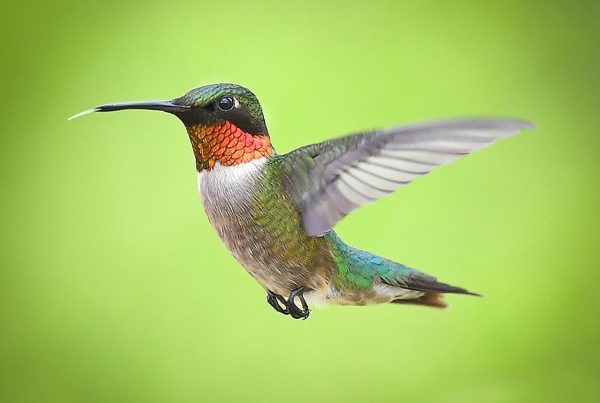
- Ruby-throated
- Nectar from red/orange flowers
- Favors trumpet creeper and bee balm
- Anna’s
- Nectar from garden plants
- Frequently visits the salvia and fuchsia
- Calliope
- Nectar from various flowers
- Same goes for larkspur and paintbrush
- Black-chinned
- Nectar from a variety of blooms
- Commonly seen at feeders, enjoys desert willow
- Broad-tailed
- Nectar from alpine flowers
- Prefers Columbine and sage
- Costa’s
- Nectar from desert plants
- Likes agave and chuparosa
- Rufous
- Nectar from many flowers
- Nectar hungry avid feeder prefers red tubular flowers
hummingbirds eat – Ultimate Guide
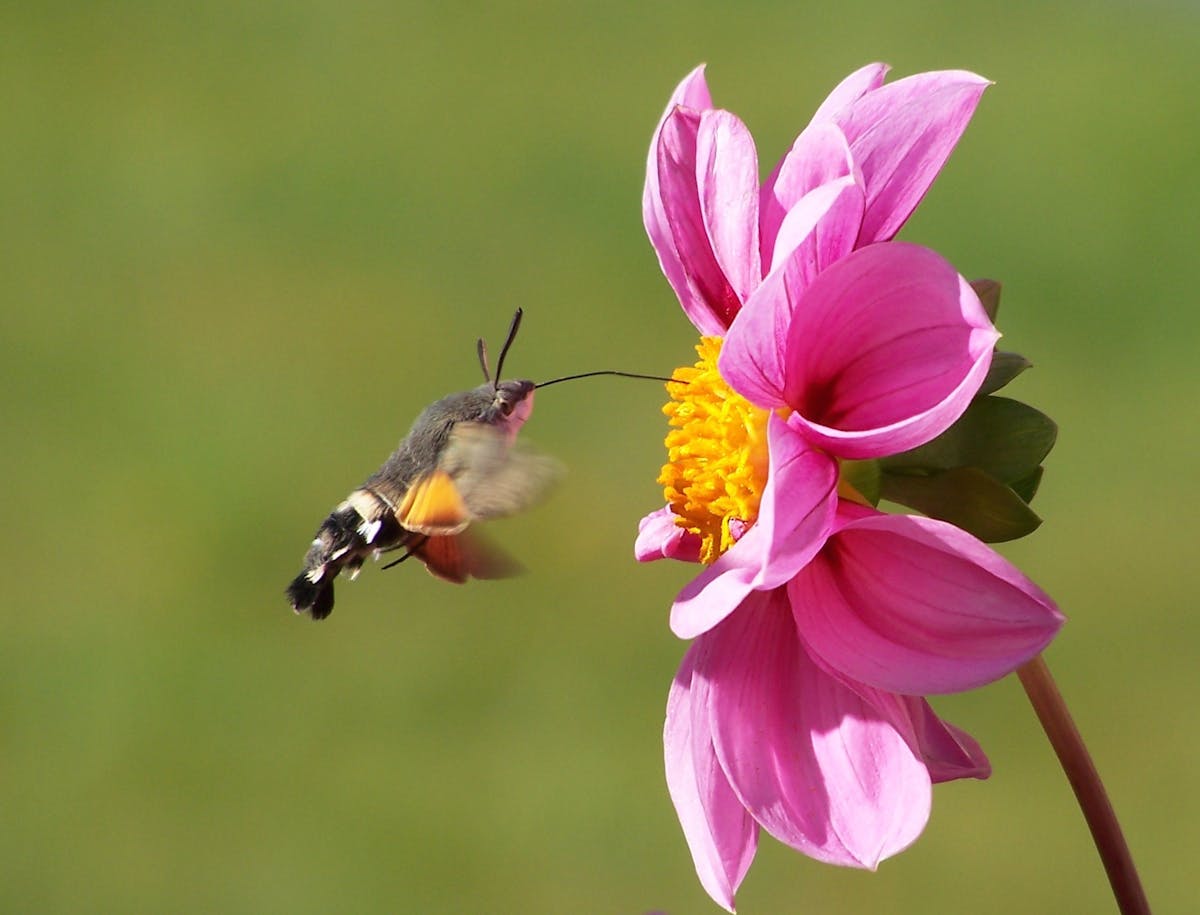
Hummingbird Hawk Moths
Nectar from flowers
Not a ‘hummingbird’ but mimicking their feeding habits
The diet plan of different species of hummingbirds varies according to their habitats and the availability of food. Do You Know Fact: Ruby-throated hummingbird are attracted to red and orange tubular flowers like trumpet creeper and bee balm. Try—Anna’s hummingbird: Often found on garden plants such as salvia and fuchsia Moderate range, generally, 10–20+ feet while feeding while at greater magnitudes than Colibri, likely the most common species found throughout the US. Here is the table of the diet of various species of hummingbirds:
What Do Hummingbirds Eat in the Rainforest?
In rainforest they are open up a vast territories to nourish various types of flowering plants and insects. They survive on the nectar of exotic flowers like heliconias and passionflowers. They also prey on a range of tropical insects.
What do such desert hummingbirds eat?
Some kinds of hummingbirds are desert dwellers. Adaptation to the environment is what allowed them to thrive living in the desert, grazing on desert plants such as agave and ocotillo. In fact, sugar nectar is found in these plants, which acts as the best food source for hummingbirds even in extreme dry conditions. Desert insects are also on their diet to get much protein they require.
How to Get Hummingbirds to Visit Your Backyard
Hummingbirds typically feed on flowers with nectar and have features that can be used to gain traction, so here are some of those that can help attract hummingbirds to your backyard or garden.
Provide Safe Spaces
But the important point is to keep your garden in a safe place if you want to feed the birds in nature! It means, for example, keeping cats indoors and placing bird feeders away from where predators might hide.
Use Red Colors
They are drawn to the color red. Try hanging red ribbons or putting out red feeders. Actually, you [and red hummingbird feeders can see us on the market. Red flowers are also known to attract these birds like Birdfy hummee extension;
Hang Feeders and Fill with Nectar
- Fill a feeder with nectar to lure in hummingbirds. Using sugar water can work.
- How to Prepare Sugar Water (sugar, water) Here’s how to prepare sugar water with sugar and water
- The boiling of water kills all bacteria or mold in it.
- Take the water off the heat and stir in the sugar (4 parts water and one-part white granulated).
- Then stir until all the sugar has dissolved.
- Let the mixture cool before filling the feeder.
- Any unused nectar may be stored in the fridge for one week.
Important Tips:
- Honey, brown sugar, and artificial sweeteners should not be used as they are harmful to hummingbirds.
- No red dye in the mix. Although they are drawn to red, the dye found in some food is unnecessary and can be harmful to hummingbirds.
- Make sure to regularly clean your hummingbird feeders to prevent mold and bacteria buildup.
- Provide a Water Source
Hummingbirds, like the rest of the avian world, require clean water for drinking and bathing. Providing a shallow dish of clean water or sprinkling out bird bath water attracts these birds.
Grow Hummingbird-Friendly Plants
Or if you do have a garden, you can make your backyard more attractive to hummingbirds by planting hummingbird-friendly plants. Like, have colored, tubular, scentless flowers. Some great examples are trumpet honeysuckle, bee balm, and hummingbird sage.
Conclusion
However these jewel-toned birds also have a diet just as intriguing as their beautiful feathers and astounding flight abilities. Their main food source nectar, provides energy and insects, and spiders, provides protein. Knowing about their eating habits gives us another way to appreciate these tiny birds, as well as helps us support them by planting nectar rich flowers and put out feeders. That said, enjoy your backyard hummingbirds with the beauty and wonder they bring you.

MD Imdadul Haque is the founder of BirdzFly, a research-backed resource on North American backyard birds. Drawing on years of independent study into bird identification, behavior, and migration patterns, he writes in-depth guides designed to help US birders understand the species in their own backyards — from common feeder visitors to seasonal migrants passing through.