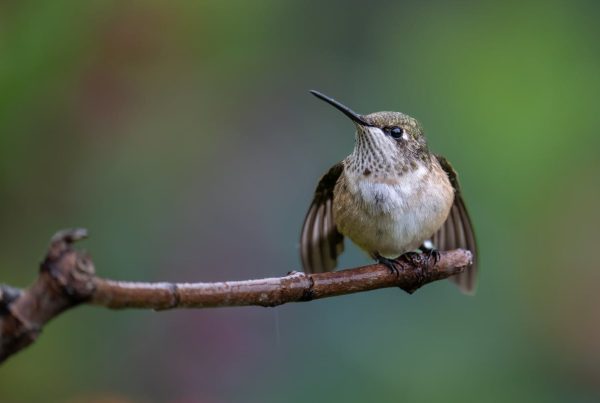

Trees become brown when the wind starts blowing and the trees begin to shake and it is when we usually look up at the sky and see some birds flying in flocks towards south and we know that it is time for their migration. Well, have you ever wondered { What Is The Reason Behind Their Migration and Where They Are Heading To }? Isn’t it wonderful that these little feathered creatures would migrate for days or sometimes months to get to a new world to prepare for the winter? This article aims to spread the knowledge of these questions and guide the bird lovers’ community, including you, to delve deeper into our feathered masterminds.
Statistically, approximately 40% of Earthly bird species are migratory. Over seasons, millions of birds of all kinds continue to migrate and fly across continents, despite the rigors of a migratory journey. Why? The answer is not all that surprising and not hard to guess: it has to do with a combination of genes — and the environment. Winter, it should be noted, is giving birds less food to go around. The cold freezing winter weather is themselves intolerable for the birds and drastically affects the natural herbs surrounding their habitats. There are fewer food (insects, plants, etc.) and nest options for our poor winged friends and they are more likely to be seen by predators. In conclusion, the biological genes of migratory birds encourage them to react towards the changing environment and to favour survival during the tough time through movement towards warmer climates.
After finding out about why birds migrate, you might begin to wonder how birds even approach such a complex task and overcome challenges that seem impossible to us humans. The answers are as follows. Now, first of all, it is assumed that migratory birds possess an internal clock that tells them when the time comes to migrate; During the same journey they exploit their innate sense which is linked to the terrestrial magnetic field and handle navigation with that information. On top of that, birds leave trademarks and reroute according to ambient temperature, geographic conditions, prey and shelter abundance, duration of day and daylight, and so on.

Hospitable surroundings
Hospitable surroundings for birds
The answer is NO. Migratory patterns also face dangers, as traveling great distances among shifting weather patterns brings with it the unknown of a predator in an area you never would have encountered if you had stayed home. There are at least 10,000 bird species in the world found in all types of habitats and diverse behaviors and sizes. Some of them would rather settle down in an area to escape the risks of migration.
Nonmigratory birds are better at regulating their own body temperature and caching food. Some of them can even enter a state known as torpor (mini-hibernation) that decreases their calorie demands overnight. These attributes allow for them to tough it out through the wintertime. These birds that decide to stay in their population areas during winter can conserve energy and defend their territory without needing to acclimate to a different environment in either winter or the next spring.
Here are a few scattershot examples of birds that are permanent residents (Non-migratory) in the winter; Golden-crowned Kinglet in Aklaska and Nova ScotiaBlack-capped ChickadeeNorthern CardinalTurkeyQuailBlack VultureHairy WoodpeckerDowny WoodpeckerBlue JayRobins Blue TitsBlackbirds
Blue Tits
The important parts of the world towards birds migrate are Southern Europe, Mediterranean Region, Africa, Middle East, Southeast Asia, New Zealand, Canada and southern part of America. Their primary flyways are the Atlantic, Mississippi and Pacific Ocean. Migratory experts classify the migration route into three categories based on flight distance of the birds:
1 Short-distance migration
Many species move only a few miles — on a vertical axis too, shifting from higher elevations to lower ones, where it’s warmer. This is called Altitudinal Migration. Such birds include siskins, goldfinches, band-tailed pigeons, violet-green swallows, grebes in the Andes, and in North America, buffleheads, ruffed grouse, tree sparrows and cedar waxwings, to name a few.
2 Medium-distance migration
These birds move between states or regions nearby. In the US, for example, 80% of the bird species migrate south to the central or southern part of the country, the likes of the Eastern Bluebird and Killdeer. Many of these waterfowl species will make the journey from northern Canada to southern states such as Texas and Louisiana.
3 Long-distance migration
Migrating birds need rest to conserve enough energy for the following day. Two fundamental needs they have for a temporary shelter is warmth, and to be safe. The primary shelter types are the thick foliage, hedges, tree hollows/cavities, eaves (the lower side of the roof overhanging the wall), snowdrifts and human-made type bird shelter such as birdhouses for birds, birdfeeders, abandoned buildings, barns, chimneys, flues, etc. One such rule is “safety in numbers”, in which the majority of birds roost communally to not only be safe from predators but also help maintain body temperature at night.
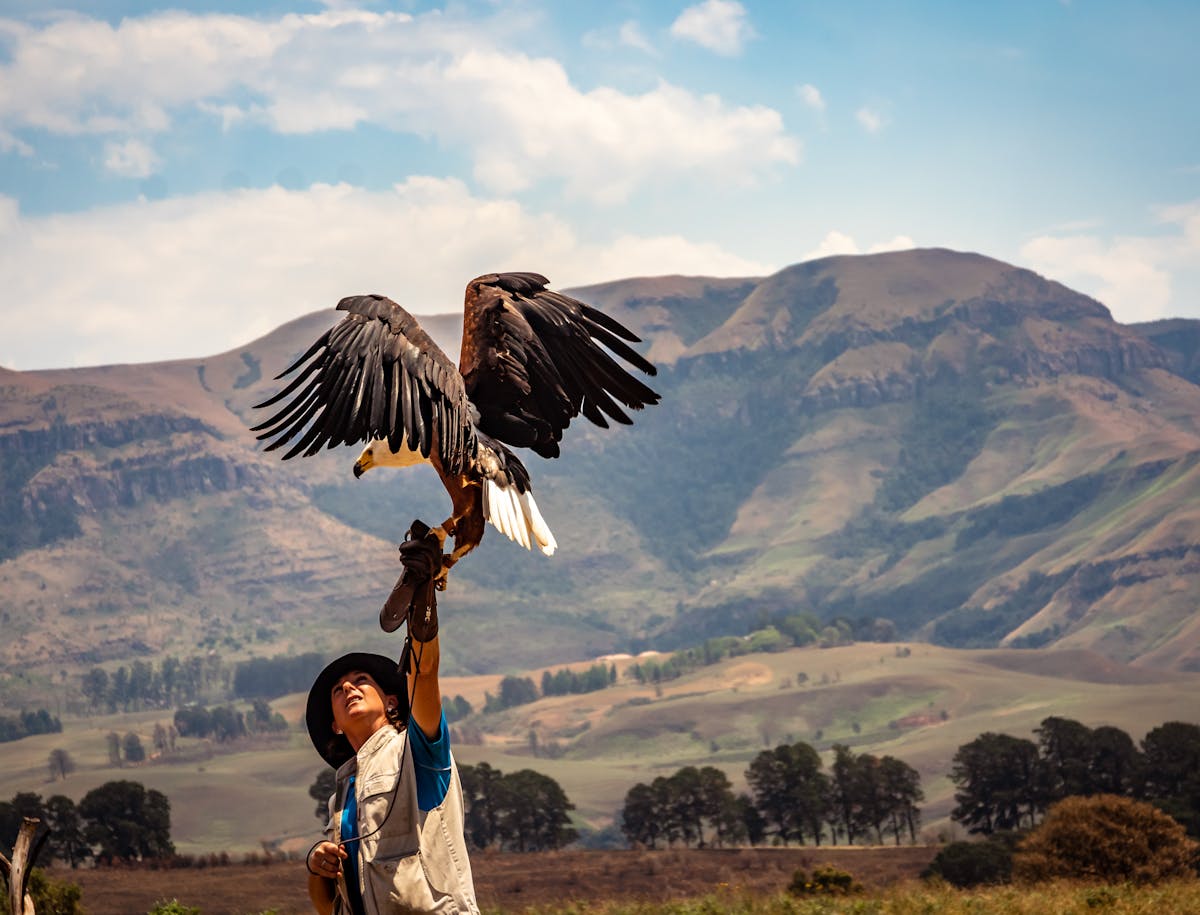
man-made bird shelter
Man-made bird shelter
As well as environmental factors, human impact is key to winter migration in birds. Climate change caused by humans changes weather patterns and can alter the timing of food availability for birds. In cities, artificial light and tall buildings can be a major threat to birds’ navigation, and can cause injuries or death. Recognised this, and them stepped to vaccinate human impact to bat through implementation and we must make available on all, even black elements, at the end of the article it is good to remember its role in their special time and are our efforts. It would be a nice idea to prepare bird food.

MD Imdadul Haque is the founder of BirdzFly, a research-backed resource on North American backyard birds. Drawing on years of independent study into bird identification, behavior, and migration patterns, he writes in-depth guides designed to help US birders understand the species in their own backyards — from common feeder visitors to seasonal migrants passing through.