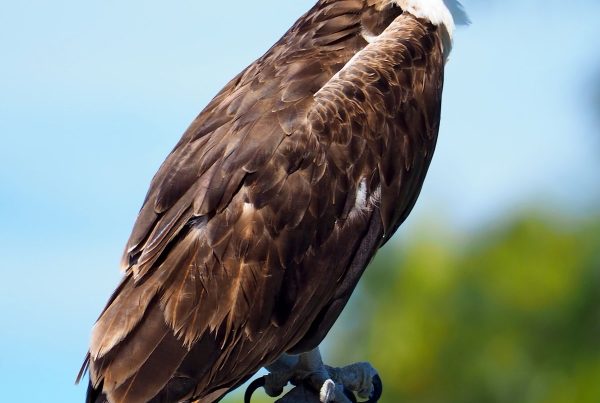

It is 2 a.m. and a bird outside your window is singing its heart out. You wonder: is this normal? Which bird is it? And what does it mean?
Both questions have answers. The science explains why birds sing at night — hormones, light pollution, migration. The spiritual traditions explain what people across centuries have made of it. Both are covered here.
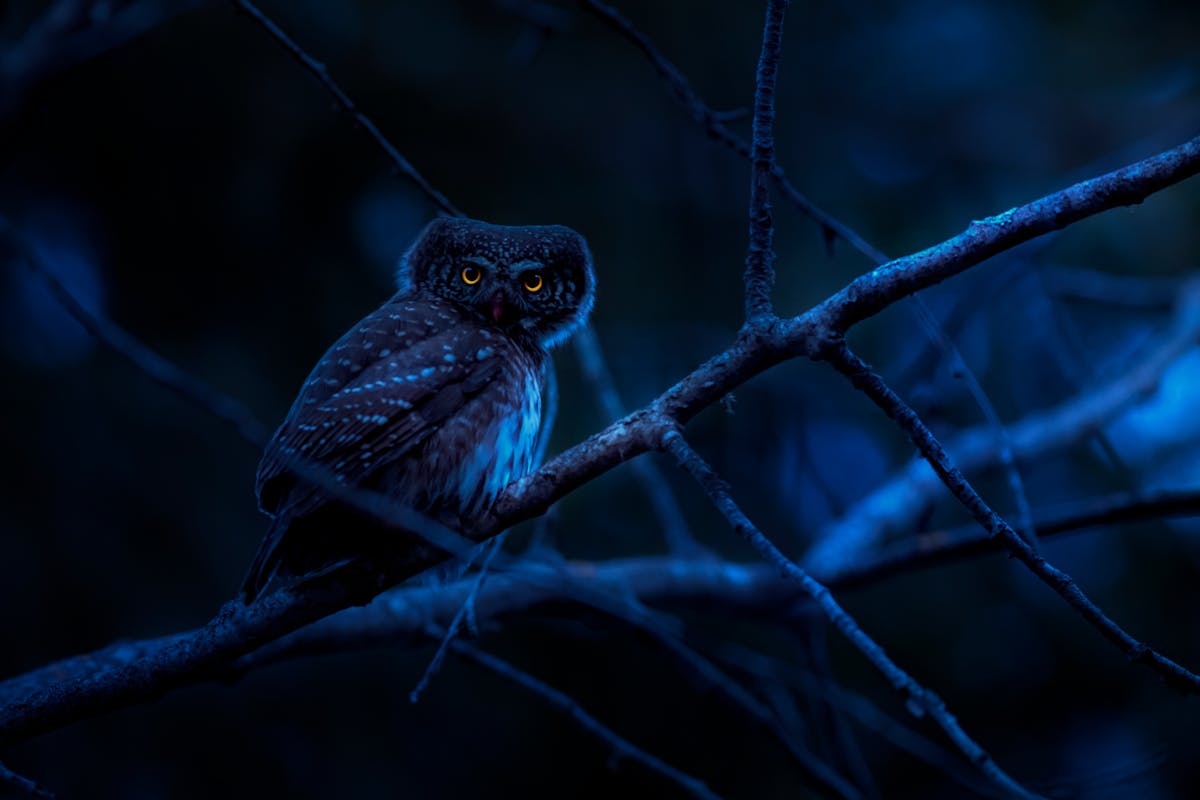
Why Birds Chirp at Night
Why Does Birdsong Happen at Night?
Birdsong is not random noise. It is a complex form of communication. The two main reasons birds sing are territory defense (“this is my space, stay out”) and mate attraction (“I am healthy and fit, pick me”). Singing is also physically demanding — it takes energy, makes birds vulnerable to predators, and requires precise muscle control. Every time a bird sings, it is making a biological investment.
When birds sing at night, when most predators are most active, there has to be a strong reason. Here are the seven most common ones.
7 Reasons Birds Chirp at Night
1. Hormonal Surges During Breeding Season
This is the top reason. Male birds get a surge of testosterone during spring breeding season. This urge to sing can override their natural day-night rhythm entirely. Both young males learning their songs and older males competing for territories are affected. The result is singing at hours that have nothing to do with dawn.
2. Artificial Light Pollution
Streetlamps, porch lights, and lit windows disrupt birds’ circadian rhythms. They mistake artificial light for dawn and start their morning songs in the middle of the night. Urban robins, song sparrows, and blackbirds are especially affected. Research has found that city birds often begin singing five hours earlier than birds in rural areas. Light pollution is probably the single biggest driver of the nighttime bird noise that wakes people in towns and cities.
3. Competition Avoidance
During the day, dozens of birds compete for acoustic space. Singing at night sidesteps that competition entirely. A bird singing at 2 a.m. has no competitors — its song reaches farther and clearer than anything it could produce at dawn chorus.
4. Weather and Temperature
Warm, still nights are acoustically ideal. Sound travels farther in calm air than in daytime wind. Some birds take deliberate advantage of these conditions, producing song on warm evenings that they would not attempt during a breezy afternoon.
5. Predator Confusion
Some researchers suggest that nighttime singing may confuse nocturnal predators. A bird that sounds active and alert is a less appealing target than a silent, sleeping one.
6. Migration Calls
Many birds migrate at night and use contact calls to keep flocks together during the flight. These are not songs — they are short, repeated chips and chirps. If you hear rapid, repeated short calls overhead on a clear night in spring or fall, you are probably hearing migrating birds passing over. Spring migration produces some of the most intense nocturnal calling of the year.
7. Individual Personality
Ornithologists have established that birds have individual personalities. Some are bolder and more vocal than others. Some are simply night owls — more active, more vocal after dark regardless of breeding season or light conditions.
Which Birds Chirp at Night Most Often?
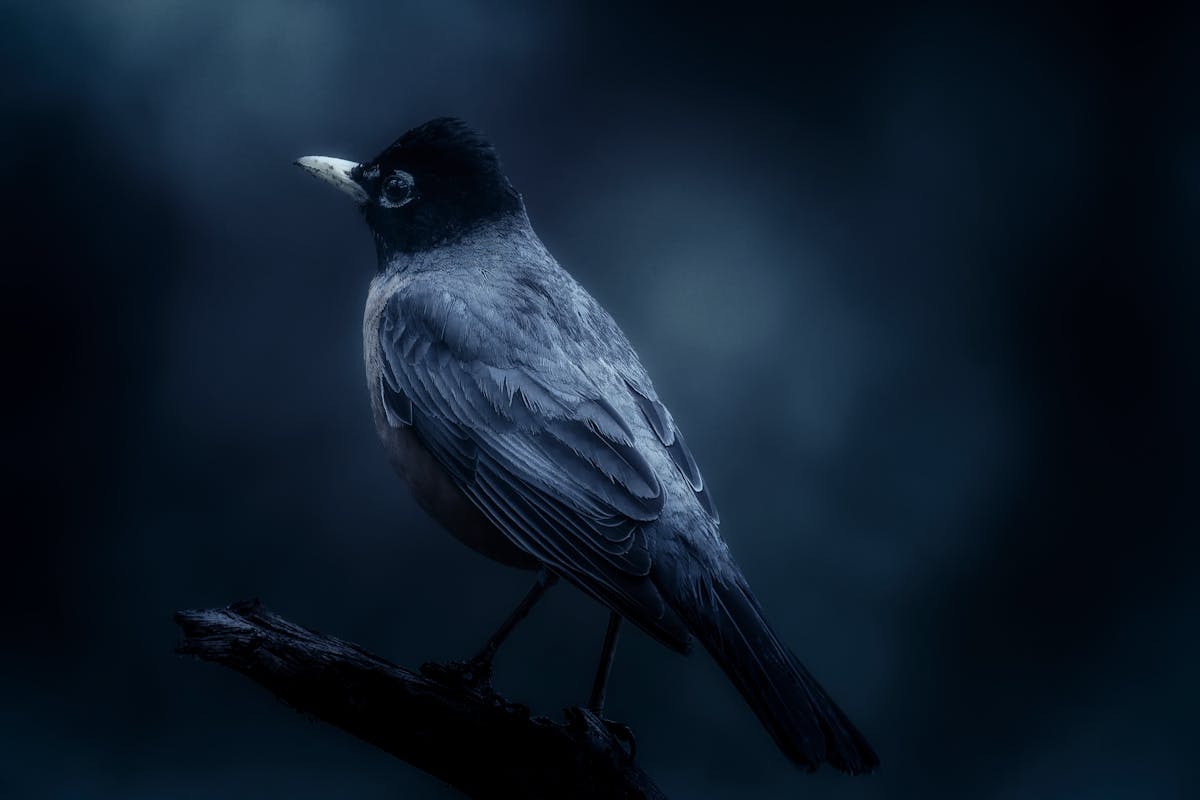
Common night-singing birds
Northern Mockingbird — The most notorious night singer in North America. Unmated males in spring and summer can sing for hours after midnight, cycling through dozens of imitated songs. If a bird is singing at 3 a.m. in a suburban American neighborhood, it is probably a mockingbird.
American Robin — Urban robins sing past midnight frequently, almost always triggered by artificial light. Their rich, melodic song is one of the most commonly reported night bird sounds in cities.
Whip-poor-will — A true nocturnal bird whose clear, repeated call echoes across summer nights in rural areas. Mainly active at dawn and dusk but can call through the night.
Common Nightingale — Famous for nighttime song, primarily in Europe. Males sing at night specifically to attract female migrants passing through.
Yellow-breasted Chat — Known for an unusual mixture of whistles, cackles, and chirps delivered at night during breeding season.
Barn Owl — Not a singer but a loud presence at night. Their screeches and hisses are frequently mistaken for other sounds and are reliably startling.
What Does It Mean Spiritually When a Bird Chirps at Night?
The biology answers the “why.” But many people who search this question want to know what it means — the spiritual or symbolic layer. That layer has a long tradition behind it.
A Message From Someone Who Has Passed
Across folk traditions, birds are seen as messengers between the living and the dead. A bird singing outside your window at night — especially if it woke you up — is sometimes interpreted as a spirit trying to get your attention. The message is almost always comforting: a loved one checking in, a sign that someone who has passed is at peace, or a gentle prompt to pay attention to something you have been ignoring.
This belief appears in Native American, Celtic, and general Western folk tradition. The core idea is consistent: the bird chose the night because the night is quiet and you are more likely to actually hear it.
A Sign of Transition
Night is a threshold time in most spiritual traditions — the border between one day and the next, between waking and dreaming, between this world and what lies beyond it. A bird singing at that threshold is often interpreted as a sign that a transition is underway in your own life. Something is ending. Something is beginning. The bird is marking the moment.
If you are going through a significant change — a loss, a new start, a difficult decision — a bird singing at night during that period is commonly read as confirmation that the transition is real and that you will come through it.
A Reminder to Be Still
Outside any specific tradition, many people describe a night bird’s song as a kind of interruption — an invitation to stop, be present, and notice something. Whether that is a feeling you have been suppressing, a relationship that needs attention, or simply the fact that the world is alive while you sleep, the bird’s song functions as a call to awareness.
Which Bird Means What
The symbolic meaning shifts depending on the species:
- Mockingbird at night — In Southern US folk tradition, a mockingbird near your home at night is a sign of protection and adaptability. Its ability to mimic connects it to communication across barriers.
- Owl at night — The most spiritually significant night bird. Depending on tradition, an owl means wisdom arriving, a warning, or a connection to the spirit world. Meanings vary widely by tribe and culture.
- Robin at night — Carries the robin’s standard associations: renewal, hope, a message from a loved one who has passed.
- Whip-poor-will at night — In New England folk tradition, a whip-poor-will calling at your doorstep was historically an omen of death. One of the few consistently negative night bird associations in American folklore.
How to Identify the Bird Chirping at Night
You do not need to be an expert to identify what you are hearing. Three steps:
Step 1 — Open the Merlin app. Cornell Lab’s Merlin Bird ID has a Sound ID feature that listens in real time and identifies birds as they sing, including at night. It is free and works remarkably well.
Step 2 — Record it. Your phone’s voice memo app captures enough audio quality for identification. Upload recordings to xeno-canto.org or the eBird app if Merlin does not catch it live.
Step 3 — Note the details. Time of night, location (urban, suburban, rural, near water), whether the sound is musical or harsh, and how long each phrase lasts. These narrow down the options significantly before you even search.
When Is Nighttime Bird Song Most Common?
Spring (March–June) is peak season. Breeding hormones are at their height, males are competing for territories and mates, and light pollution has maximum effect on disrupting circadian rhythms. This is when most people first notice and search about night bird song.
Summer (July–August) drops off sharply. Once chicks hatch and breeding ends, males largely stop singing. The acoustic landscape at night becomes much quieter.
Fall (September–October) brings migration calls — short contact chips overhead rather than full songs, but potentially intense on clear nights when large numbers of birds are moving.
What Nighttime Singing Does to Birds
For birds in urban areas, light-triggered nighttime singing has real costs. Research shows that birds forced to sing at night due to light pollution experience elevated stress hormones, impaired immune function, and reduced daytime foraging performance. The disrupted circadian rhythm affects them the way chronic sleep disruption affects humans.
Three small things that help: turn off outdoor lights after midnight, close blinds at night to reduce light spill, and support dark sky initiatives in your area during spring migration and nesting season.
FAQ: Birds Chirping at Night
What bird chirps at night?
The Northern Mockingbird is the most common night singer in the US. American Robins, Whip-poor-wills, Yellow-breasted Chats, and Common Nightingales (in Europe) also sing regularly at night. Barn Owls screech but do not sing.
Why do birds chirp at night?
The main reasons are breeding hormones overriding sleep patterns, artificial light disrupting circadian rhythms, avoiding daytime acoustic competition, favorable weather conditions, and migration contact calls.
What is the spiritual meaning of birds chirping at night?
In folk and spiritual tradition, a bird singing at night is often interpreted as a message from a loved one who has passed, a sign of transition in your life, or a call to be still and pay attention to something you have been ignoring.
What does it mean when a bird chirps at 3 a.m.?
Biologically, it is almost certainly a mockingbird or a robin triggered by artificial light. Spiritually, nighttime bird song is interpreted as a message trying to reach you during a quiet time when you are more likely to hear it.
Is it bad luck when a bird chirps at night?
Most traditions say no. The main exception is the Whip-poor-will in New England folklore, which was historically considered a death omen. Other night birds — mockingbirds, robins, nightingales — are generally positive symbols across most folk traditions.
For more on specific night birds, see our guide on owl symbolism and what owl calls at night mean. For birds and their spiritual meanings more broadly, our robin symbolism guide and mourning dove symbolism guide cover the two most commonly searched bird meanings in detail.

MD Imdadul Haque is the founder of BirdzFly, a research-backed resource on North American backyard birds. Drawing on years of independent study into bird identification, behavior, and migration patterns, he writes in-depth guides designed to help US birders understand the species in their own backyards — from common feeder visitors to seasonal migrants passing through.